Waipapa Point Lighthouse


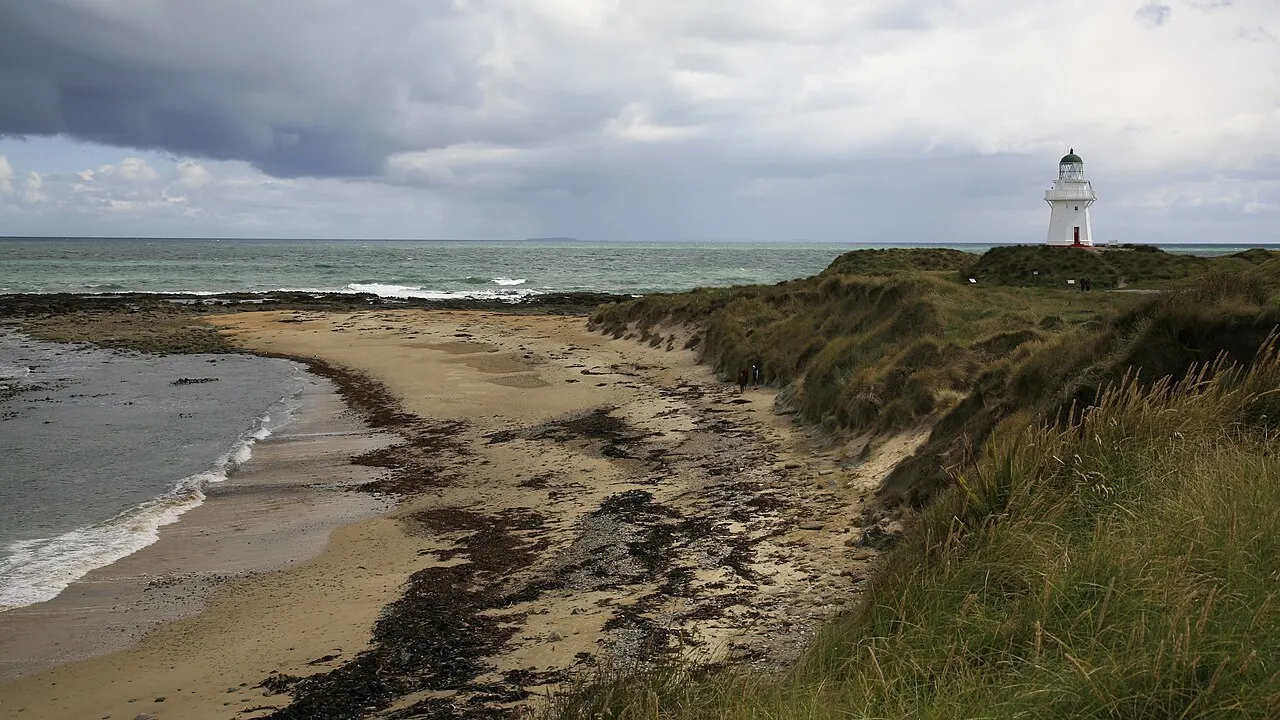
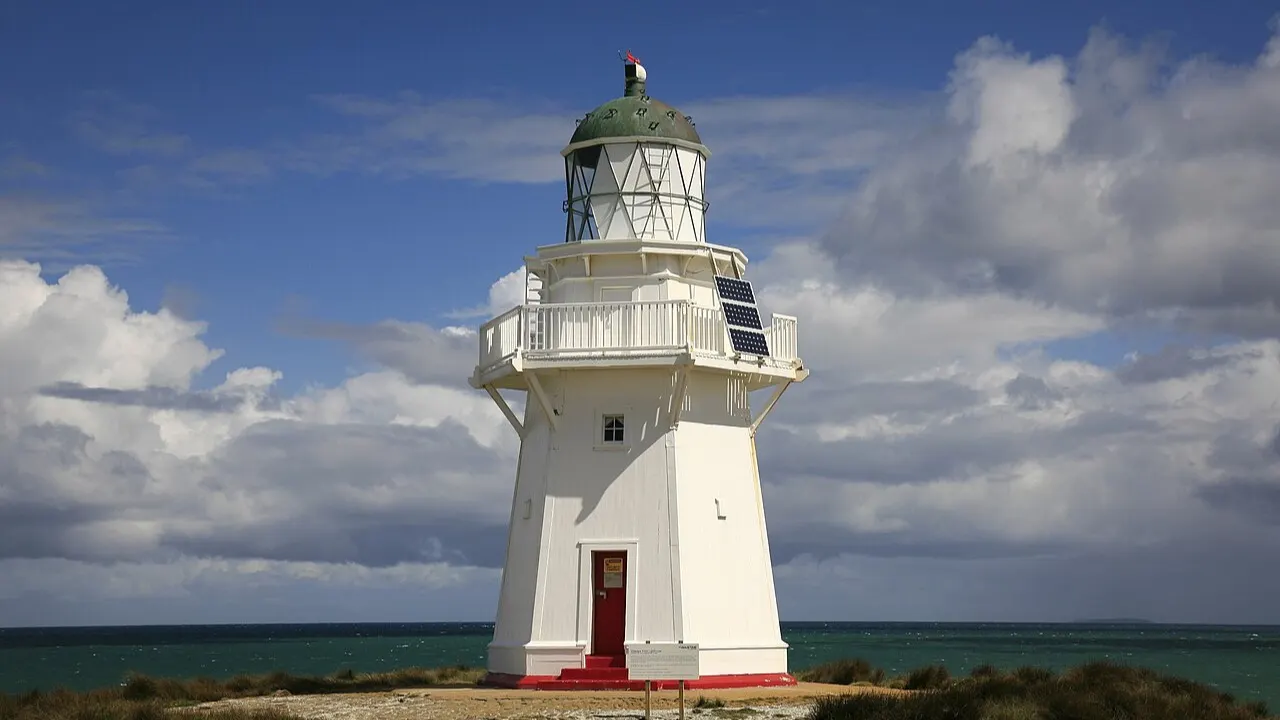
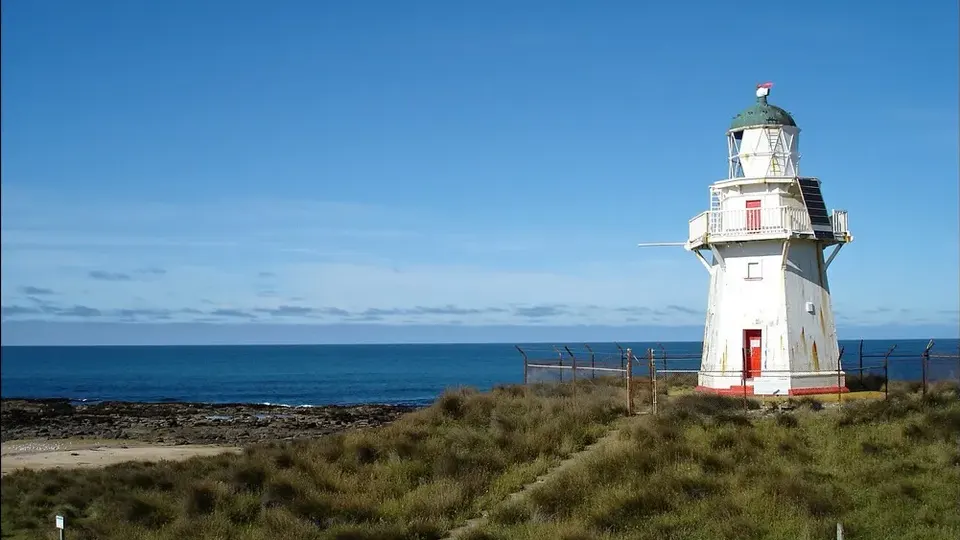

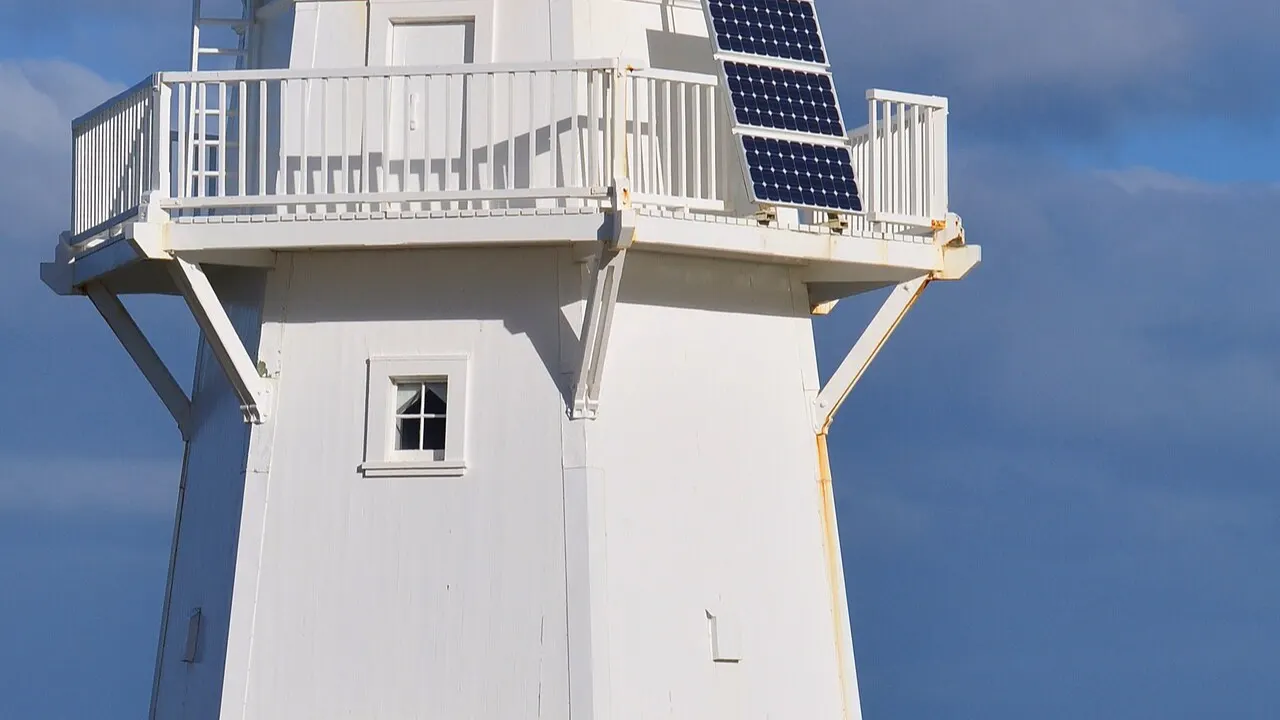
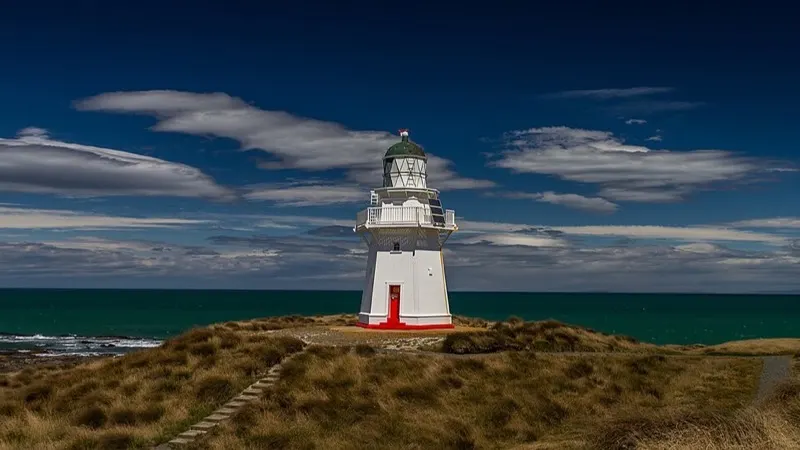
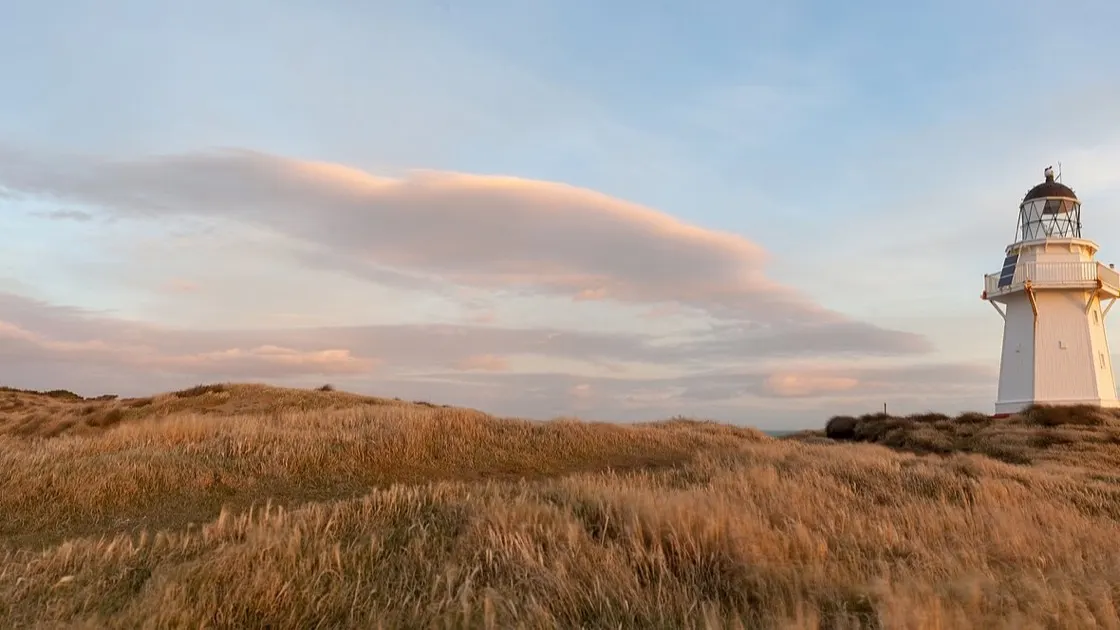

Photo credits: Annette Teng (CC BY 3.0); Vašek Vinklát from Czech Republic (CC BY 2.0); Pavel Špindler (CC BY 3.0); Stephen Edmonds from Melbourne, Australia (CC BY-SA 2.0); russellstreet (CC BY-SA 2.0)
Getting there
Waipapa Point is a rocky promontory on the south coast of Foveaux Strait, at the extreme southwestern end of the Catlins on New Zealand's South Island, about 10 km southeast of the mouth of the Mataura River. It is reached via the Catlins coastal road network in the Southland region, near Tokanui and not far from Slope Point and Curio Bay.
Things to do nearby
The point sits amid the wider Catlins coastline, with nearby spots including Slope Point, Curio Bay, Fortrose and the Waikawa area. The empty, surf-battered beach around the lighthouse is the main attraction, offering a raw, windswept wilderness coastal experience.
Highlights
The lighthouse is one of the last two wooden lighthouses built in New Zealand (alongside the retired Kaipara North Head lighthouse) and is still active, automated since 1976. The grassy headland and open beach are also a haunt of New Zealand sea lions, which haul out on the sand and wander into the grass; visitors must keep a respectful distance.
History & culture
The Catlins coast is notoriously dangerous, and Waipapa Point saw New Zealand's worst civilian maritime disaster: on 29 April 1881 the passenger steamer Tararua, bound from Port Chalmers to Melbourne via Bluff, foundered here with the loss of all but 20 of the 151 aboard. The lighthouse was built in response and began operating in 1884.
Booking & rules
The site is freely accessible as a remote coastal reserve; no booking, fees or opening hours are stated. Sea lions are protected, so observe safety guidance and keep well clear. Expect strong wind, heavy surf and minimal shelter, and check conditions before visiting.
About this attraction
The Waipapa Point lighthouse is one of New Zealand's last timber lighthouses, raised above a wild beach at the mouth of Foveaux Strait. It exists because of tragedy: the Tararua was wrecked on the reef here in 1881 with the loss of more than a hundred lives, New Zealand's worst civilian shipwreck, and the light went up in response. Today the tower still operates over a beach that belongs mostly to sea lions — whole groups sprawl on the sand and slip into the dune grass, so viewing distance rules are strict. The beach is empty, the surf thunderous, the wind honest: the deep-south coast at full volume.
Highlights
Photograph the timber tower against wild surf, watch sea lions lounging on the beach from a respectful distance, read the shipwreck story on the interpretation panels, and stay for a southern sunset.
Cautions
Keep at least 10 m from sea lions — they move fast and bulls are territorial; never feed or touch them, follow dog rules (dogs prohibited or leashed per local signs), stay clear of the surf line, and never block a sea lion’s path to the sea.
Getting there
About 40 minutes' drive from Fortrose or Curio Bay on gravel roads, ending at a small car park and a short walk to the lighthouse and beach.
noda attraction index 82
4.1 / 5
How the attraction index works
Each attraction is scored from five verifiable data points, out of 100. This is an editorial index, not a user rating — it reflects how free, how scenic and how well documented a place is, not anyone's personal experience.
| Free bonus | 20 pts | Completely free 20; small fees (parking, gold-coin koha) 10; expensive tickets 0. |
|---|---|---|
| Scenery uniqueness | 25 pts | World Heritage or landmark-level 25, regional 18, local 12 — each listing is explicitly tiered. |
| Things to do | 20 pts | Ranked by the depth of the highlights write-up: full 20, medium 14, brief 10. |
| Information completeness | 20 pts | 15 for having about, best time, cautions and access notes, minus 4 per missing item; plus 5 for two or more official sources. |
| Accessibility | 15 pts | Reachable by car 15, short walk 12, long tramp required 6. |