Milford Sound / Piopiotahi
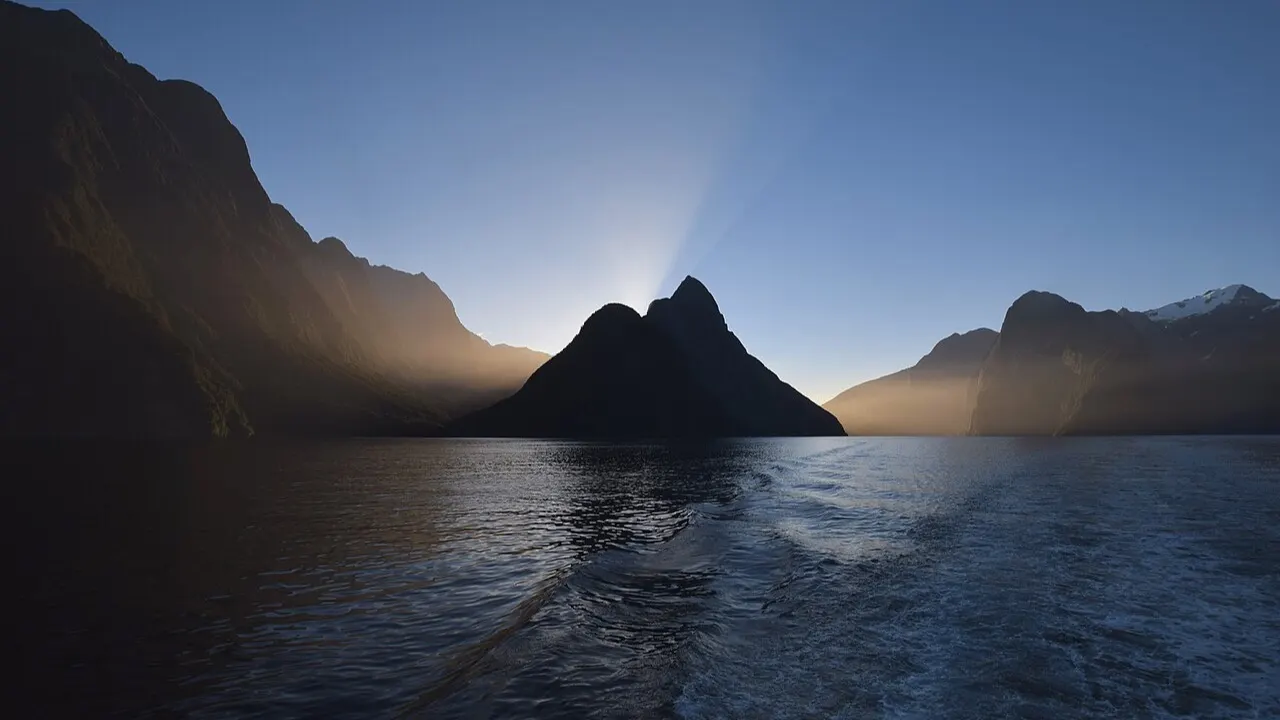
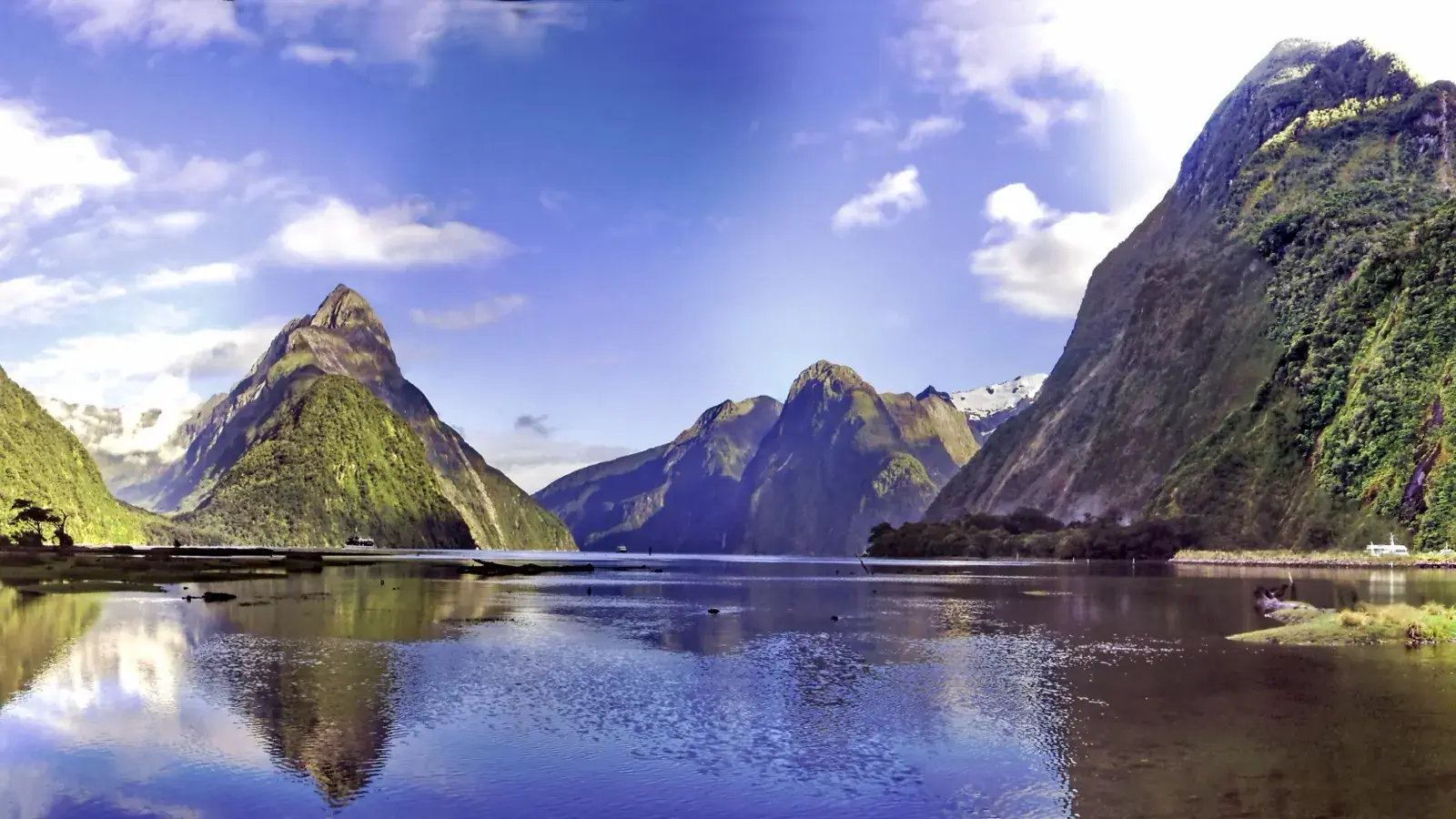
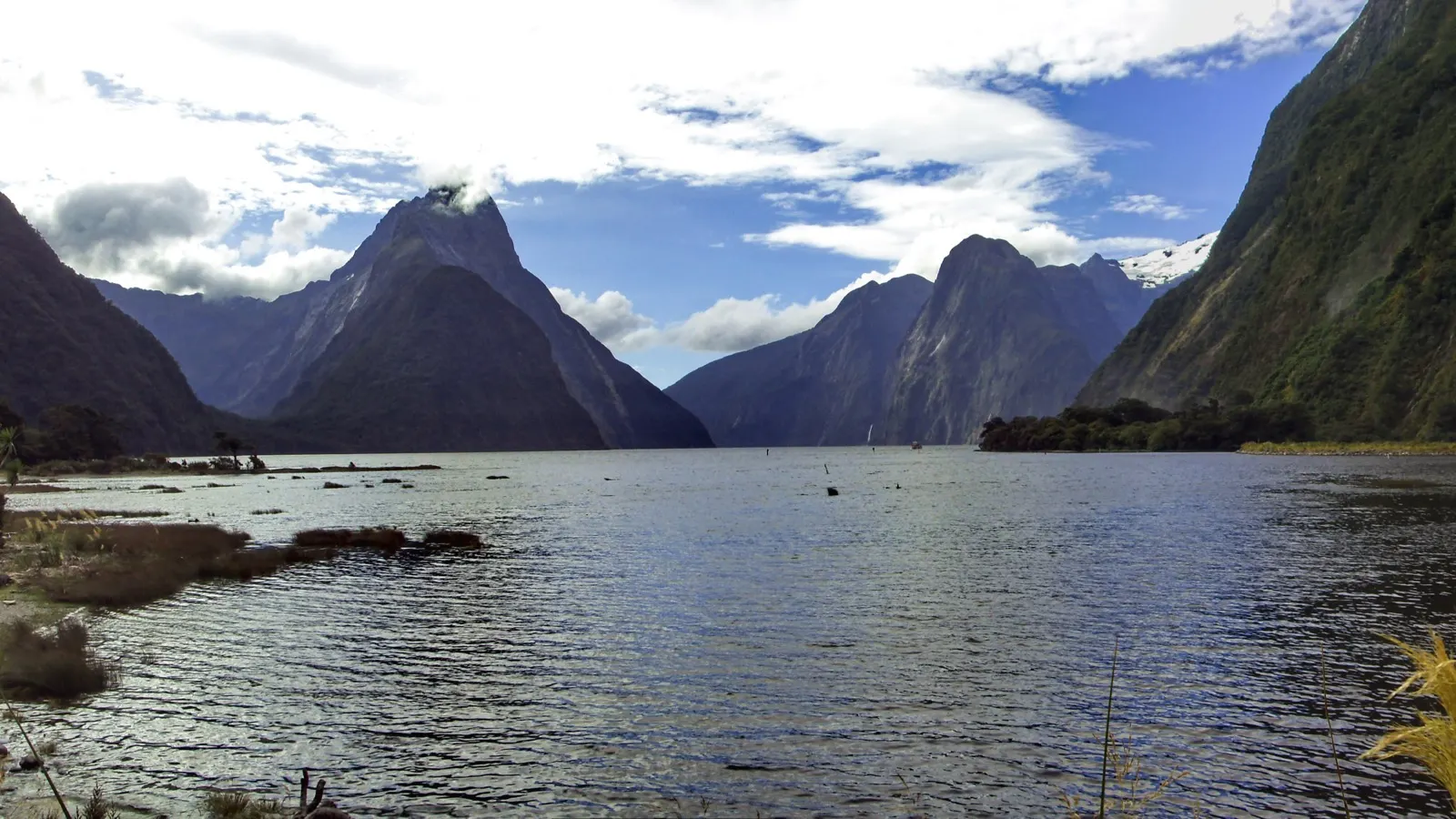
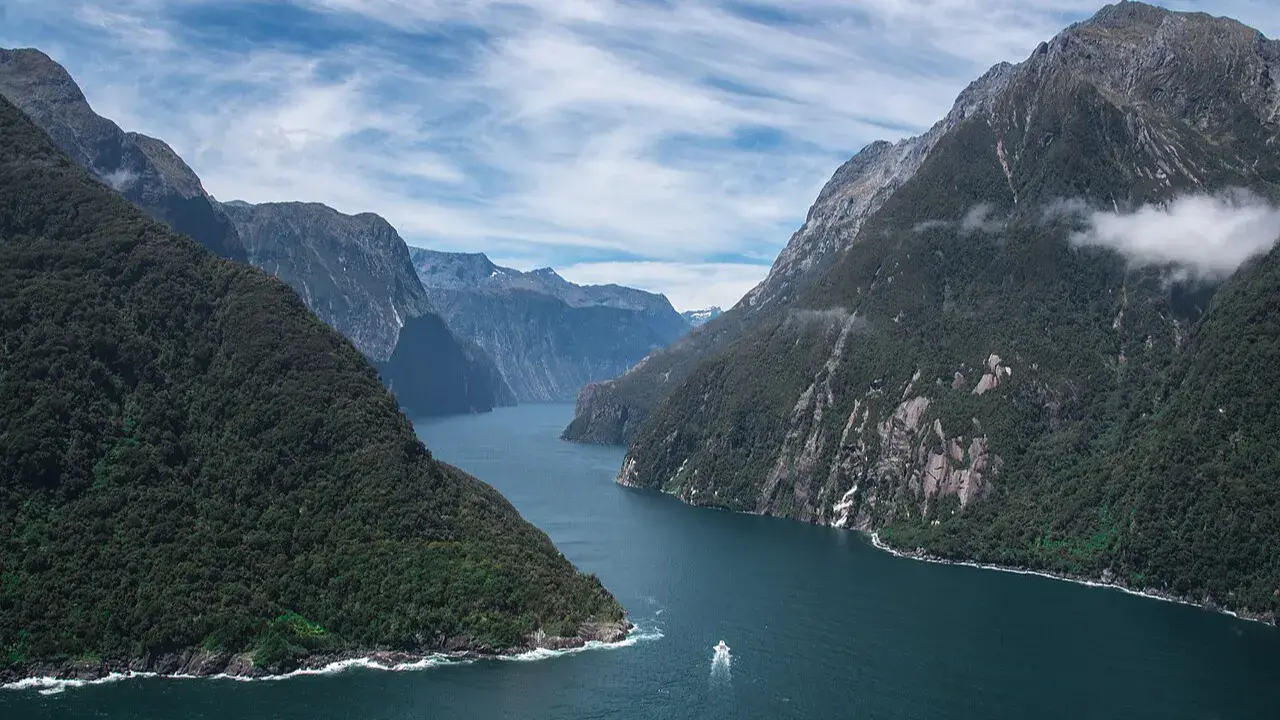
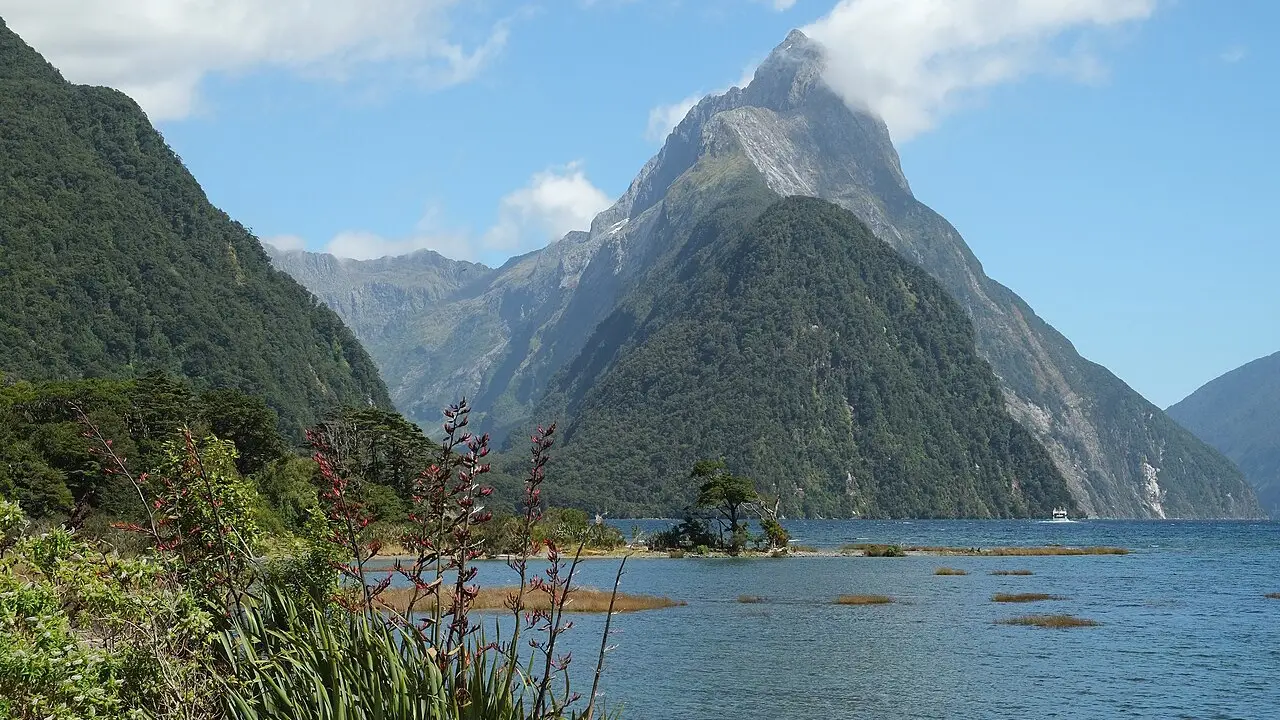
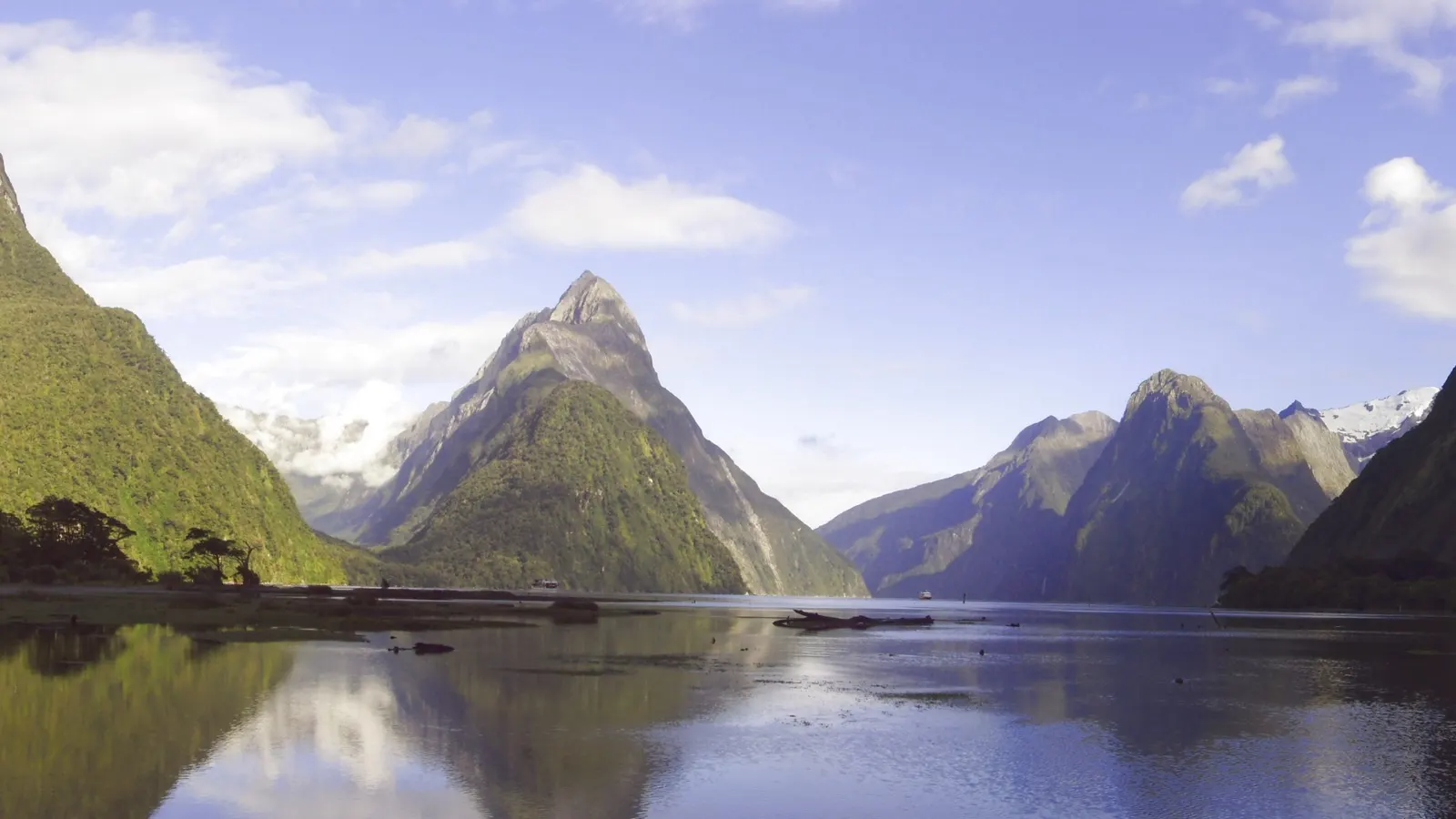
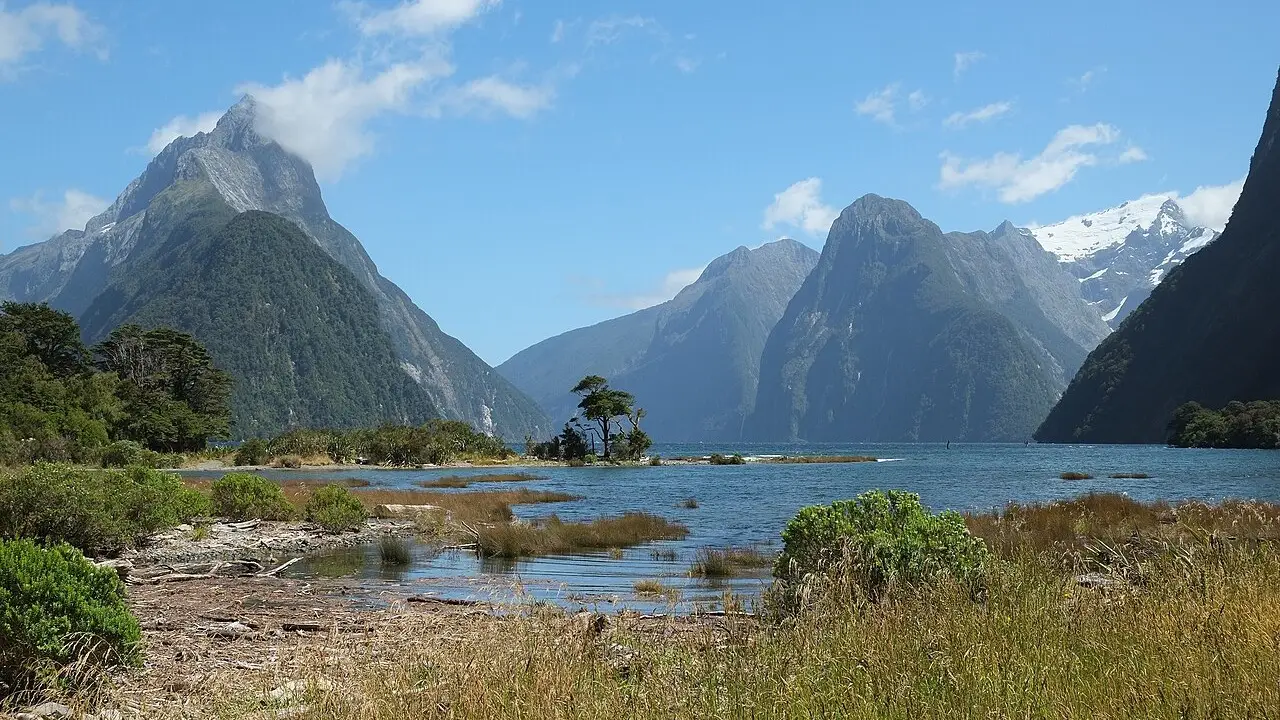
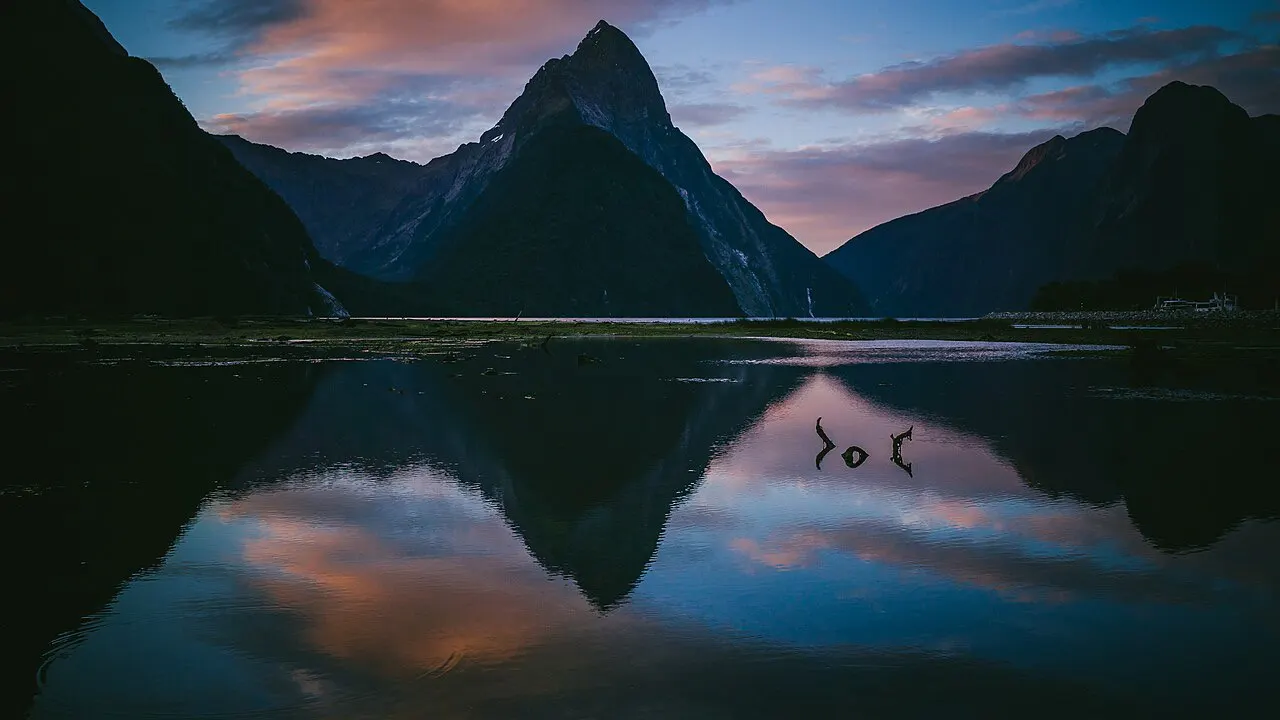
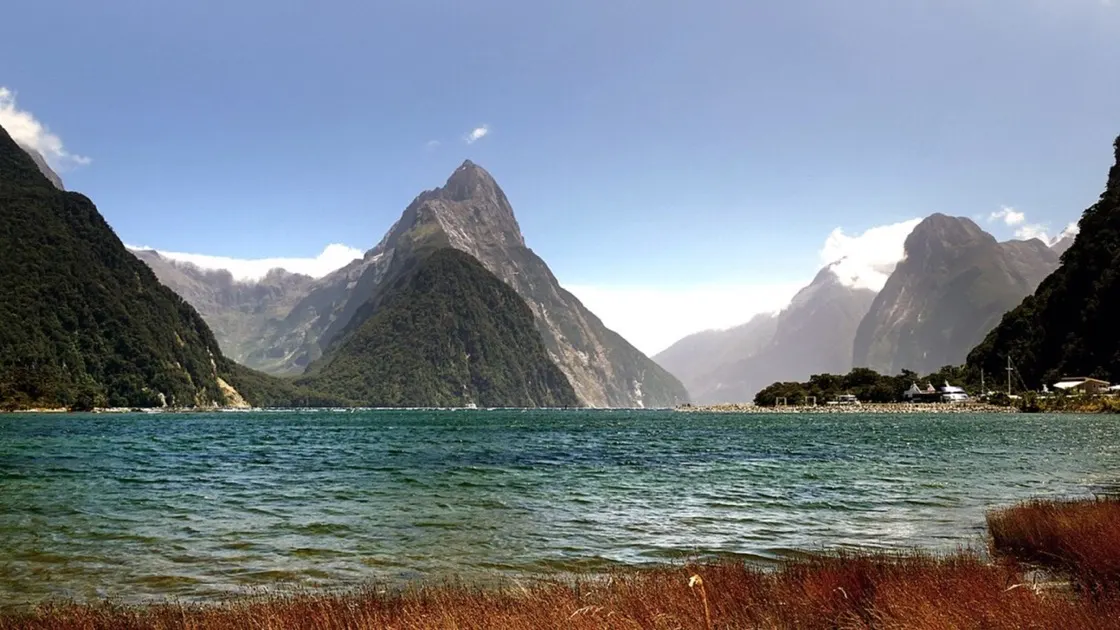
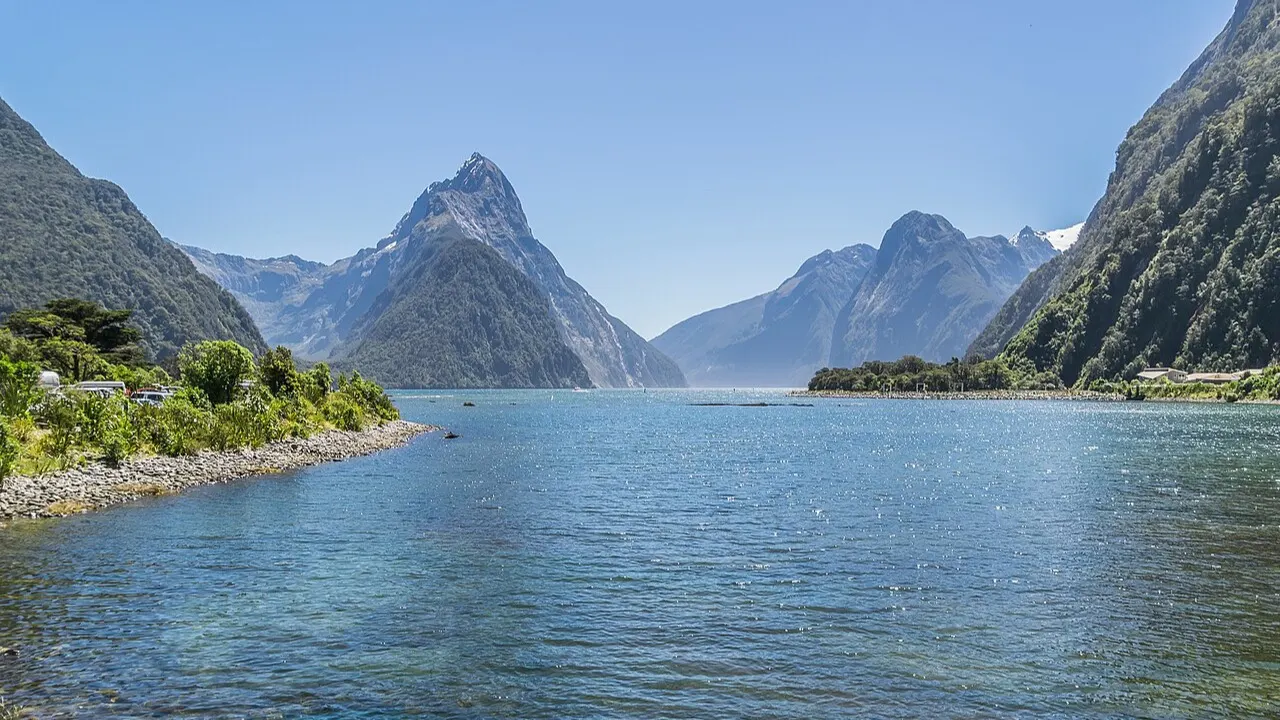
Photo credits: Friso Baaij boei (CC0); Korkut Tas (CC BY-SA 3.0); Blake Richard Verdoorn blakeverdoorn (CC0); Pseudopanax at English Wikipedia (Public domain); Jasper van der Meij jaspervandermeij (CC0); Bernard Spragg. NZ from Christchurch, New Zealand (Public domain); Krzysztof Golik (CC BY-SA 4.0)
Getting there
Milford Sound / Piopiotahi lies in Fiordland on the south-west coast of New Zealand's South Island, within Fiordland National Park, the Piopiotahi Marine Reserve and the Te Wahipounamu World Heritage area. The fiord runs 15.1 km inland from the Tasman Sea and is most commonly reached by road on State Highway 94 by car or tour coach, which terminates at a small village at the fiord's head. Because of the distance, most visitors base themselves in Te Anau or Queenstown.
Things to do nearby
The road journey is a destination in itself: State Highway 94 crosses the Eglinton Valley and Mirror Lakes before passing through the Homer Tunnel, opened six decades after the low saddle between the Hollyford and Cleddau rivers was found. At the sound you can walk the free foreshore track near the wharf, join a one-to-two-hour boat cruise from the Milford Sound Visitors' Centre, try kayaking, or visit the Milford Discovery Centre & Underwater Observatory in Harrison's Cove, where black coral can be seen at just 10 metres depth. The nearby Milford Track, born from the 1888 discovery of McKinnon Pass, begins in the area.
Highlights
A glacier-carved fiord 291 metres deep and up to 1.94 km wide, Milford Sound is ringed by sheer rock faces rising 1,200 metres or more. Mitre Peak rises 1,692 m straight from the water, flanked by The Elephant (1,517 m) and The Lion (1,302 m). Permanent falls at Stirling Falls (151 m) and Lady Bowen Falls are joined after rain by dozens of temporary cascades up to a kilometre long. Its 6,412 mm annual rainfall makes it New Zealand's wettest inhabited place — and rainy, misty days are famously when the fiord looks its most dramatic. Wildlife includes fur seals, the southernmost wild bottlenose dolphins, increasingly sighted humpback and southern right whales, and breeding Fiordland penguins.
History & culture
The Māori name Piopiotahi refers to the now-extinct piopio bird which, in the legend of Māui's death, flew to the fiord in mourning — tahi means 'one'. Local Māori held rich knowledge of its tides and fisheries, and gathered pounamu at Anita Bay. European sealers initially overlooked the fiord's narrow entrance: James Cook sailed past, and Captain John Grono only found it around 1812, naming it after Milford Haven in his native Wales. The 1998 Ngāi Tahu Treaty settlement made Milford Sound / Piopiotahi one of roughly 90 official dual names.
Booking & rules
The fiord draws between 550,000 and 1 million visitors a year, yet only limited accommodation exists at the sound and few stay overnight. Boat cruises of one to two hours depart from the Milford Sound Visitors' Centre, run by several companies, with a small number offering overnight trips; day visitors typically stay in Te Anau or Queenstown. Access via State Highway 94 is free, and the foreshore walk costs nothing. The village population was just 120 at the 2006 census, mostly tourism and conservation workers, so book cruises ahead in peak season and allow ample driving time.
About this attraction
Milford Sound (Piopiotahi) is the poster fiord of Fiordland National Park, where glacial water meets the Tasman Sea and Mitre Peak rises more than a kilometre straight from the sea. After rain, hundreds of waterfalls sheet down the cliffs; fur seals lounge near the entrance and bottlenose dolphins ride the bow waves of boats. The drive in is half the experience, crossing alpine country via the Homer Tunnel. Free foreshore walks sit beside the terminal, while cruises carry most visitors deep into the fiord.
Video introduction
Video by World Wild Hearts on YouTube
Highlights
Join a morning cruise for the full run-out to the waterfall walls at the fiord entrance, paddle a sea kayak between the cliffs for a waterline view of Mitre Peak, walk the free foreshore boardwalk at the terminal, and scan the seal rocks near the mouth before the road home over the pass.
Cautions
Milford Road is a winding mountain route with single-lane bridges and the one-way Homer Tunnel — allow extra time; winter brings ice and snow (chains may be required), and sandflies are relentless by the water.
Getting there
Self-drive via Milford Road (SH94) from Te Anau, about 2 hours each way, with parking and shuttles at the terminal; coaches and cruise-plus-bus tours also run daily from Te Anau and Queenstown.
Bookable experiences
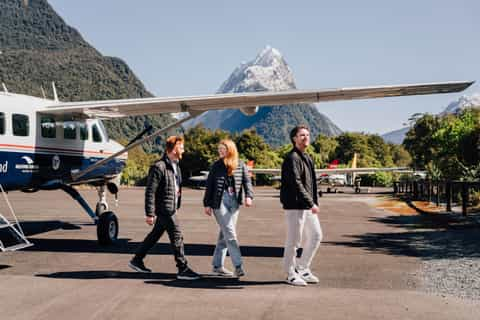 From Queenstown: Milford Sound Full-Day Trip by Plane & BoatView on GetYourGuide
 2-Hour Milford Sound Scenic CruiseView on Viator
 Queenstown: Milford Sound Coach & Cruise Full-Day TripView on GetYourGuide
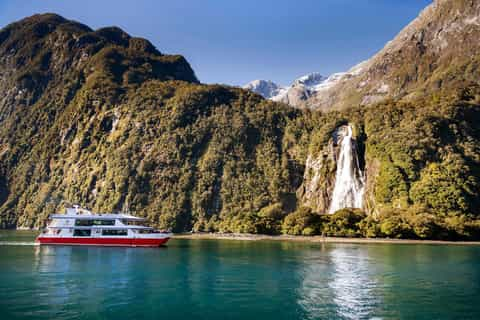 From Queenstown: Milford Sound Cruise & Glass-Roof Coach TourView on GetYourGuide
Prices are reference starting prices; final price on GetYourGuide / Viator
noda attraction index 95
4.8 / 5
How the attraction index works
Each attraction is scored from five verifiable data points, out of 100. This is an editorial index, not a user rating — it reflects how free, how scenic and how well documented a place is, not anyone's personal experience.
| Free bonus | 20 pts | Completely free 20; small fees (parking, gold-coin koha) 10; expensive tickets 0. |
|---|---|---|
| Scenery uniqueness | 25 pts | World Heritage or landmark-level 25, regional 18, local 12 — each listing is explicitly tiered. |
| Things to do | 20 pts | Ranked by the depth of the highlights write-up: full 20, medium 14, brief 10. |
| Information completeness | 20 pts | 15 for having about, best time, cautions and access notes, minus 4 per missing item; plus 5 for two or more official sources. |
| Accessibility | 15 pts | Reachable by car 15, short walk 12, long tramp required 6. |
Things to do nearby · Events
 Christmas in the Mediterranean
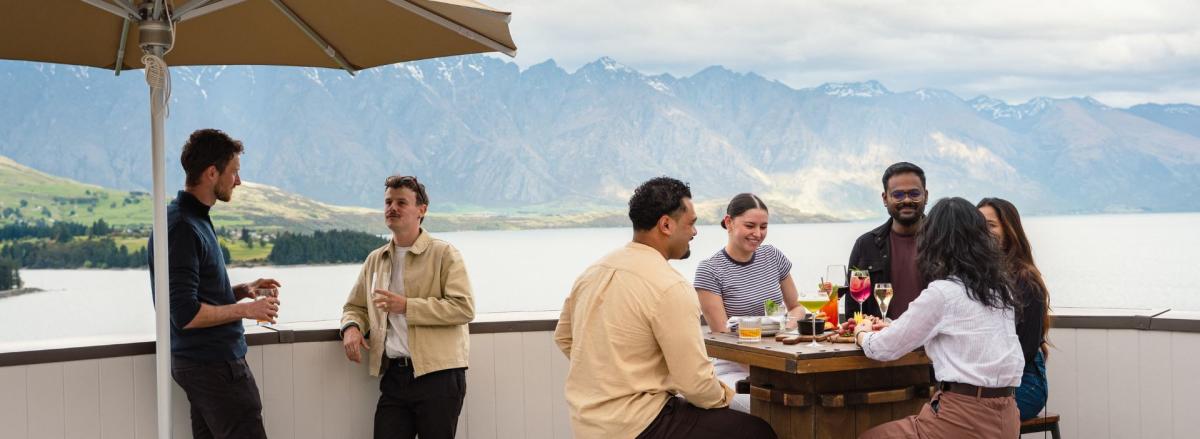 Scapegrace Rooftop
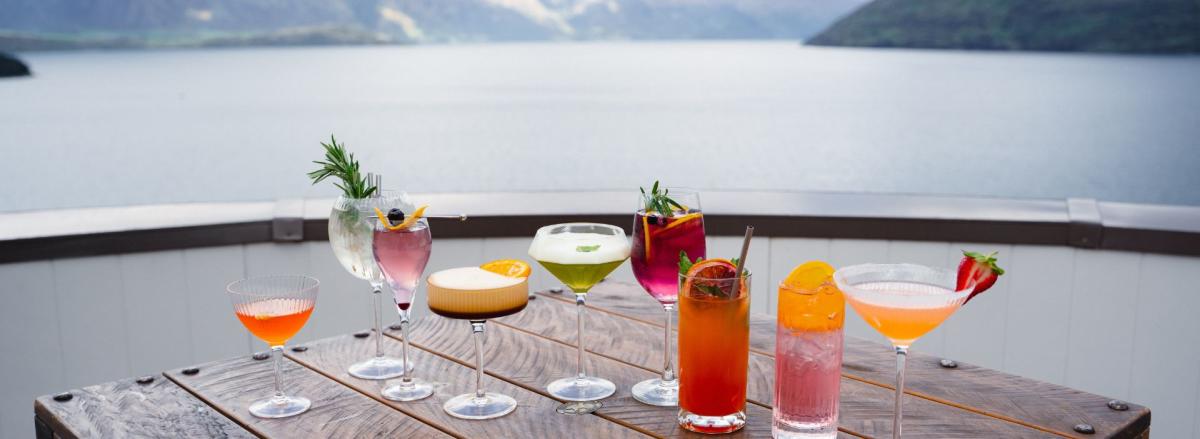 New Year's Eve at Scapegrace Rooftop
- The Playground, Queenstown
 Czechoslovakian Dance Ball Queenstown
 Christmas Dinner at threeSixty
 FREE Webinar | A Better Future for NZ Communities
 Ngā Waka Whiria: Hauora and Leadership in Construction