Tongaporutu Three Sisters
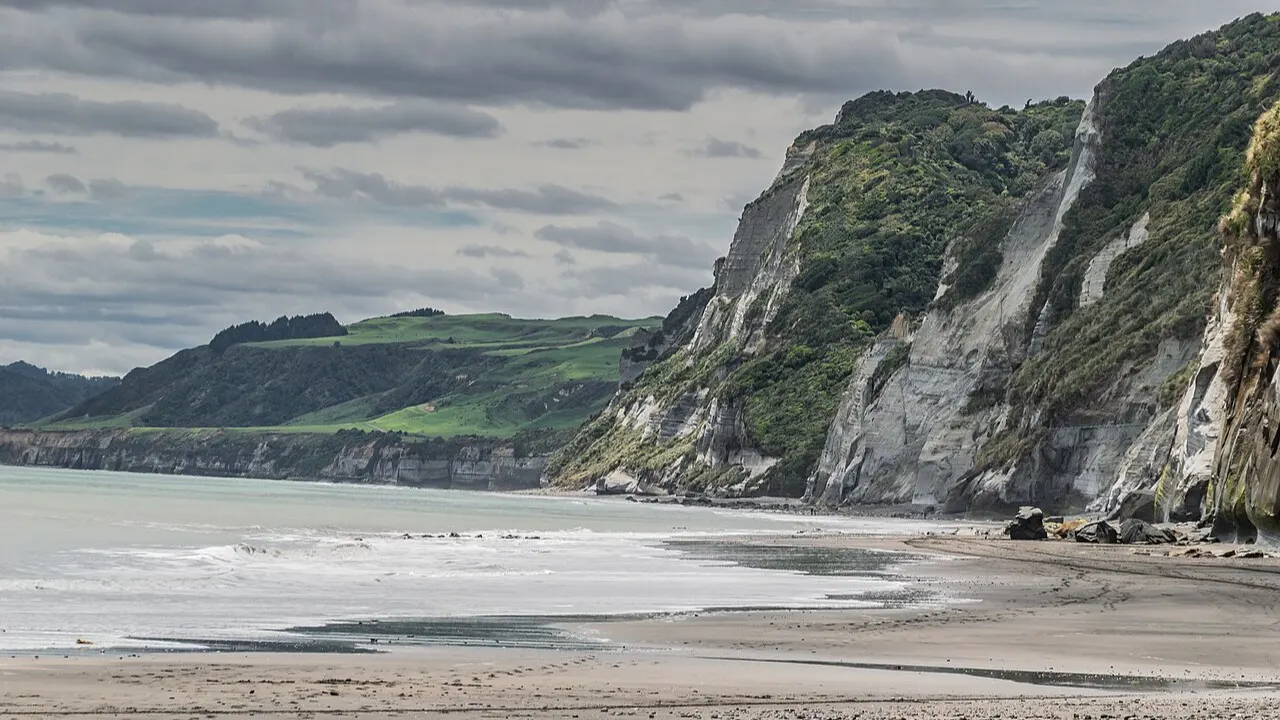

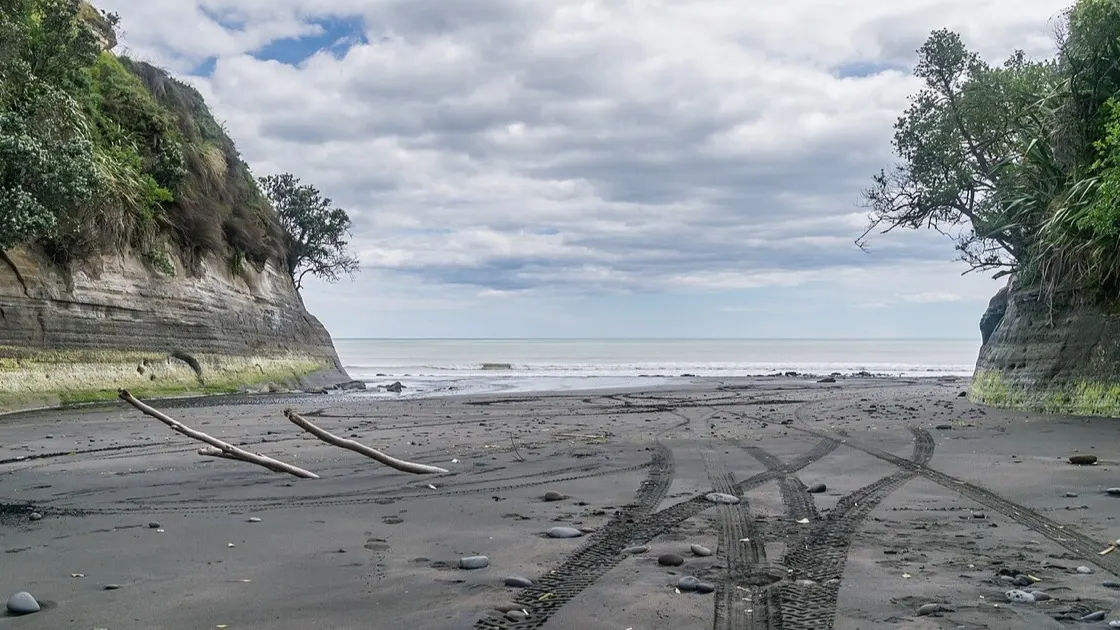
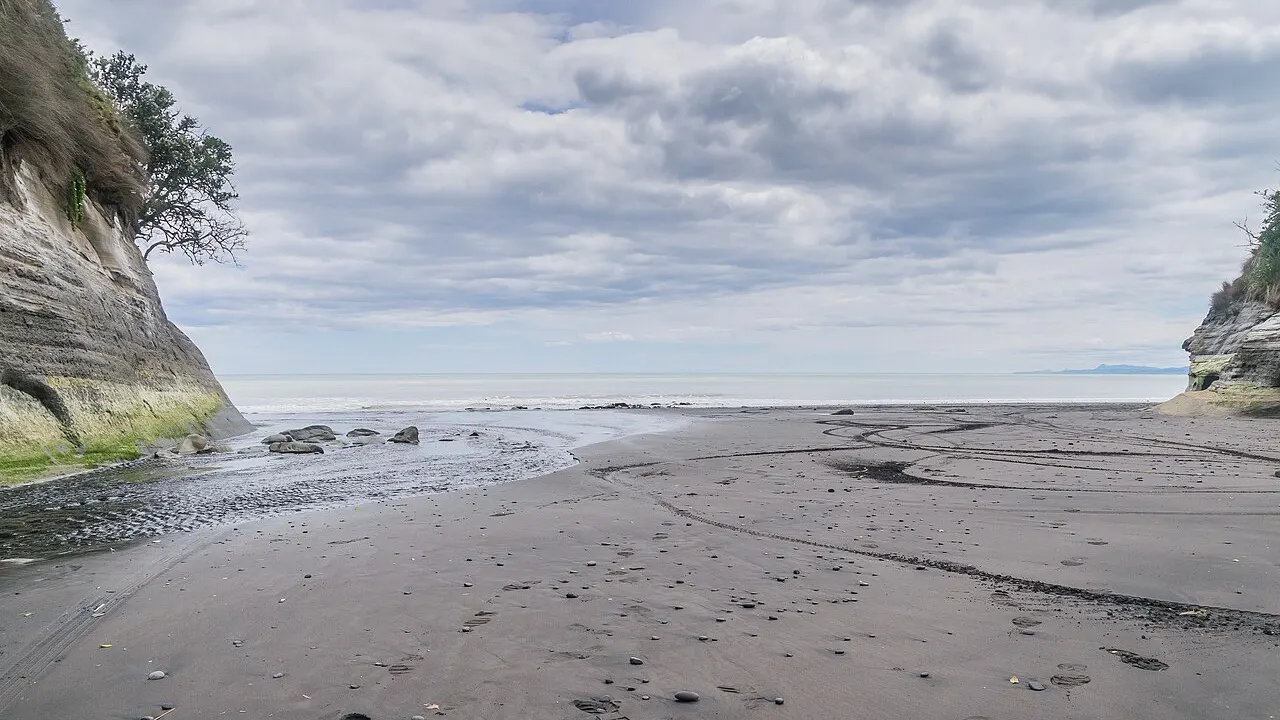
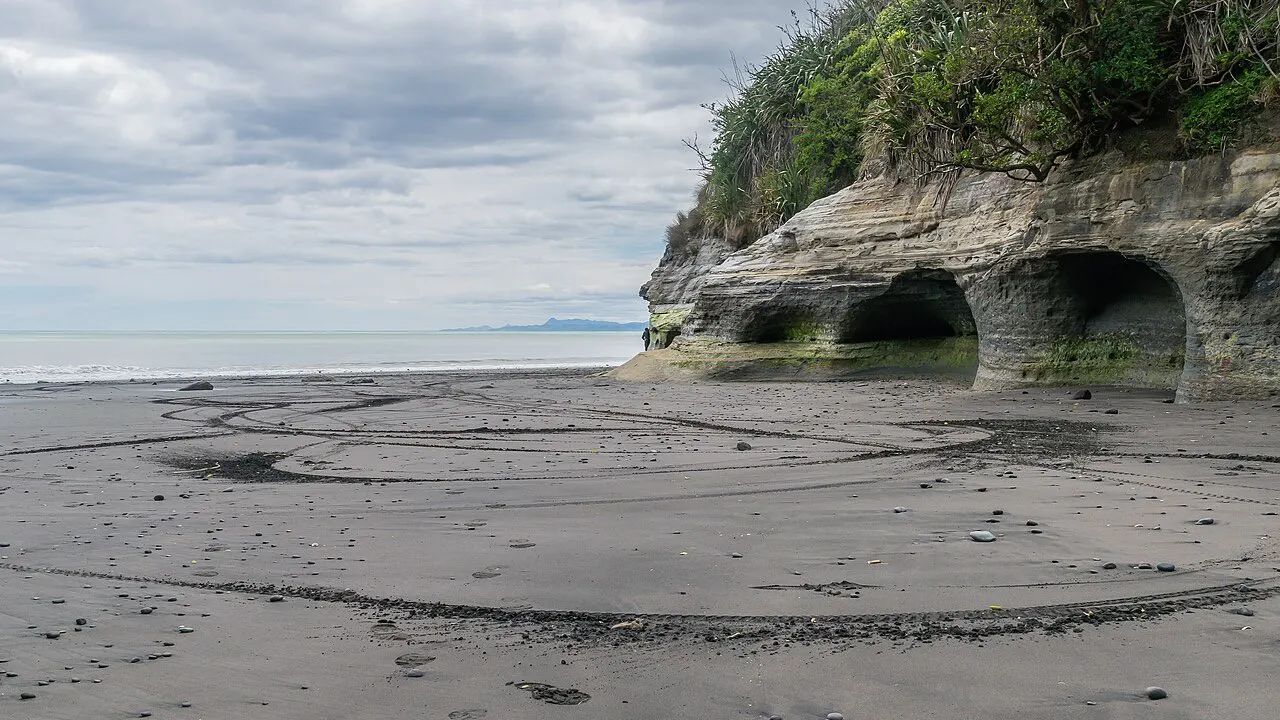
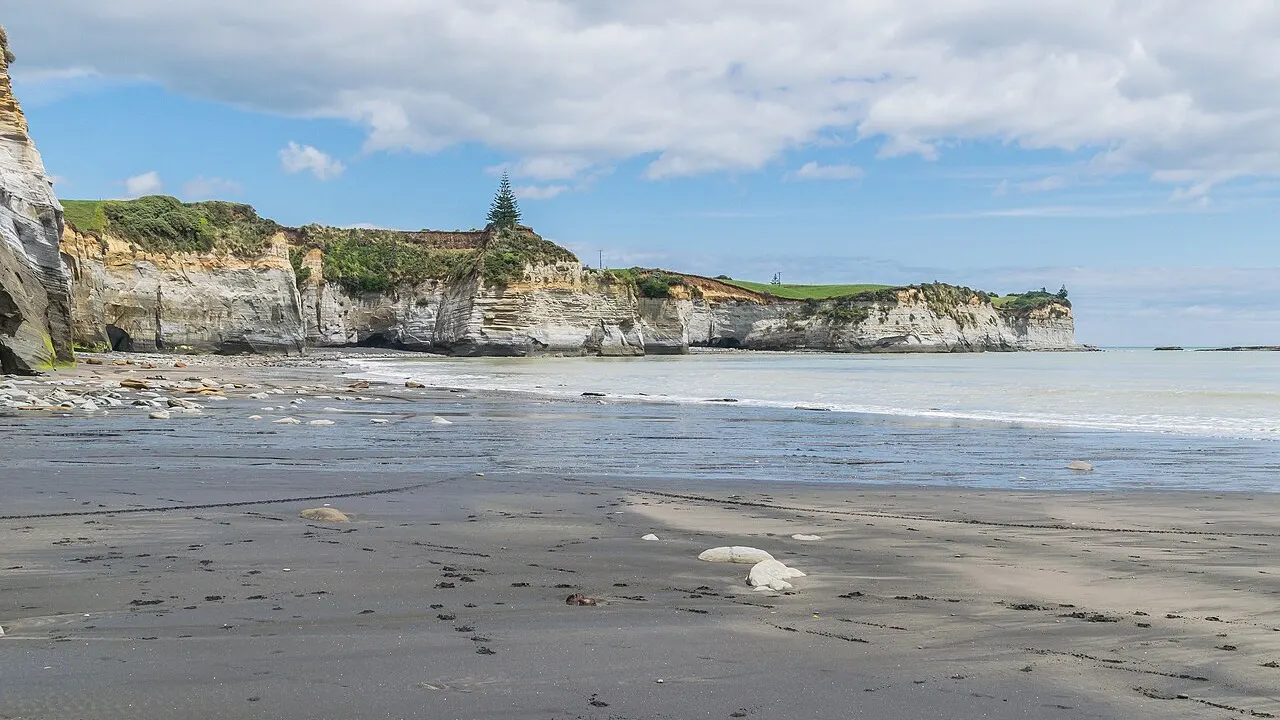

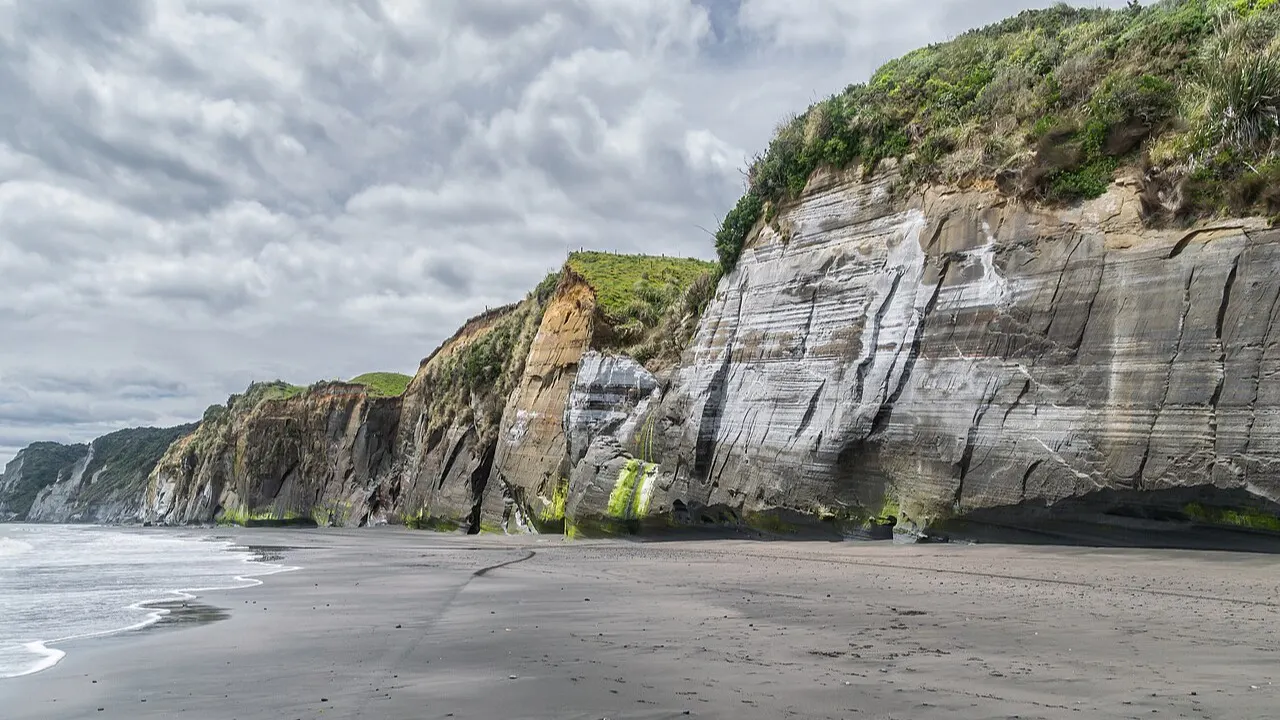
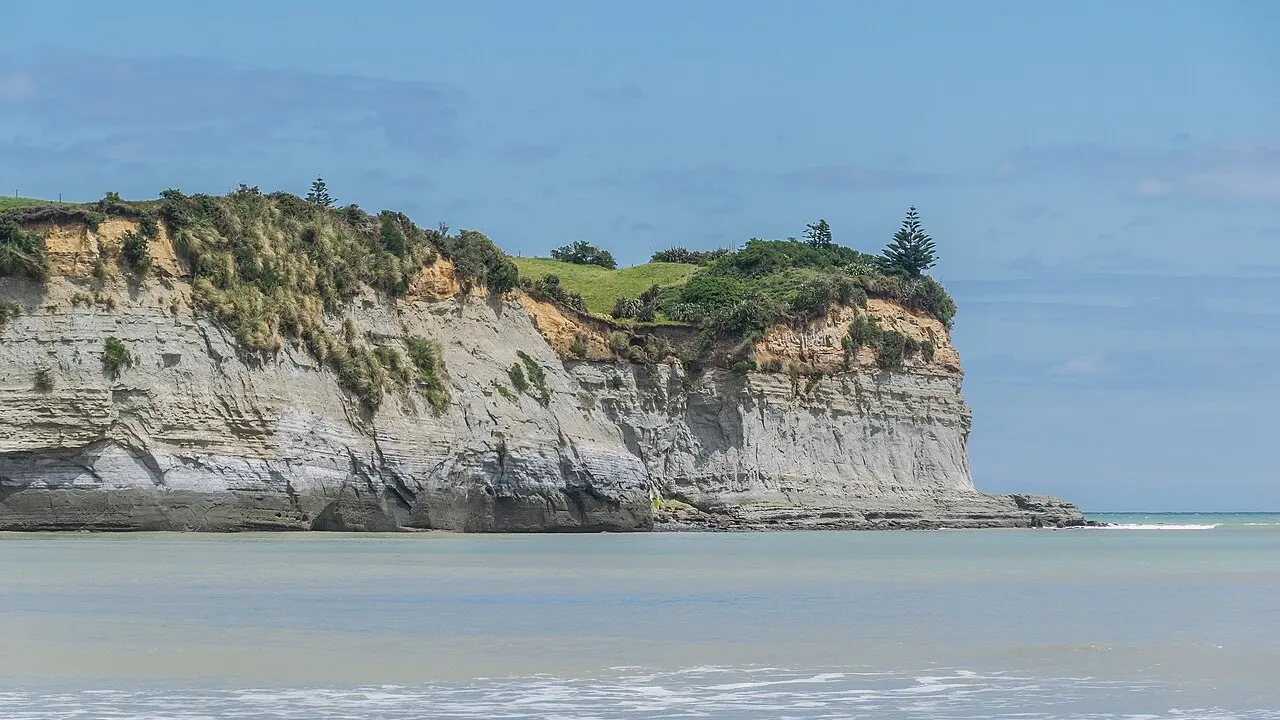
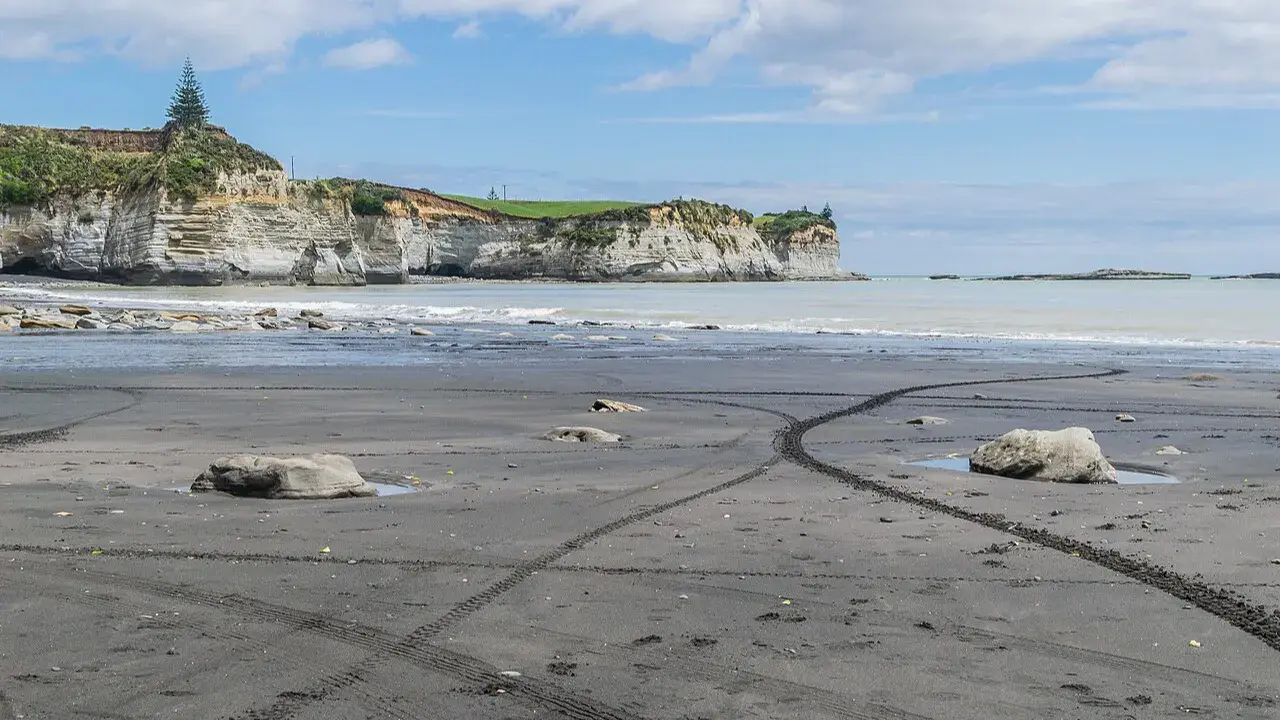
Photo credits: Krzysztof Golik (CC BY-SA 4.0)
Getting there
Tongaporutu Three Sisters sits at the mouth of the Tongaporutu River on the North Taranaki coast, reached via the coast road between the White Cliffs and the Mokau River area. Access is on foot along the beach, and the crossing is governed entirely by the tide.
Things to do nearby
The main attraction is the rock-sculpture shoreline itself. The trip only opens up in the few hours around low tide, when the river mouth can be walked across; at other times the sea or the river bars the way. Visitors should time their visit carefully and check tide tables before setting out.
Highlights
Three slender sea stacks, known as the Three Sisters, stand beside the famous Elephant Rock. Banded clay cliffs have been carved by the tide into fluted grooves and mushroom-like forms, making this one of New Zealand's most striking stretches of natural sculpture.
History & culture
This coast erodes extremely fast — within living memory, parts of the sea stacks have broken off and collapsed. The names Three Sisters and Elephant Rock are established local landmarks, and the shoreline's constant change gives each visit the feel of watching landforms in the making.
Booking & rules
There are no stated fees or booking requirements; the key rule is the tide. The beach is effectively open only in the window before and after low tide when the river mouth is passable on foot, so plan the visit around tide times and never attempt the crossing when water covers the way.
About this attraction
Where the Tongaporutu River meets the sea, the coast dissolves into sculpture: three slender stacks known as the Three Sisters, the celebrated Elephant Rock beside them, and cliffs of banded clay carved into flutes and mushroom forms by every tide. The beach is only properly accessible around low tide, when the river mouth can be walked and the formations open up. The coast here erodes fast — stacks have split and fallen within living memory — which is exactly what makes a visit feel like catching a landscape in motion.
Highlights
Cross the river mouth at low tide, walk out to the base of the sea stacks, and photograph Elephant Rock against the carved clay cliffs on the walk back out — watch the clock.
Cautions
Tide-critical: the river mouth and rock bases flood quickly on the rise — check tide tables, keep an exit route, and never linger beneath the eroding cliffs.
Getting there
Drive SH3 then Clifton Road to the small car park, then walk the beach to the river mouth (shoes for pebbles and soft mud); no public transport.
noda attraction index 82
4.1 / 5
How the attraction index works
Each attraction is scored from five verifiable data points, out of 100. This is an editorial index, not a user rating — it reflects how free, how scenic and how well documented a place is, not anyone's personal experience.
| Free bonus | 20 pts | Completely free 20; small fees (parking, gold-coin koha) 10; expensive tickets 0. |
|---|---|---|
| Scenery uniqueness | 25 pts | World Heritage or landmark-level 25, regional 18, local 12 — each listing is explicitly tiered. |
| Things to do | 20 pts | Ranked by the depth of the highlights write-up: full 20, medium 14, brief 10. |
| Information completeness | 20 pts | 15 for having about, best time, cautions and access notes, minus 4 per missing item; plus 5 for two or more official sources. |
| Accessibility | 15 pts | Reachable by car 15, short walk 12, long tramp required 6. |