Napier Art Deco City & Marine Parade
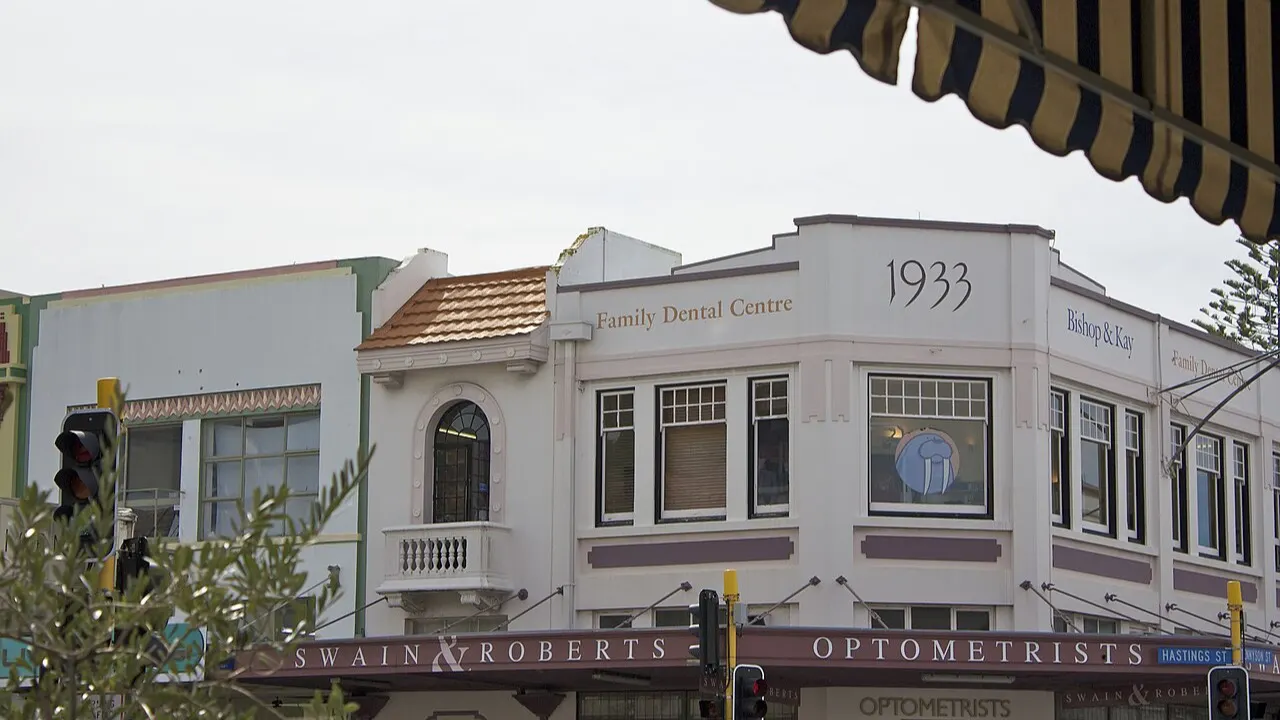
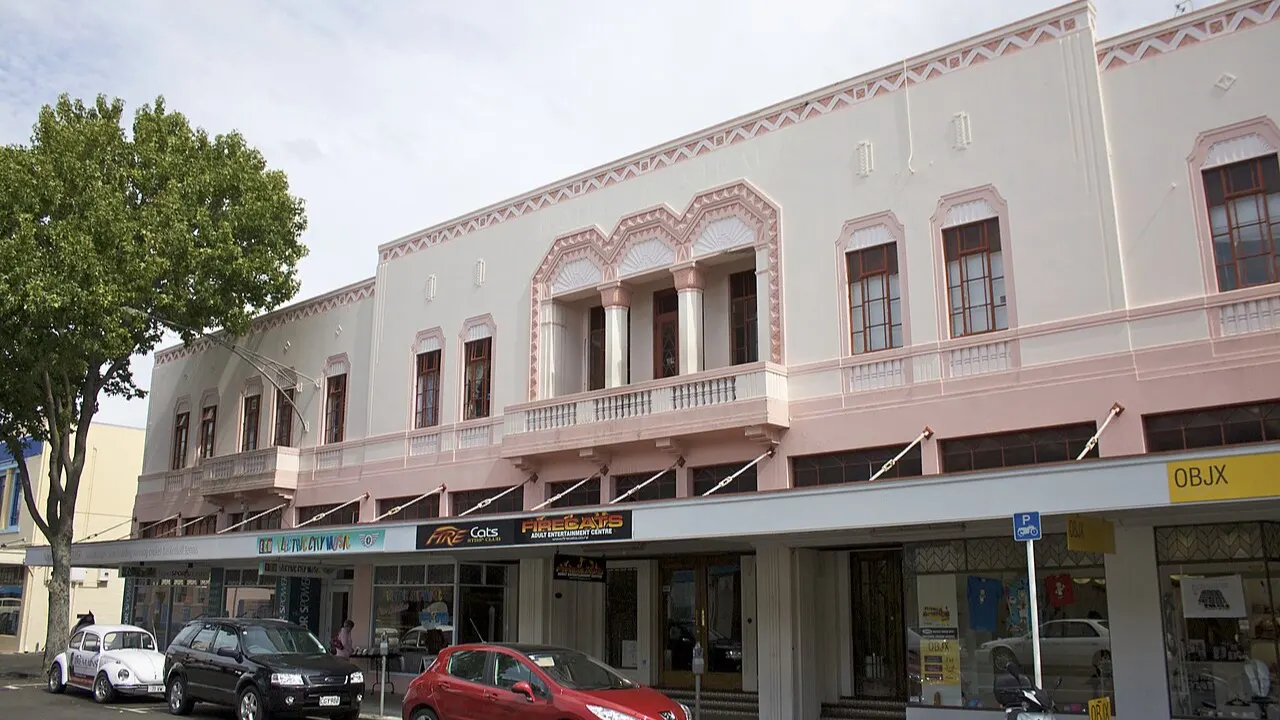
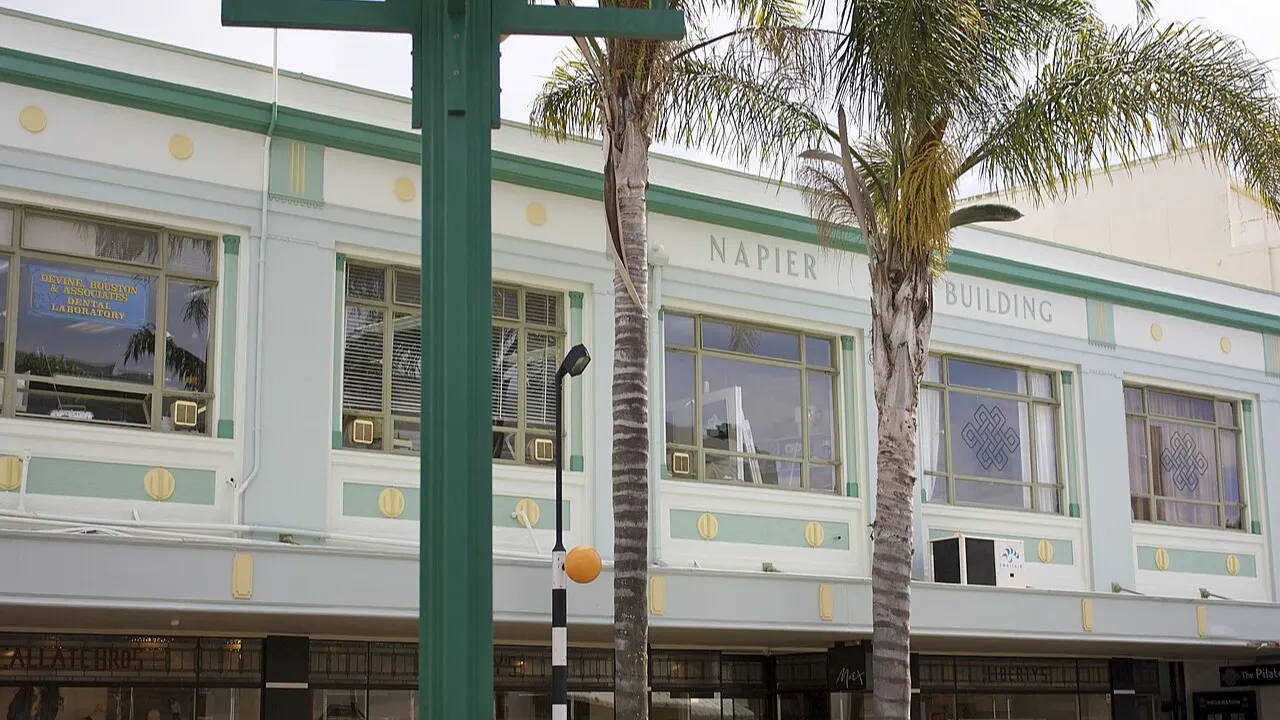
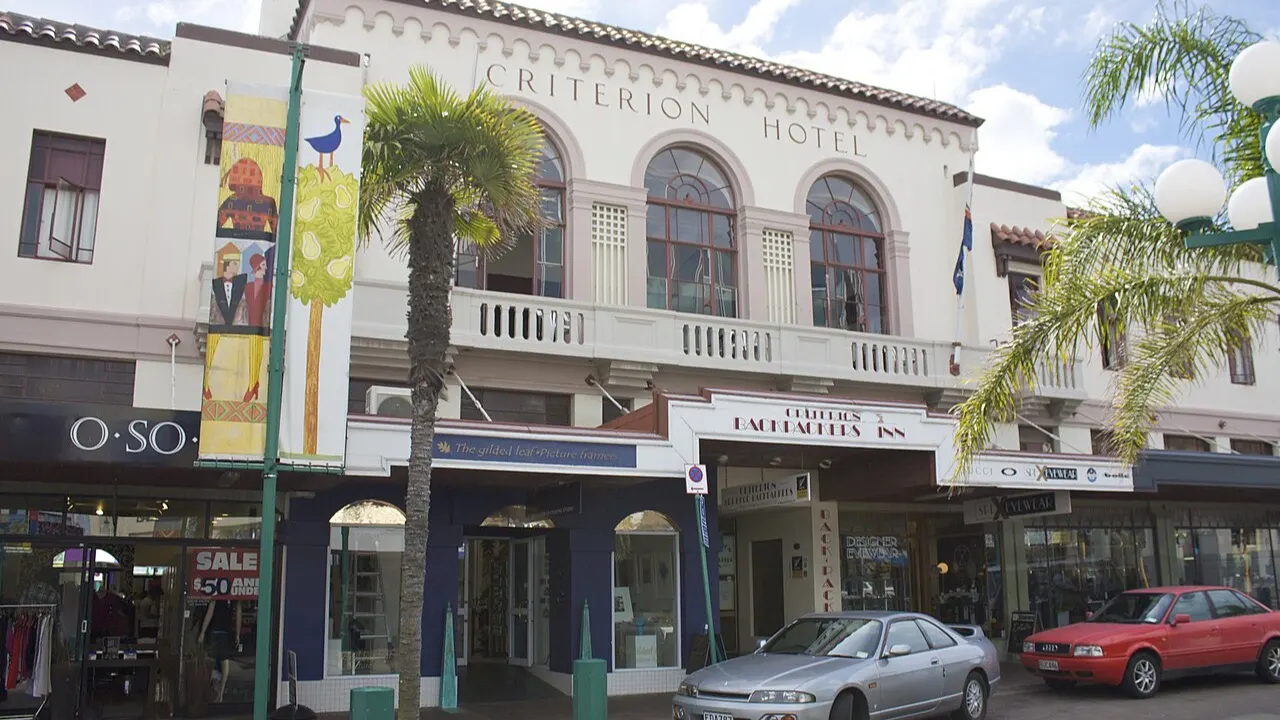
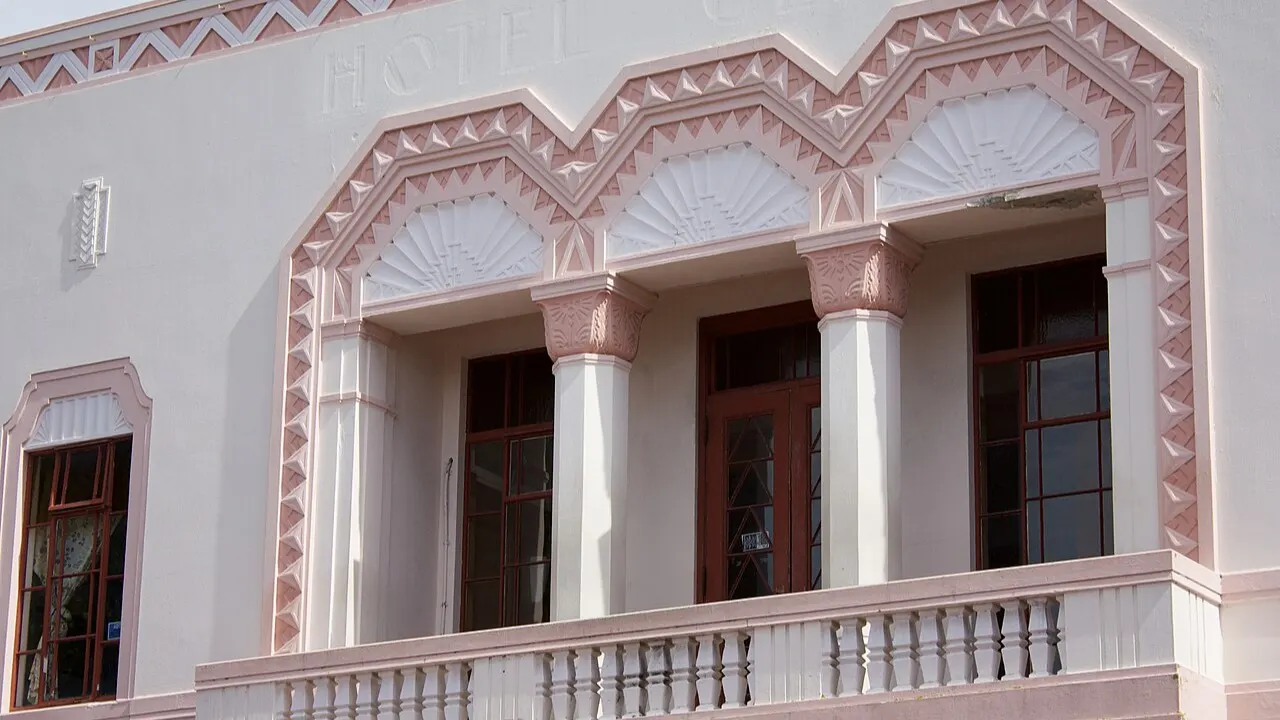
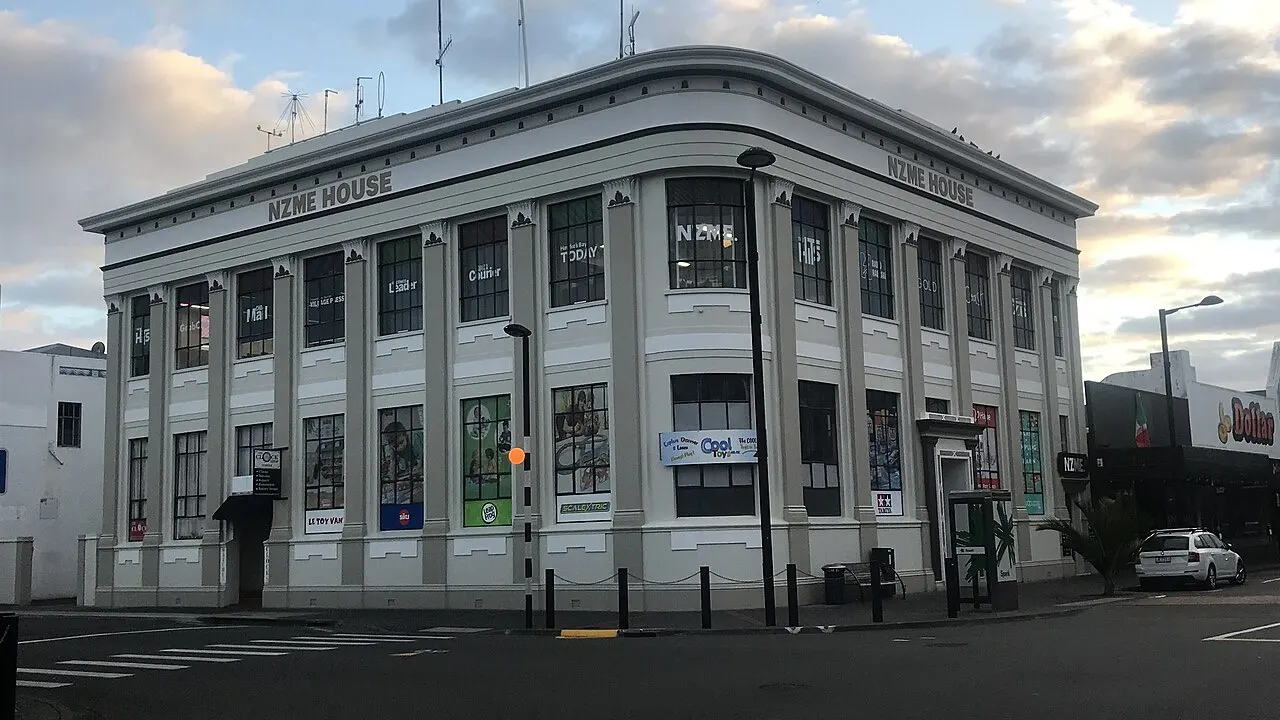
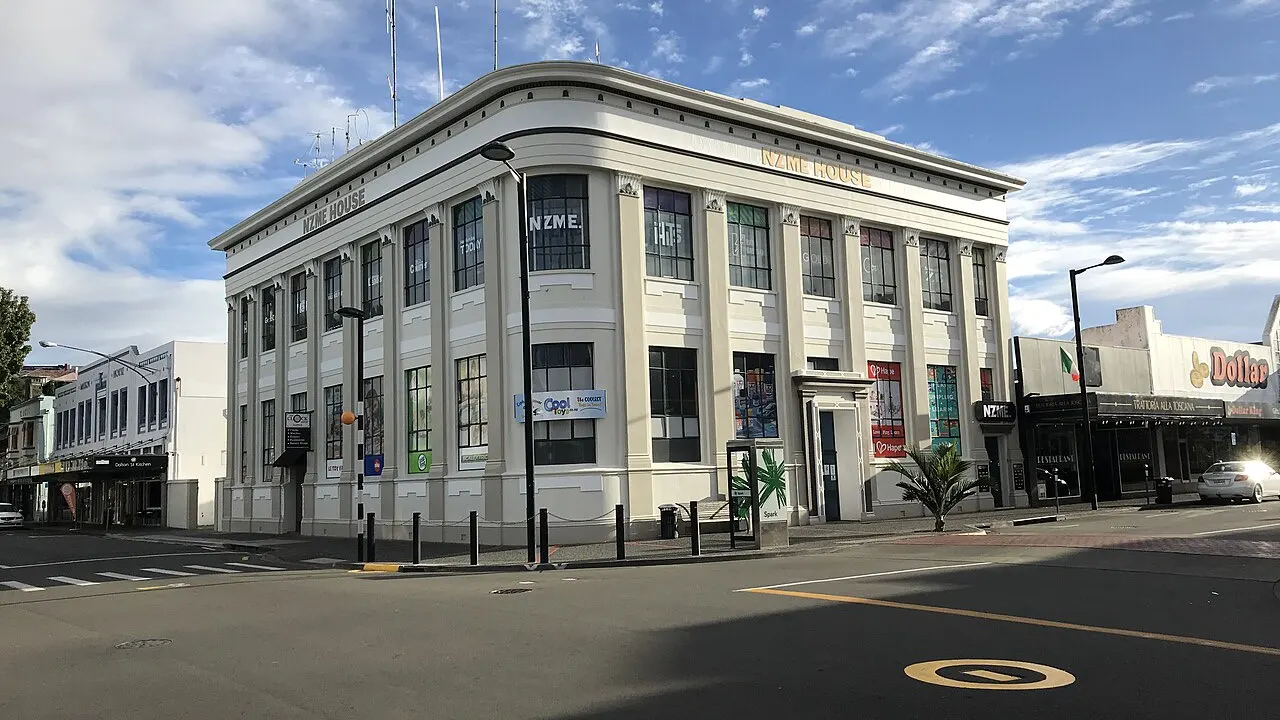
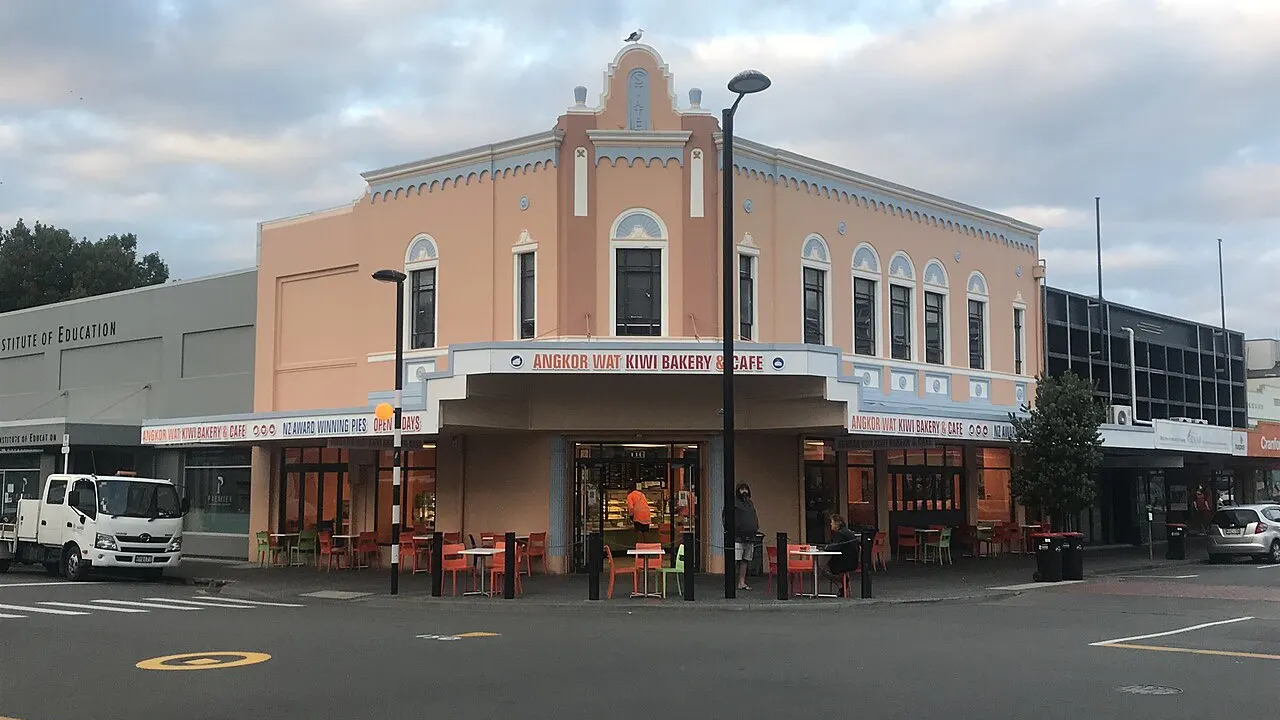
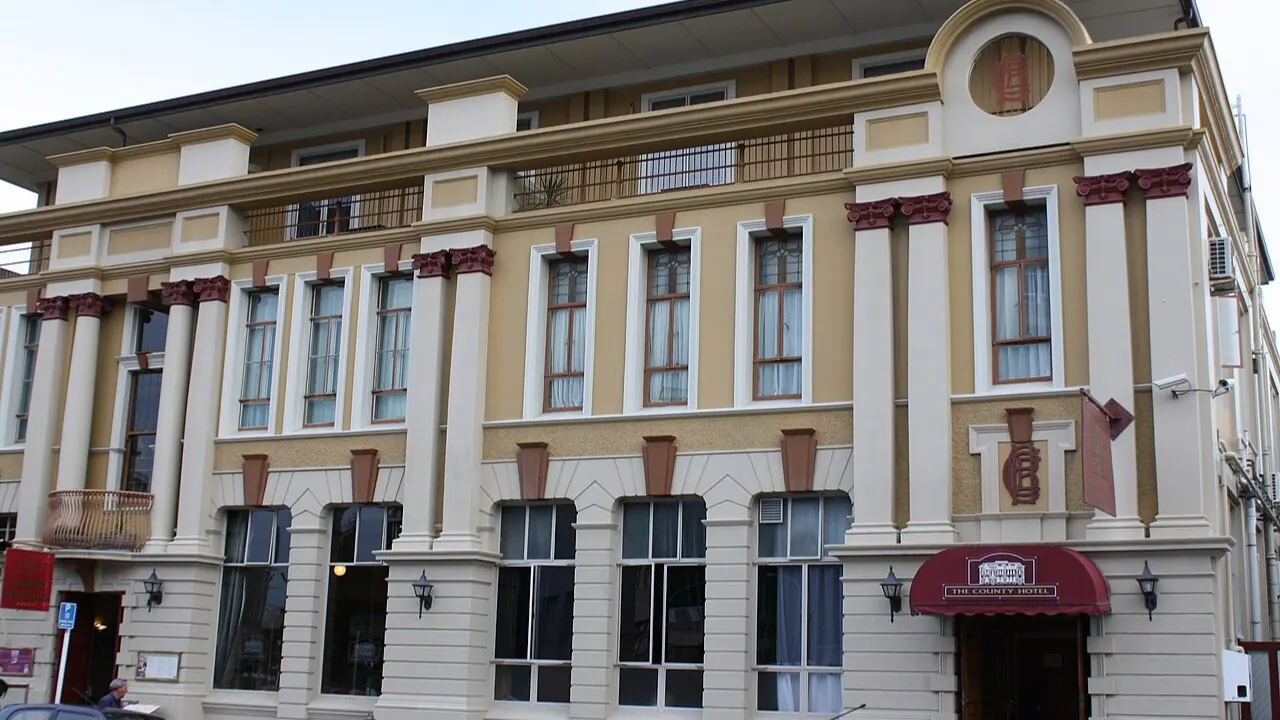
Photo credits: Russell James Smith from Auckland, New Zealand (CC BY 2.0); Jakob (TheLoyalOrder) (CC BY-SA 4.0); Schwede66 (CC BY-SA 4.0); anne beaumont from australia (CC BY-SA 2.0)
Getting there
Napier is a port city of about 66,400 people on the southeastern edge of Hawke Bay, on the east coast of the North Island. It sits on Napier Hill and the surrounding Heretaunga Plains, and its coastal position was reshaped by the 1931 earthquake, which lifted thousands of hectares of seabed above sea level. Hastings lies about 18 km to the south; the two are often called the Twin Cities of New Zealand. The city has a seaport, a sunny climate, and a famously palm-lined esplanade.
Things to do nearby
Marine Parade strings the shoreline together: lawns, the 1935 Sound Shell, the Tom Parker Fountain, the National Aquarium and hot pools, and the much-photographed Pania of the Reef statue. The Art Deco Trust runs guided walking tours and vintage car tours through the compact CBD streets, where colourful facades, ziggurat cornices and porthole windows line up block after block. Each February thousands come for the Art Deco Festival; the region also hosts F.A.W.C! food and wine events and the Mission Estate Concert at Taradale.
Highlights
Napier holds the densest concentration of 1930s Art Deco architecture in the world, alongside Spanish Mission buildings, all rebuilt in one campaign after the 1931 earthquake flattened the town. Together with South Beach, Miami, it is considered one of the two best-preserved Art Deco towns anywhere. The fountain lit up at dusk and the glowing T&G building dome are evening highlights; the city has even been nominated as a UNESCO World Heritage Site, the first cultural nomination in New Zealand.
History & culture
The land belongs to the rohe of Ngāti Kahungunu, one of the country's largest iwi; the town's Māori name is Ahuriri, and Chief Te Ahuriri cut a channel from the lagoon to the sea. Captain Cook sighted the coast in 1769, the Crown bought the Ahuriri block in 1851, and Alfred Domett laid out the town, naming it for Sir Charles Napier and its streets after British India. On 3 February 1931 an earthquake and fires killed 256 people and levelled the centre, which was rebuilt in the Art Deco style; uplift of up to 2.7 m created much of today's land.
Booking & rules
The city streets and Marine Parade are public and open at all times. The Art Deco Trust operates guided walking tours and vintage car tours year-round, with the major annual draw being the Art Deco Festival every February, when accommodation books out early. Tours can be booked through the Trust; the fountain is illuminated after dark, and the aquarium and hot pools set their own operating hours. No permits or fees apply for exploring the streets and esplanade independently.
About this attraction
When the 1931 earthquake flattened Napier, the town rebuilt itself in one confident stroke of art deco and Spanish Mission style — today the densest concentration of it anywhere. Coloured facades, ziggurat crowns and porthole windows line the compact centre, and the Art Deco Trust keeps the story alive with guided walks and vintage tours. Marine Parade strings the waterfront together: lawns, the soundshell, the Tom Parker fountain and family attractions from the aquarium to the spa pools.
Highlights
Join a guided art deco walk, photograph the coloured facades on Emerson and Tennyson streets, then stroll Marine Parade to the fountain for its evening light show.
Cautions
Summer sun is strong on the open promenade — carry sun protection; festival weeks are busy and tours sell out, so book ahead.
Getting there
The deco quarter is compact and flat, walkable from any central Napier car park; free and paid street parking around the centre.
noda attraction index 85
4.3 / 5
How the attraction index works
Each attraction is scored from five verifiable data points, out of 100. This is an editorial index, not a user rating — it reflects how free, how scenic and how well documented a place is, not anyone's personal experience.
| Free bonus | 20 pts | Completely free 20; small fees (parking, gold-coin koha) 10; expensive tickets 0. |
|---|---|---|
| Scenery uniqueness | 25 pts | World Heritage or landmark-level 25, regional 18, local 12 — each listing is explicitly tiered. |
| Things to do | 20 pts | Ranked by the depth of the highlights write-up: full 20, medium 14, brief 10. |
| Information completeness | 20 pts | 15 for having about, best time, cautions and access notes, minus 4 per missing item; plus 5 for two or more official sources. |
| Accessibility | 15 pts | Reachable by car 15, short walk 12, long tramp required 6. |