Cape Kidnappers
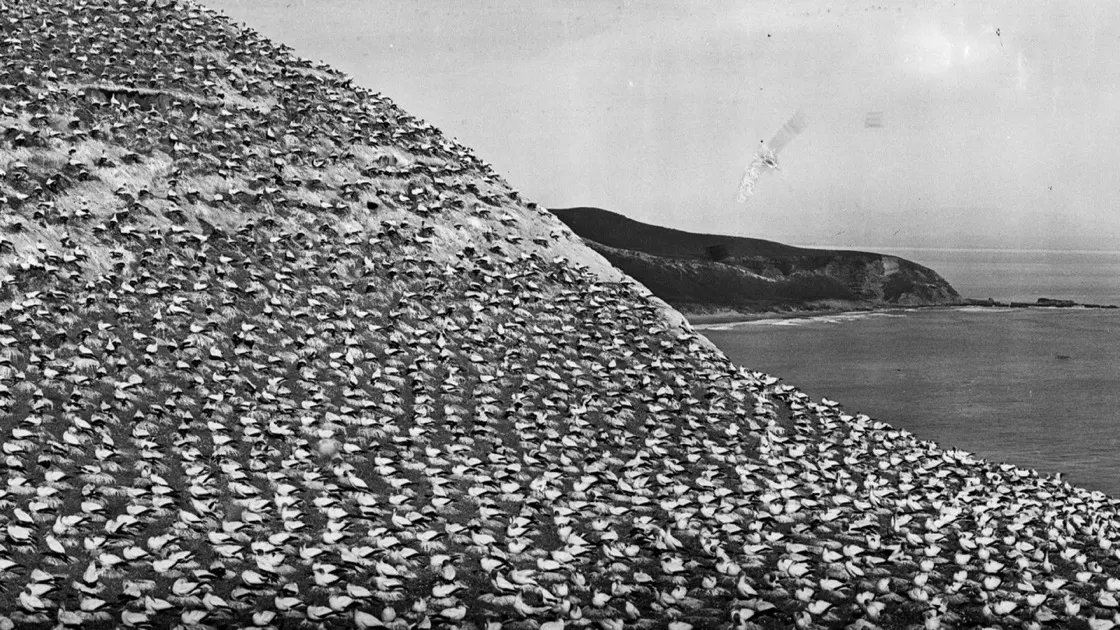
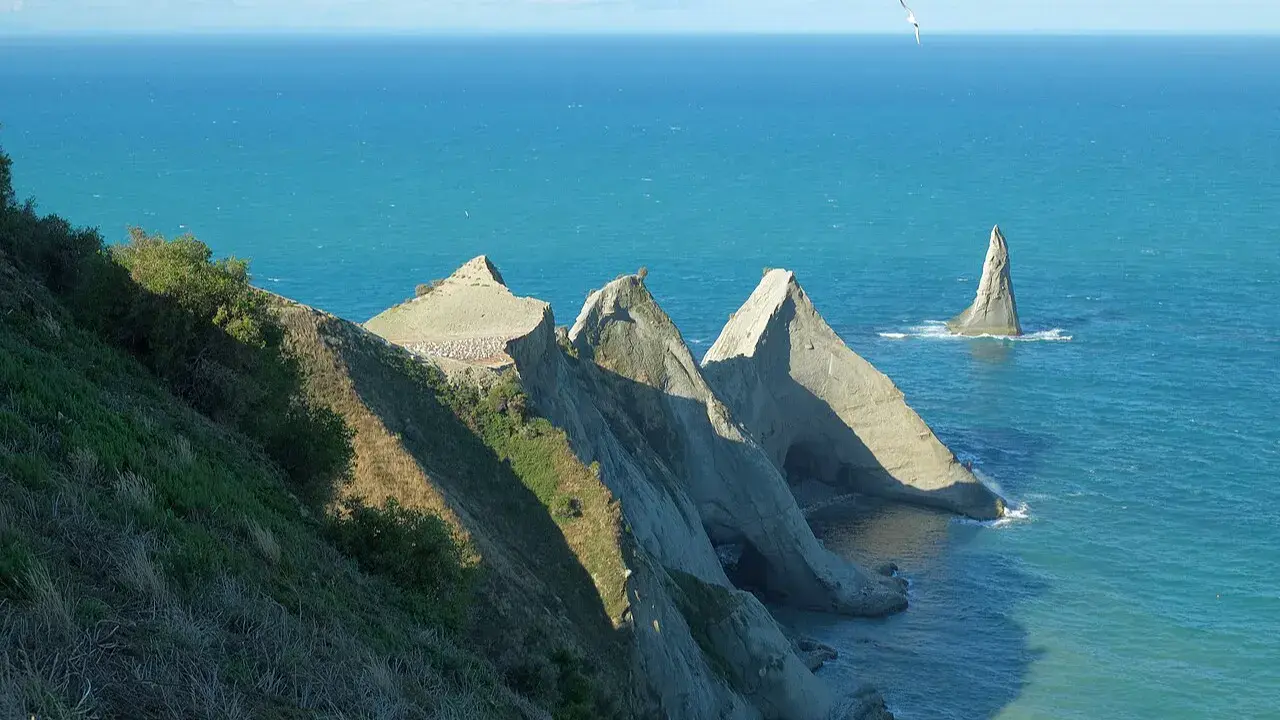
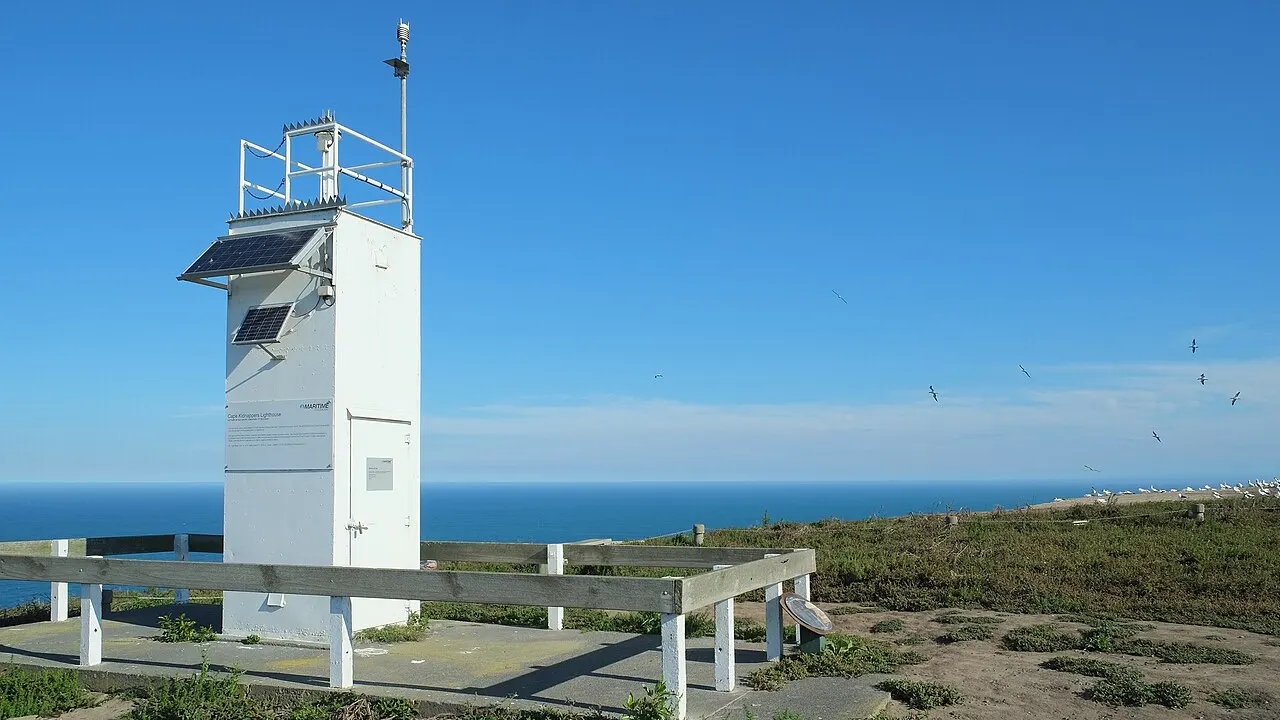
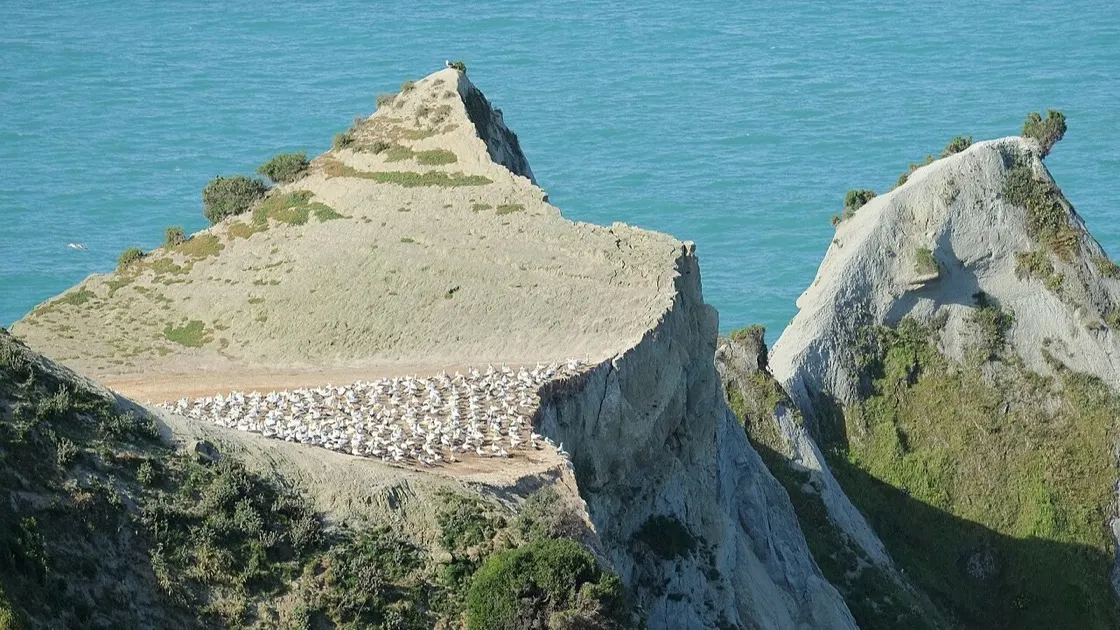
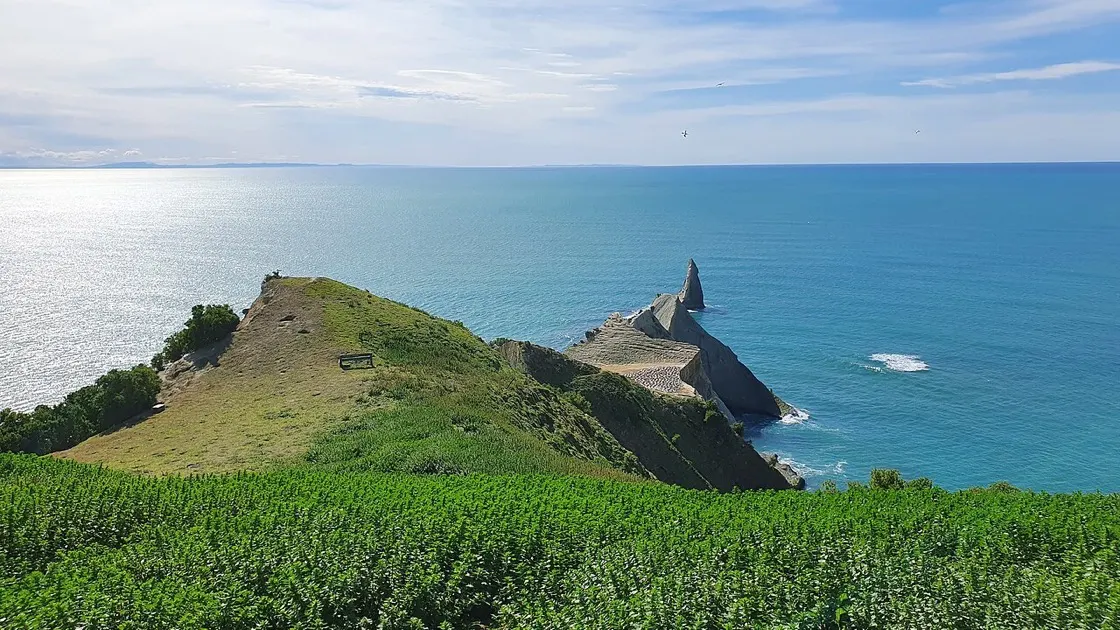
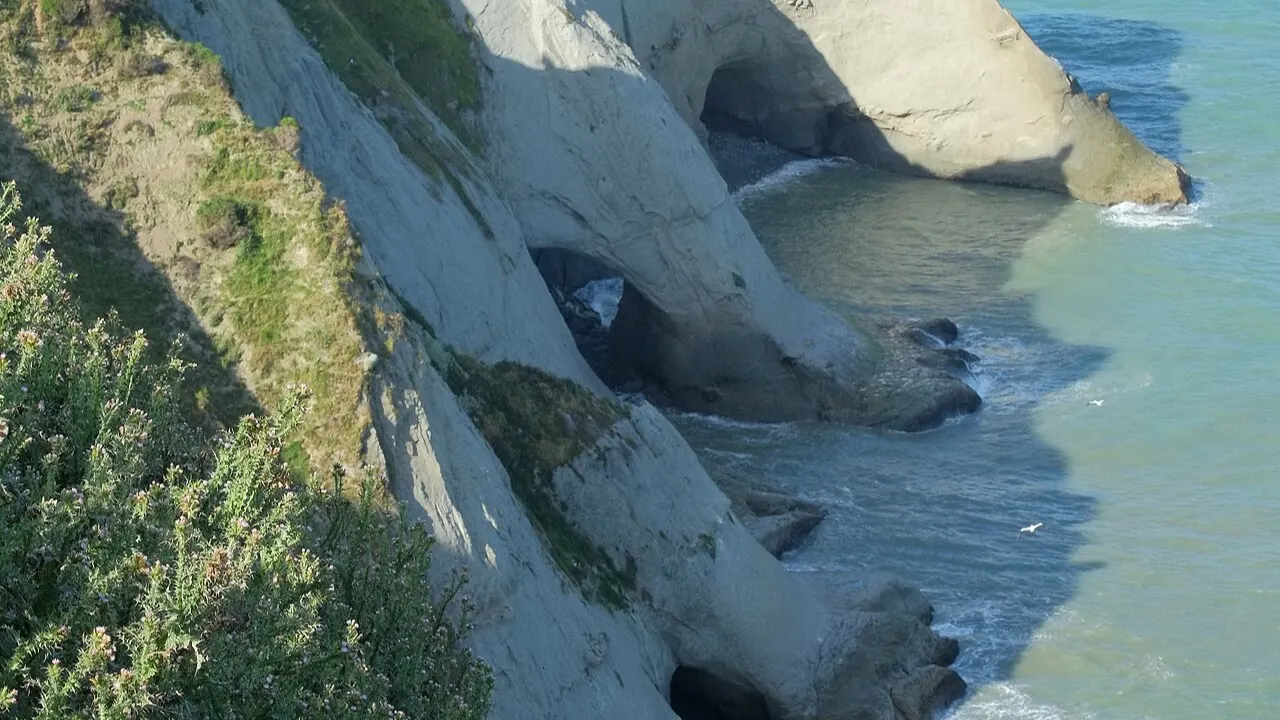
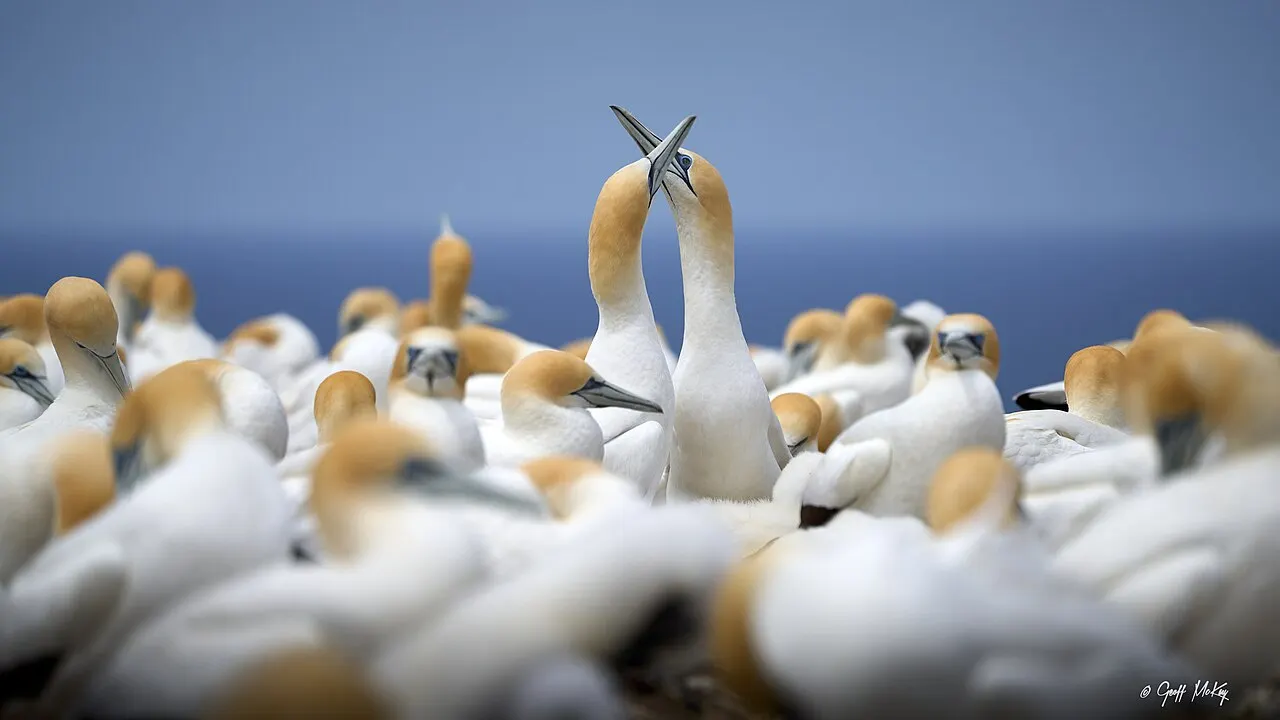
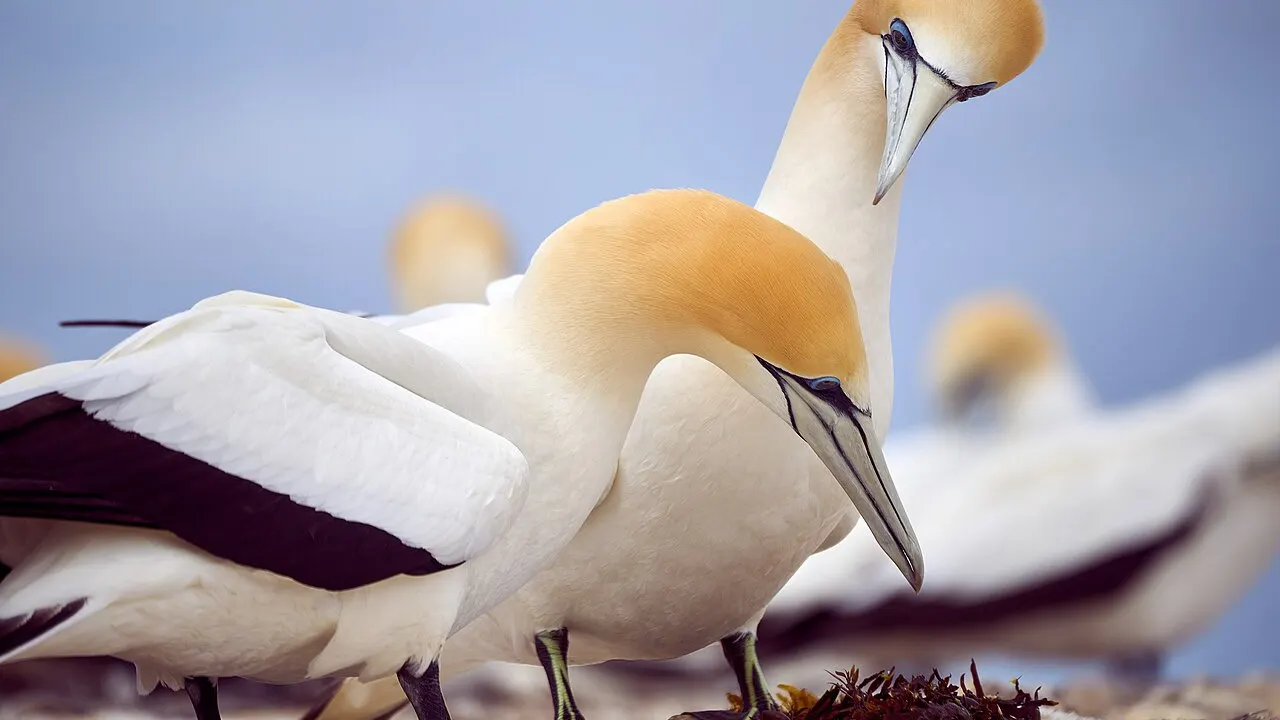
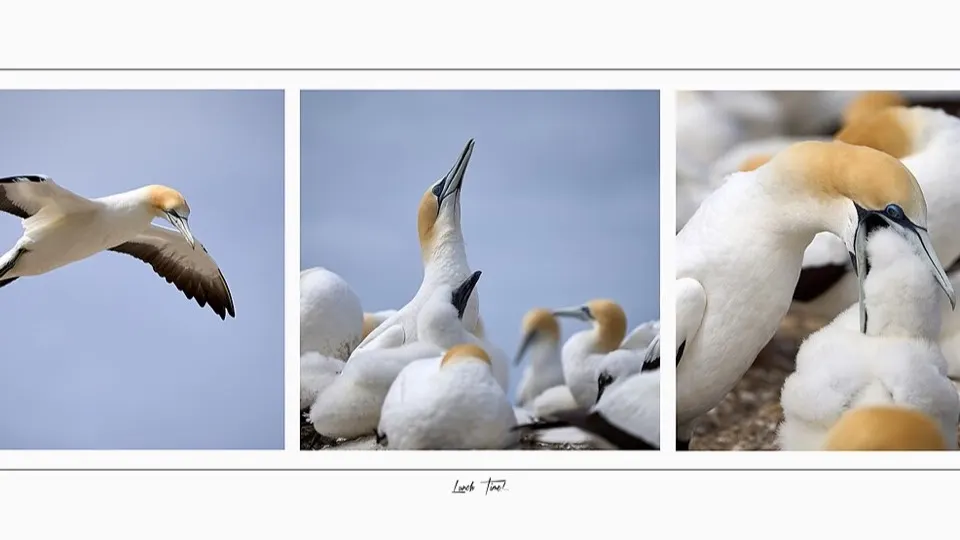
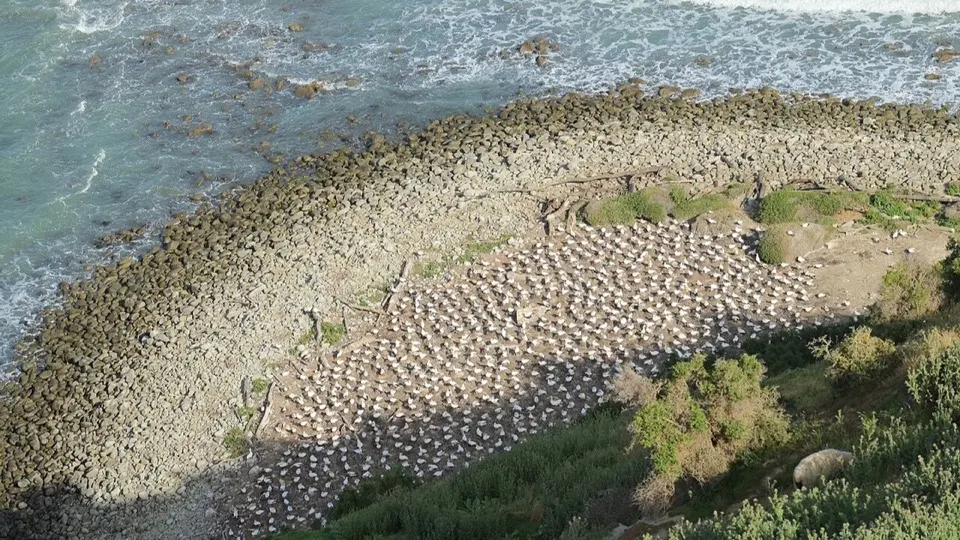
Photo credits: National Library NZ on The Commons (No restrictions); Pseudopanax at English Wikipedia (Public domain); ShakyIsles (CC BY-SA 4.0); Geoff McKay from Palmerston North, New Zealand (CC BY 2.0)
Getting there
Cape Kidnappers / Te Kauwae-a-Māui is a headland at the southern extremity of Hawke Bay on the east coast of New Zealand's North Island, at the end of an 8-kilometre peninsula protruding into the South Pacific Ocean. It lies about 20 km south-east of Napier. Road access ends at the coastal village of Clifton, the usual departure point for visitors heading to the cape.
Things to do nearby
The classic excursion is a coastal walk from Clifton along the beach toward the gannet colony, passing rising farmland and crumbling cliffs. Nearby Te Awanga sits between the coast and the Cape Kidnappers Golf Course, a cliff-top course on the cape's ridge. The surrounding land is a working sheep and cattle farm within the predator-fenced Cape Sanctuary area.
Highlights
The cape hosts over 6,500 breeding pairs of Australasian gannets — the largest and most accessible mainland gannet colony in the world — identified by BirdLife International as an Important Bird Area. Colonies spread across the clifftop plateau, Black Reef, and a shore-level overflow colony. Layered cliffs of sandstone, conglomerate, mudstone, river gravel, pumice and silt rise above the ocean, with Cook's 'steep white cliffs' and haystack-shaped rocks still recognisable.
History & culture
Captain Cook named the cape in 1769 after an incident in which local Māori seized Taiata, a young crew member of the Endeavour, from the ship's side; sailors opened fire, killing two Māori. Ngāti Te Whatuiāpiti recount that rangatira Te Rangikoianake and his son Hawea led a rescue party, believing the boy was a captive Māori — an account acknowledged in the 2015 Heretaunga Tamatea Deed of Settlement. In Māori tradition the cape is Te Kauwae-a-Māui, 'the jawbone/fish hook of Māui', from the legend of the North Island as Māui's great fish; the dual name became official in 2018.
Booking & rules
The gannet nesting season runs from mid-September to mid-December, with chicks remaining until about May before migrating to Australia. The beach walking route is tide-dependent and was closed after a 2019 landslide that injured two tourists; the famous tractor-trailer beach tours, run for over 70 years, closed in 2023, leaving private minibus tours on the inland road as the alternative to walking. A predator-proof fence built in 2007 protects the colony and farmland. Expect mild temperatures, with January daily means around 18°C and July around 10°C.
About this attraction
Cape Kidnappers closes the southern arm of Hawke Bay with sheer cliffs of layered papa rock. On the headland's tiered terraces, thousands of gannets (takapu) pack together each breeding season — the world's largest mainland colony and one of very few. The birds tolerate respectful visitors at arm's length, preening, courting and crash-diving into the bay. The classic approach is the beach walk from Clifton at low tide; tractor-trailer tours suit shorter schedules, and a golf course drapes the cape's spine above the colony.
Highlights
Walk the beach from Clifton at low tide, sit quietly at the colony viewing area to watch courtship and dive-feeding, and scan the water for fur seals on the way back.
Cautions
The beach route is cut off around high tide — check tide tables and time the return carefully. Keep to marked tracks across the working farm, and never approach nesting birds inside the fences.
Getting there
Drive to the Clifton car park about 20 minutes from Napier or Hastings, then walk the beach at low tide (roughly four hours return) or join a tractor tour.
noda attraction index 88
4.4 / 5
How the attraction index works
Each attraction is scored from five verifiable data points, out of 100. This is an editorial index, not a user rating — it reflects how free, how scenic and how well documented a place is, not anyone's personal experience.
| Free bonus | 20 pts | Completely free 20; small fees (parking, gold-coin koha) 10; expensive tickets 0. |
|---|---|---|
| Scenery uniqueness | 25 pts | World Heritage or landmark-level 25, regional 18, local 12 — each listing is explicitly tiered. |
| Things to do | 20 pts | Ranked by the depth of the highlights write-up: full 20, medium 14, brief 10. |
| Information completeness | 20 pts | 15 for having about, best time, cautions and access notes, minus 4 per missing item; plus 5 for two or more official sources. |
| Accessibility | 15 pts | Reachable by car 15, short walk 12, long tramp required 6. |