Lake Manapouri
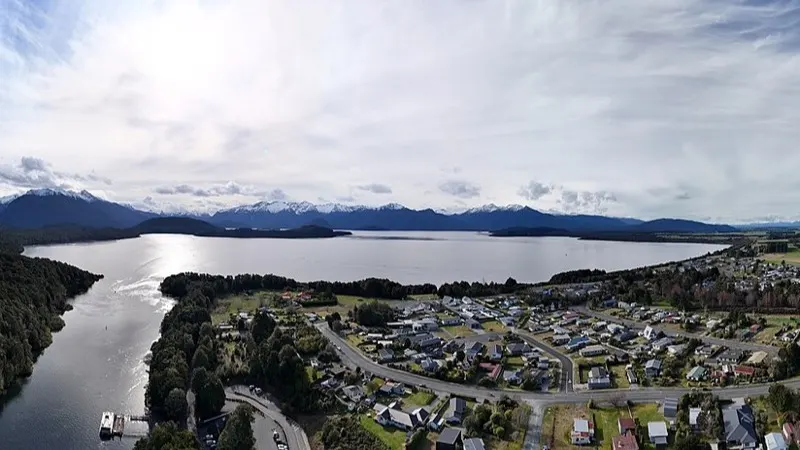
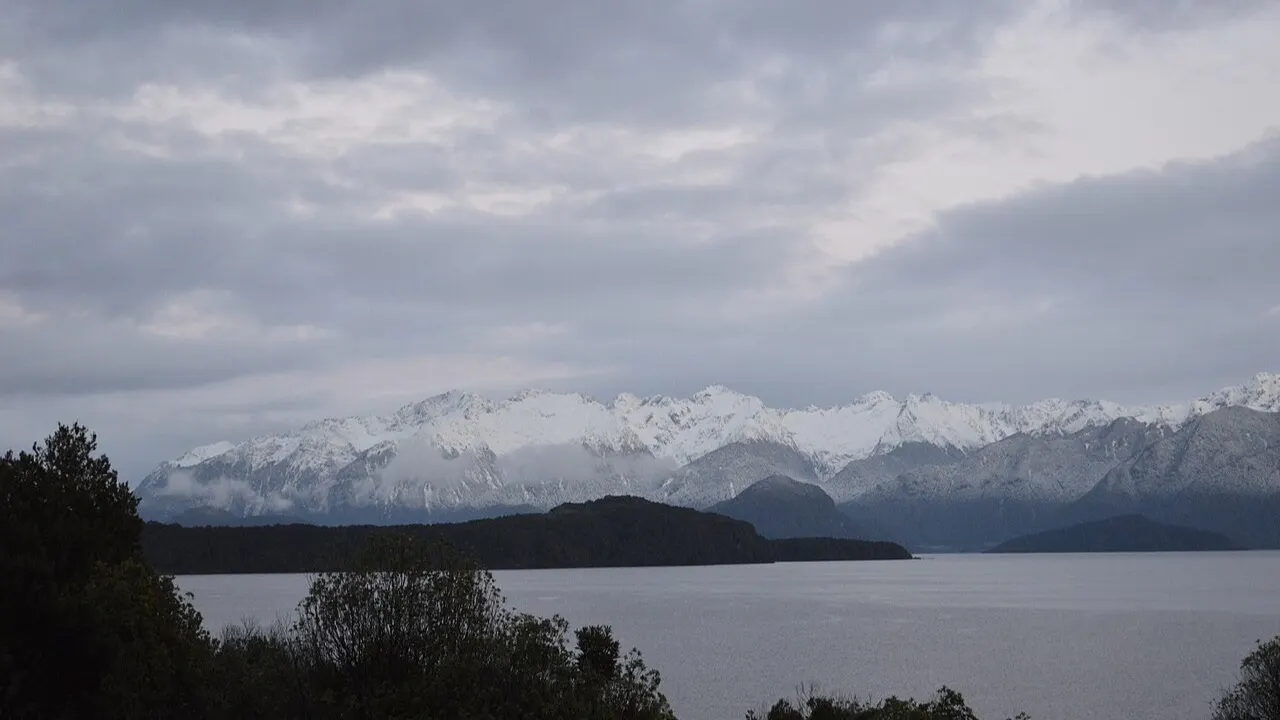
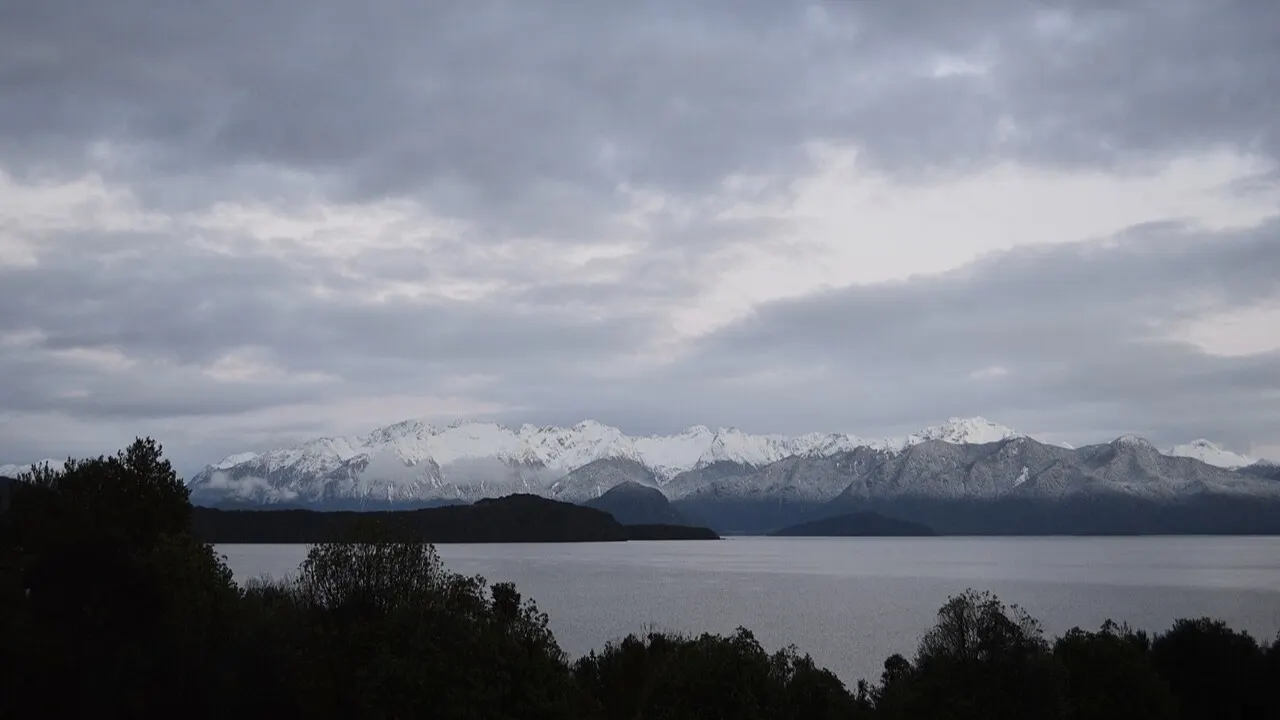
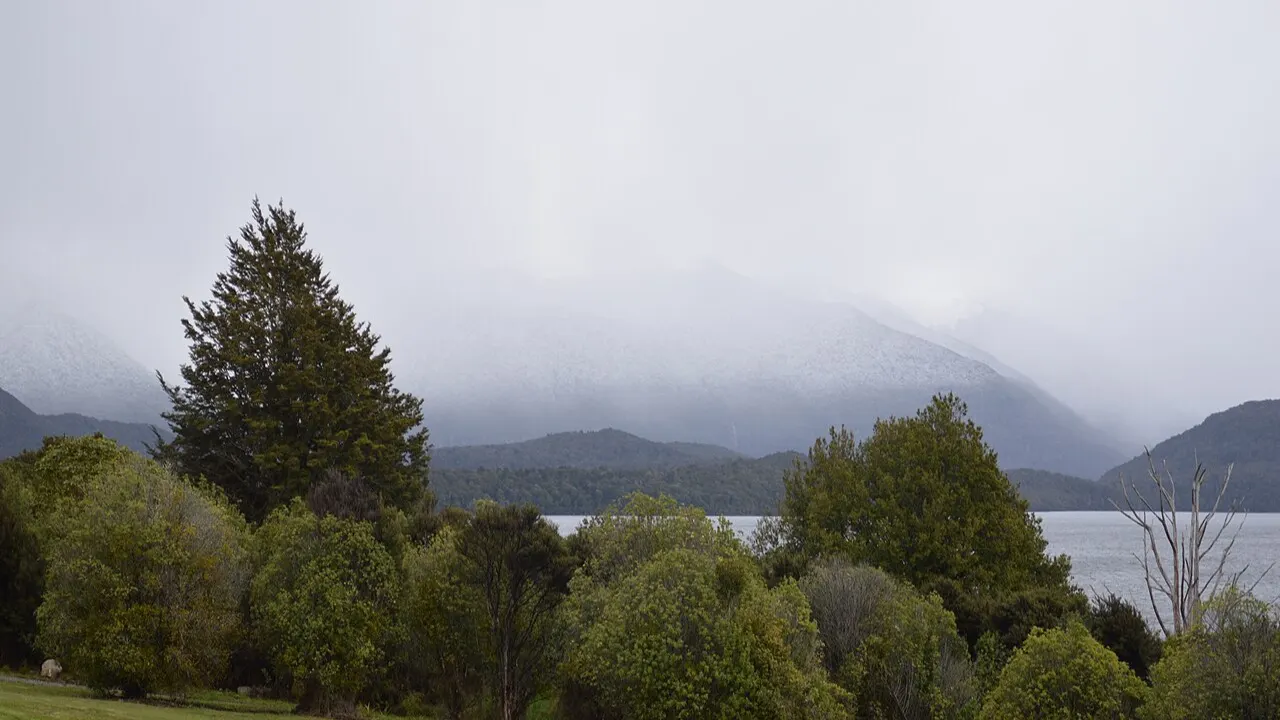
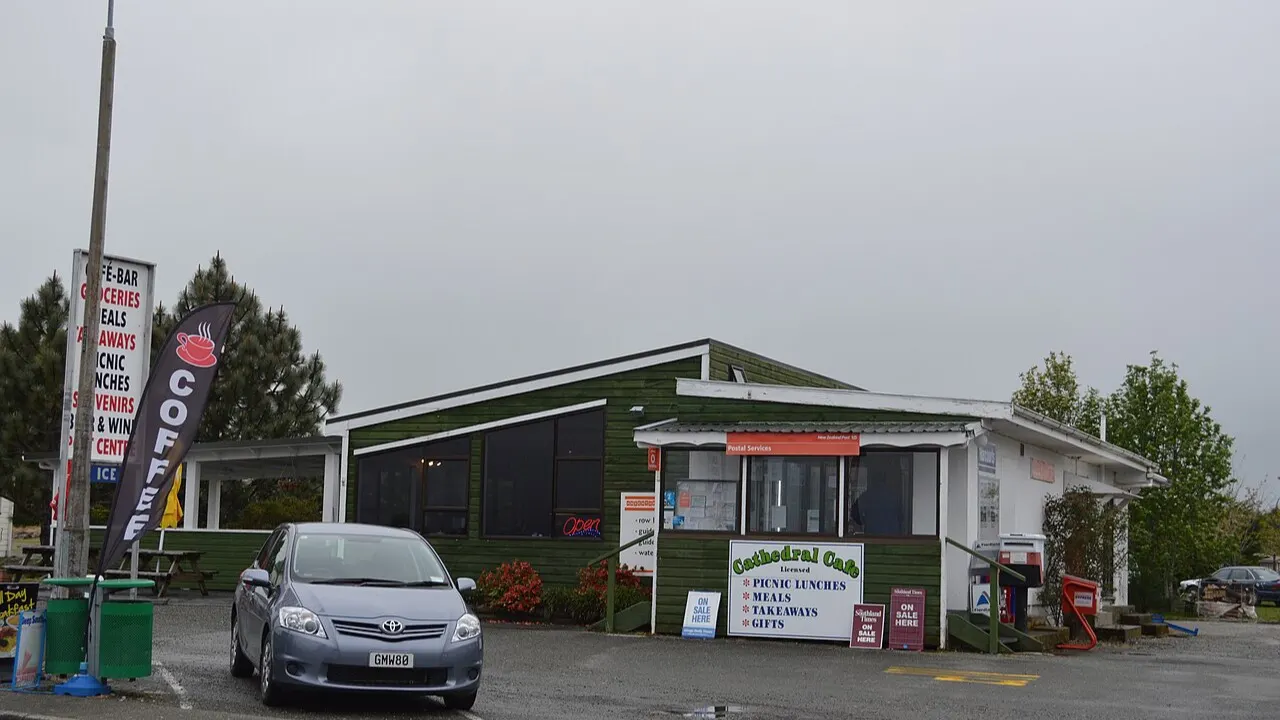
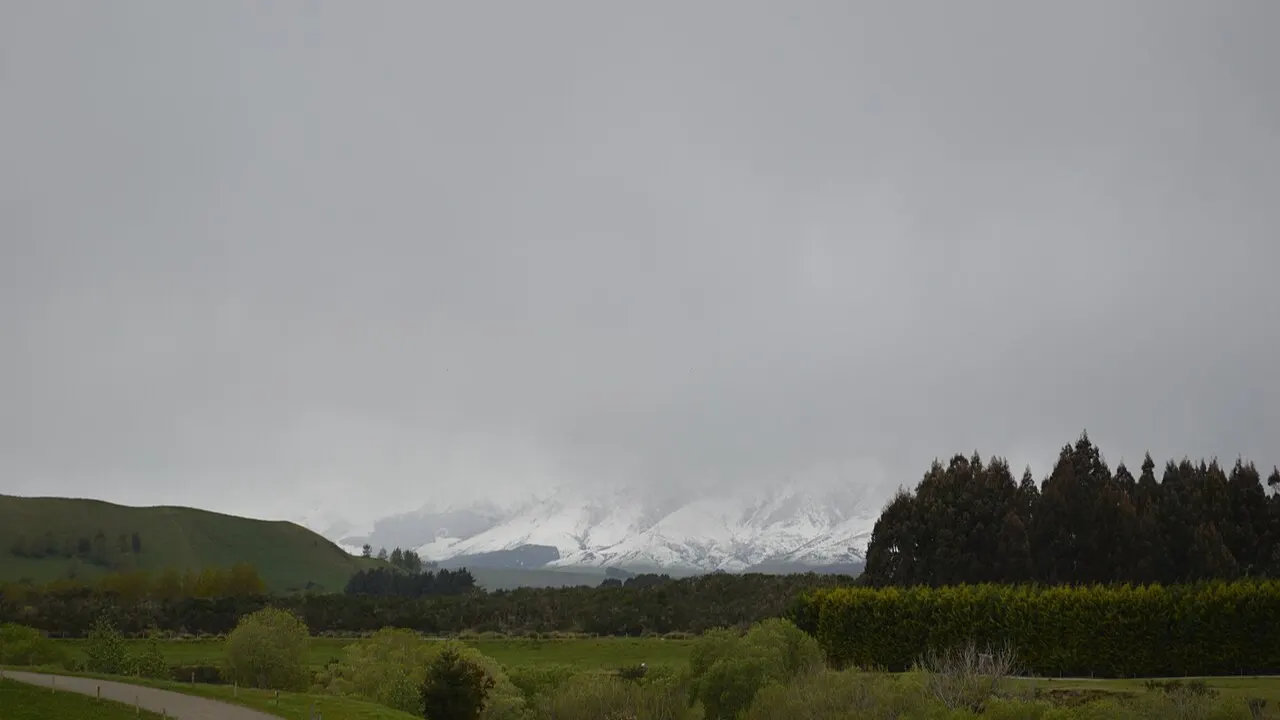
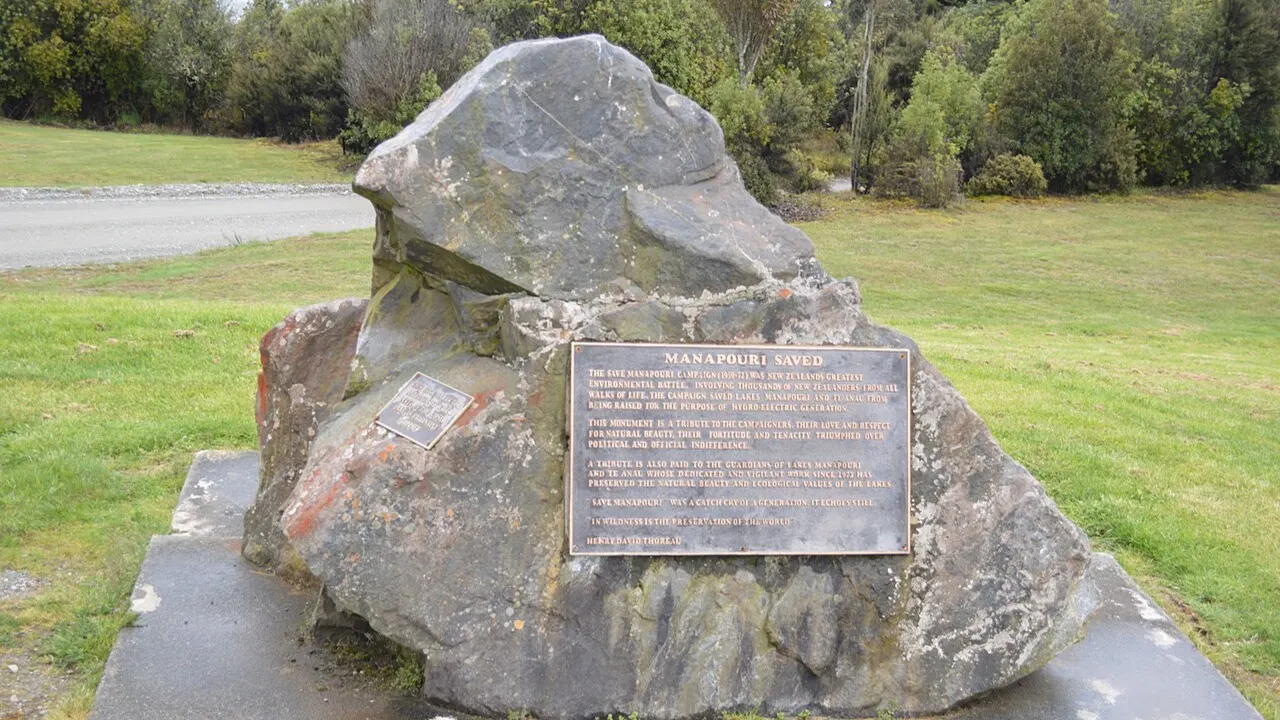
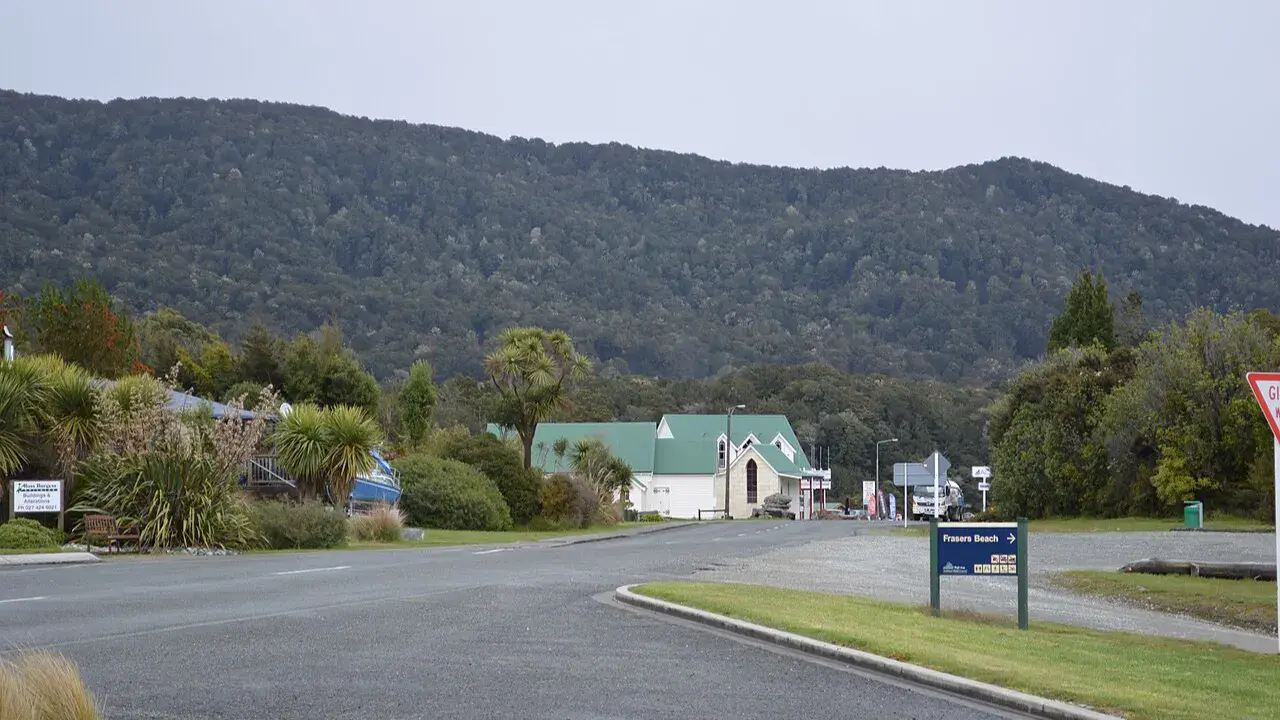
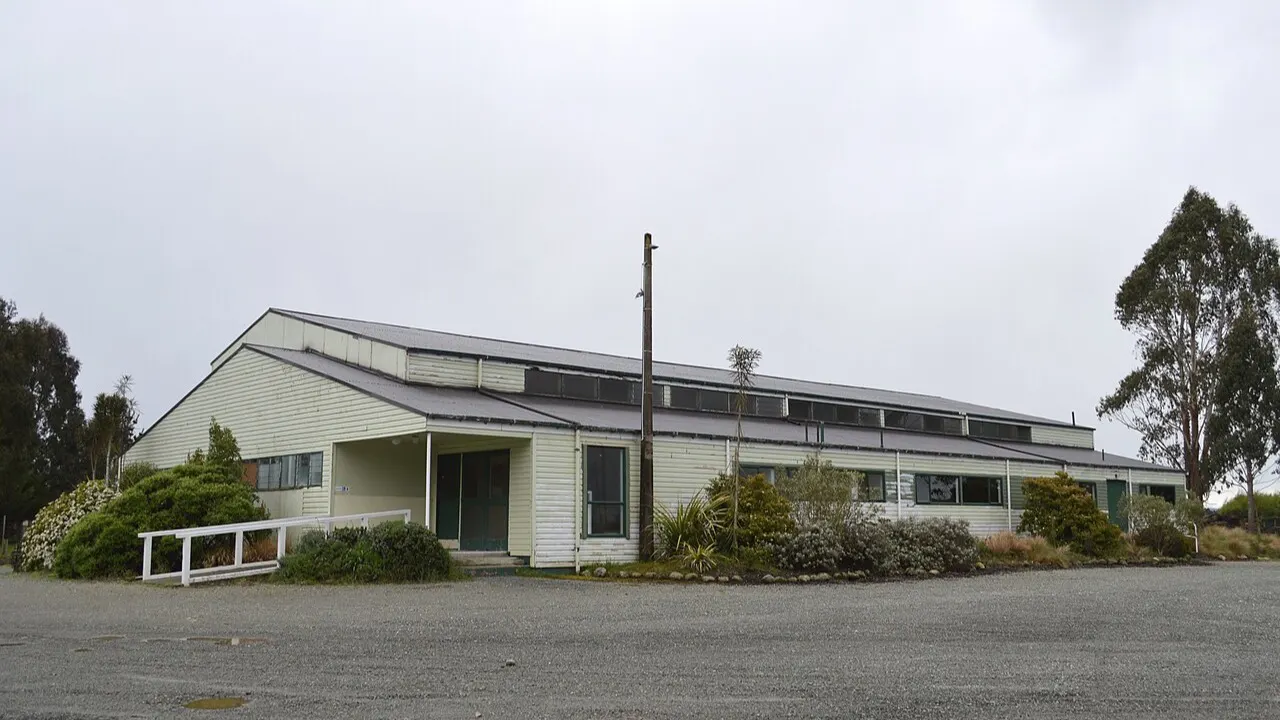
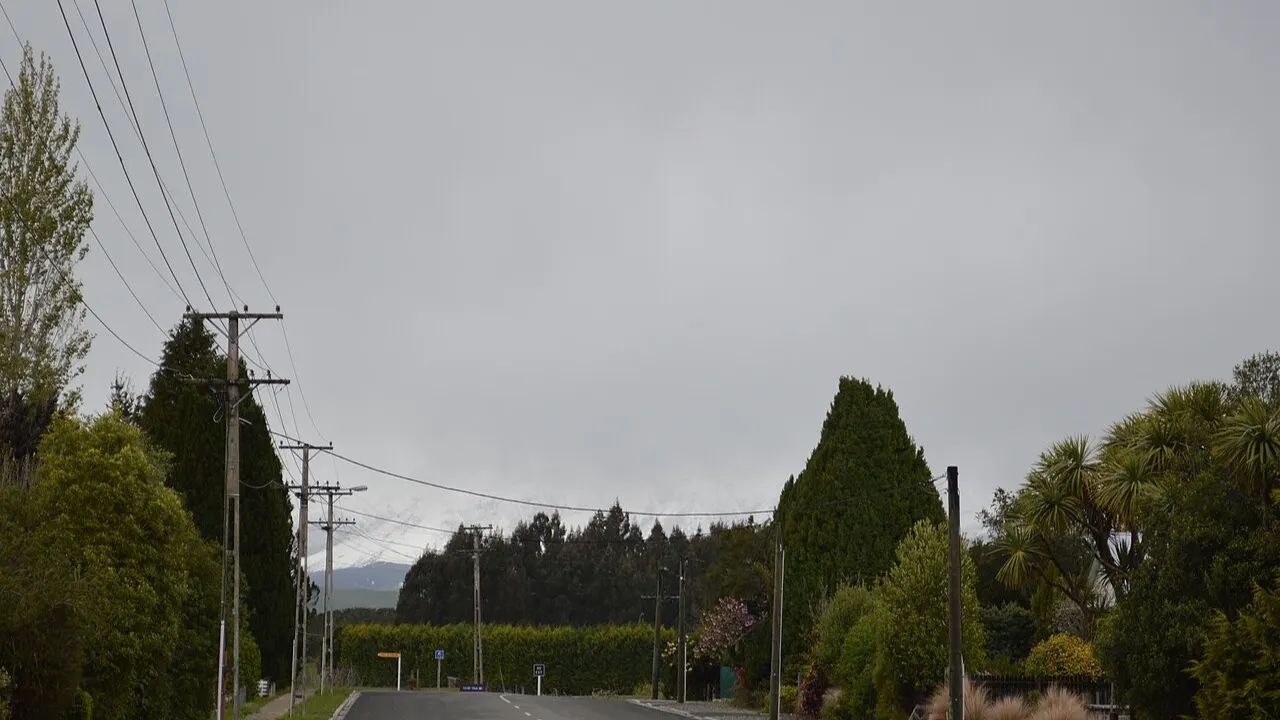
Photo credits: BobTanGo (CC BY 4.0); Mattinbgn ( talk · contribs ) (CC BY 3.0)
Getting there
Lake Manapōuri lies in the Southland region of the South Island, within Fiordland National Park and the Te Wahipounamu World Heritage Area. The small settlement of Manapouri sits on the eastern shore, a short drive from Te Anau via the road that follows the Waiau River. The West Arm of the lake, reached by road around the southern shore, is the departure point for Doubtful Sound crossings via the power station's tailrace tunnels to Deep Cove.
Things to do nearby
The Pearl Harbour wharf in the settlement is the transfer point for Doubtful Sound cruises. Around the eastern shore you'll find swimming beaches, boat ramps and lakeside holiday homes. The lake's four arms — North, South, West and Hope — offer boating and shoreline exploration, and the nearby Waiau River connects north to Lake Te Anau, about 20 km away.
Highlights
This is New Zealand's second-deepest lake at 444 m, its floor lying 267 m below sea level. Thirty-three islands dot its 142 km² surface, 22 of them wooded, including the large central Pomona Island. The granite Cathedral Peaks at the lake's far end reflect in the water, often photographed past Mahara Island. Many small islands retain untouched forest and moss mats, never reached by red deer or possums, and the ultra-clear, highly oxygenated water makes for superb fishing for brown and rainbow trout and Atlantic salmon.
History & culture
In Māori legend the lake was formed by the tears of two sisters, Moturua and Koronae, whose grief gave the name Manapōuri — 'anxious or sorrowful heart'. Its earlier names were Roto-ua (Rainy Lake) and Moturau (Many Islands); the current name was a settler's mistake. Māori long harvested eels and birds here, and Europeans Nairn and Stevens reached the lake in 1852. In 1959 a plan to raise the lake 30 m for hydro power sparked the decade-long Save Manapouri campaign — a landmark of New Zealand environmentalism that preserved natural lake levels and created the Guardians of Lake Manapouri and Te Anau in 1973.
Booking & rules
The lake is open to the public year-round; water levels are highest in spring and lowest in winter. There are no entry fees. Book Doubtful Sound cruises departing from Pearl Harbour in advance, and secure accommodation early as options in the small settlement are limited. Powered by the West Arm power station, the lake is managed under conservation consents that keep levels close to natural.
About this attraction
Lake Manapouri is often called the lake New Zealanders saved: a national campaign stopped its waters being raised for a hydro scheme, a milestone of the country's environmental history. Today it is simply one of the South Island's most beautiful lakes, dotted with dozens of forested islands and backed by the granite Cathedral Peaks, which mirror into the water on calm mornings. Pearl Harbour at the township is the departure point for Doubtful Sound tours, while the shoreline reserves offer swimming beaches, boat ramps and picnic lawns. Quieter than Te Anau, it makes a peaceful base for the western fiords.
Highlights
Picnic at Pearl Harbour watching the Doubtful Sound boats come and go, swim or kayak between the forested islands, and drive the shore road for Cathedral Peaks reflections at dawn.
Cautions
Lake weather changes quickly and the water stays cold year-round; the wharf area is busy at tour departure times, so arrive early to park.
Getting there
Manapouri township is about 20-30 minutes by road from Te Anau, with lakeside parking at Pearl Harbour and the shoreline reserves.
noda attraction index 73
3.7 / 5
How the attraction index works
Each attraction is scored from five verifiable data points, out of 100. This is an editorial index, not a user rating — it reflects how free, how scenic and how well documented a place is, not anyone's personal experience.
| Free bonus | 20 pts | Completely free 20; small fees (parking, gold-coin koha) 10; expensive tickets 0. |
|---|---|---|
| Scenery uniqueness | 25 pts | World Heritage or landmark-level 25, regional 18, local 12 — each listing is explicitly tiered. |
| Things to do | 20 pts | Ranked by the depth of the highlights write-up: full 20, medium 14, brief 10. |
| Information completeness | 20 pts | 15 for having about, best time, cautions and access notes, minus 4 per missing item; plus 5 for two or more official sources. |
| Accessibility | 15 pts | Reachable by car 15, short walk 12, long tramp required 6. |
Things to do nearby · Events
 Christmas in the Mediterranean
 Scapegrace Rooftop
 New Year's Eve at Scapegrace Rooftop
- The Playground, Queenstown
 Czechoslovakian Dance Ball Queenstown
 Christmas Dinner at threeSixty
 FREE Webinar | A Better Future for NZ Communities
 Ngā Waka Whiria: Hauora and Leadership in Construction