Lake Kohangatera Lookout
Where: Lake Kohangatera Lookout, Maps
Getting there
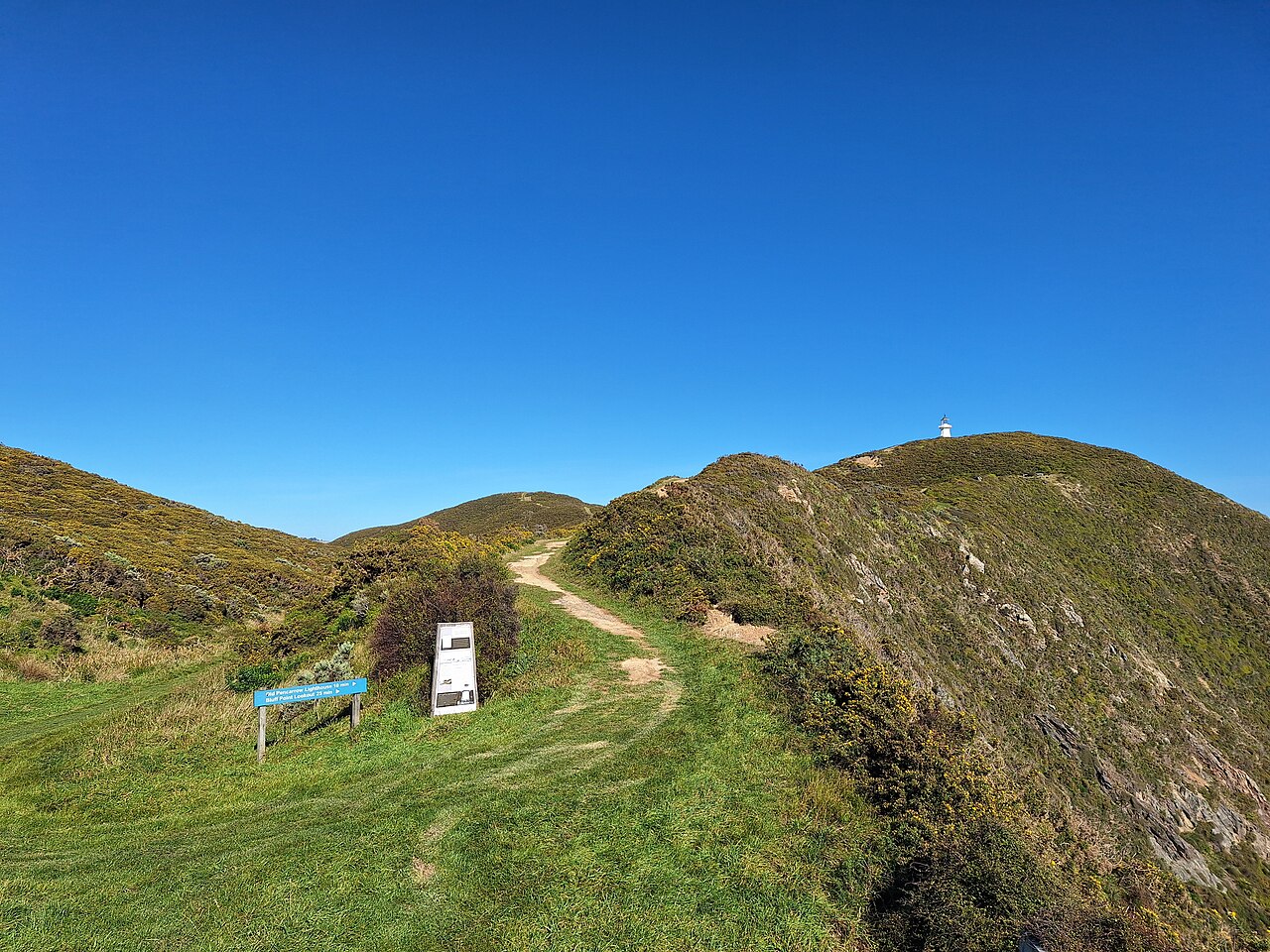
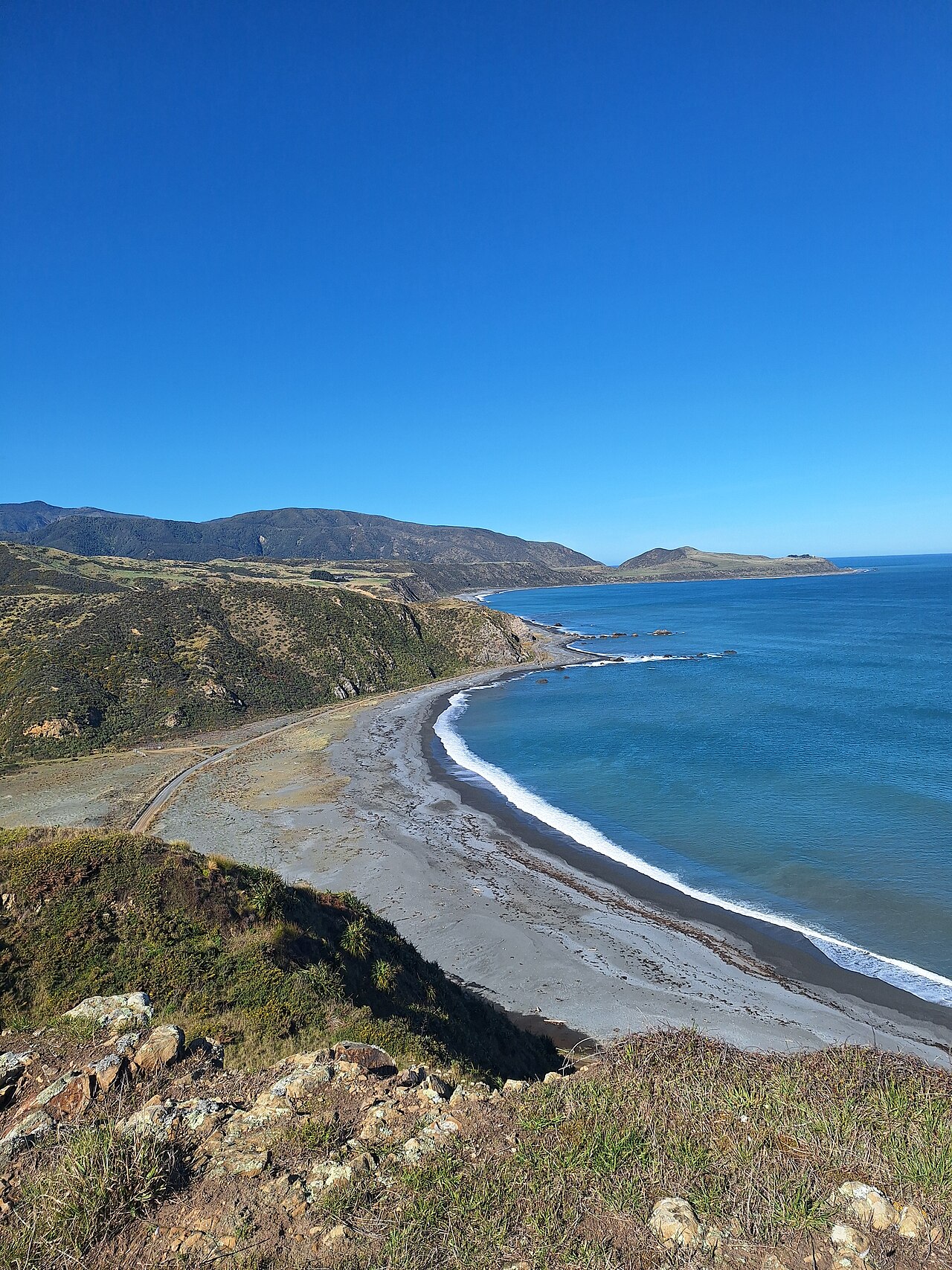
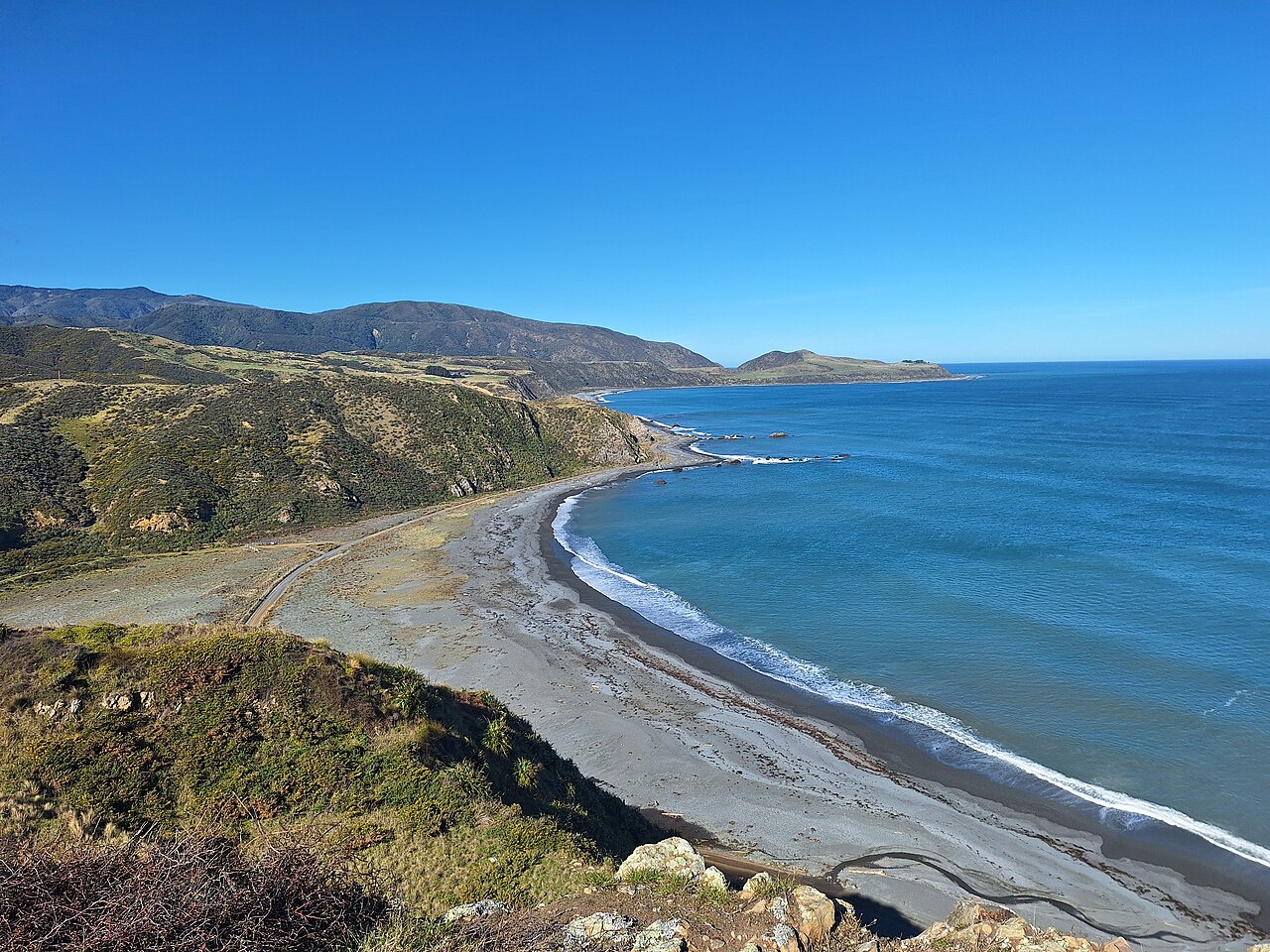
Lake Kohangatera Lookout sits on the coastal ridge above Point Dorset on Wellington's east coast, overlooking a small lake and wetland system beside the harbour entrance. Reaching it means walking through East Harbour Regional Park, across grass slopes, salt-tolerant scrub and lakeside wetland. The city is close by, yet the terrain feels strikingly wild — one of the few near-pristine coastal wetland landscapes remaining near Wellington.
Things to do nearby
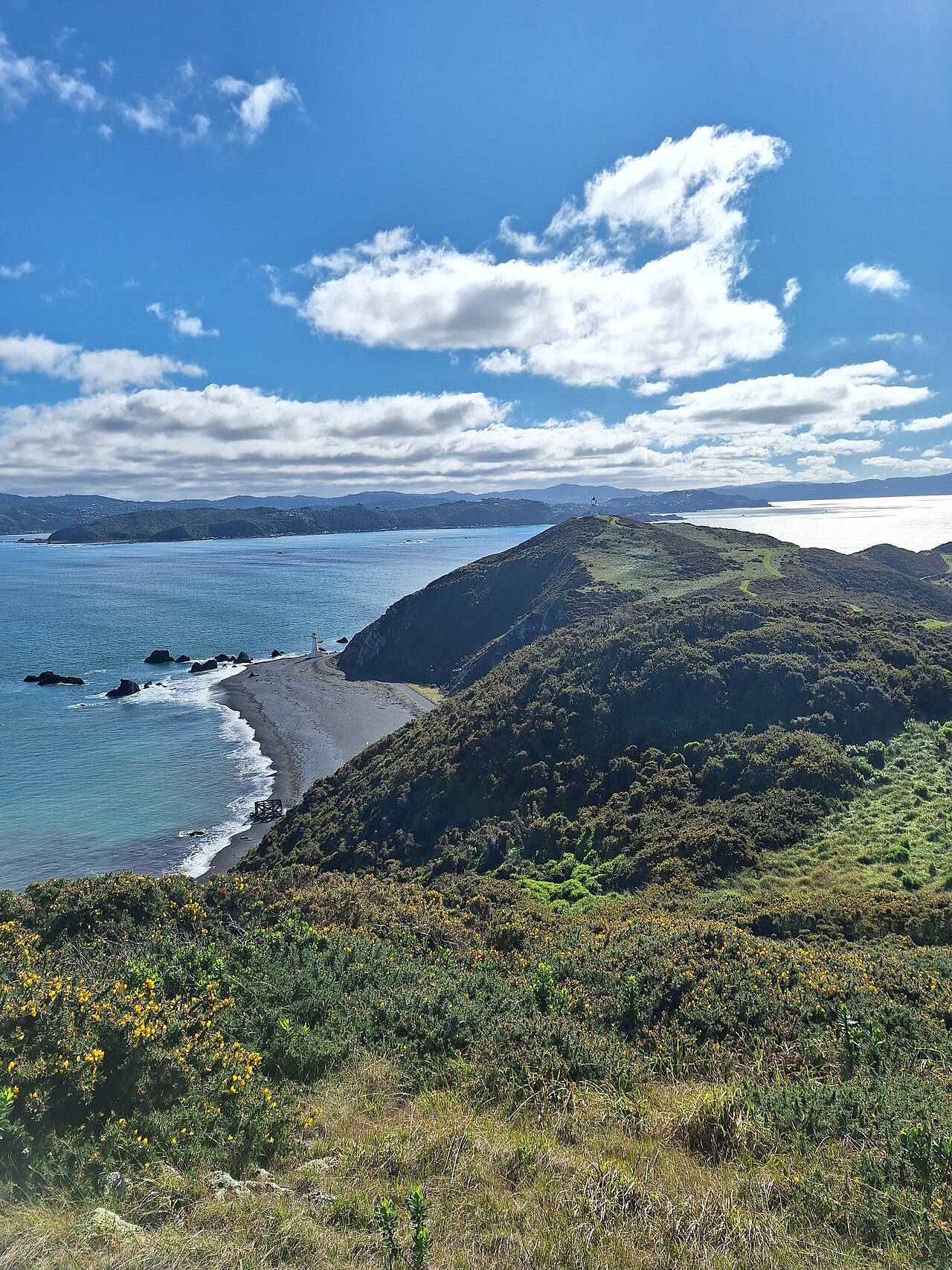
Around the lookout are grassland and coastal scrub worth exploring slowly, with the wider East Harbour Regional Park offering extended walking options and, along this stretch of coast, some of New Zealand's earliest coastal lighthouses from the harbour-shipping era. Public sources do not record cafés or shops in the immediate vicinity, so bring your own supplies.
Highlights
The viewpoint delivers two contrasting waters at once: a wind-whipped, wave-flecked strait on one side and a sheltered lagoon hiding behind coastal scrub on the other. On calm days the lake mirrors sky and cloud against the grey-blue strait. Waterbirds feed in the shallows in spring and autumn, wildflowers cover the slopes in summer, and clear winter days give the sharpest long-distance views. Photographers love the ever-changing cloud shadows, especially for long-exposure and time-lapse work.
History & culture
The lake holds an important place in Māori history: its water and shores long supplied eels, waterfowl eggs and flax, and served as travel and trade routes — the name itself carries that memory. After European settlement the Pencarrow peninsula became farmland, and some of New Zealand's earliest coastal lighthouses were built along this coast. In recent decades the wetland has been absorbed into the regional park, with pest control and native planting under way; waterbird numbers have recovered visibly year by year.
Booking & rules
The track has some gradient, so wear proper walking shoes and carry a windproof jacket, sun protection and ample water; allow several hours for the return trip — the walk is part of the experience. It suits hikers, birdwatchers, nature photographers and anyone interested in Wellington's ecological restoration; binoculars help greatly with waterbirds. Clear summer days and crisp winter days are the best viewing windows; take care in storms and watch coastal wind conditions closely.
Source: https://www.openstreetmap.org/node/1907945534