Tongue Point SS Penguin Memorial
Where: Tongue Point SS Penguin Memorial, Maps
Getting there
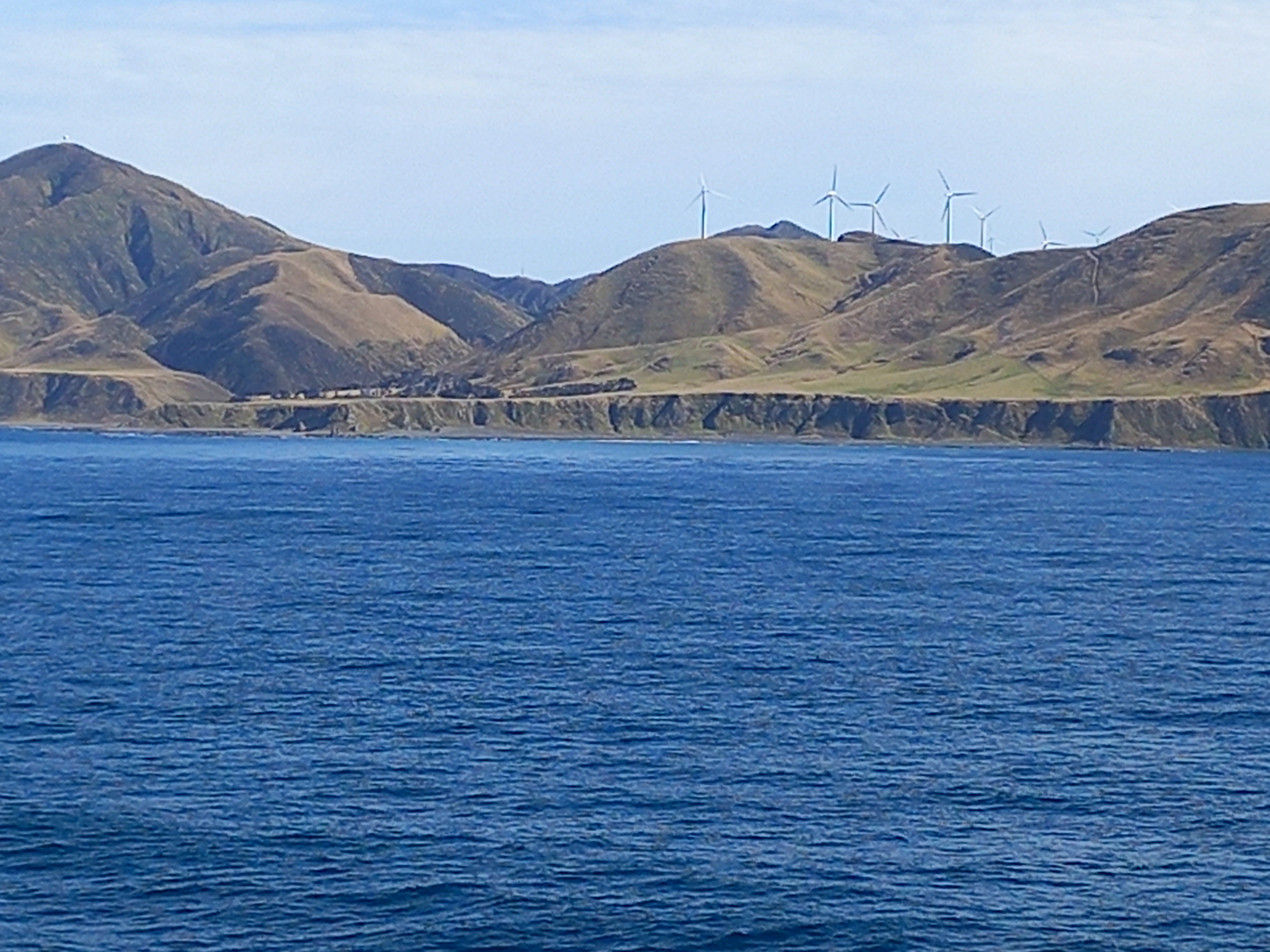
Tongue Point lies on Wellington's rugged south-west coast, where bush-clad cliffs drop into the stormy waters of Cook Strait near the harbour's western entrance. Visitors reach the memorial on foot, typically walking in from Owhiro Bay or along the Red Rocks coastal track, one of the capital's wildest shorelines with few man-made traces. There is no road access to the point itself, so allow several hours for the return journey.
Things to do nearby
The walk to the memorial doubles as one of Wellington's finest coastal hikes. The route passes pebble beaches, a recognised fur seal habitat and dramatic sea-eroded rock formations, and the Red Rocks scientific reserve sits along the way. From the memorial's elevated position, views extend across Cook Strait's rolling swells and the black reef rocks of the south coast.
Highlights
The memorial stands near the headland where the vessel foundered, surrounded by cliffs and constant surf. Summer brings green coastal vegetation and a calmer sea; winter delivers heavy swell and bitter winds that evoke the dangers of the wreck night itself. Soft light at sunrise and dusk makes it a favourite for photographers and for quiet reflection. It suits hikers drawn to wild coastal scenery combined with a powerful historical story.
History & culture
In February 1909 the Union Steam Ship Company's passenger steamer Penguin struck rocks near Tongue Point shortly after leaving Wellington in foul weather, with heavy loss of life. It remains one of New Zealand's deadliest peacetime maritime disasters and shocked the nation, prompting later improvements to maritime safety rules and navigation practices. Cook Strait's notorious winds and swells still test every crossing vessel, giving this history continuing relevance today.
Booking & rules
The site is remote and exposed, so pick a clear, calm day, wear windproof clothing and sturdy walking shoes, and carry water and food. Check tide times, keep well back from cliff edges, and never approach the reef area in bad weather. No opening hours or entry fees are recorded, as access is simply by the coastal track.
Source: https://www.openstreetmap.org/node/2135662017