The Man with the Donkey
Where: The Man with the Donkey, Maps
Getting there
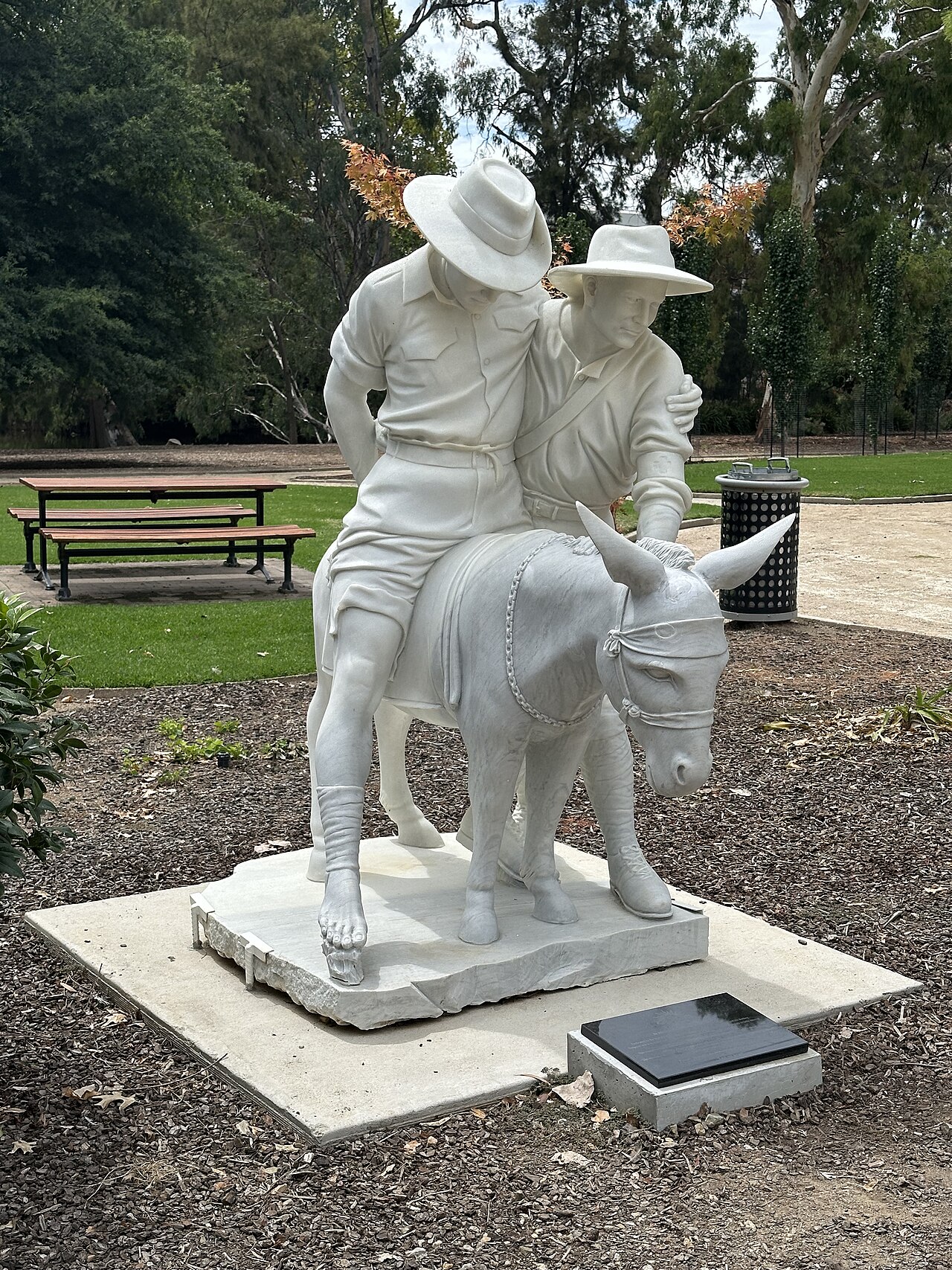
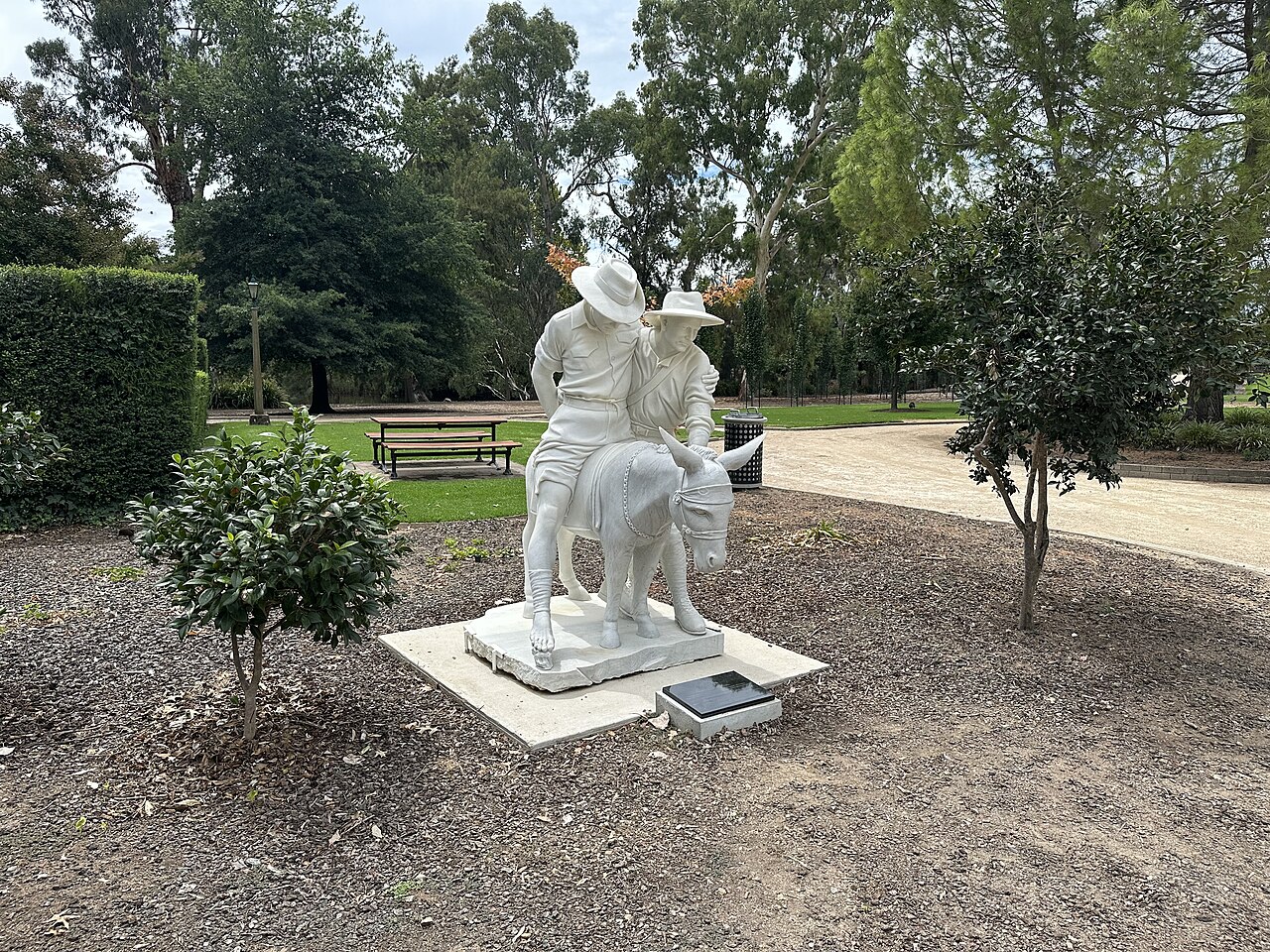
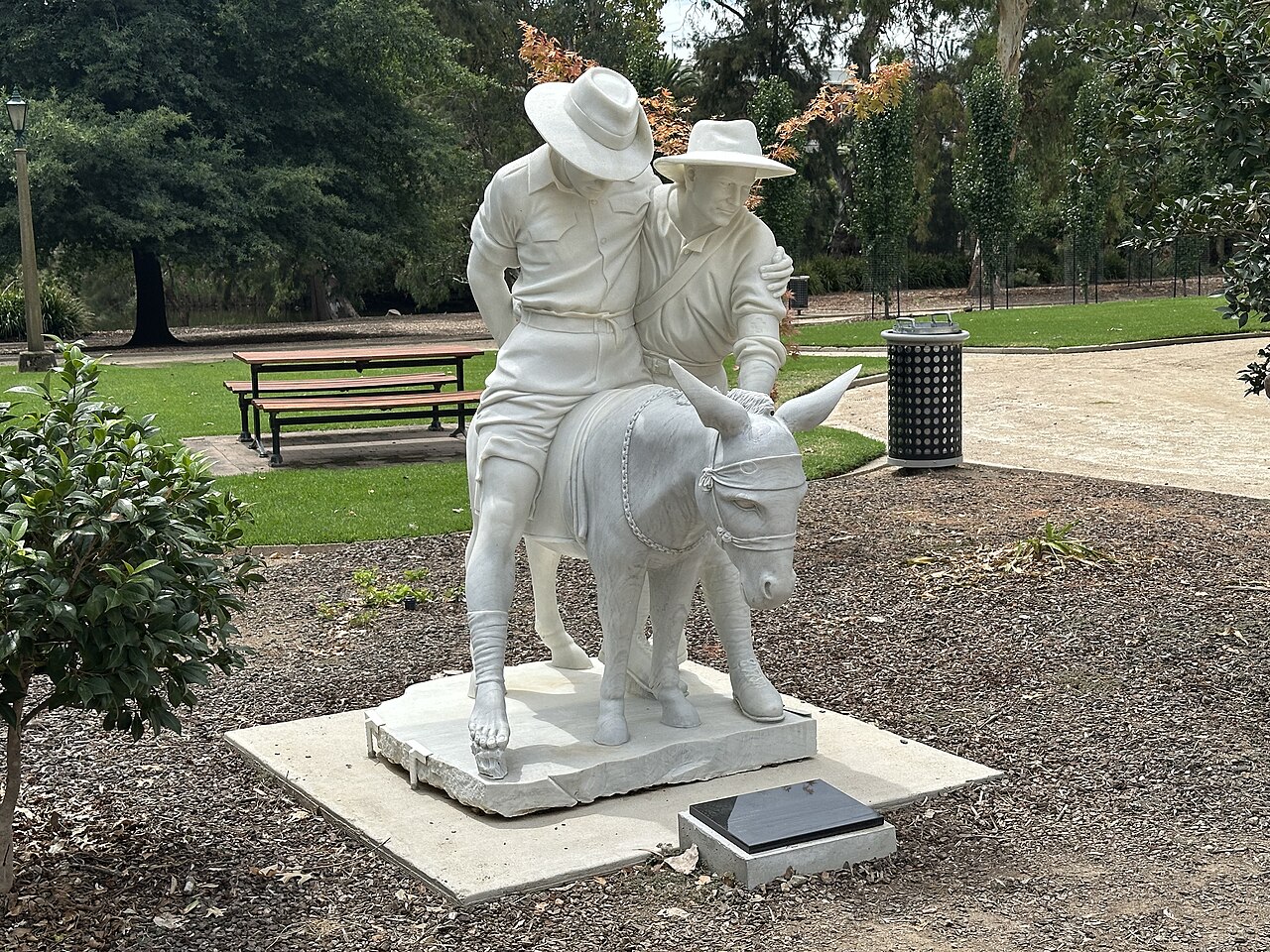
At the heart of Wellington's waterfront promenade, this bronze of a man leading a small donkey stands beside the civic square and harbour walking track. The setting contrasts lively square life, cafes and passing crowds with the calm of moored yachts and open harbour views, making it a natural stop on any central-city stroll. The area is easily reached on foot from the CBD, and the open, wind-swept promenade means the sculpture is visible and accessible at all times.
Things to do nearby
The waterfront around the sculpture offers far more than a single stop: cafes and public-square activity lie immediately inland, while the harbour trail leads on past moored boats and sea views. Visitors can continue along the shoreline to other memorials, the National War Memorial Park and the city's museums, making an easy history-themed walking route along the water.
Highlights
The piece shows a stretcher-bearer calmly leading a donkey forward — an understated pose that contrasts gently with the brutality of the war it commemorates. Years of sea wind have given the bronze a warm patina. Seagulls, soft morning light and the interplay between statue and everyday city life reward quiet observation; at dusk, as the city lights come on, the figure takes on a solemn air that photographers prize. It suits those interested in First World War history and families introducing children to it.
History & culture
The sculpture honours Australian stretcher-bearer John Simpson Kirkpatrick, who in 1915, during the Gallipoli campaign, repeatedly carried wounded men down to the beach on his donkey under fire until he himself was killed. The story is among the most humane legends of the Anzac tradition. For New Zealanders, Gallipoli is central to the Anzac story, so the statue carries a shared trans-Tasman memory and stands among the few works of public art in Wellington directly tied to war remembrance.
Booking & rules
There is no ticket and no gate: the sculpture stands in the open and can be visited at any hour. Summer (December to February) is the most pleasant season, with mild springs and autumns also good; winter (June to August) is damp, cold and windy. Remembrance is especially strong around Anzac Day in late April, when wreaths are often laid. Pair the visit with nearby memorials and museums for a fuller historical walk.
Source: https://www.openstreetmap.org/node/6037481332