Polish Children of Pahiatua
Where: Polish Children of Pahiatua, Maps
Getting there
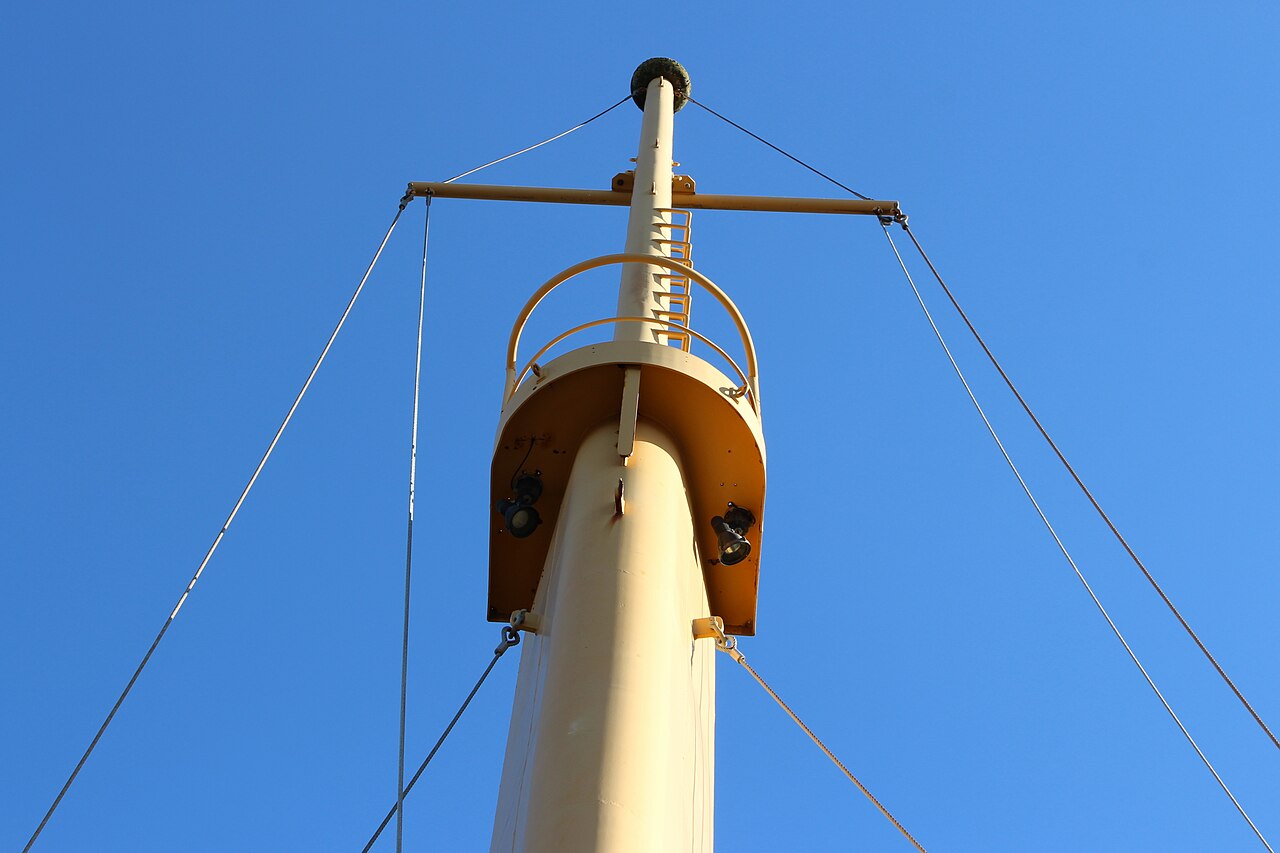
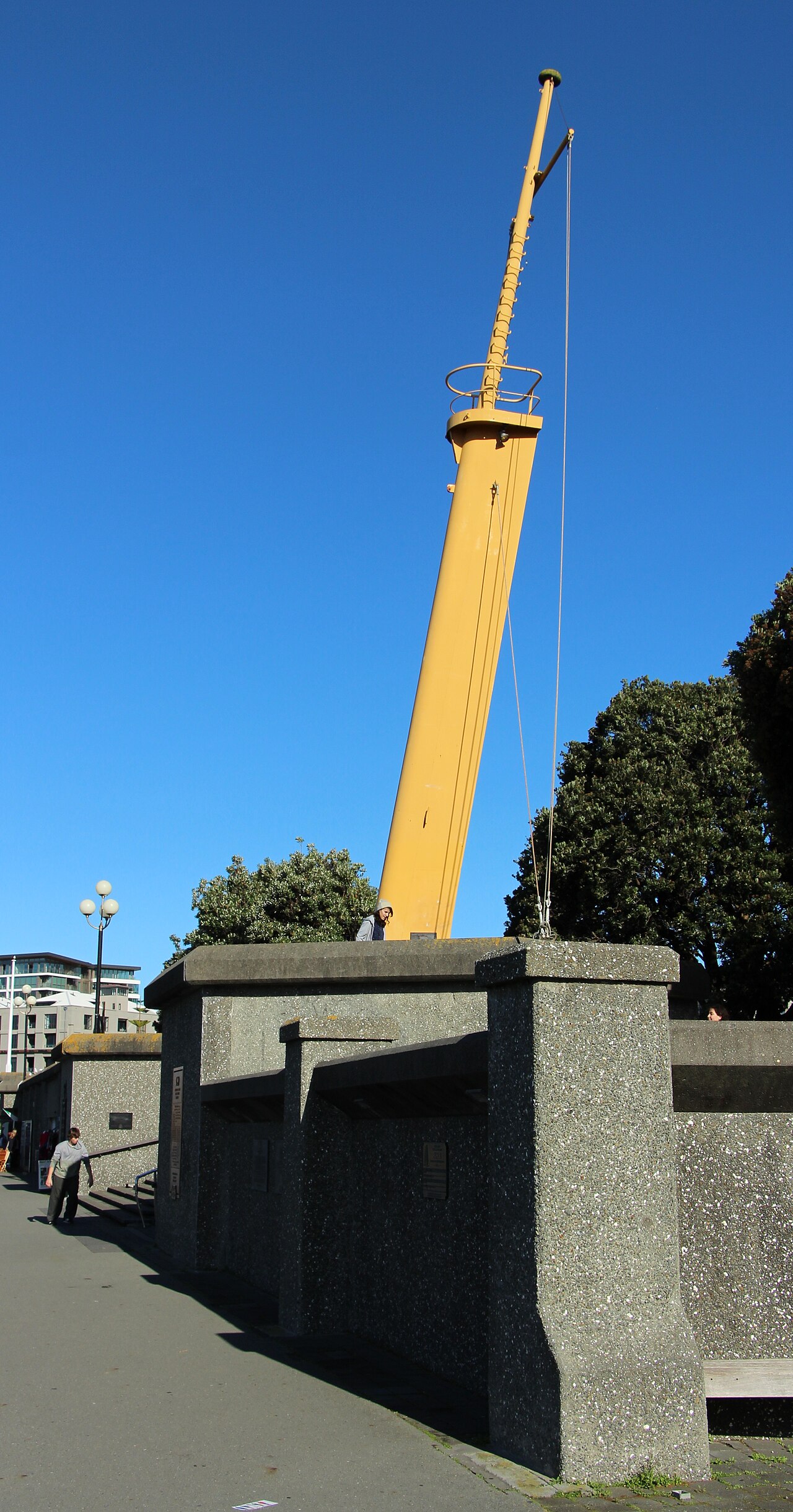
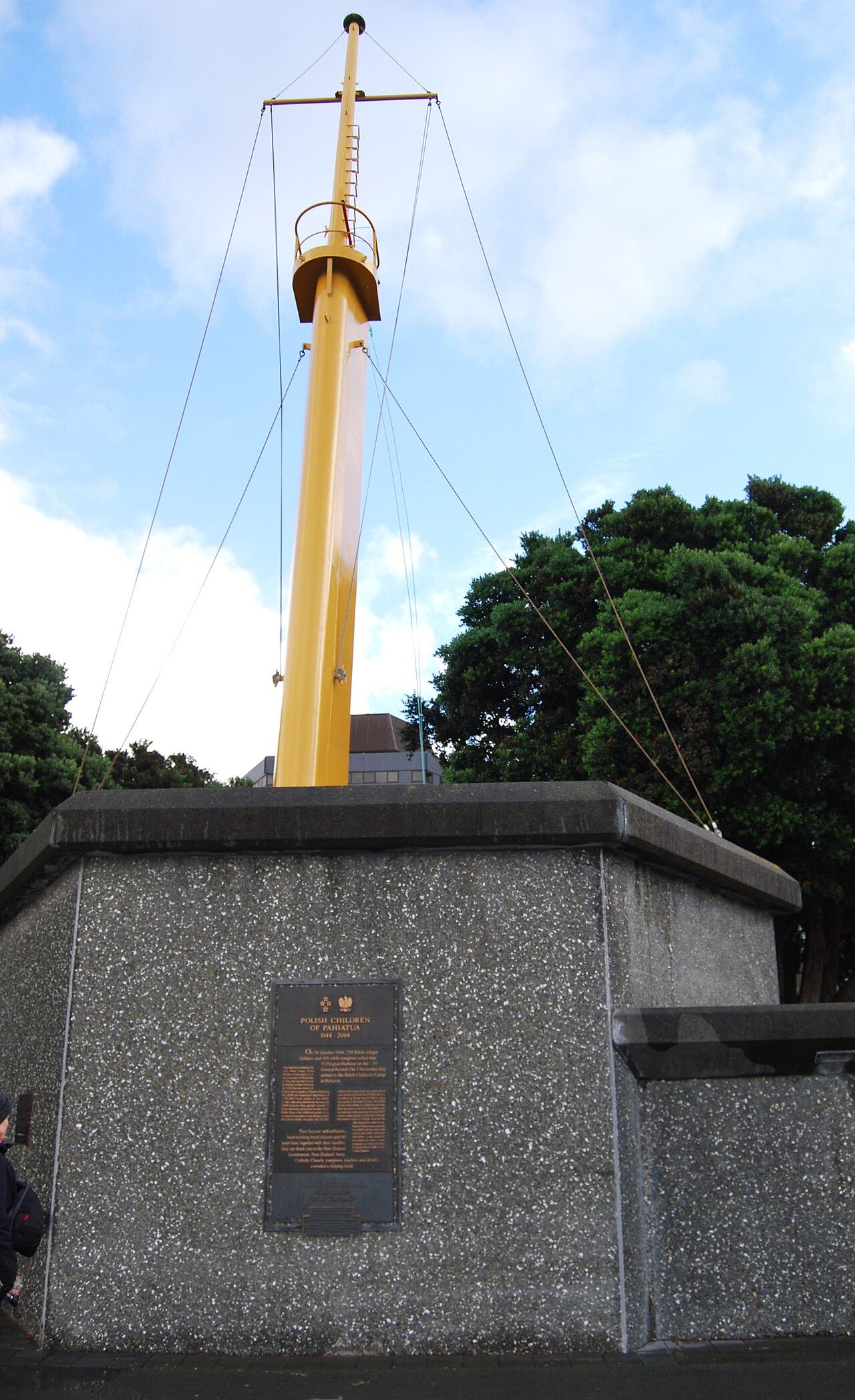
This modest memorial stands on a public green space in Wellington's central business district, surrounded by mature trees and an open streetscape. The waterfront promenade is only a few minutes' walk away, making it easy to fold into any city-centre stroll. Public sources do not record specific street addresses or nearby bus stops, but the CBD location puts it within easy reach of the capital's main walking routes.
Things to do nearby
The surrounding city blocks offer plenty to combine with a visit: the waterfront promenade, Te Papa Tongarewa (the national museum) and other commemorative sites can all be linked into one walking itinerary, letting visitors trace Wellington's layered public history on foot.
Highlights
The monument's strength lies in restraint: simple and dignified, with no ornate carving, it carries its power entirely in the inscribed words, which plainly recount the children's journey from war-torn Europe across the oceans to a camp near Pahiatua and a new life at the world's far end. The space around it suits lingering, reading and quiet photography. Its character shifts with the seasons — bright green and lively in spring and summer, hushed and solemn in the cooler months, when Wellington's famous sea winds sweep the streetscape and give the inscription added weight.
History & culture
The memorial honours one of the most moving chapters of New Zealand's humanitarian history. In late 1944, more than 700 Polish refugee children — most of them orphans, or separated from parents deported to Soviet labour camps — made an epic sea voyage from war-ravaged Europe to Wellington. They were first settled in a camp near the small North Island town of Pahiatua, finding rare safety amid wartime upheaval. This event marked the beginning of the Polish community's roots in New Zealand and was a founding early practice of the country's refugee resettlement tradition, which later welcomed displaced people from around the world.
Booking & rules
The monument is outdoors, freely accessible and open at all hours with no ticket required. Travellers interested in migration and wartime history should read some background beforehand — the inscription lands harder with context. If a Polish community commemoration is taking place, keep your distance and observe respectfully. Bundle up against wind in winter, use sun protection in summer, and allow a quiet moment to absorb the history.
Source: https://www.openstreetmap.org/node/7851551003