Kaicycle
Where: Kaicycle, Maps
Getting there
Kaicycle is an urban farm and composting organization tucked between quiet residential streets in Wellington's southern suburbs. It sits close to ordinary homes rather than any major transport hub, so walking or cycling is the natural way to arrive. Visitors planning a trip should check the organization's website for opening hours and volunteer session times before setting out.
Things to do nearby
The surrounding southern suburbs offer everyday Wellington life rather than tourist attractions, so most visitors come specifically for the farm itself. A trip pairs naturally with a browse of nearby shops and cafes along the local shopping streets, and the ride in — especially if you follow the routes Kaicycle's cargo bikes use — doubles as a tour of the city's food-waste collection network.
Highlights
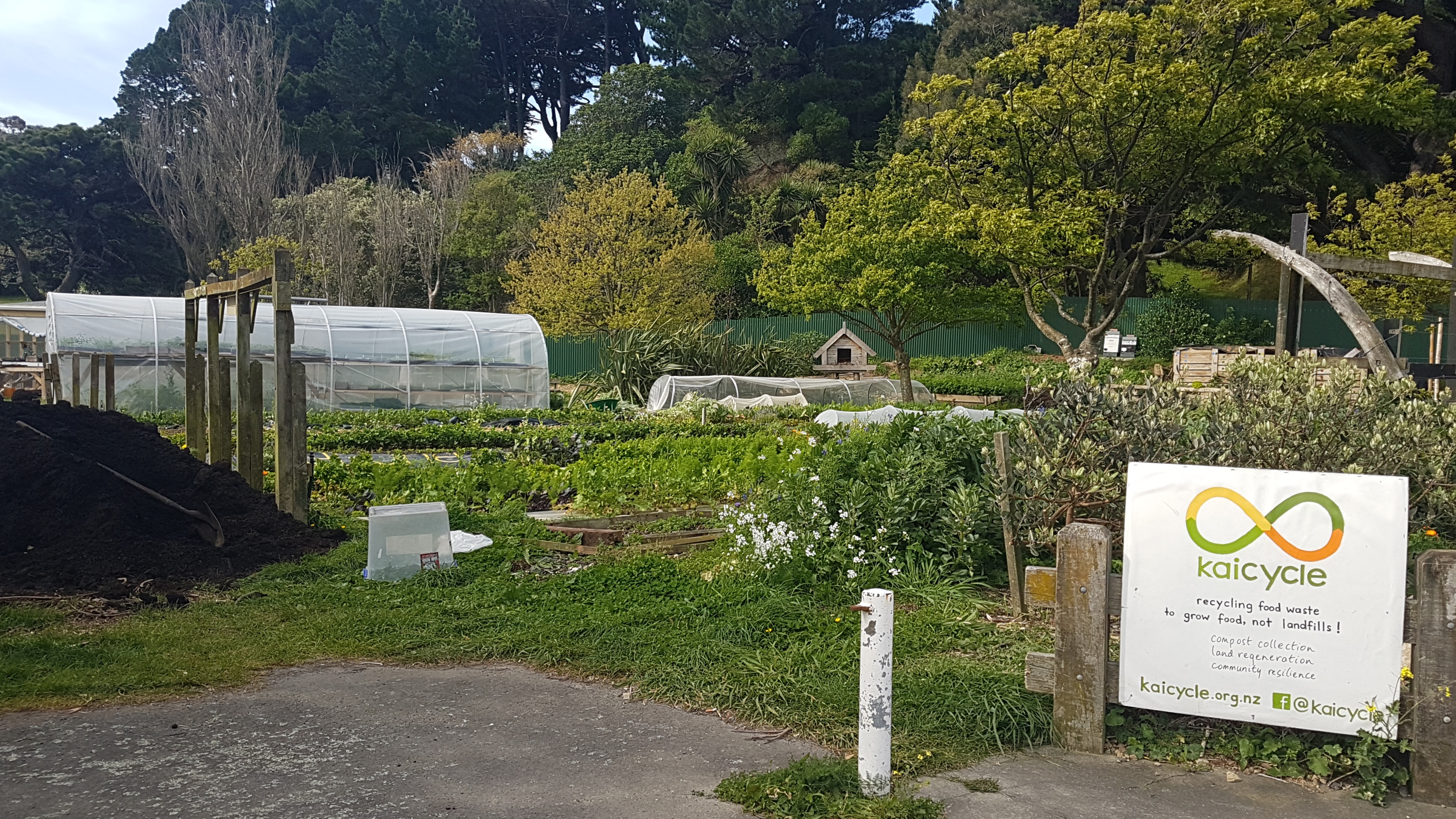
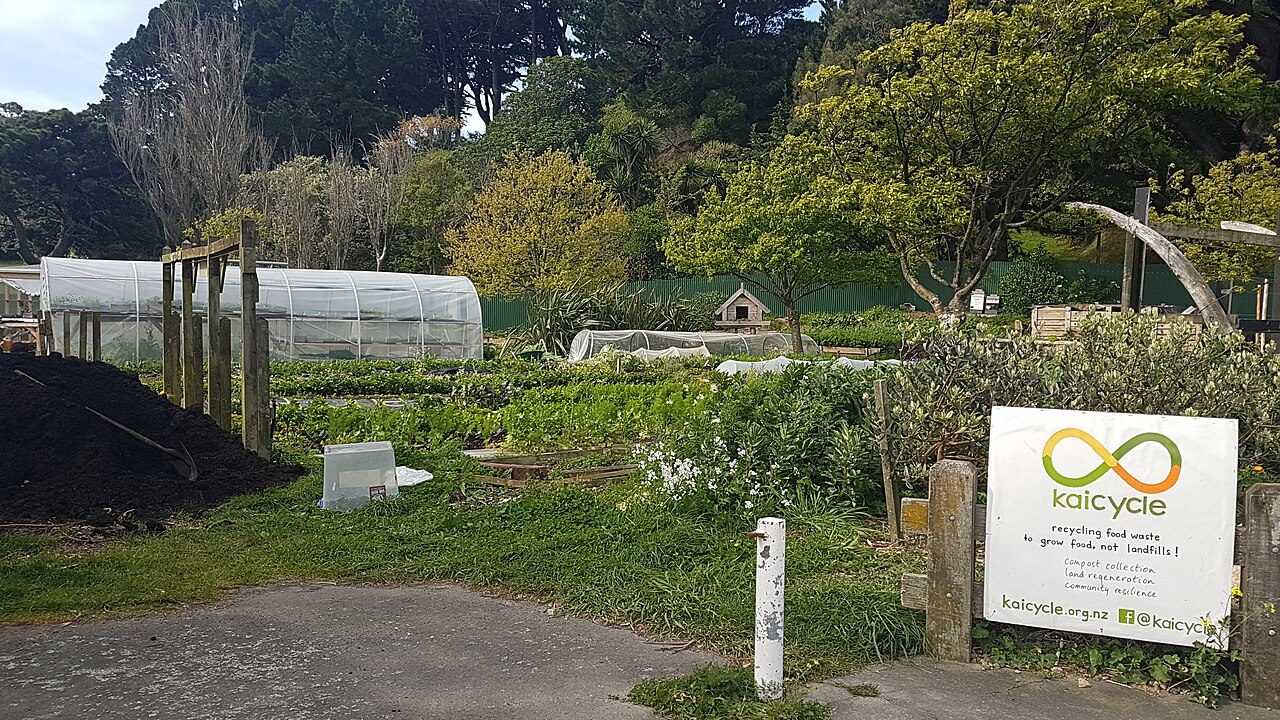
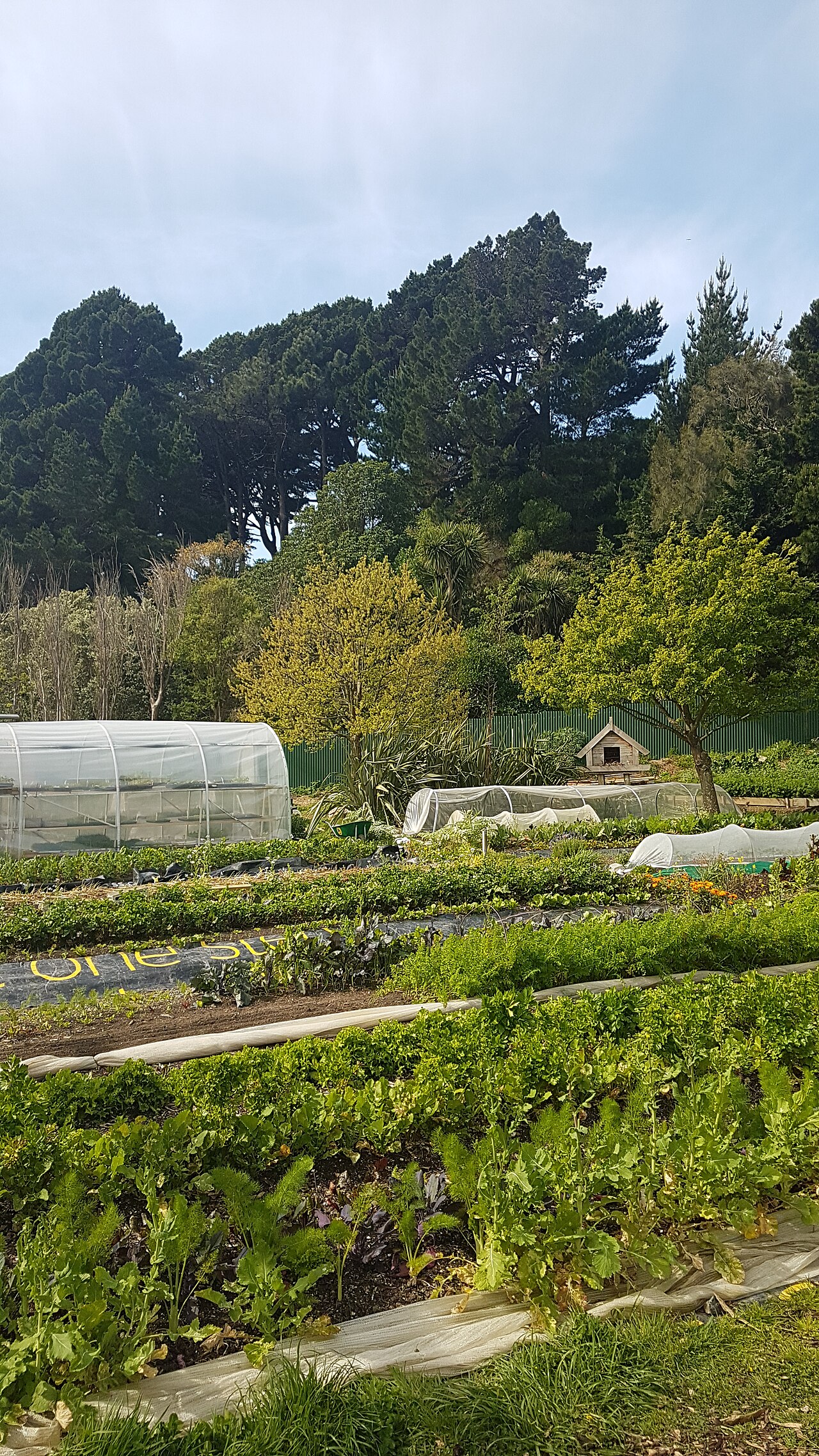
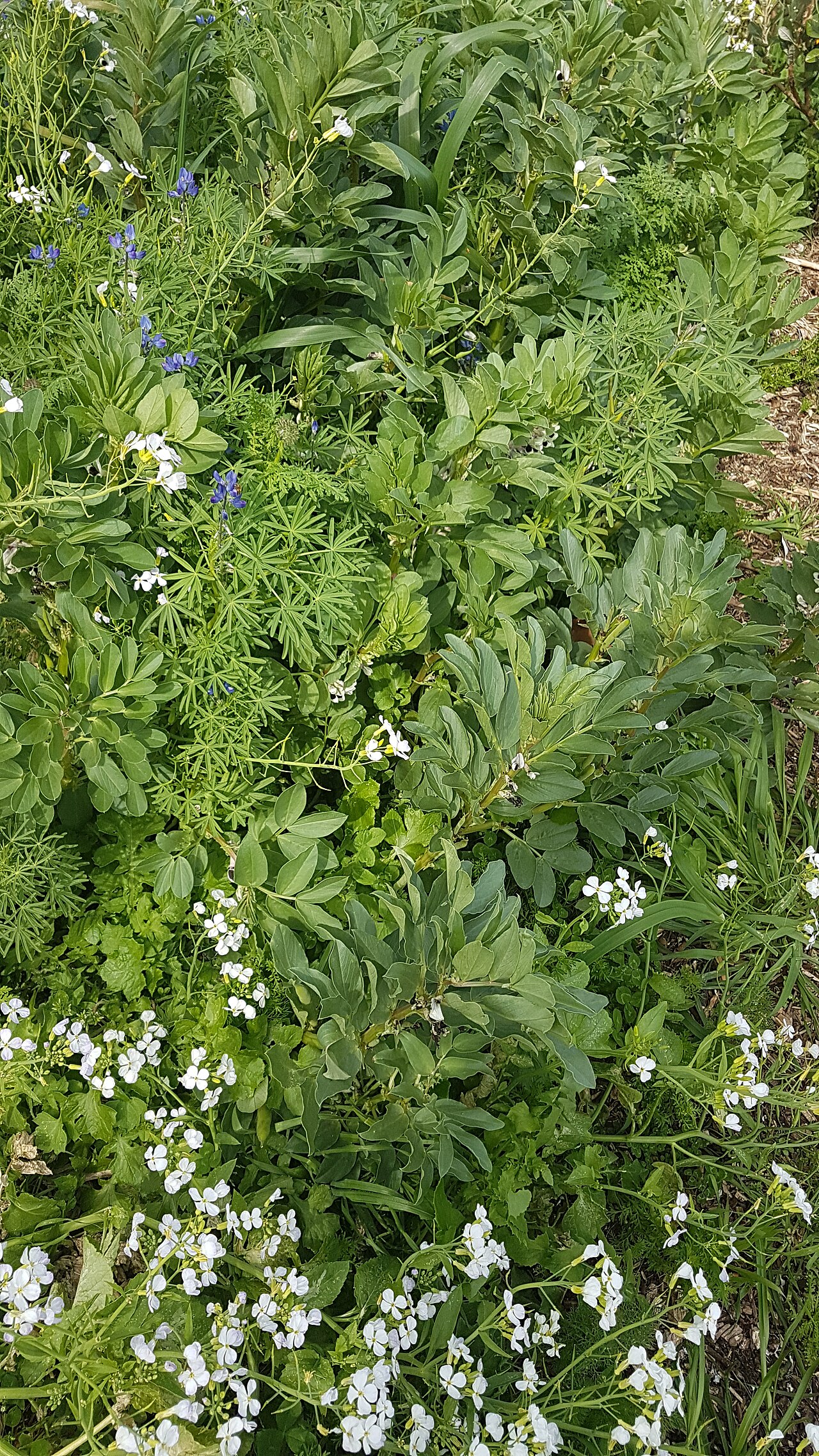
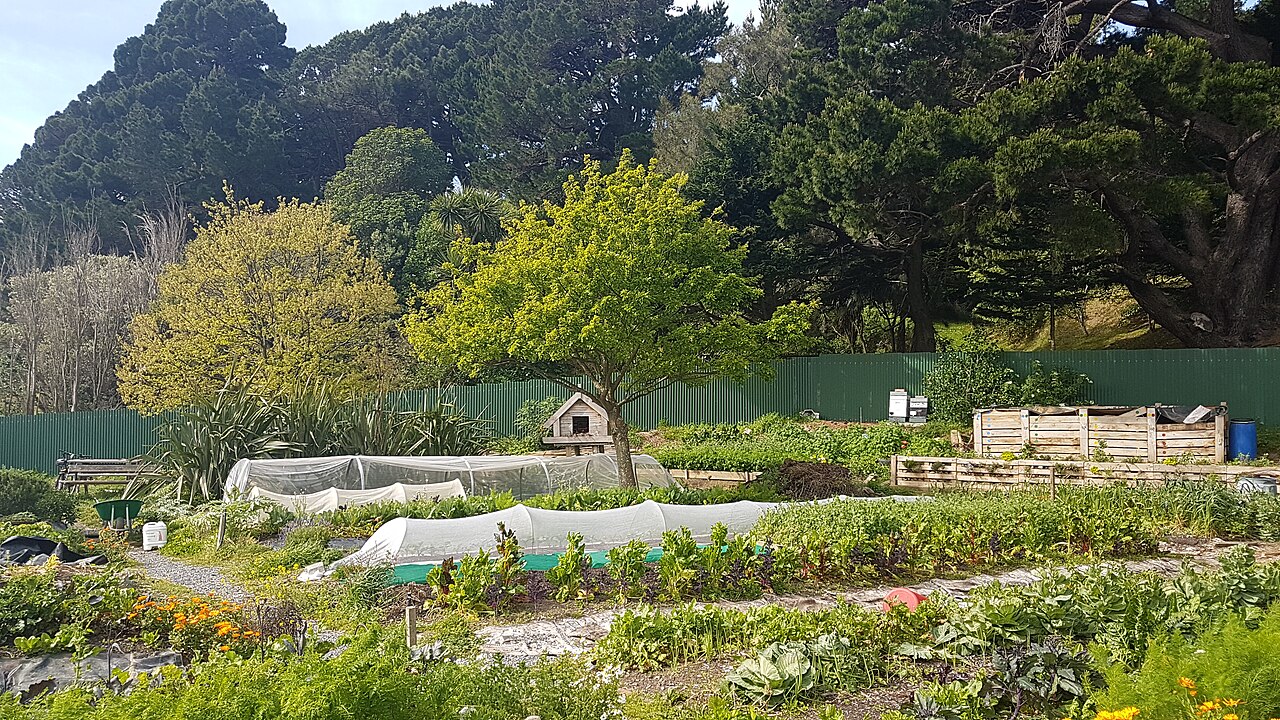
Raised beds at varying heights, a small greenhouse for seedlings, and a constantly turned compost corner make up the landscape, with the air carrying a mix of soil and fresh greenery. Volunteers wheel barrows between tasks — turning piles, sowing, watering — in a relaxed, welcoming atmosphere. Seasons matter: spring and summer bring lush crops, blossoms and buzzing bees, while autumn and winter shift focus to compost and soil care, letting visitors observe the land's cycle of rest and renewal.
History & culture
Kaicycle's defining idea is a visible loop from table to soil: riders collect household kitchen scraps by bicycle, cart them back to the farm, and compost them into nutrient-rich fertiliser that returns to the beds. This model has made the farm a distinctive demonstration site in Wellington's community environmental scene and a platform for zero-waste and urban-agriculture education.
Booking & rules
The farm suits families, students, gardening enthusiasts and eco-minded travellers alike. Join one of the regular volunteer working sessions to take part in composting, planting and soil care, and wear sturdy, dirt-tolerant shoes — Wellington weather swings quickly, so bring sun protection or rain gear. Ask volunteers about the food-scrap collection routes; the conversation alone is often worth the visit. Confirm session times online first to avoid arriving on a closed day.
Source: https://www.openstreetmap.org/node/6919620522