Belmont Viaduct Abutments
Where: Belmont Viaduct Abutments, Maps
Getting there
Tucked into a quiet suburban valley in Wellington's northern suburbs, the Belmont Viaduct Abutments sit on the slopes of a regenerated bush-lined gully. They are best reached on foot via suburban paths and the wider northern suburbs walking-track network, and suit visitors who enjoy finding traces of industrial history in the gaps of the city. There is no formal car park or signage at the site itself.
Things to do nearby
The surrounding valley offers easy short urban walks through regenerating native bush and suburban green space. The northern suburbs of Wellington hold a range of other tracks and parks that can be combined with a visit, making this a worthwhile side stop on a longer stroll rather than a destination on its own.
Highlights
The surviving abutments are built of large stone blocks and concrete, their surfaces now covered in moss and climbing plants so that they have merged with the surrounding vegetation. The valley is lush in spring and summer, while autumn and winter often bring mist and soft light — conditions photographers particularly prize. With no interpretation panels, the atmosphere is quiet and plain: visitors must imagine for themselves the trains that once thundered across the span.
History & culture
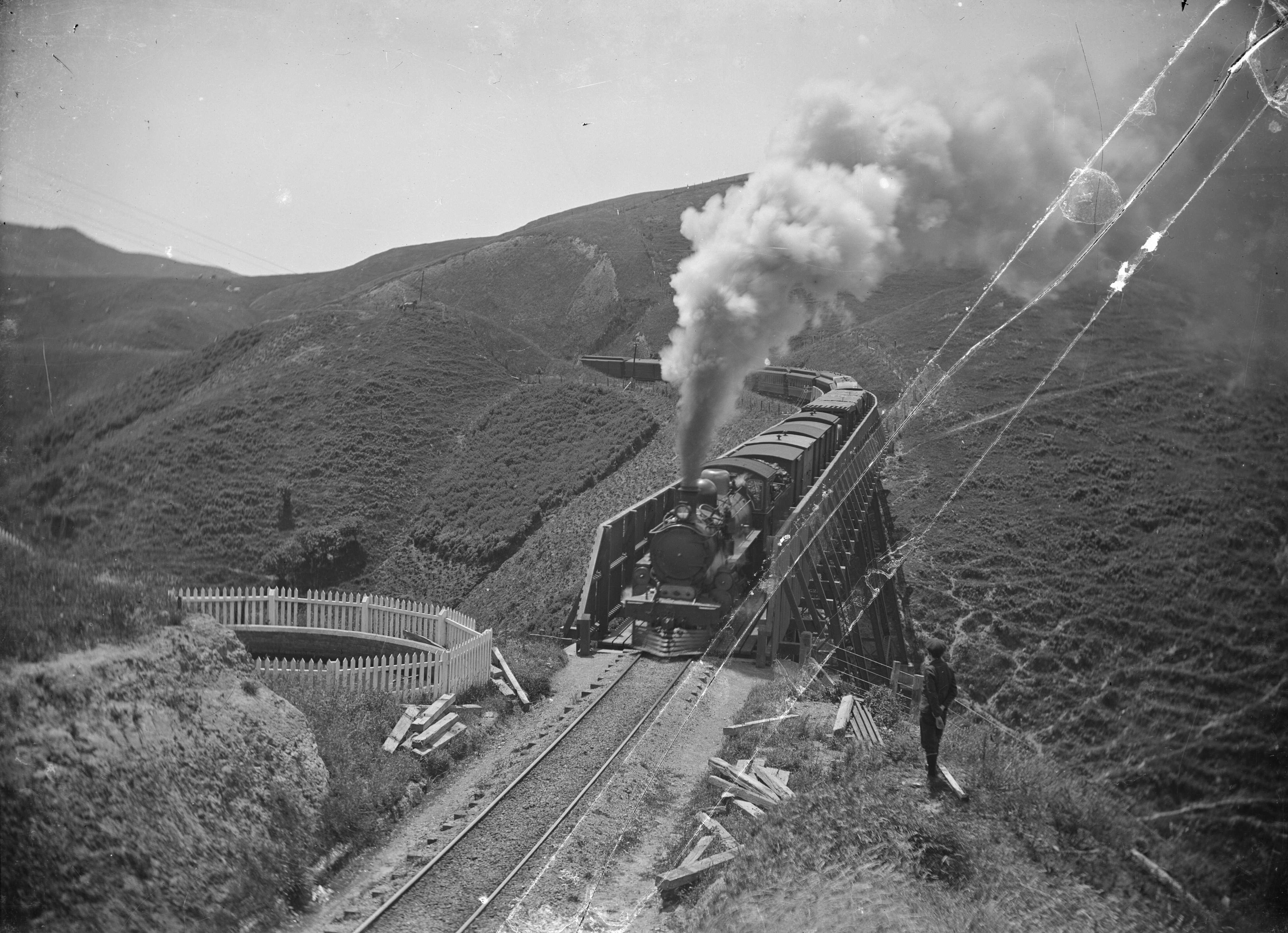
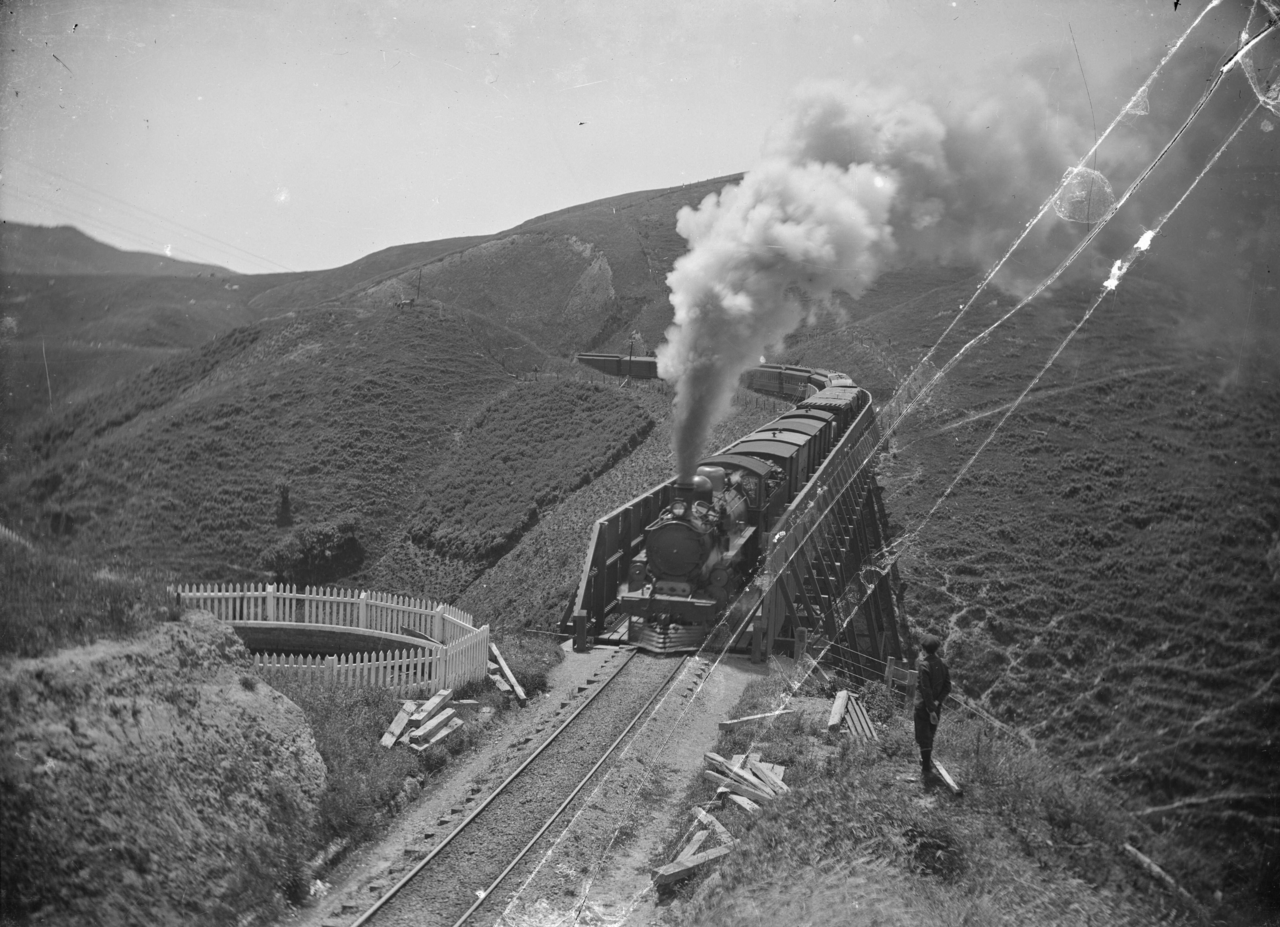
The viaduct was part of Wellington's railway network, carrying trains across the valley on the line serving the capital's expanding northern suburbs for both commuter and freight traffic. As lines were adjusted and rebuilt, the bridge was demolished and only the abutments remained as witnesses. They record Wellington's development as a rail hub and trace how urban infrastructure changes with the times, giving the site real value for railway enthusiasts and local-history researchers.
Booking & rules
Wear comfortable walking shoes and reach the site via suburban paths; allow time to explore nearby tracks as well. The remains are not actively managed: do not climb the masonry, respect the boundaries of neighbouring private land, and take care on sloping ground. Early morning or late afternoon, when light is soft, are the best times to view and photograph. Public sources do not record any opening hours or fees.
Source: https://www.openstreetmap.org/node/8041072834