Tunohopu
Where: Tunohopu, Maps
Getting there
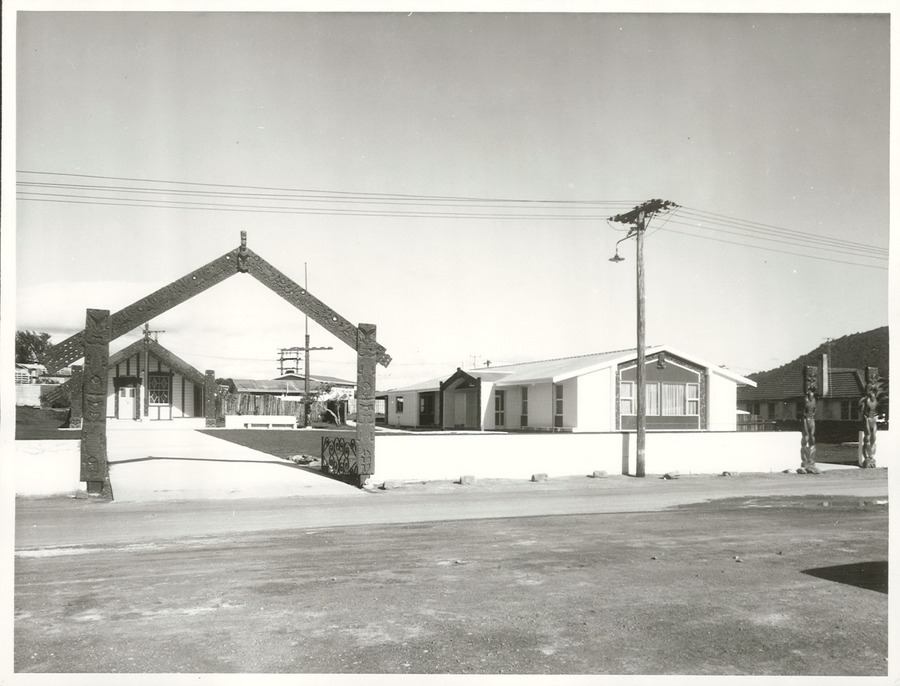
Tunohopu stands in the public streets and spaces of Rotorua, a city where geothermal steam rises from cracks beside the footpaths and Māori presence is woven through daily urban life. As an outdoor work, it is encountered incidentally by passers-by rather than behind gallery walls; no specific street address is recorded in public sources, so visitors are best advised to look for it while exploring the central city and its cultural precincts.
Things to do nearby
The work sits in a city built for slow cultural wandering: geothermal parks, lake-edge walks and Te Arawa heritage sites are all part of the surrounding fabric of central Rotorua. Public sources do not record the exact buildings or attractions immediately adjacent to the artwork, but it lends itself naturally to being combined with the geothermal reserves and lakeside promenades for which the city is known.
Highlights
What distinguishes Tunohopu is its name: it honours a significant ancestor of the Te Arawa iwi, the tribe whose descendants have lived in Rotorua for generations. Naming the work after an ancestor elevates it beyond street decoration into a public witness of local history and identity. In Māori culture, a name connects genealogy, land and identity, so the title itself carries meaning — an invitation to learn the name as a key to understanding the city's spiritual origins. It suits travellers interested in Māori art who want an accessible, unhurried introduction to Rotorua's cultural face.
History & culture
Tunohopu is an important ancestor in the history of Te Arawa, and Rotorua is one of New Zealand's most culturally concentrated Māori cities, where tribal tradition and modern urban life interweave. Works like this act as bridges between everyday life and cultural memory, letting ancestral stories step out of the museum and into the streets to become part of what pedestrians pass each day. Public sources do not record the work's creation date, artist or commissioning details.
Booking & rules
No tickets or booking are needed — the work is there to be encountered in passing. Take a moment to slow down and study the forms and details for their symbolic content, then continue on foot: pair the visit with the geothermal parks and lake-side walks nearby for a rich but unhurried day of culture. Public sources do not record any viewing restrictions or lighting conditions after dark.
Source: https://www.openstreetmap.org/node/13909022748