Sunburst Reserve & Tamatea Espl Playground - Public Access
Where: Sunburst Reserve & Tamatea Espl, Maps
Getting there
Sunburst Reserve & Tamatea Esplanade sits at the edge of a small tidal inlet on Auckland's suburban shoreline, hemmed in by quiet residential streets far from the city centre's bustle. It forms part of Auckland's tradition of continuous public waterfront reserves, linking neighbouring communities through an esplanade strip that carries walkers and cyclists along the harbour's natural edge. Access is easiest on foot or by bike from the surrounding neighbourhoods, with local street parking available for those arriving by car.
Things to do nearby
The esplanade connects into Auckland's wider waterfront walking and cycling network, so a visit can easily be extended into a longer shoreline stroll. Nearby residential areas supply everyday amenities, and families often combine a reserve visit with other stops along the same coastal route. Public sources do not record specific shops or attractions within the reserve itself.
Highlights
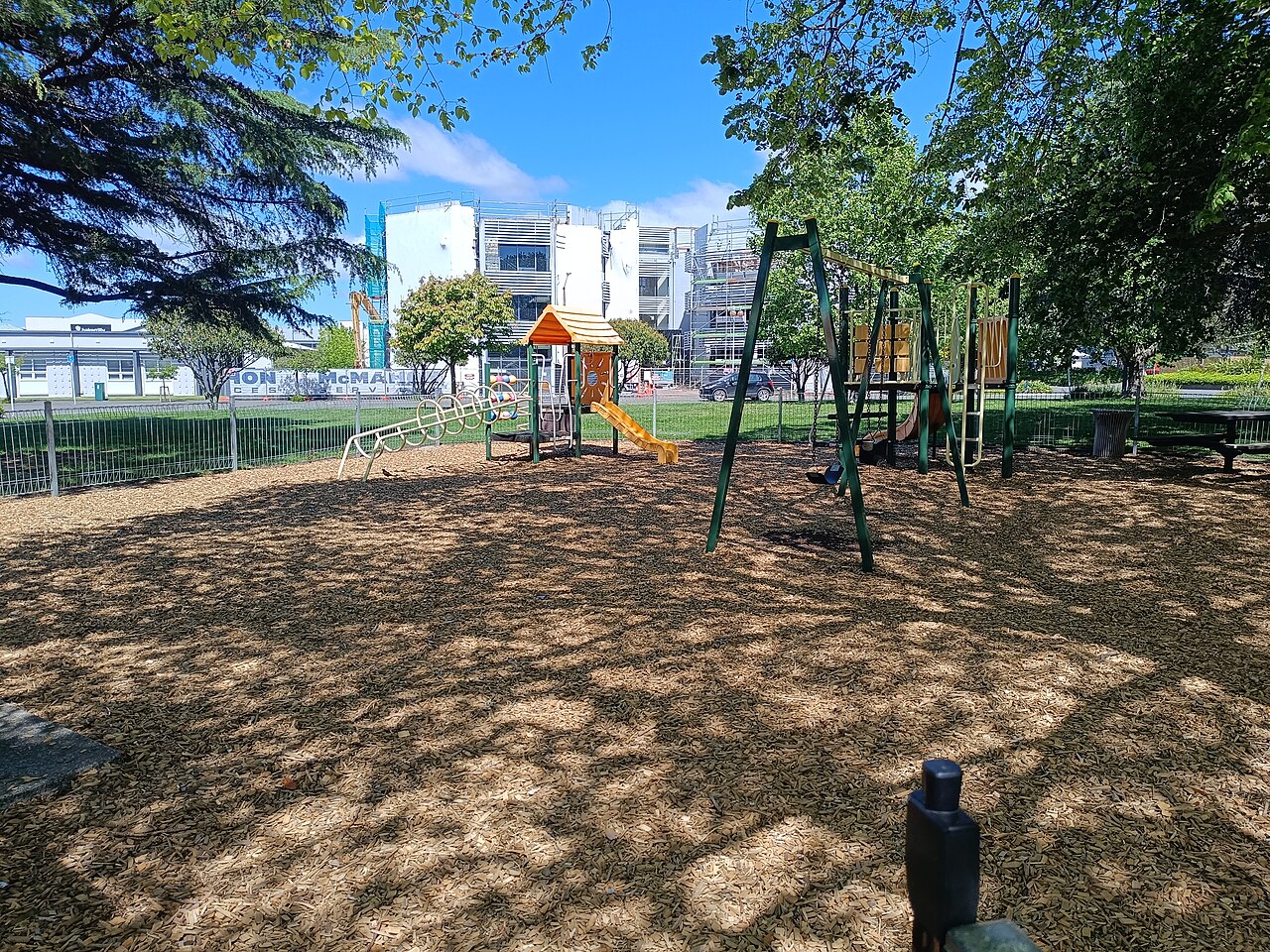
The reserve pairs open lawns and shaded trees with a band of wetland at the water's edge. The scenery changes with the tide: at high water the surface comes close to the path and reflections brighten the view, while at low tide broad mudflats emerge and herons and oystercatchers feed in the open — a relaxed spot for casual birdwatching. A playground keeps younger children occupied, making the place suit local exercisers, families with toddlers, and travellers curious about how Aucklanders live alongside their harbour.
History & culture
Auckland's planning tradition has long favoured keeping the harbour edge public, open and connected, and this green strip embodies that ideal: it shelters mudflats, wetland and waterbirds while stitching communities together along a continuous waterside route. Public sources do not record a specific Māori name or founding date for the reserve.
Booking & rules
No booking or entry fee applies — it is a reserve to drop into rather than plan around. Spring and autumn are the most comfortable seasons; winter winds can be sharp, so bring a windproof layer. Late afternoon offers the softest light for walking and photography, and low tide is the best time to watch wading birds along the exposed flats.