Zealandia
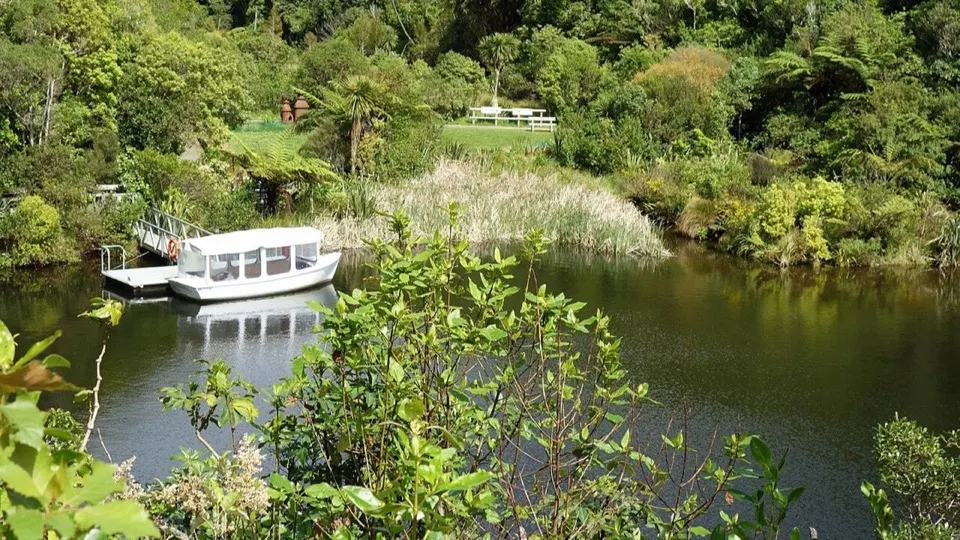
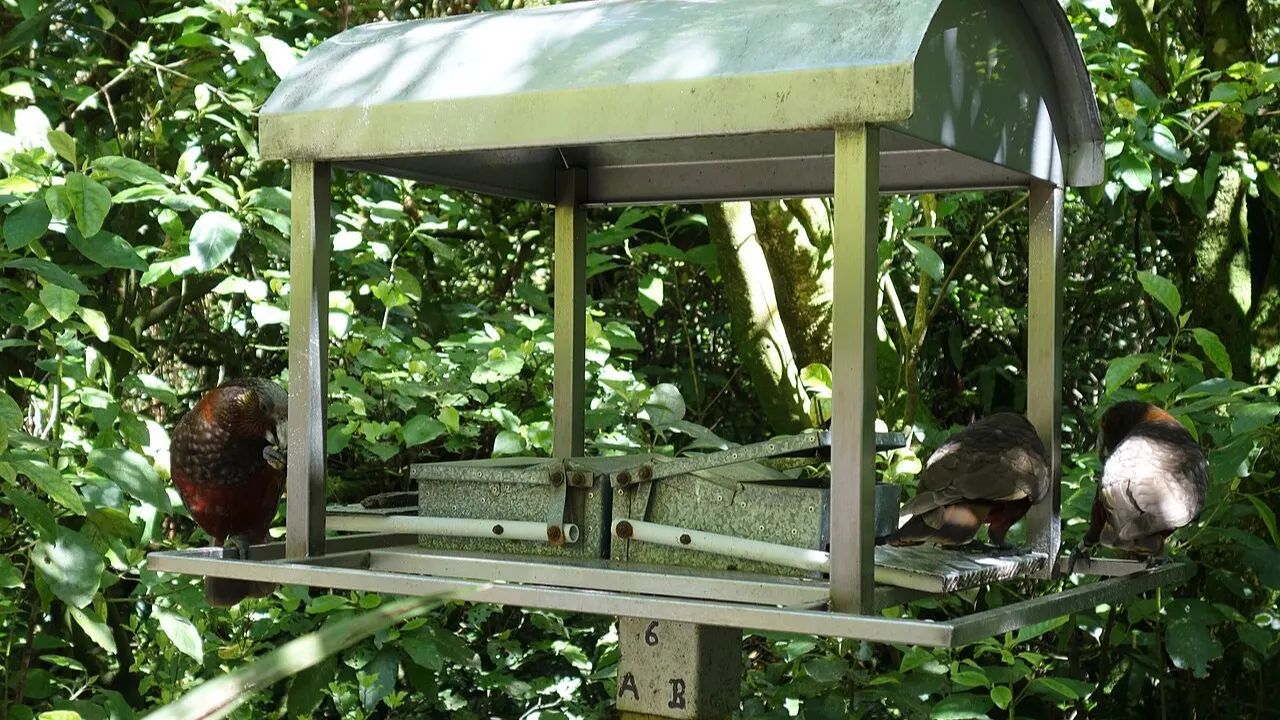
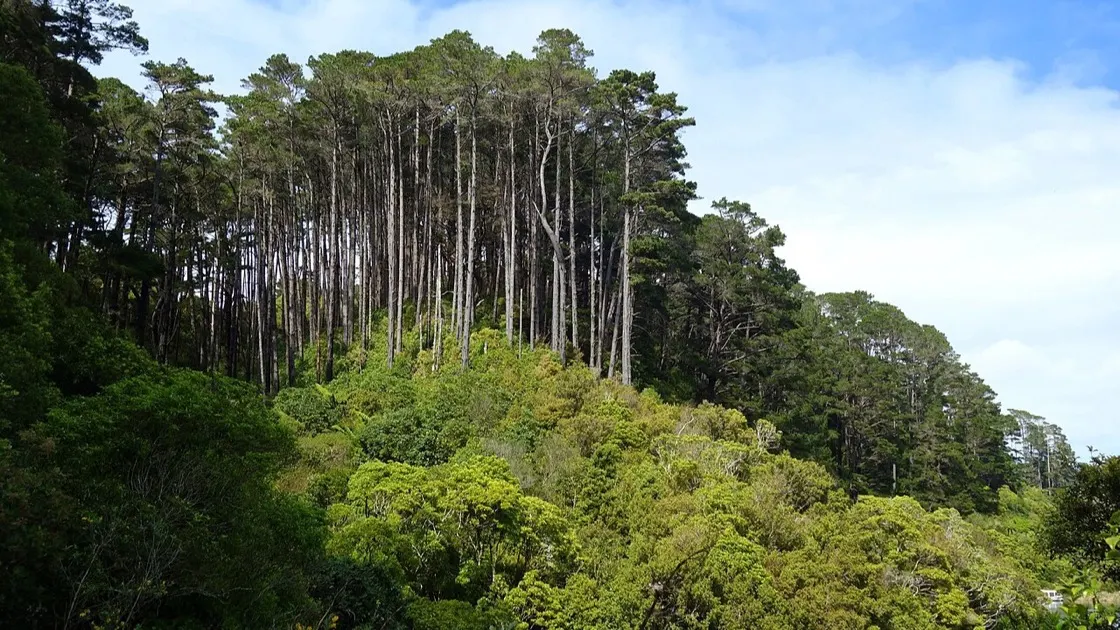
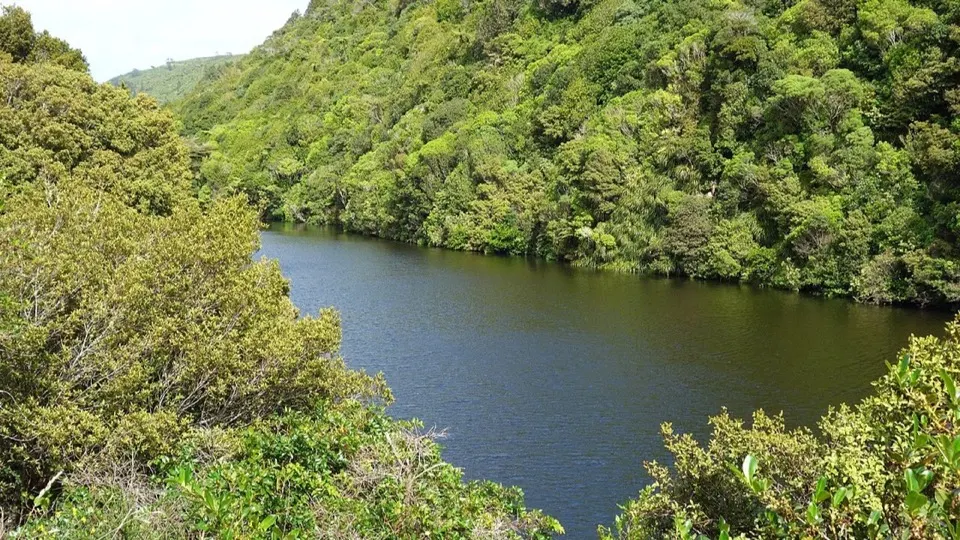
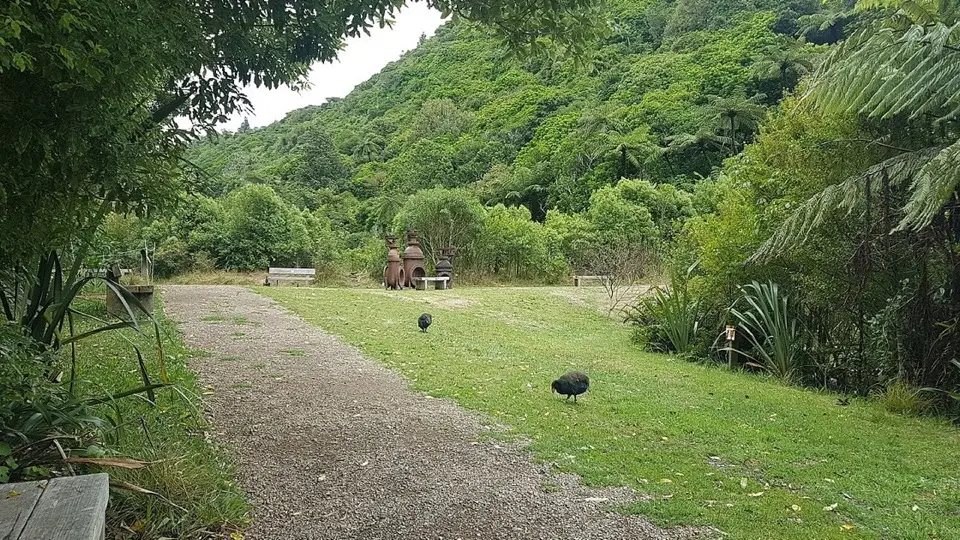
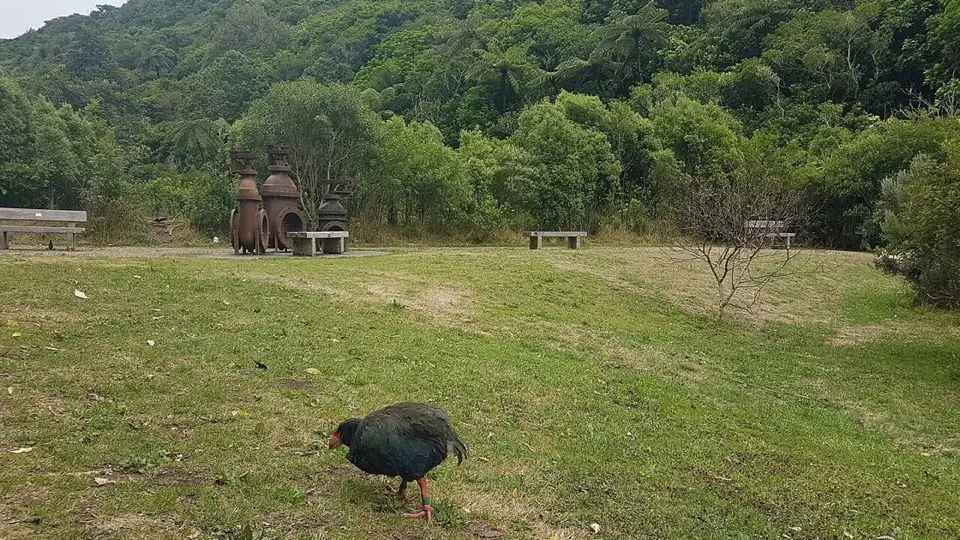


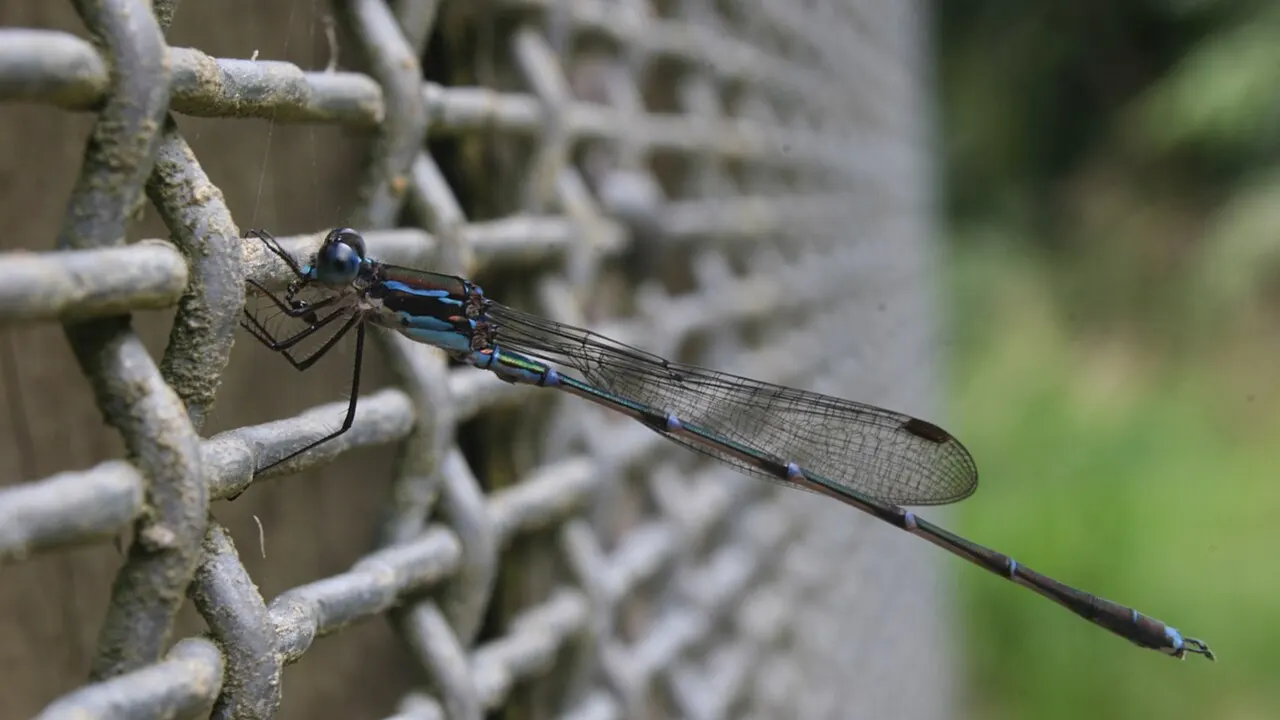
Photo credits: Daderot (CC0); L Maule (CC BY-SA 4.0); Pseudopanax at English Wikipedia (Public domain); Tony Wills (CC BY-SA 4.0)
Getting there
Zealandia Te Māra a Tāne, formerly the Karori Wildlife Sanctuary, lies on the edge of suburban Wellington, between Wrights Hill (bordering Karori) and the Brooklyn wind turbine on Polhill. It is the world's first completely fenced urban ecosanctuary, within easy reach of the city centre.
Things to do nearby
Valley-bottom walkways pass the historic upper and lower dams and wetlands. The sanctuary is credited with greatly increased sightings of tūī and kākā across Wellington's suburbs, and offers views over the city. Guided day tours, night tours where visitors often see kiwi, and dawn tours focused on the dawn chorus are available, often led by volunteers.
Highlights
A world-first pest-exclusion fence encircles the 8.6-kilometre perimeter of 225 hectares of regenerating forest, designed to exclude 14 mammal species from mice to deer, using small mesh, a curved top-cap and an underground foot. Released species include little spotted kiwi, takahē, kākā, saddleback, hihi, toutouwai, tuatara, giant wētā and Hamilton's frog. The award-winning Visitor Centre opened in 2010.
History & culture
Once covered in broadleaf forest, the valley was cleared by fires in the 1850s–60s for farming, saw a small gold rush after finds in the Kaiwharawhara stream in 1869, then served as Wellington's water catchment with dams completed in 1873 and 1908. The sanctuary idea was promoted by Jim Lynch in the early 1990s; the trust formed in 1995, the fence was completed in 1999, and the Māori name Te Māra a Tāne — 'the garden of Tāne' — was adopted.
Booking & rules
Open 9am to 5pm all year except 25 December. Entry is by ticket, bookable online at www.visitzealandia.com, with guided night and dawn tours also requiring bookings. Dogs and other pets are not appropriate in the predator-fenced sanctuary. It won the Supreme Tourism Award at the 2023 New Zealand Tourism Awards.
About this attraction
Zealandia wraps a 225-hectare forested valley behind a predator-proof fence completed in 1999 — a world-first experiment in bringing wildlife back to a capital city. Valley tracks pass the old reservoir dam and wetlands while kākā tumble and screech overhead; takahē graze the flats, tuatara bask in enclosures, and little spotted kiwi roam the night bush. The award-winning exhibition inside the visitor centre tells the whole ecological comeback story.
Highlights
Walk the valley tracks listening for kākā overhead, watch takahē grazing the wetlands, book a guided night tour to meet little spotted kiwi, and finish in the exhibition inside the visitor centre.
Cautions
Stay on marked tracks and keep gates shut — the fence is the whole experiment; no dogs, and drones are banned.
Getting there
About 10 minutes' drive from the CBD with free parking; the Cable Car plus a 15-minute signposted walk also works, and buses stop nearby — shuttle options on the official site.
noda attraction index 75
3.8 / 5
How the attraction index works
Each attraction is scored from five verifiable data points, out of 100. This is an editorial index, not a user rating — it reflects how free, how scenic and how well documented a place is, not anyone's personal experience.
| Free bonus | 20 pts | Completely free 20; small fees (parking, gold-coin koha) 10; expensive tickets 0. |
|---|---|---|
| Scenery uniqueness | 25 pts | World Heritage or landmark-level 25, regional 18, local 12 — each listing is explicitly tiered. |
| Things to do | 20 pts | Ranked by the depth of the highlights write-up: full 20, medium 14, brief 10. |
| Information completeness | 20 pts | 15 for having about, best time, cautions and access notes, minus 4 per missing item; plus 5 for two or more official sources. |
| Accessibility | 15 pts | Reachable by car 15, short walk 12, long tramp required 6. |