White Heron Sanctuary (kōtuku nesting)


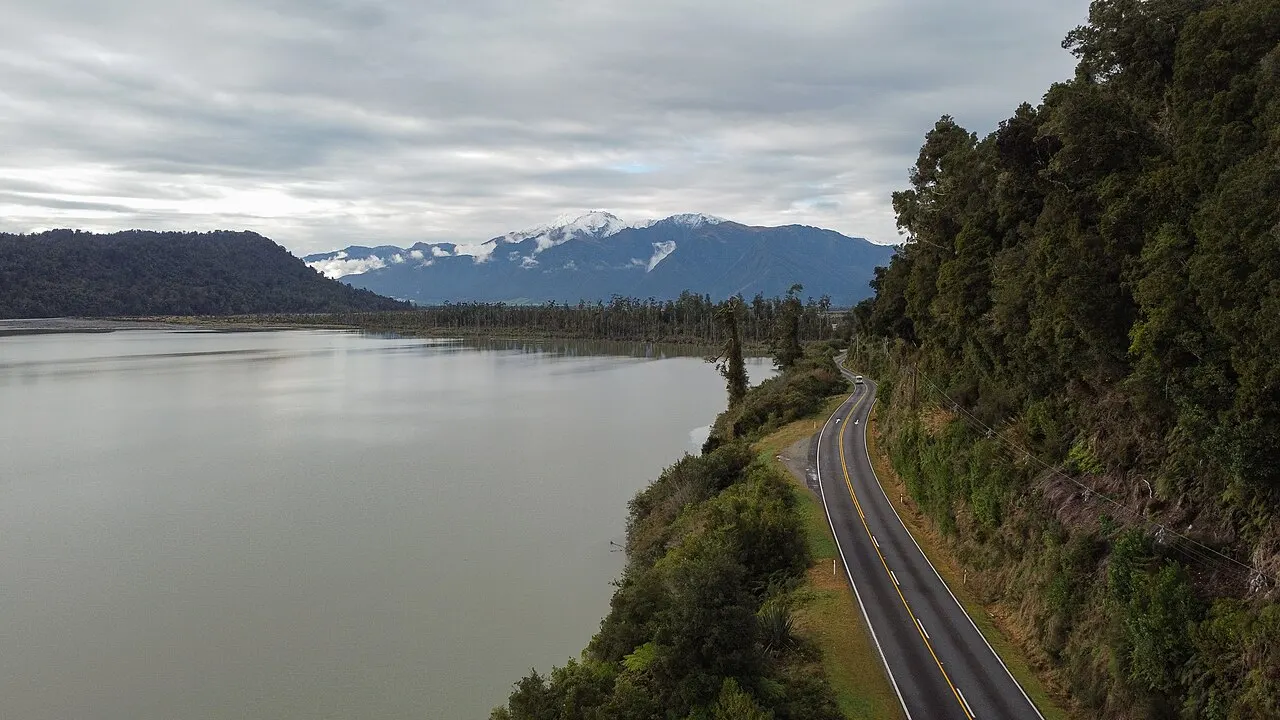

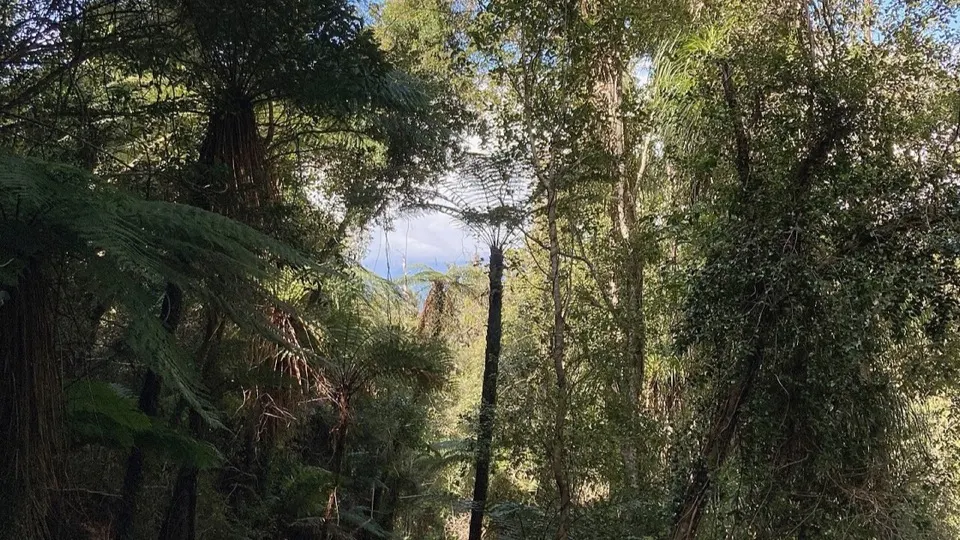
Photo credits: Krzysztof Golik (CC BY-SA 4.0); Marshelec (CC BY-SA 4.0); Mike Dickison (CC BY 4.0); Stewart Nimmo (CC BY-SA 4.0); Maksym Kozlenko (CC BY-SA 4.0)
Getting there
The sanctuary lies in rainforest near Whataroa on New Zealand's West Coast, at the country's only white heron (kōtuku) nesting site. The breeding colony is strictly protected, and independent access is not permitted: visitors enter only with a licensed guided tour, travelling in by minibus and then by boat, before observing quietly from a purpose-built hide kept at a respectful distance from the nesting trees.
Things to do nearby
The site sits deep in rainforest beside water near the Whataroa area. Beyond the heron colony itself, the surrounding West Coast rainforest and waterways offer the chance to see other waterbirds on the way in, and the town of Whataroa serves as the departure point for tours to the sanctuary.
Highlights
This is the only white heron breeding site in New Zealand, where the birds nest in just a few large waterside trees. During the spring-to-midsummer breeding season the same trees also hold nesting royal spoonbills and little shags, an exceptionally rare sight. For birdwatchers the sanctuary is close to sacred ground; for other visitors it is a strictly protected, hard-to-come-by nature experience.
History & culture
Māori regard the kōtuku as a sacred bird. The nesting site's protected status reflects its cultural significance and its uniqueness as the sole white heron breeding colony in the country, with visits carefully managed to keep disturbance of the birds to a minimum.
Booking & rules
The breeding ground operates as a strictly controlled reserve. Entry is possible only with licensed guided tours combining minibus and boat travel, with viewing from a hide at a set distance. Visits centre on the spring-to-midsummer breeding season, places are limited, and advance booking is required.
About this attraction
In the rainforest near Whataroa hides New Zealand’s only kōtuku (white heron) nesting colony. The birds nest in a handful of trees over a quiet waterway, and the site is protected as a sanctuary: visits run only with licensed guides, who take small groups in by minibus and boat and watch from a hide at a respectful distance. The nesting season, from spring into mid-summer, also brings royal spoonbills and little shags to the same trees. For birders it is close to a pilgrimage; for everyone else it is a rare, carefully controlled glimpse of one of the country’s most elegant birds at home.
Highlights
Ride the boat into the sanctuary with a licensed guide, watch nesting kōtuku and royal spoonbills from the hide, and learn how the colony is protected season by season.
Cautions
Access is by guided tour only — no independent entry at any time; the season is limited to nesting months, boats depend on weather, and flash photography is not allowed at the hide.
Getting there
Tours depart from Whataroa on State Highway 6, between Hokitika and Franz Josef; meet point and times confirmed with your booking.
noda attraction index 58
3.0 / 5
How the attraction index works
Each attraction is scored from five verifiable data points, out of 100. This is an editorial index, not a user rating — it reflects how free, how scenic and how well documented a place is, not anyone's personal experience.
| Free bonus | 20 pts | Completely free 20; small fees (parking, gold-coin koha) 10; expensive tickets 0. |
|---|---|---|
| Scenery uniqueness | 25 pts | World Heritage or landmark-level 25, regional 18, local 12 — each listing is explicitly tiered. |
| Things to do | 20 pts | Ranked by the depth of the highlights write-up: full 20, medium 14, brief 10. |
| Information completeness | 20 pts | 15 for having about, best time, cautions and access notes, minus 4 per missing item; plus 5 for two or more official sources. |
| Accessibility | 15 pts | Reachable by car 15, short walk 12, long tramp required 6. |