Whakarewarewa Living Maori Village
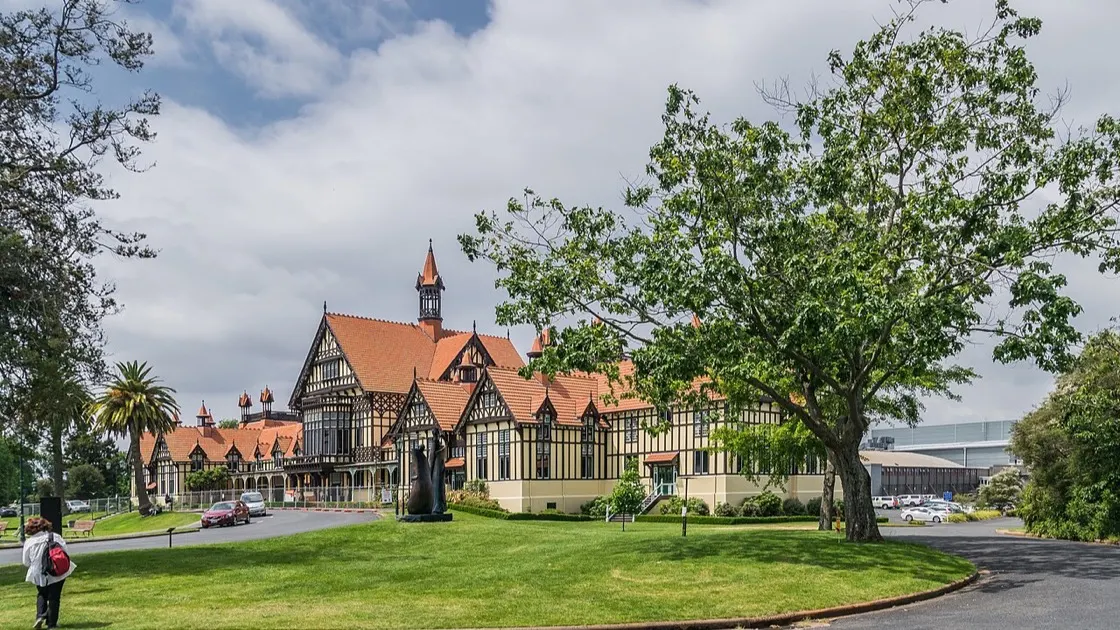
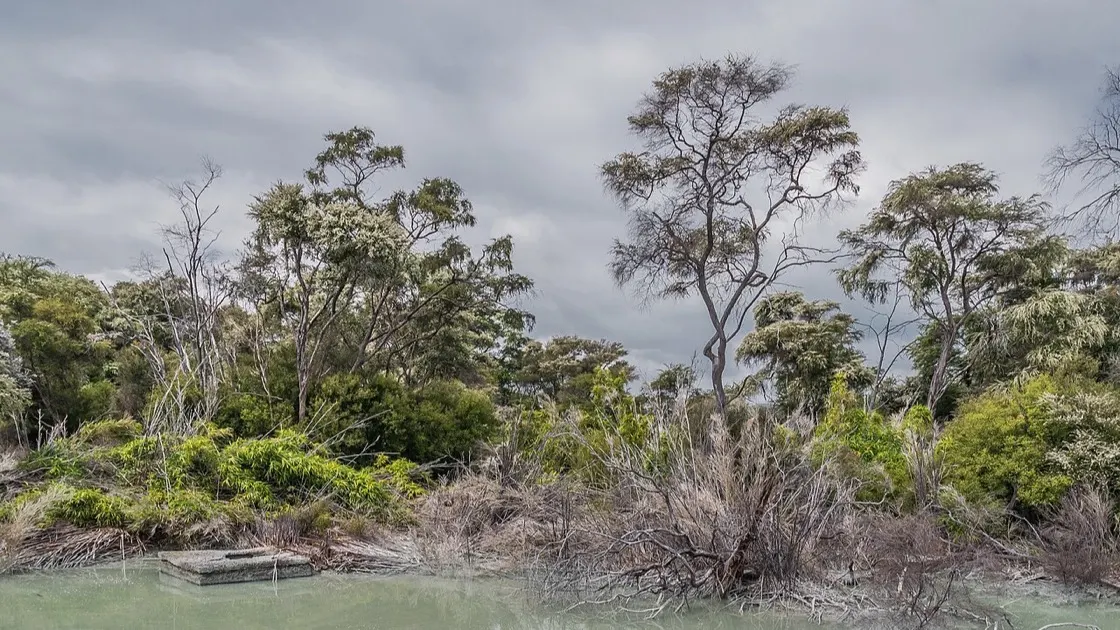

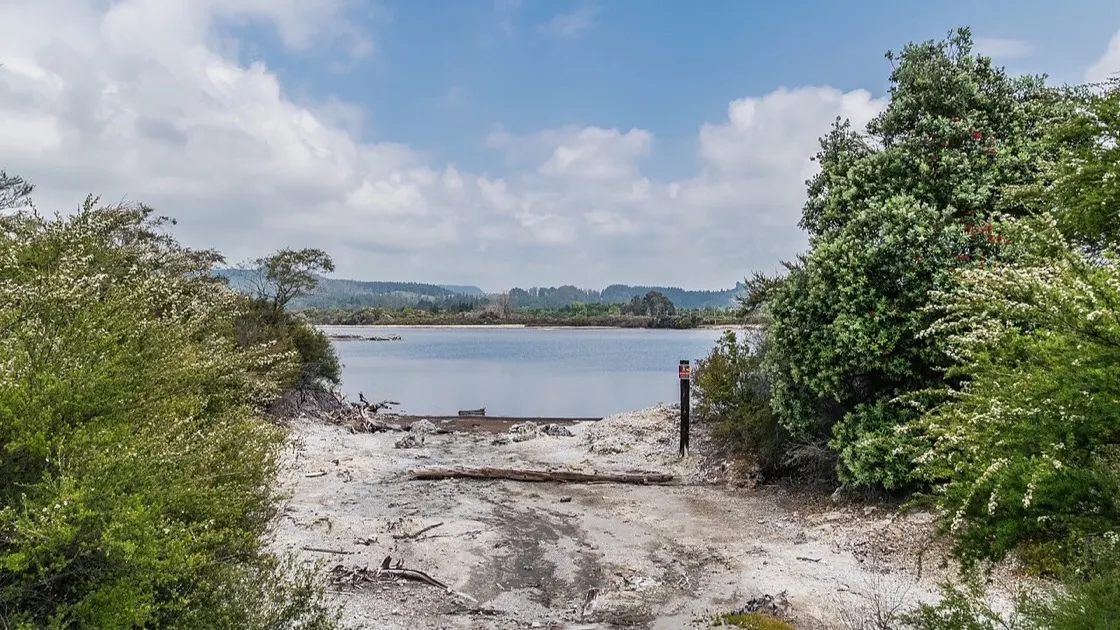
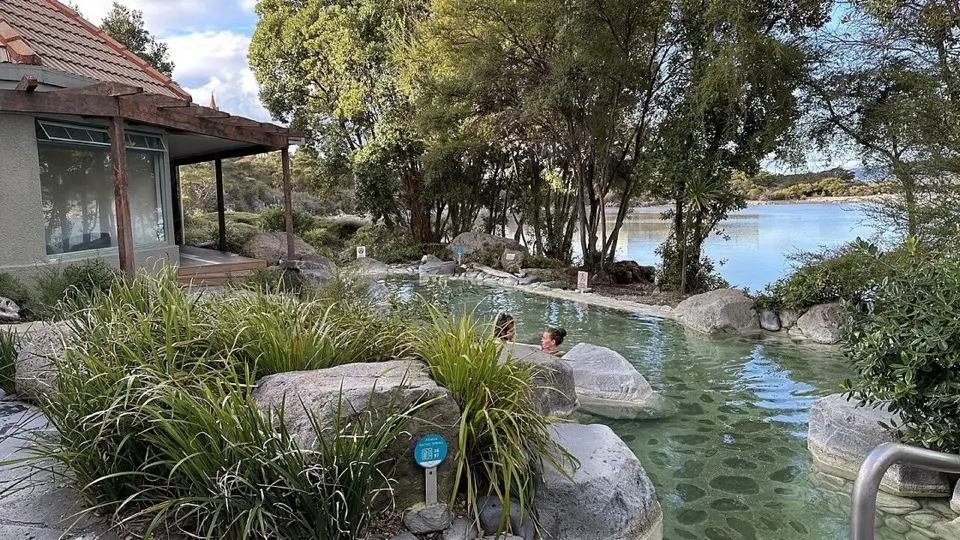
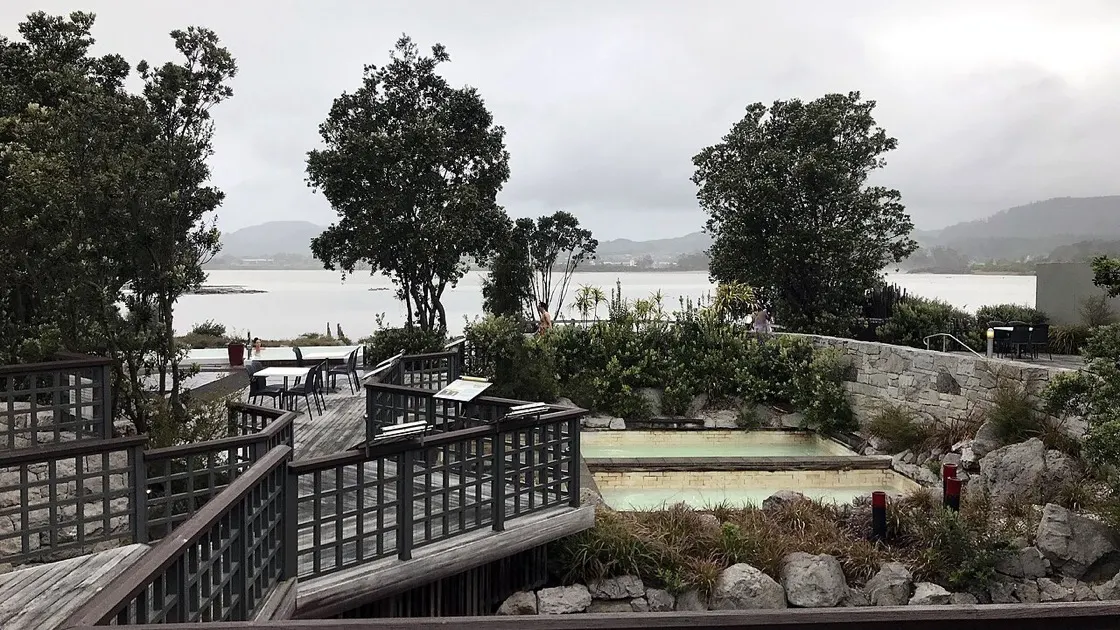
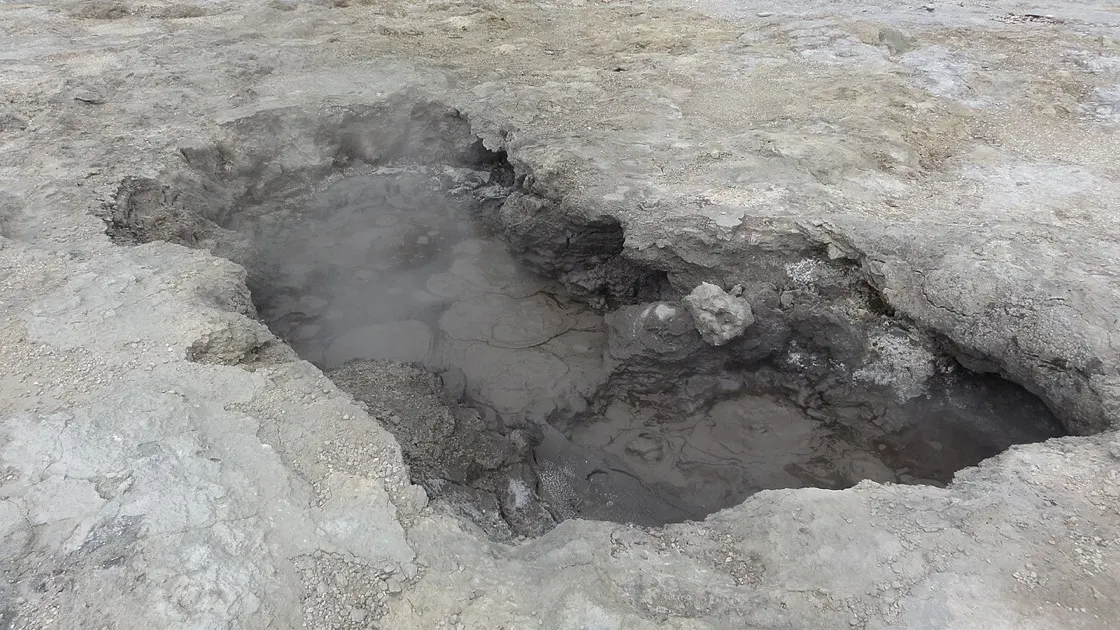
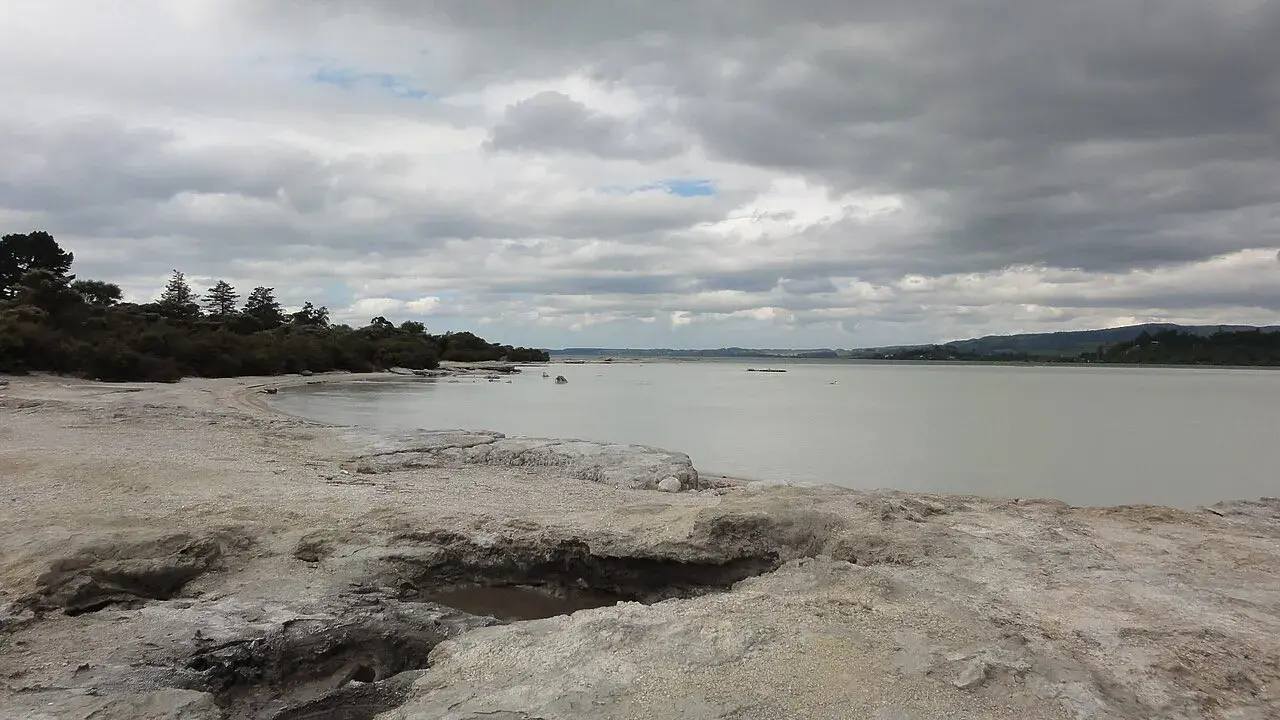
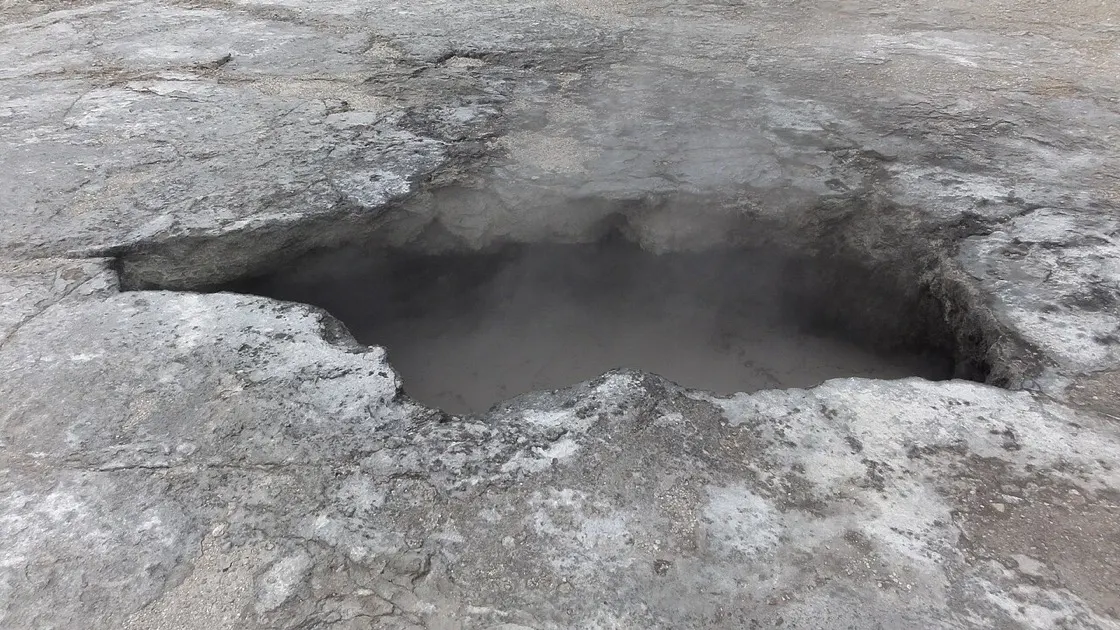
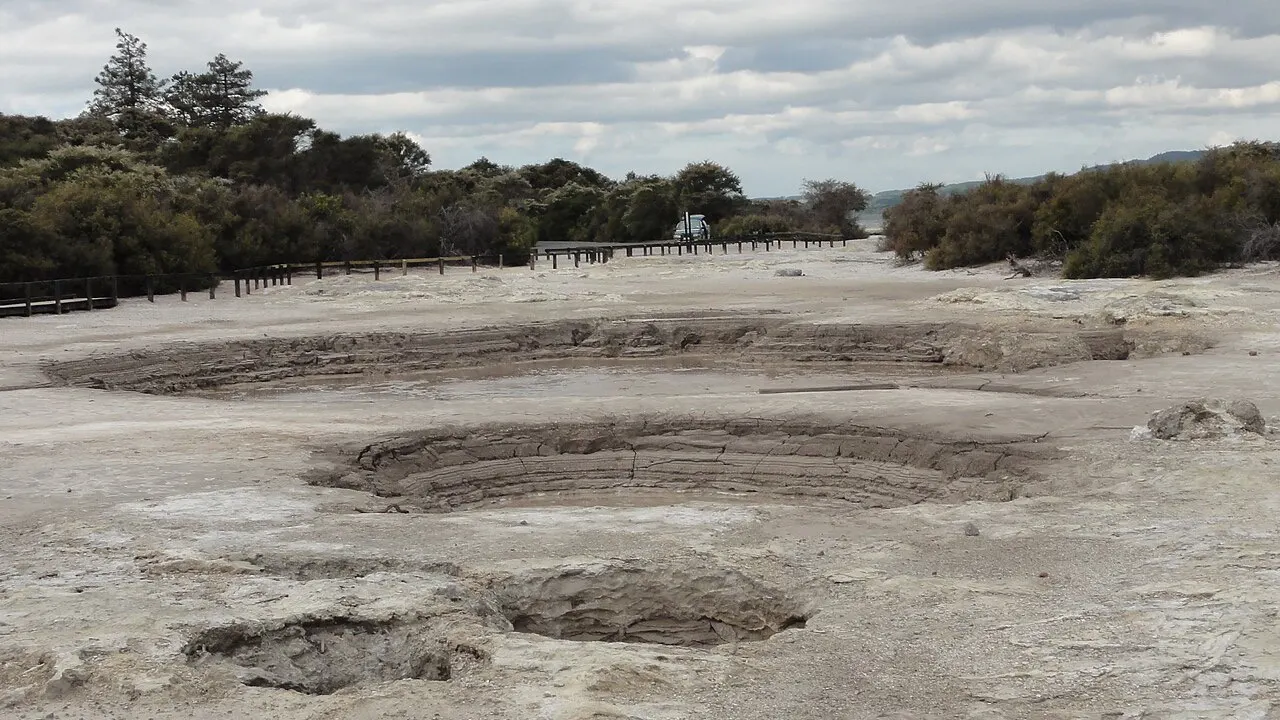
Photo credits: Krzysztof Golik (CC BY-SA 4.0); Wendy Harman (CC BY 2.0); Bex Walton (CC BY 2.0); Andy king50 (CC BY-SA 3.0)
Getting there
Whakarewarewa, often shortened to "Whaka", is a semi-rural geothermal suburb in Rotorua in the Bay of Plenty, on New Zealand's North Island. It sits in the Taupō Volcanic Zone, about 328 hectares of land covered with some 500 hot pools and at least 65 geyser vents. It lies just south of Rotorua's city centre and shares its geothermal field with the neighbouring Te Puia attraction.
Things to do nearby
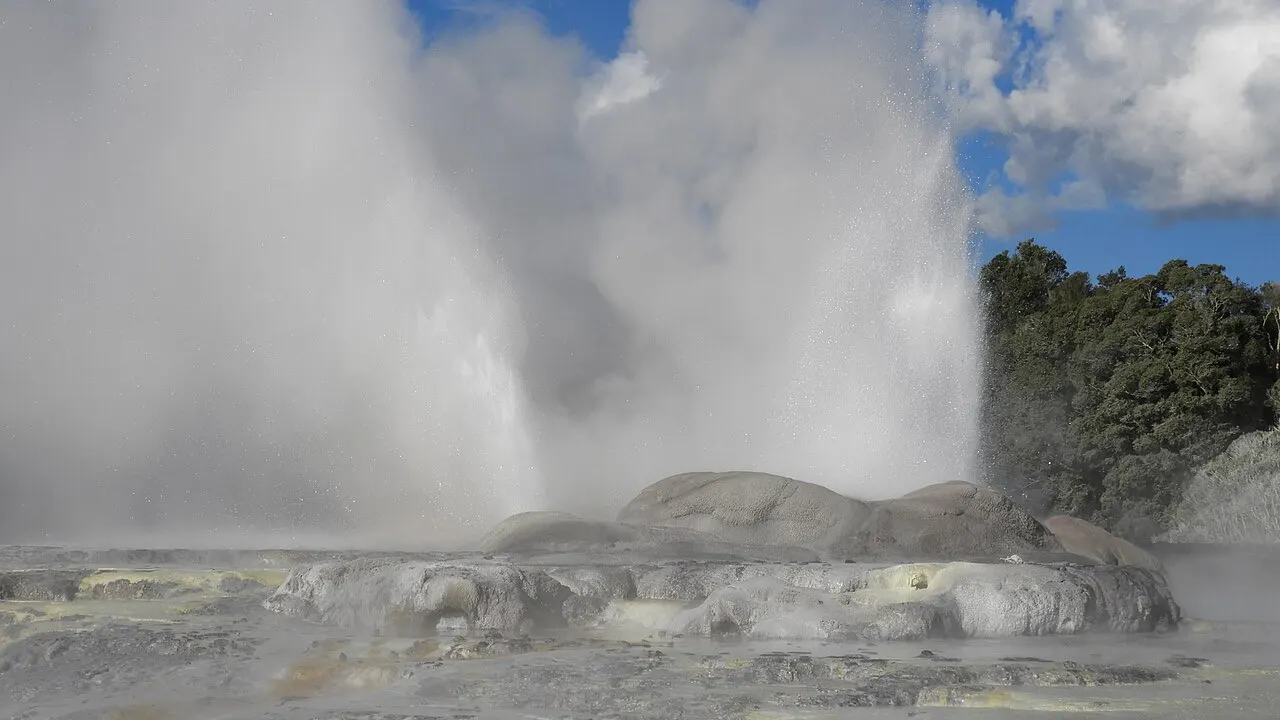
The village sits beside Geyser Flat, where Pōhutu Geyser erupts roughly hourly to heights of up to 30 metres, often heralded by the Prince of Wales Feathers (Te Tohu) geyser. Other named features include Waikorohihi, Mahanga (the Boxing Glove), the dormant Wairoa Geyser, Waikite Geyser on its sinter mound, and Kereru Geyser beside Puarenga Stream. Mud pools and steaming fumaroles dot the valley.
Highlights
This is a living Māori village where homes sit right beside steaming vents and communal hot pools. Villagers guide the tours themselves, showing everyday life: corn cooked in woven baskets hung in boiling springs, bathhouses heated by geothermal steam, and a fully carved meeting house. The village viewing platform offers a distinct angle on Pōhutu's eruptions.
History & culture
The full name, Te Whakarewarewatanga O Te Ope Taua A Wahiao, means "the gathering place of the war parties of Wahiao". A pā (fortress) called Te Puia was first occupied around 1325 and was known as an impenetrable stronghold never taken in battle; Māori have lived here ever since, using the geothermal heat for cooking and warmth. Te Pākira Marae and the Wahiao meeting house are home to the Tūhourangi hapū of Ngāti Puta, Ngāti Uruhina, Ngāti Wāhiao, Tūhourangi and Ngāti Taoi.
Booking & rules
The village is a working residential area visited through village-run guided tours; book through the Whakarewarewa Thermal Village Tours website. Note that much of the broader geothermal area is managed separately by Te Puia. Visitor numbers were historically affected by past city bore extraction, before a 1987–88 bore closure programme helped the geysers recover — a good reason to respect the site's rules and stay on guided paths.
About this attraction
At Whakarewarewa, homes sit beside steaming vents, communal hot pools and the Pohutu geyser, which residents have watched erupt for generations. Villagers guide visitors through daily life: corn cooked in basket-lined hot pools, bathhouses warmed by the ground, and meeting houses dense with carving. The village shares a geothermal field with neighbouring Te Puia, and its lookout gives a second angle on Pohutu itself.
Highlights
Join a villager-led tour up to the geyser lookout, taste corn and other kai cooked in the basket-lined hot pools, then watch a cultural performance in the carved meeting house.
Cautions
This is a living community — follow your guide, photograph people only with permission, and stay on marked paths around thermal features.
Getting there
Drive about five minutes south of central Rotorua, with parking at the village entrance.
noda attraction index 73
3.7 / 5
How the attraction index works
Each attraction is scored from five verifiable data points, out of 100. This is an editorial index, not a user rating — it reflects how free, how scenic and how well documented a place is, not anyone's personal experience.
| Free bonus | 20 pts | Completely free 20; small fees (parking, gold-coin koha) 10; expensive tickets 0. |
|---|---|---|
| Scenery uniqueness | 25 pts | World Heritage or landmark-level 25, regional 18, local 12 — each listing is explicitly tiered. |
| Things to do | 20 pts | Ranked by the depth of the highlights write-up: full 20, medium 14, brief 10. |
| Information completeness | 20 pts | 15 for having about, best time, cautions and access notes, minus 4 per missing item; plus 5 for two or more official sources. |
| Accessibility | 15 pts | Reachable by car 15, short walk 12, long tramp required 6. |
Things to do nearby · Events
 Te Puia
 Paint and Wine Night - Summer in NZ
 Textured Paint Art and Wine Night - Texture Blossoms
 The Big Bike Film Night 2027
 The Song They Saved - Documentary Screening
 SoundSwell Summer Concert
 Wahine Toa - Womens Adventure Film Festival
 Ngā Waka Whiria: Hauora and Leadership in Construction