Waiheke Island (Oneroa)
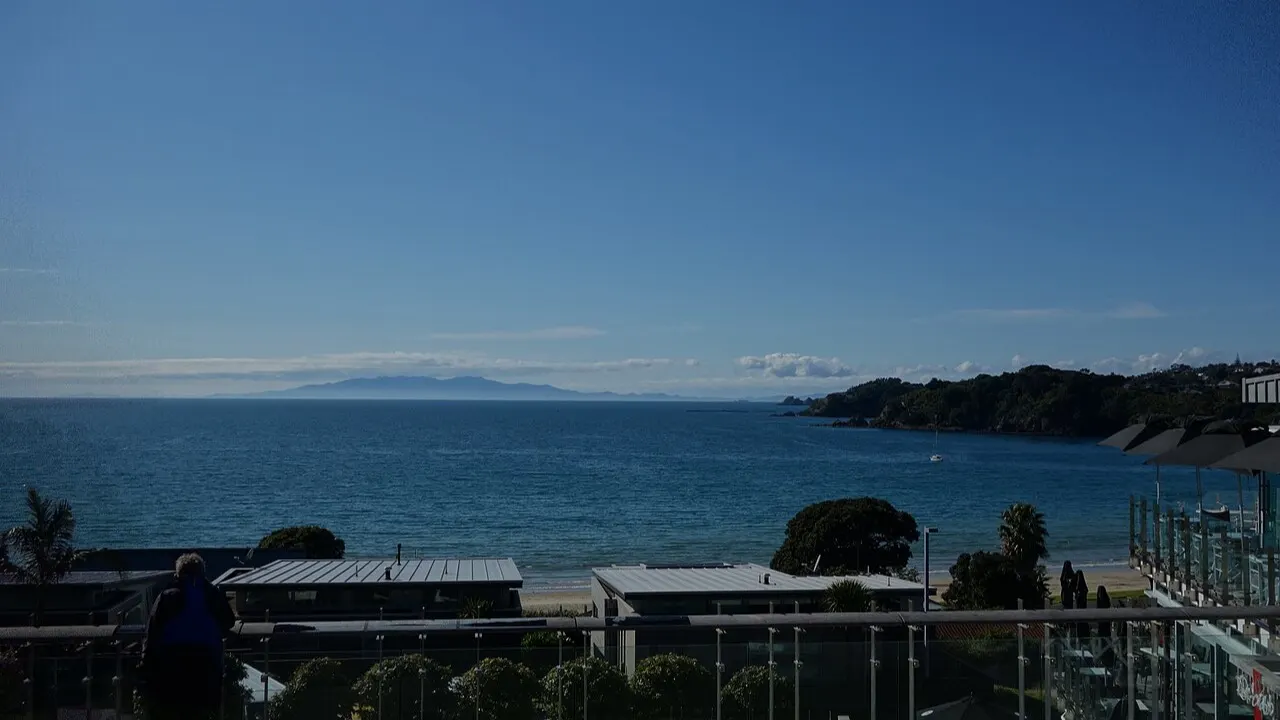
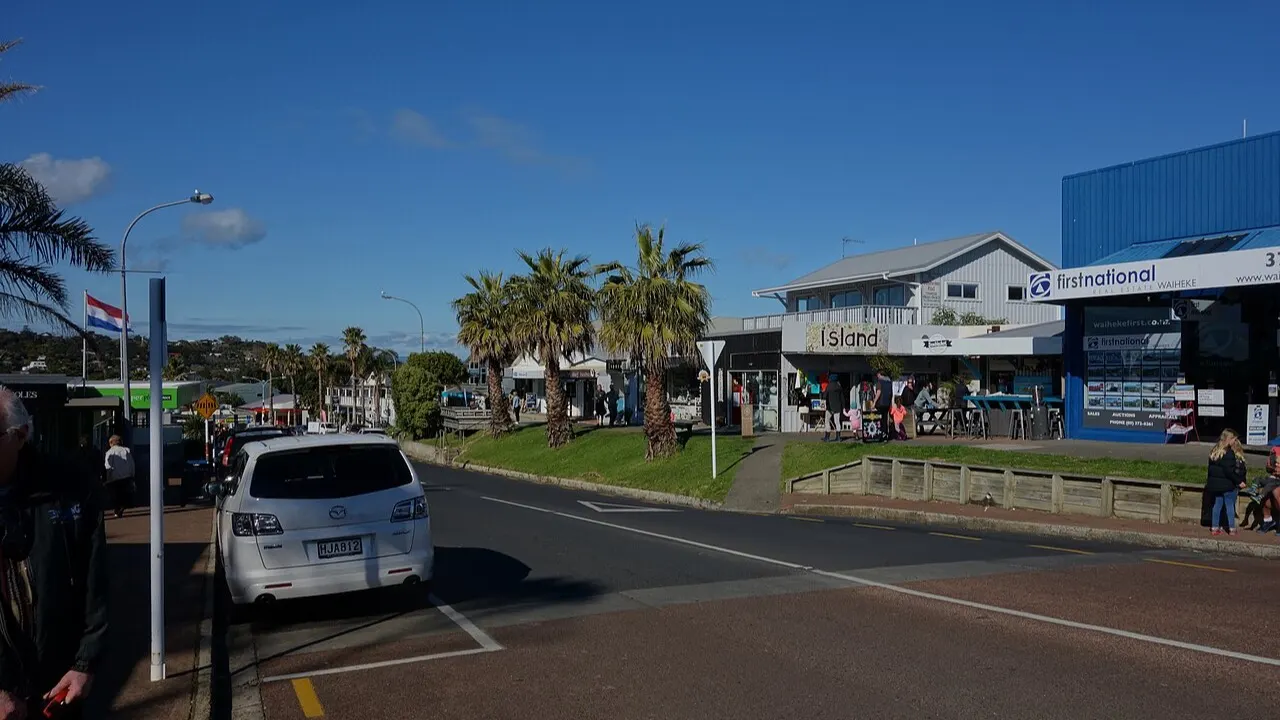


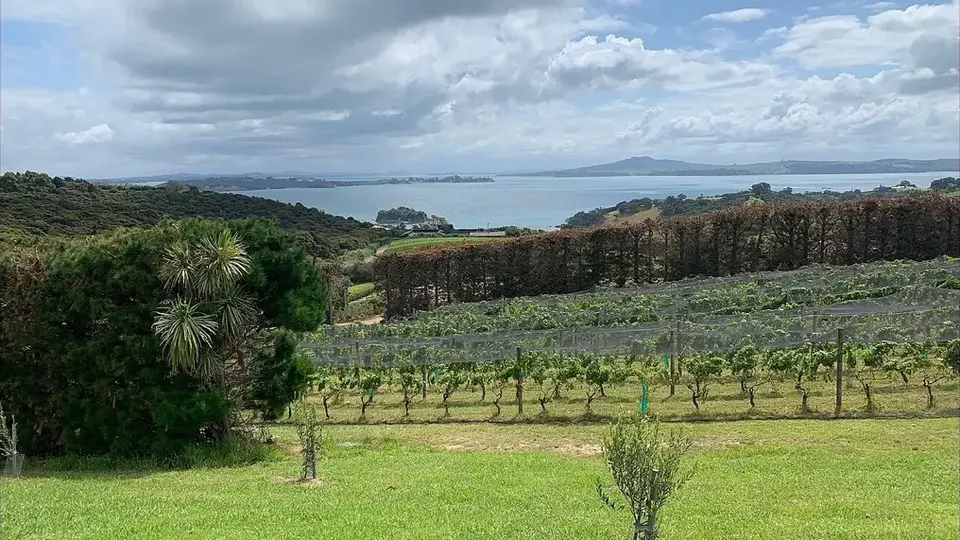

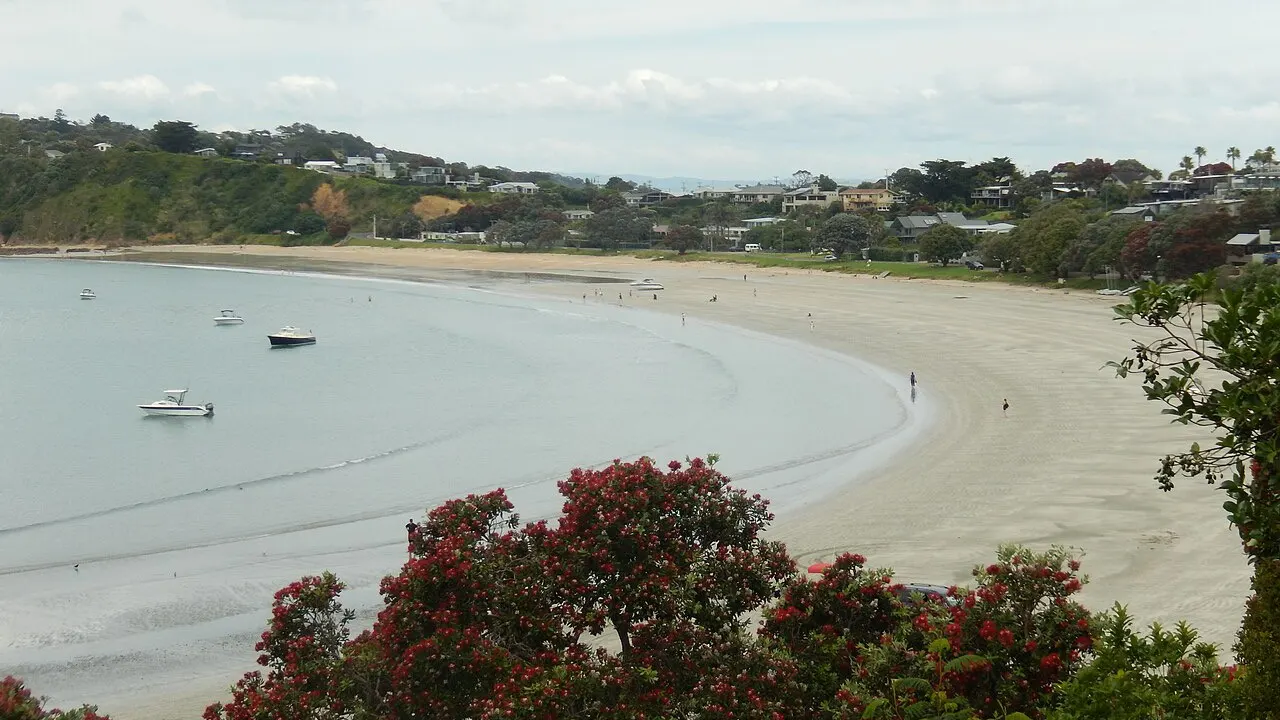
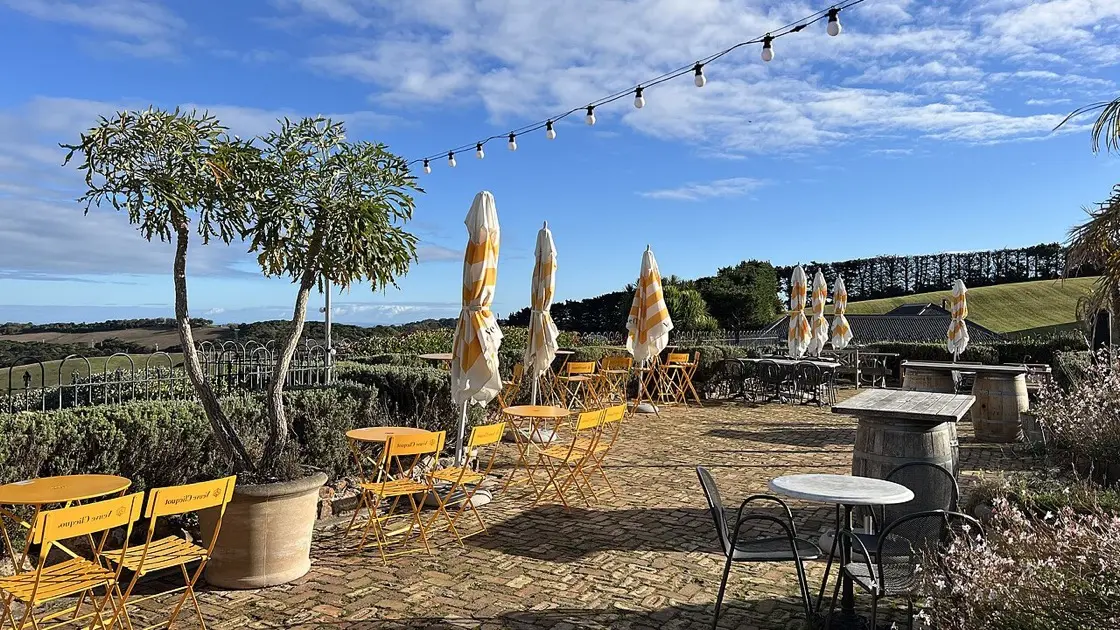

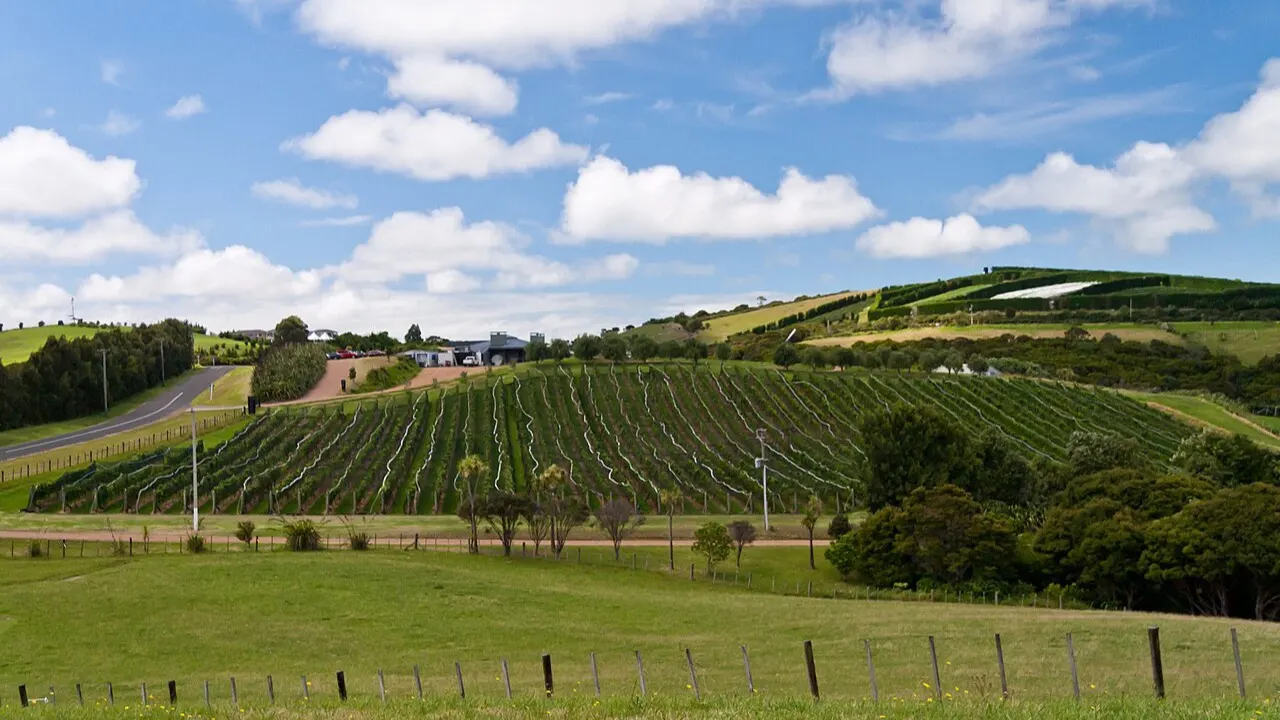
Photo credits: Schwede66 (CC BY-SA 4.0); Tahatai (CC0); Steveonmz (CC BY-SA 4.0); AlasdairW (CC BY-SA 4.0); Mike Dickison (CC BY 4.0); russellstreet (CC BY-SA 2.0)
Getting there
Waiheke Island lies in the Hauraki Gulf, off Auckland. Its Matiatia Bay ferry terminal at the western end is 21.5 km from Auckland's central-city terminal, making it the most accessible island in the gulf. Regular passenger and car ferries run from downtown Auckland; the island also has bus services, a locally based helicopter operator and other air links. The island is 19.3 km long, 92 sq km in area, and very hilly, rising to Maunganui at 231 m.
Things to do nearby
Oneroa Beach, the main beach above the main village, has free BBQs, toilets and a children's swing; Little Oneroa lies just east behind a cliff wall. Nearby Onetangi Beach runs 1.87 km and hosts the long-running Onetangi Beach Horse Races and annual sandcastle contests. Palm Beach, Blackpool and Surfdale Beaches (linked by the scenic Esplanade) suit kayaking, windsurfing and kitesurfing, while boat-only Cactus Bay is prized for picnics. Vineyards and headland walks string the island's bays together.
Highlights
Waiheke packs bush-fringed beaches, a dense concentration of vineyards and olive groves, and artist studios into one island. It has 40 km of beaches along a 133.5 km coastline, and eastern Waiheke is the remnant of a Miocene volcano about 15 million years old, including a folded chert stack at Pohutukawa Point. The island enjoys a warm, sunny microclimate — over 2,100 sunshine hours a year, more than much of Auckland — which suits both beach days and seaside wine tasting. Lonely Planet named it the fifth-best region in the world to visit in 2016.
History & culture
The original Māori name was Te Motu-arai-roa, 'the long sheltering island', later Motu-Wai-Heke, 'island of trickling waters'. Ngāti Pāoa are mana whenua, and the island saw many battles with Ngāpuhi up to the late 18th century, including a battle on Onetangi Beach. From the 1790s sealing and whaling ships repaired here; in 1836 Thomas Maxwell opened a shipyard at Man o'War Bay. The island later supplied Auckland with timber and firewood and mined manganese from 1872 to 1900, before evolving into today's arts, wine and holiday destination. In 2025 ten kiwi were released on the Te Matuku Peninsula, and the first chick hatched that October.
Booking & rules
The island is open year-round, with a subtropical-oceanic climate — warm, humid summers and mild winters with rare frost. Main beaches offer free BBQ facilities, public toilets and playgrounds. No booking is needed for the island itself; visitor pressure peaks on summer weekends, when ferries and winery venues are busiest. Roads and beaches are public; Little Palm Beach and parts of Onetangi are clothes-optional by custom, as public nudity is legal where 'known to occur' in New Zealand.
About this attraction
Waiheke mixes bush-lined beaches with vineyards, olive groves and studios. Oneroa, the main village, sits above a curving swimming beach with cafés and galleries; headland tracks link the northern coves. Sea-view wine tastings are the island signature, easily built into a ferry day trip.
Highlights
Swim at Oneroa, walk a headland track between coves, and book a sea-view vineyard lunch or tasting.
Cautions
Island buses are infrequent and slow between wineries — allow time, book tastings, and queue early for summer ferries.
Getting there
Fullers ferries run from downtown (about 40 minutes) to Matiatia; island buses and taxis fan out from the wharf.
Bookable experiences
 Waiheke Island: 3 Vineyards, Stunning Views & Wine TastingsView on Viator
 Waiheke Island Scenic Wine Tour, 3 Vineyards Best on IslandView on GetYourGuide
 Waiheke Island: Ferry & Hop-On Hop-Off Explorer Bus TicketsView on GetYourGuide
 Taste of Waiheke Food and Wine TourView on Viator
Prices are reference starting prices; final price on Viator / GetYourGuide
noda attraction index 73
3.7 / 5
How the attraction index works
Each attraction is scored from five verifiable data points, out of 100. This is an editorial index, not a user rating — it reflects how free, how scenic and how well documented a place is, not anyone's personal experience.
| Free bonus | 20 pts | Completely free 20; small fees (parking, gold-coin koha) 10; expensive tickets 0. |
|---|---|---|
| Scenery uniqueness | 25 pts | World Heritage or landmark-level 25, regional 18, local 12 — each listing is explicitly tiered. |
| Things to do | 20 pts | Ranked by the depth of the highlights write-up: full 20, medium 14, brief 10. |
| Information completeness | 20 pts | 15 for having about, best time, cautions and access notes, minus 4 per missing item; plus 5 for two or more official sources. |
| Accessibility | 15 pts | Reachable by car 15, short walk 12, long tramp required 6. |
Things to do nearby · Events
- Viaduct Harbour presents The Reflection Tree by Angus Muir
 Japanese film screening: Exit 8
- 'Twas The Night Before Bull Rush: The Musical
- Danny O'Brien: Sure Look, Be Grand (Ireland)
 Rebel Without Applause
 Crowded Trousers
 Ngā Waka Whiria: Hauora and Leadership in Construction
 Wahine Toa - Womens Adventure Film Festival