Totaranui
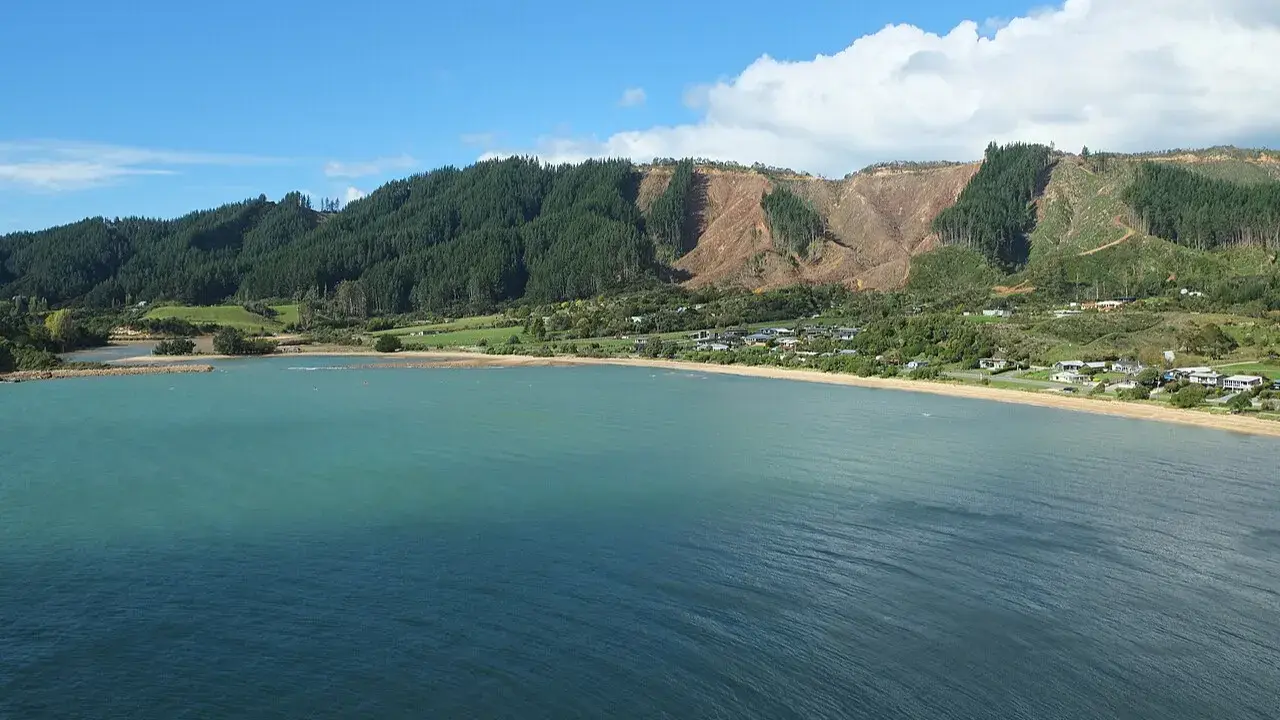
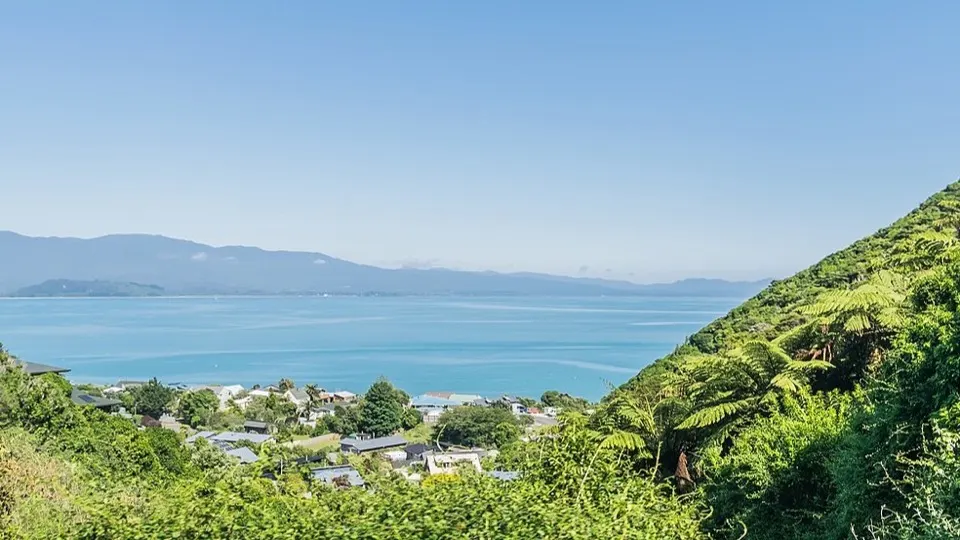
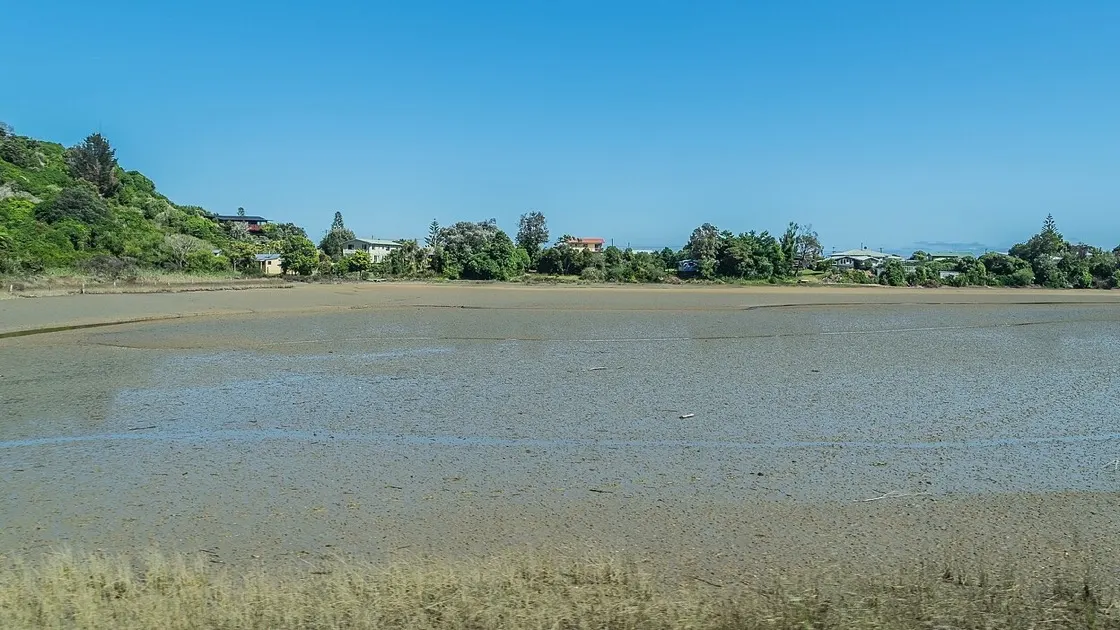
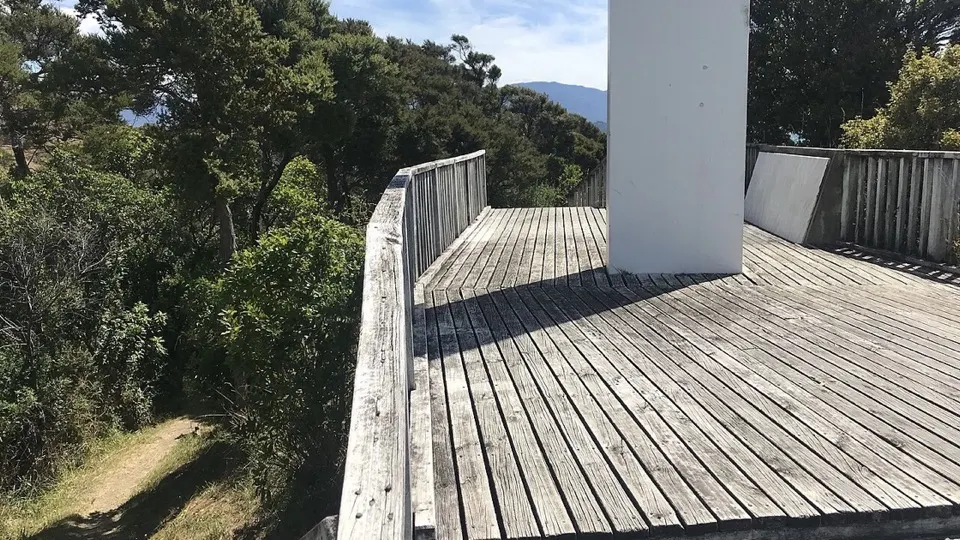
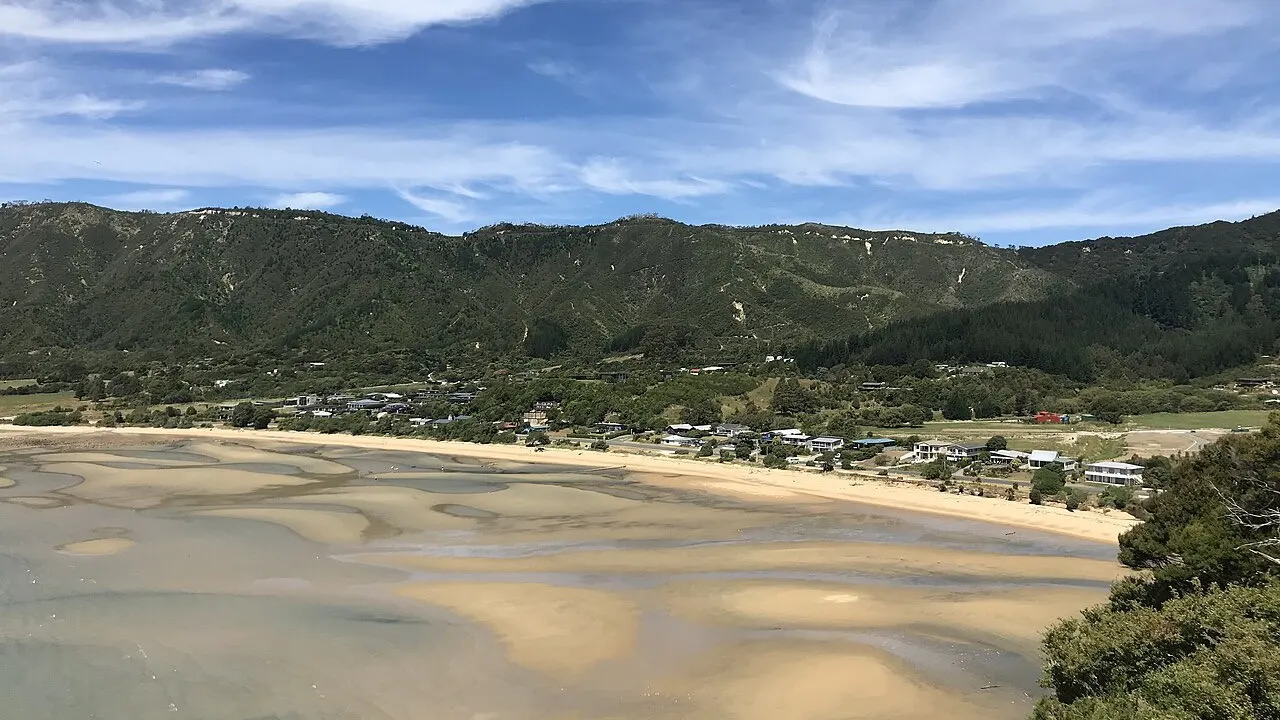
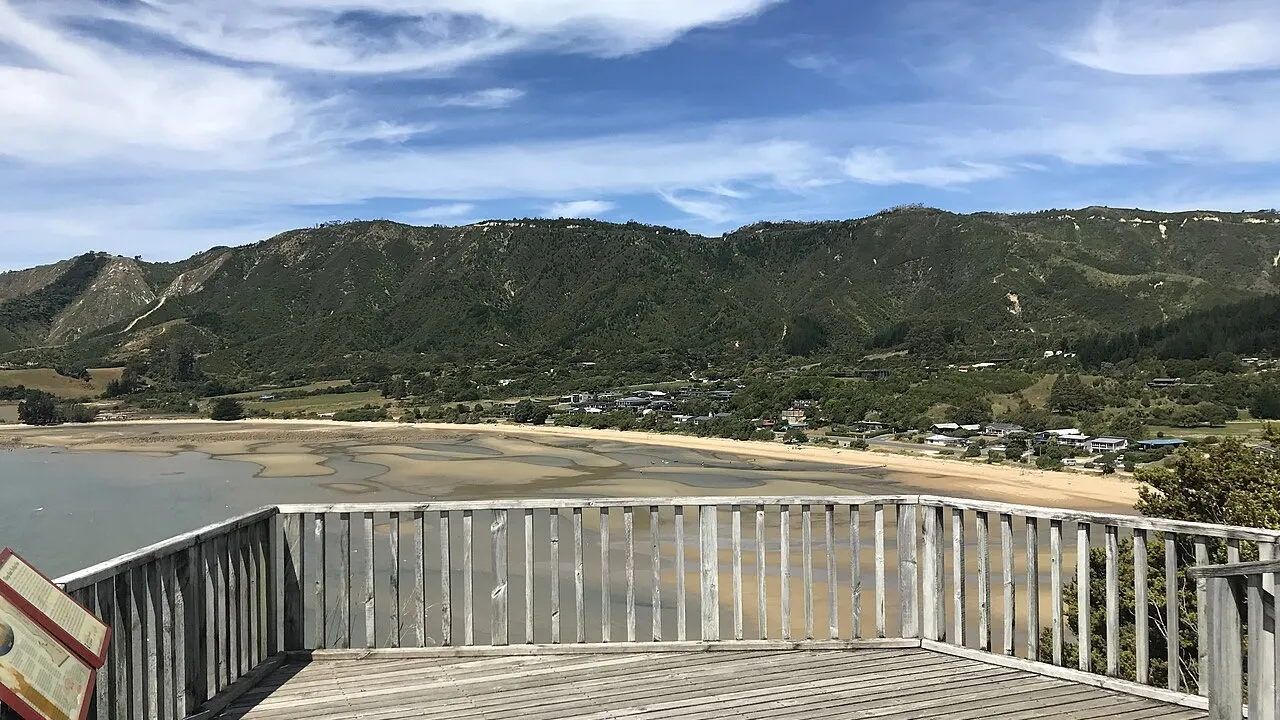
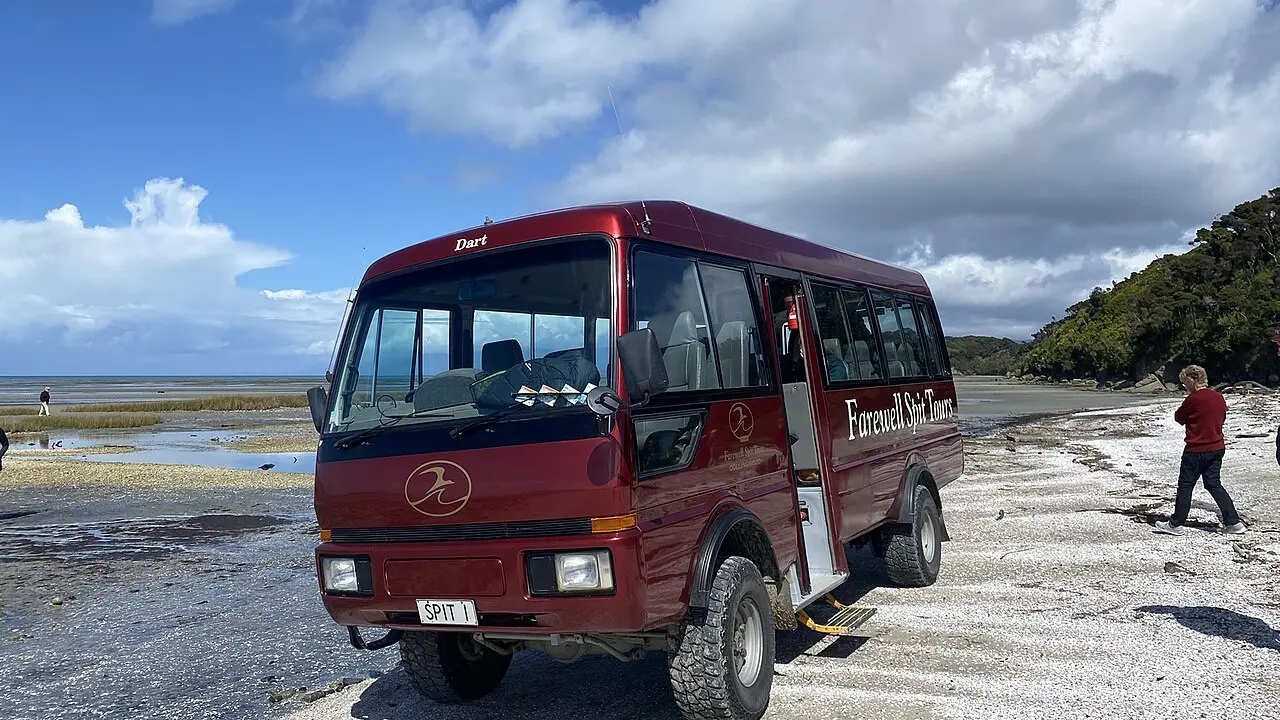
Photo credits: Pseudopanax at English Wikipedia (Public domain / CC BY 4.0); Krzysztof Golik (CC BY-SA 4.0); Schwede66 (CC BY-SA 4.0); Javier (CC BY 4.0)
Getting there
Totaranui sits at the northern end of Abel Tasman National Park on the Nelson/Tasman coast. The wide golden beach backs onto flax dunes and a camping lawn, and water taxis serving the coast circuit stop here.
Things to do nearby
The Gibbs Hill track climbs over the hill to link Totaranui with the southern sections of the coastal track, a classic day walk. Across the Awaroa Inlet to the south lie the busier bay settlements, while Totaranui keeps a wild, quiet character.
Highlights
One of the largest DOC campgrounds in the national park, set right behind a sweeping golden beach framed by flax dunes. It is prized for its wilderness feel: the night's soundtrack is stars overhead and the sound of waves.
History & culture
The name Totaranui comes from the Māori language. The area lies within the traditional coastal landscape of Abel Tasman National Park, where Awaroa Inlet and the surrounding bays have long been places of passage and settlement.
Booking & rules
The DOC campground is one of the largest in the park, yet in peak season a site can be very hard to get, so early booking is advised. Water taxis stop here as part of their coastal circuit.
About this attraction
Totaranui is the northern anchor of the Abel Tasman coast: a broad golden beach backed by flax dunes and lawns. The DOC campground is one of the largest in the park, and water taxis call in on their coastal runs. The Awaroa inlet separates it from the southern coves, keeping the feel wild and quiet.
Highlights
Camp beside the dunes, swim in the gentle surf, watch the evening water taxis come and go, then take the Gibbs Hill track towards Awaroa for wide-open coastal views.
Cautions
The access road is long, winding and partly gravel; sandflies visit in the evening, and the Awaroa crossing south is tide-dependent.
Getting there
Reached by a long winding (partly gravel) road from Takaka, or by water taxi along the coast; campsites must be booked with DOC ahead of summer.
noda attraction index 73
3.7 / 5
How the attraction index works
Each attraction is scored from five verifiable data points, out of 100. This is an editorial index, not a user rating — it reflects how free, how scenic and how well documented a place is, not anyone's personal experience.
| Free bonus | 20 pts | Completely free 20; small fees (parking, gold-coin koha) 10; expensive tickets 0. |
|---|---|---|
| Scenery uniqueness | 25 pts | World Heritage or landmark-level 25, regional 18, local 12 — each listing is explicitly tiered. |
| Things to do | 20 pts | Ranked by the depth of the highlights write-up: full 20, medium 14, brief 10. |
| Information completeness | 20 pts | 15 for having about, best time, cautions and access notes, minus 4 per missing item; plus 5 for two or more official sources. |
| Accessibility | 15 pts | Reachable by car 15, short walk 12, long tramp required 6. |