Toitū Otago Settlers Museum
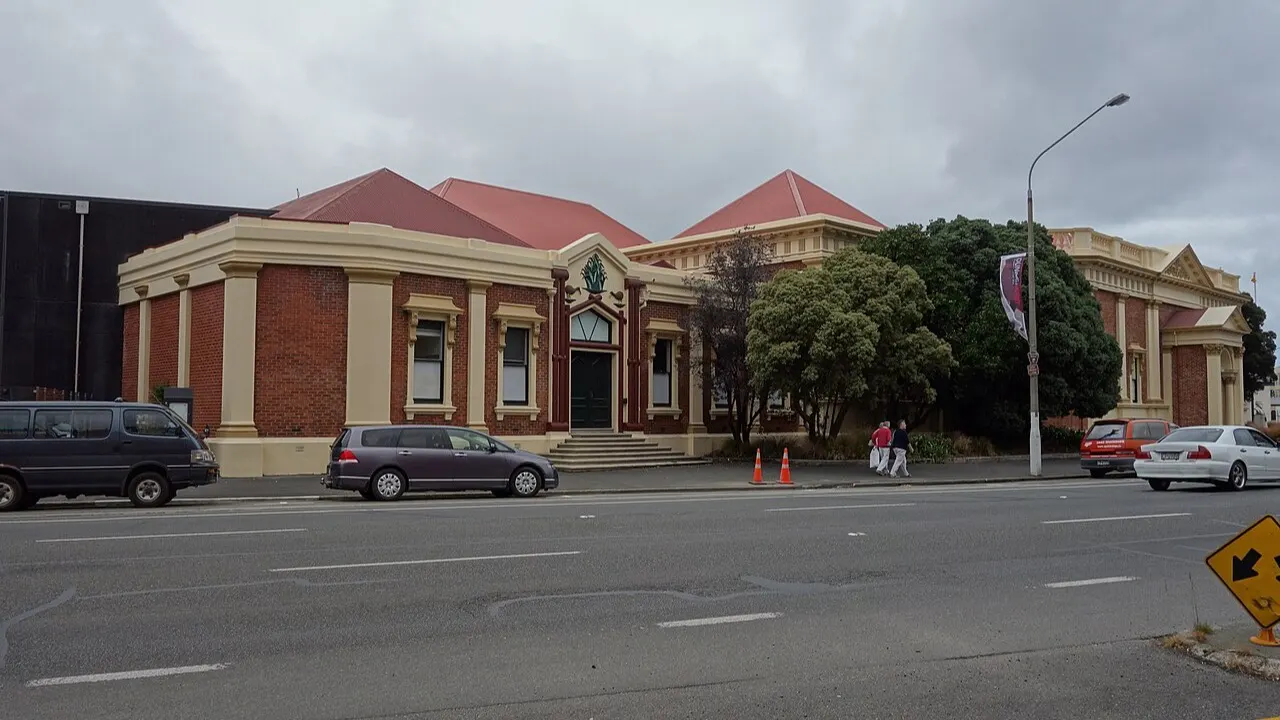

Photo credits: Ulrich Lange, Bochum, Germany (CC BY-SA 4.0); Mattinbgn ( talk · contribs ) (CC BY 3.0); Schwede66 (CC BY-SA 3.0)
Getting there
Toitū Otago Settlers Museum sits at 31 Queens Gardens, in central Dunedin, directly beside the Dunedin Railway Station — the two buildings are visible together, the museum's main wing with the station behind it. The museum occupies several adjoining structures: two early 20th-century wings designed by John Burnside facing Queen's Gardens, plus the former NZR Road Services bus station of 1939, a notable Art Deco building directly to the south, linked to the old complex in 1994 by a concourse. Being in the heart of the old town, it is easily reached on foot from the city centre and pairs naturally with a visit to the railway station.
Things to do nearby
You are right in central Dunedin. Queen's Gardens lies immediately outside, with the Dunedin Cenotaph at its centre, facing the museum's Burnside building. Behind the southern wing is the Dunedin Chinese Garden, a traditional garden opened in 2008 and partly a gift from sister city Shanghai — one of very few such gardens outside China. The railway station, the Octagon and the old town's heritage streets are all within a short stroll, making the museum an ideal anchor for a walking day in the city.
Highlights
The star exhibit is Josephine, an E class Fairlie steam locomotive of 1872 — New Zealand's oldest preserved locomotive and, when saved in the late 1920s, the country's first. She lives in the Josephine Foyer, the glassy new entrance wing added in the 2011–12 renovation. The museum also holds the youngest preserved NZ steam locomotive, J A 1274 (1956), the last built at Dunedin's Hillside Workshops. Don't miss the transport hall with vehicles from drays to a trolley bus, the ICT 1301 mainframe — one of only four surviving worldwide — the Smith Portrait Gallery with its computerised lookup of pioneer faces, the restored Art Deco waiting room, and the Pixie Town animatronics from the old D.I.C. department store.
History & culture
Founded in 1898 to mark the 50th anniversary of the Scottish settlement of Otago, this is New Zealand's oldest history museum. It initially honoured only pioneer European settlers who arrived between 1848 and the 1861 gold rush, later broadening its scope — and dropping 'Early' from its name. The collection now spans everything since Cook's first visit to southern New Zealand in 1770. Renovated in 2011–12, it reopened in December 2012 as Toitū, a name meaning 'to remain unchanged', submitted by the Holmes family after a community competition: it was the name of a stream that once ran where the museum stands. Displays trace southern Māori–European first encounters, the Otago gold rush (including Chinese miners), and the city's pioneering radio, television and 'Dunedin sound' music story, with a Roll of Honour for Dunedin's war dead.
Booking & rules
Entry to the main galleries is free, and the museum is open daily in its central Queens Gardens location — no booking needed, making it the perfect rainy-day or spontaneous stop. After the 2011–12 redevelopment the spaces are bright and modern, with a gift shop and cafe in the Josephine Foyer. A research centre and archive of pioneer photographs is available on site. Combined with the neighbouring Chinese garden and railway station, it fits easily into the start of any Dunedin itinerary, since understanding the settlers' story makes the rest of the city fall into place.
About this attraction
Toitū Otago Settlers Museum sits beside the railway station in two refurbished 19th-century goods sheds, and walks you through the peopling of Otago on one timeline: early Māori voyages south, the Scottish Presbyterian settlement, the gold rushes that pulled in Chinese and European miners, then railways, industry and modern city life. Vintage trams, engines, costumes and interactive screens keep it lively rather than dusty, and entry to the main galleries is free. Right by the station and the old town, it is the easiest indoor anchor for a Dunedin day — and the natural first stop before the rest of the city makes sense.
Highlights
Follow the timeline from early Māori voyages through the gold rushes to modern Dunedin, step aboard vintage trams and engines, and finish at the adjoining railway station.
Cautions
Some galleries are dim with steps — take care moving between rooms; special exhibitions and closures follow the official site; keep food and noise out of the galleries.
Getting there
Beside the Dunedin Railway Station, a 5-10 minute walk from the city centre; parking is tight nearby, so walking or busing in is easiest.
noda attraction index 79
4.0 / 5
How the attraction index works
Each attraction is scored from five verifiable data points, out of 100. This is an editorial index, not a user rating — it reflects how free, how scenic and how well documented a place is, not anyone's personal experience.
| Free bonus | 20 pts | Completely free 20; small fees (parking, gold-coin koha) 10; expensive tickets 0. |
|---|---|---|
| Scenery uniqueness | 25 pts | World Heritage or landmark-level 25, regional 18, local 12 — each listing is explicitly tiered. |
| Things to do | 20 pts | Ranked by the depth of the highlights write-up: full 20, medium 14, brief 10. |
| Information completeness | 20 pts | 15 for having about, best time, cautions and access notes, minus 4 per missing item; plus 5 for two or more official sources. |
| Accessibility | 15 pts | Reachable by car 15, short walk 12, long tramp required 6. |
Things to do nearby · Events
 Mike Crawford: He Kāhui Tōriki (2026) Solo & Layers Group
 Katharticus Album Release Party - Dunedin
 The Big Lebowski
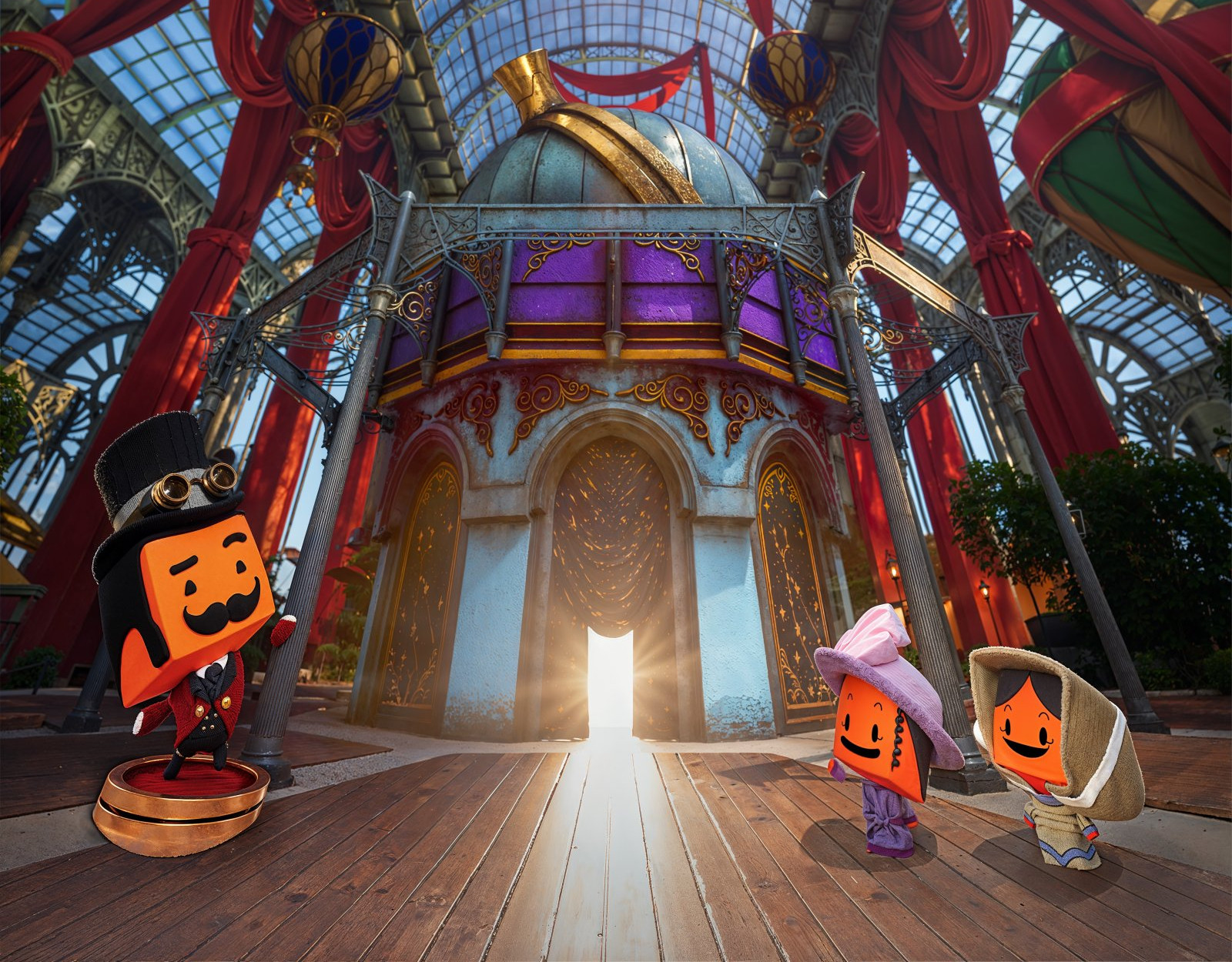 The Great Solar System Adventure
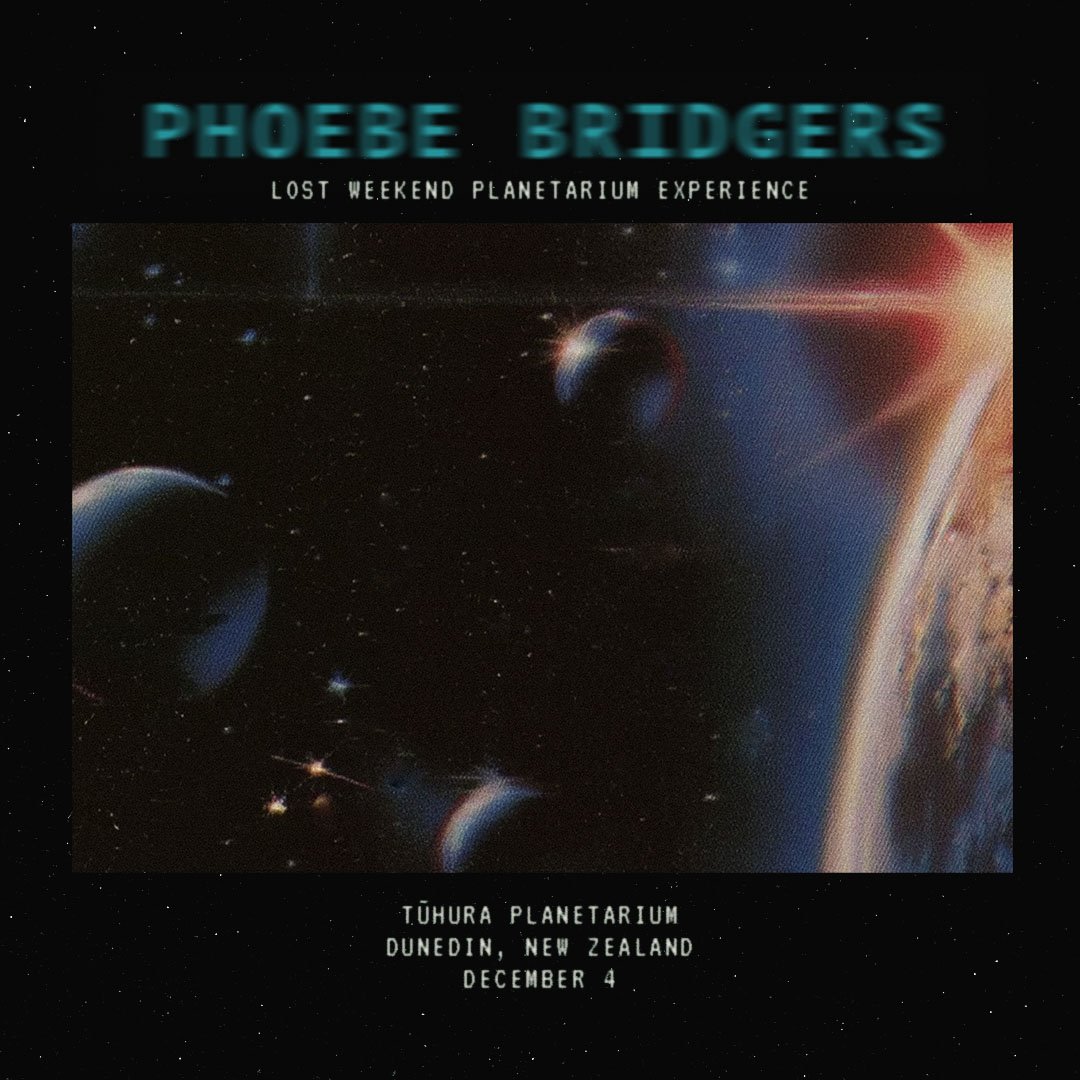 Phoebe Bridgers: Lost Weekend Planetarium Experience
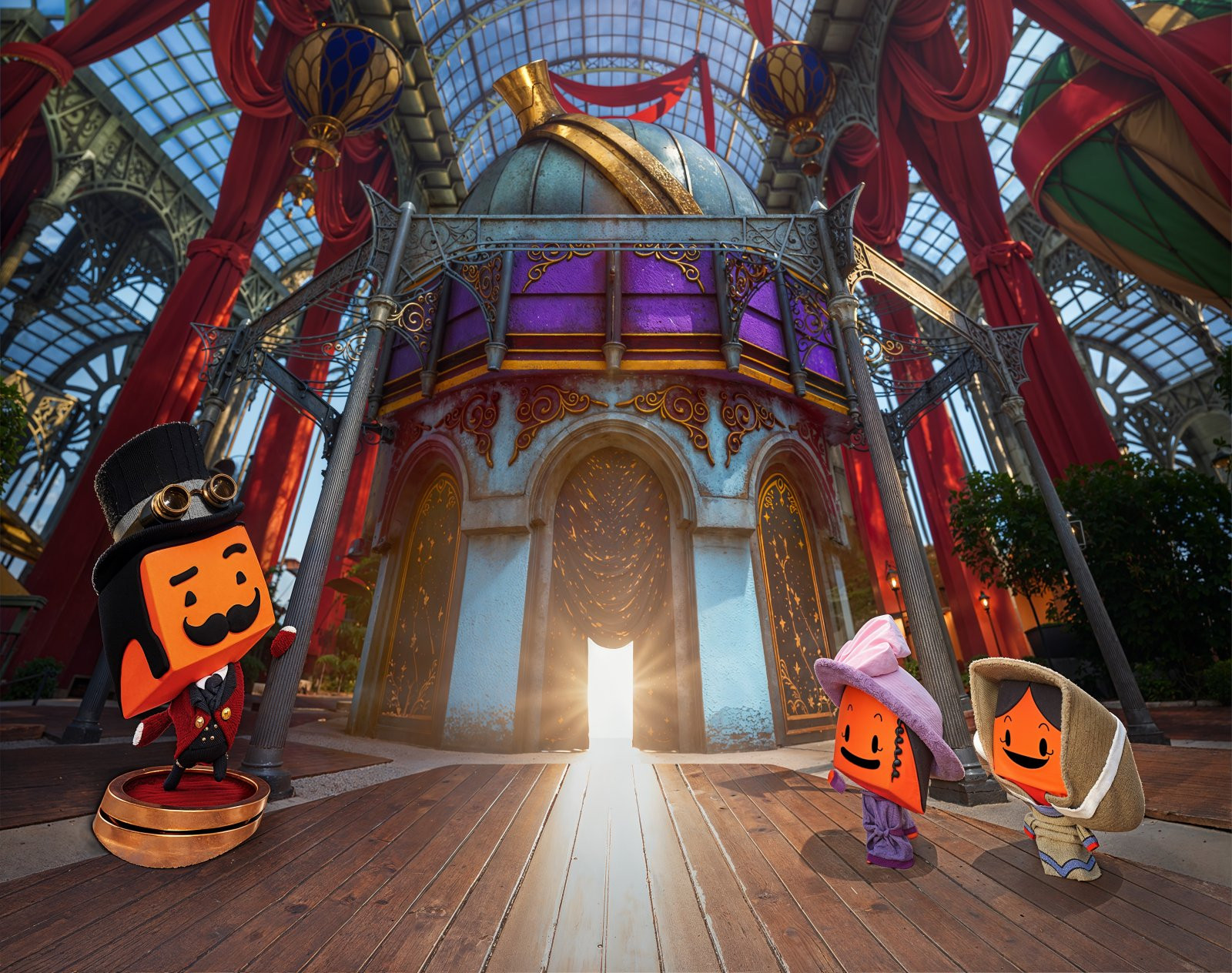 Grand Opening – The Great Solar System Adventure
 Ngā Waka Whiria: Hauora and Leadership in Construction
 FREE Webinar | A Better Future for NZ Communities