Te Waikoropupū Springs (Pupu Springs)
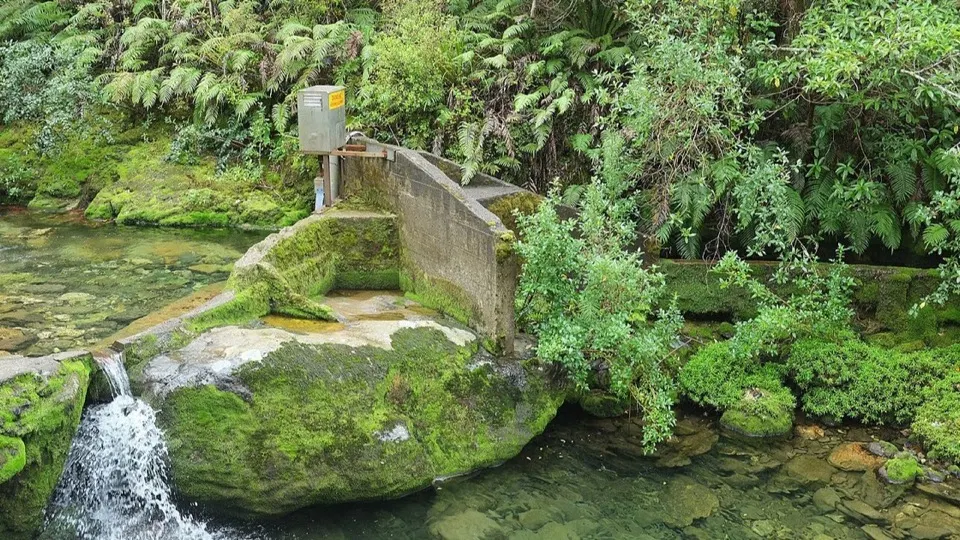


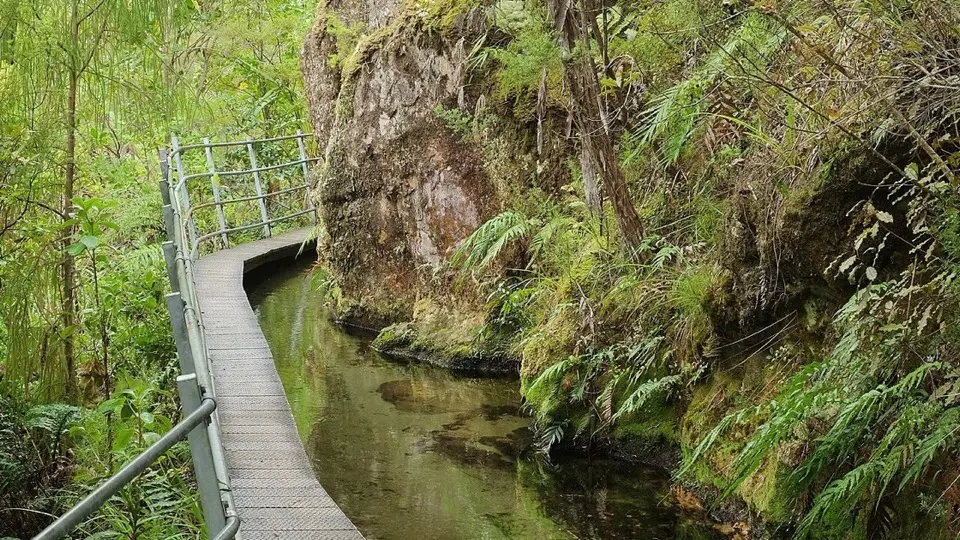
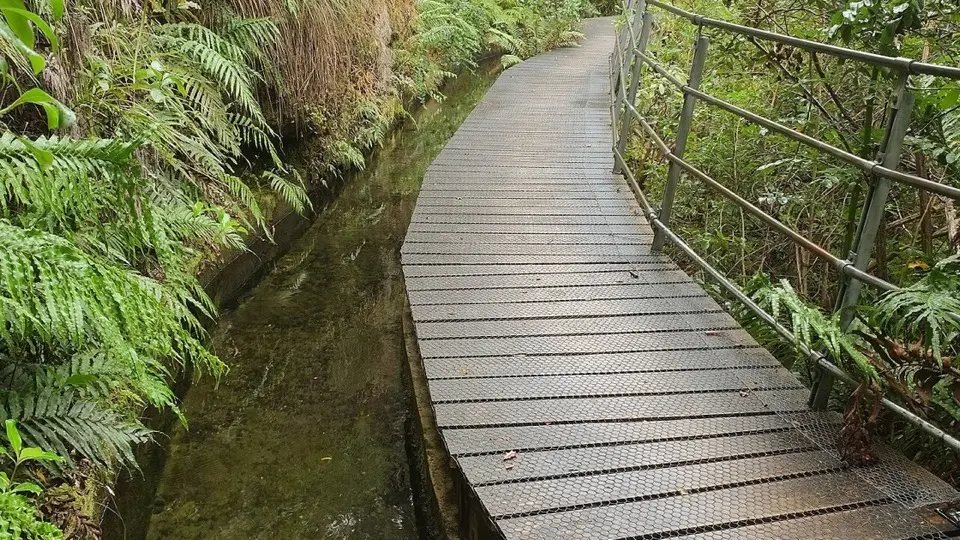


Photo credits: Pseudopanax at English Wikipedia (Public domain); Mark Anderson Depicted place: Tasman District, Tasman, New Zealand ( 40°50′11″S 172°42′30″E / 40.8364077942°S 172.7082564396°E / -40.8364077942; 172.7082564396 ) (CC BY-SA 4.0); Carey-Knox-Southern-Scales (CC0); Schwede66 (CC BY-SA 4.0)
Getting there
Te Waikoropupū Springs (also known as Pupu Springs) lie near Tākaka in Golden Bay, Tasman District, at the foot of Tākaka Hill on the South Island, at an elevation of about 20 m. The springs are reached from Tākaka township, with an entrance walkway maintained by the Department of Conservation leading to the main spring pool.
Things to do nearby
The springs feed the short Te Waikoropupū River, a tributary of the Tākaka River. They sit within Golden Bay / Mohua, whose surroundings include Tākaka Hill, Rawhiti Cave, Wainui Bay and, further afield, Abel Tasman and Kahurangi National Parks — making the springs a natural stop on any Golden Bay itinerary.
Highlights
These are the largest cold-water springs in the Southern Hemisphere, discharging a mean 13.4 cubic metres per second from eight main vents. The water is the clearest ever recorded from a karst spring — horizontal visibility averages 63 metres in the constant 11.7 °C water — so fish in the main pool appear to float in mid-air. White sand on the spring floor is carried upward by smaller vents, the famous 'dancing sands'. Clarity is best on sunny days; rain dulls the colour slightly.
History & culture
The springs are wāhi tapu (sacred) to local iwi, registered with Heritage New Zealand's Māori Heritage Council. Waikoropupū is the legendary home of Huriawa, a female taniwha regarded as one of the three main taniwha of Aotearoa, who clears blocked waterways. The waters are seen as waiora — the purest form of water, used for healing and ceremonial blessings at births, deaths and travellers' departures.
Booking & rules
The springs are free to visit via the DOC walkway; swimming, wading and touching the water are strictly prohibited because of their sacred status — view from the boardwalk only. In October 2023 a Water Conservation Order, the highest legal protection for a body of water in New Zealand, took effect for the springs and the Wharepapa Arthur Marble Aquifer, though the 2024 Fast-track Approvals Act could potentially override it.
About this attraction
Te Waikoropupū Springs push huge volumes of water of extraordinary clarity out of the marble beneath Takaka Hill. Boardwalks loop the main basin, where fish hover over swaying weed in impossible blue. The springs are wāhi tapu (sacred) — no swimming or touching the water.
Highlights
Walk the loop boardwalk to the main-basin platform, watch fish hovering in ultra-clear water, photograph the blue on a sunny morning, then continue up Takaka Hill for the marble country walks.
Cautions
Do not swim, paddle or put anything in the water — it is sacred and ecologically fragile; keep to the boardwalks at all times.
Getting there
A short drive west of Takaka on Pupu Springs Road, with a free car park and a flat, easy loop walk from the gate.
noda attraction index 93
4.7 / 5
How the attraction index works
Each attraction is scored from five verifiable data points, out of 100. This is an editorial index, not a user rating — it reflects how free, how scenic and how well documented a place is, not anyone's personal experience.
| Free bonus | 20 pts | Completely free 20; small fees (parking, gold-coin koha) 10; expensive tickets 0. |
|---|---|---|
| Scenery uniqueness | 25 pts | World Heritage or landmark-level 25, regional 18, local 12 — each listing is explicitly tiered. |
| Things to do | 20 pts | Ranked by the depth of the highlights write-up: full 20, medium 14, brief 10. |
| Information completeness | 20 pts | 15 for having about, best time, cautions and access notes, minus 4 per missing item; plus 5 for two or more official sources. |
| Accessibility | 15 pts | Reachable by car 15, short walk 12, long tramp required 6. |