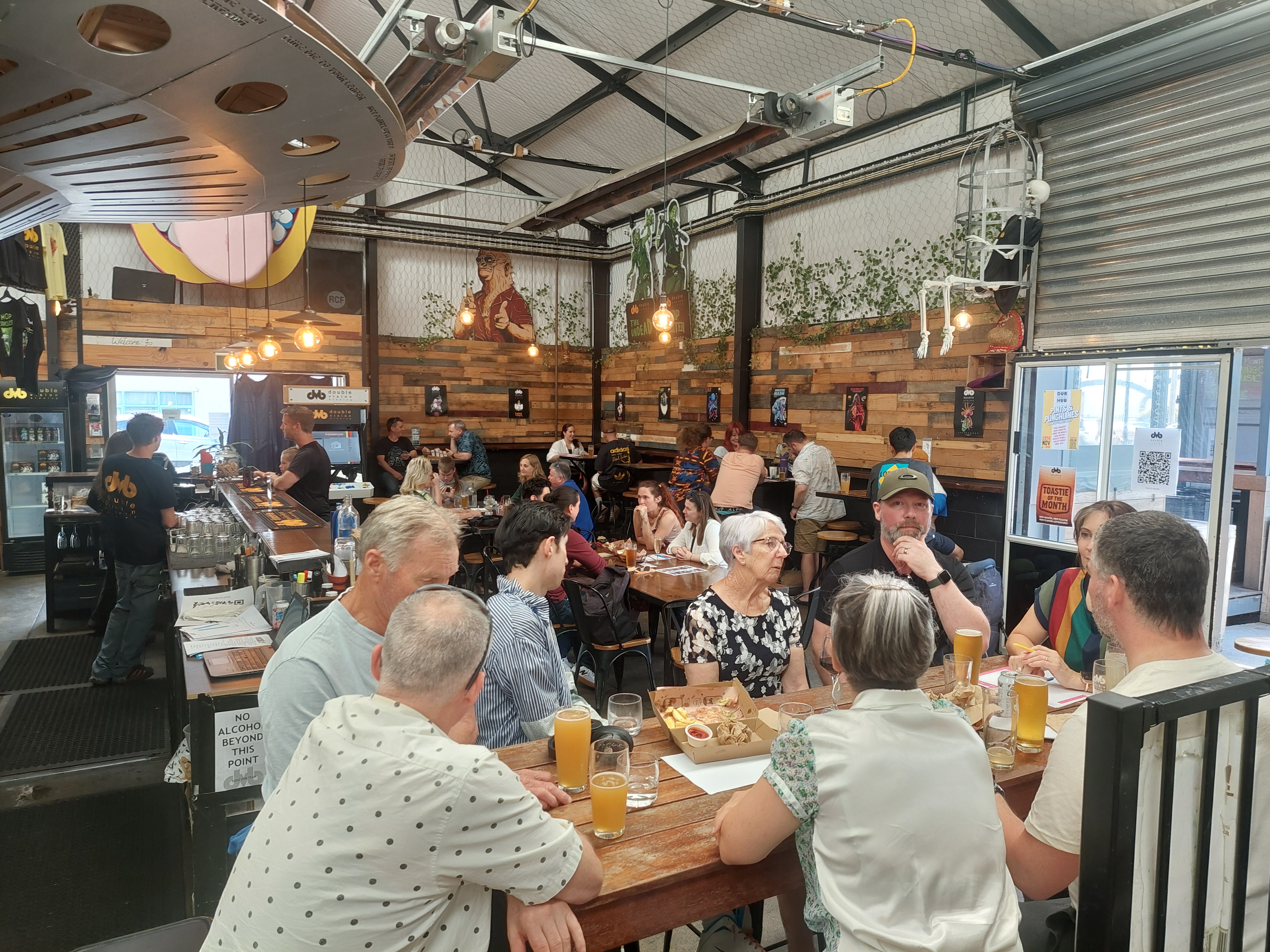
Te Papa Tongarewa
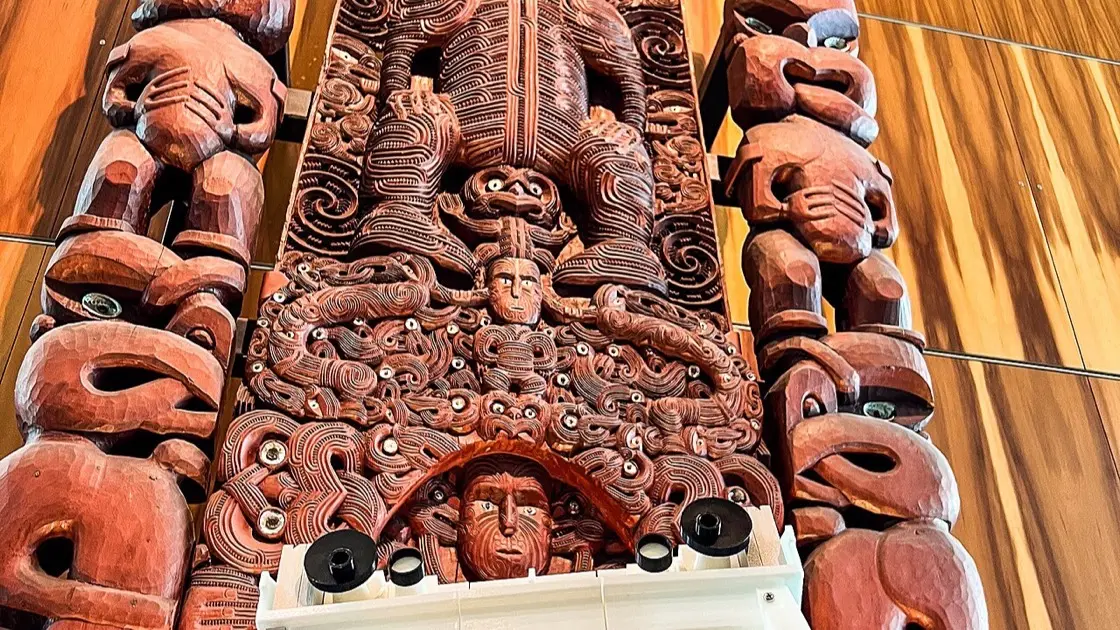
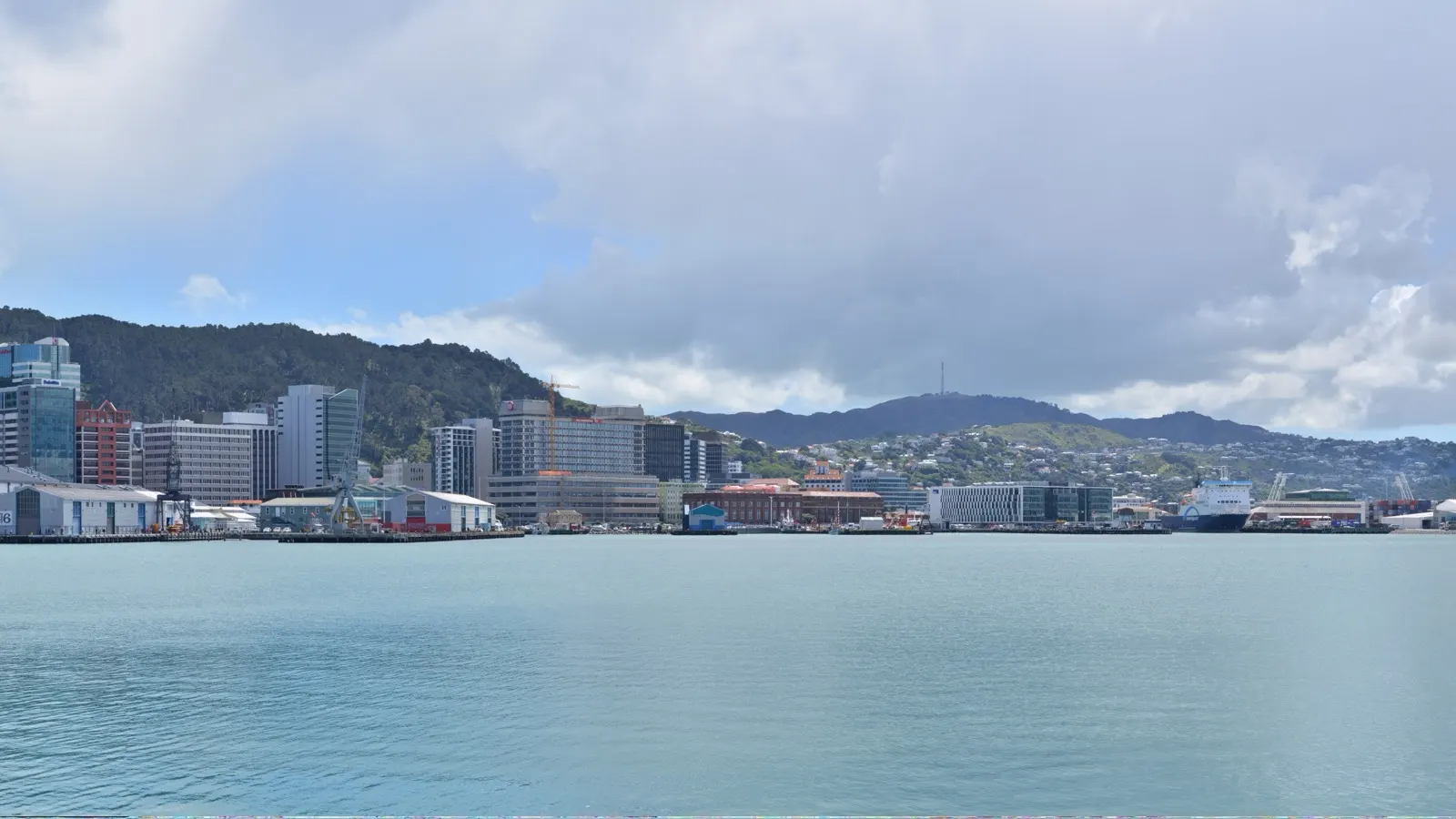


Photo credits: US Embassy New Zealand (Public domain); Simeon W from Wellington, New Zealand (CC BY 2.0); Simeon W (CC BY-SA 3.0); Pseudopanax at English Wikipedia (Public domain); edent (CC BY-SA 4.0); Michael Coghlan from Adelaide, Australia (CC BY-SA 2.0)
Getting there
Te Papa Tongarewa stands on the Wellington waterfront at Cable Street, on land reclaimed from the former Wellington Harbour Board. It occupies a 36,000-square-metre purpose-built building with six floors of exhibitions, easily reached on foot from the central city, Courtenay Place and the waterfront promenade.
Things to do nearby
The museum sits directly on Wellington's harbour edge, with the waterfront walkways, cafes and Cable Street precinct on its doorstep. Outdoors, its own Bush City features artificial caves, native bush and wetlands planted in various New Zealand habitats, and an underground area called Quake Braker lets visitors view the base isolators that protect the building in earthquakes.
Highlights
Te Papa redefined the national museum with a bold, hands-on, interactive approach under a bicultural philosophy and the tagline 'Our Place'. Highlights include the world's largest specimen of the rare colossal squid — 495 kg and 4.2 metres long, caught in the Ross Sea and arriving in 2007 — the marae Rongomaraeroa, the Toi Art galleries opened in 2018 on levels 4 and 5, and major touring exhibitions whose scene reconstructions have drawn on Weta Workshop craftsmanship. Collections span Māori taonga, Pacific cultures (some 13,000 items), photography, New Zealand birds (about 70,000 specimens), a 250,000-specimen herbarium, and the Elgar Collection of 17th-century-and-earlier furniture and paintings.
History & culture
The museum's roots reach back to the Colonial Museum founded in 1865 by Sir James Hector, renamed the Dominion Museum in 1907, which shared a building with the National Art Gallery from 1934. Te Papa itself was created by the Museum of New Zealand Te Papa Tongarewa Act 1992, merging the two institutions, and opened on 14 February 1998 with a ceremony led by Prime Minister Jenny Shipley. Its Māori name means roughly 'container of treasures'. The Cable Street site's former occupant, the Museum Hotel, was famously jacked onto rail bogies and moved 200 metres down the road in 1993; the building, designed by Pete Bossley of Jasmax, cost NZ$300 million and was later voted New Zealand's 'Building of the Decade'.
Booking & rules
The museum draws 1 to 1.5 million visits a year (1.5 million in 2017). Entry is free for New Zealanders; international visitors pay $35 as of September 2024. Some temporary exhibitions are separately ticketed, with occasional free days. No booking is needed for general entry, and rainy-day crowds make weekends busy.
About this attraction
Te Papa Tongarewa, the Museum of New Zealand, opened on the waterfront in 1998 and rewrote what a national museum could be. Galleries braid Māori and Pacific taonga, natural history and art with hands-on interactives; the carved marae Rongomaraeroa welcomes everyone onto the marae atea, and heavyweight exhibitions have leaned on Weta Workshop craftsmanship. General entry is free, making it the capital's all-weather default.
Highlights
Stand inside the carved marae Rongomaraeroa, ride the earthquake simulator, meet the giant Gallipoli figures up close, then finish with coffee on the waterfront terrace.
Cautions
Expect queues and bag checks at peak times; large bags must go into lockers, and special exhibitions are ticketed separately.
Getting there
On Cable Street by the waterfront, a flat 10-minute walk from Courtenay Place; city buses stop nearby and paid parking sits under the museum.
noda attraction index 92
4.6 / 5
How the attraction index works
Each attraction is scored from five verifiable data points, out of 100. This is an editorial index, not a user rating — it reflects how free, how scenic and how well documented a place is, not anyone's personal experience.
| Free bonus | 20 pts | Completely free 20; small fees (parking, gold-coin koha) 10; expensive tickets 0. |
|---|---|---|
| Scenery uniqueness | 25 pts | World Heritage or landmark-level 25, regional 18, local 12 — each listing is explicitly tiered. |
| Things to do | 20 pts | Ranked by the depth of the highlights write-up: full 20, medium 14, brief 10. |
| Information completeness | 20 pts | 15 for having about, best time, cautions and access notes, minus 4 per missing item; plus 5 for two or more official sources. |
| Accessibility | 15 pts | Reachable by car 15, short walk 12, long tramp required 6. |