Tane Mahuta
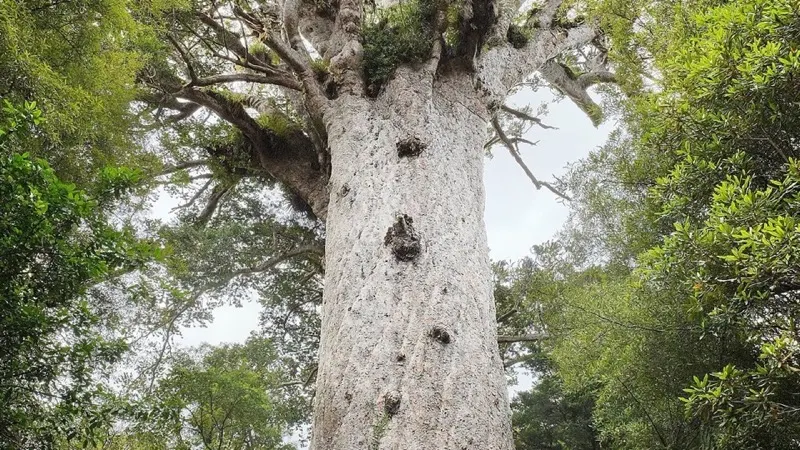
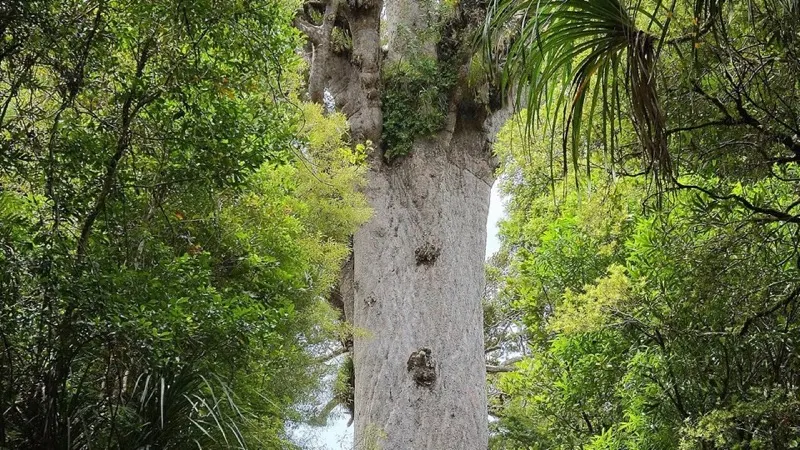
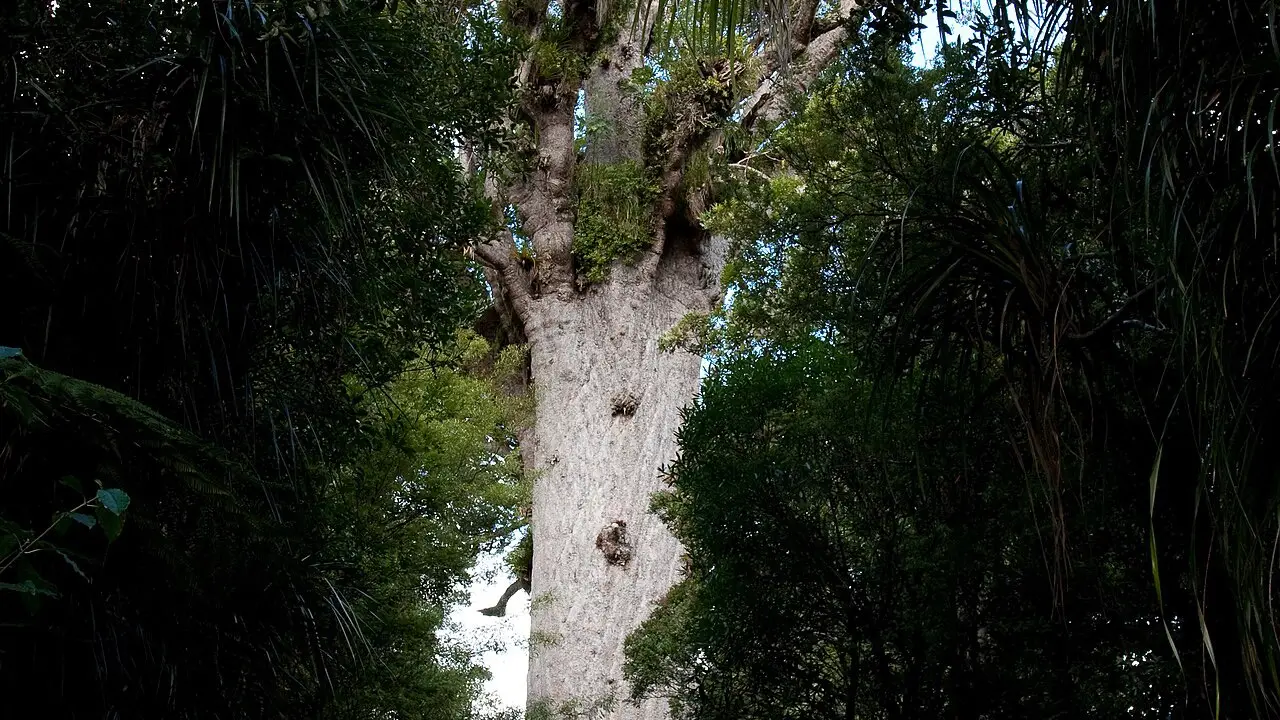
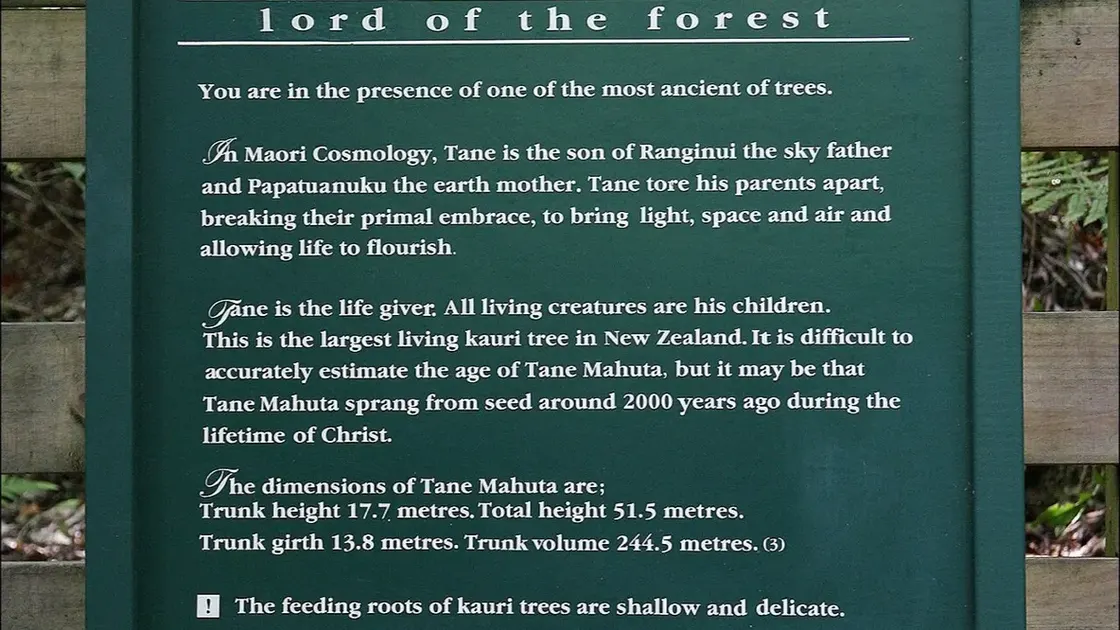
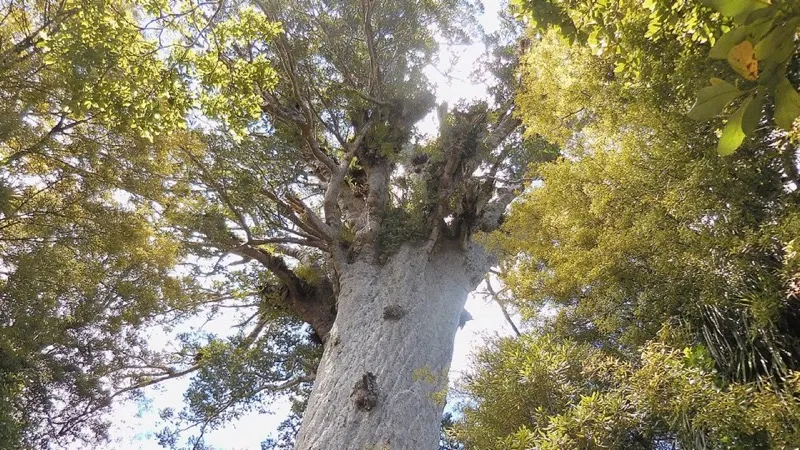
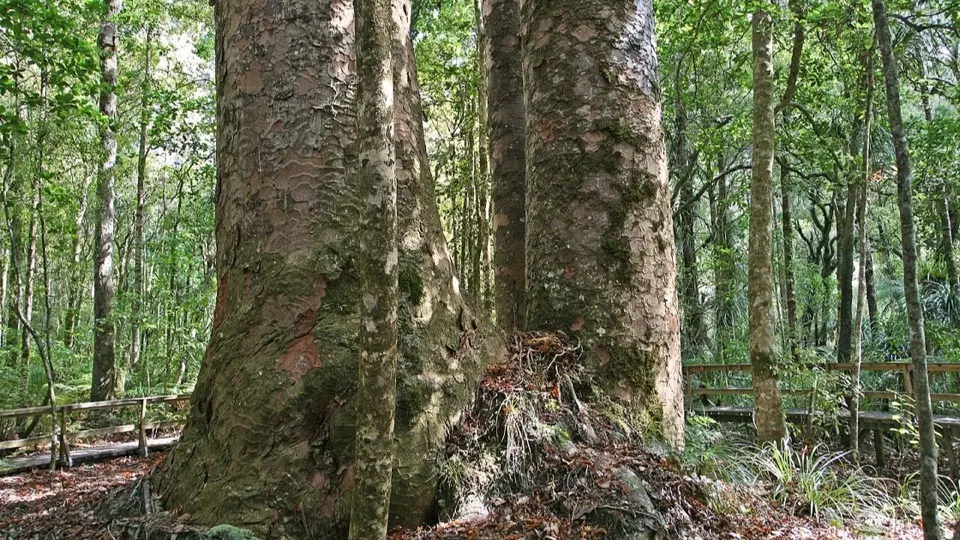
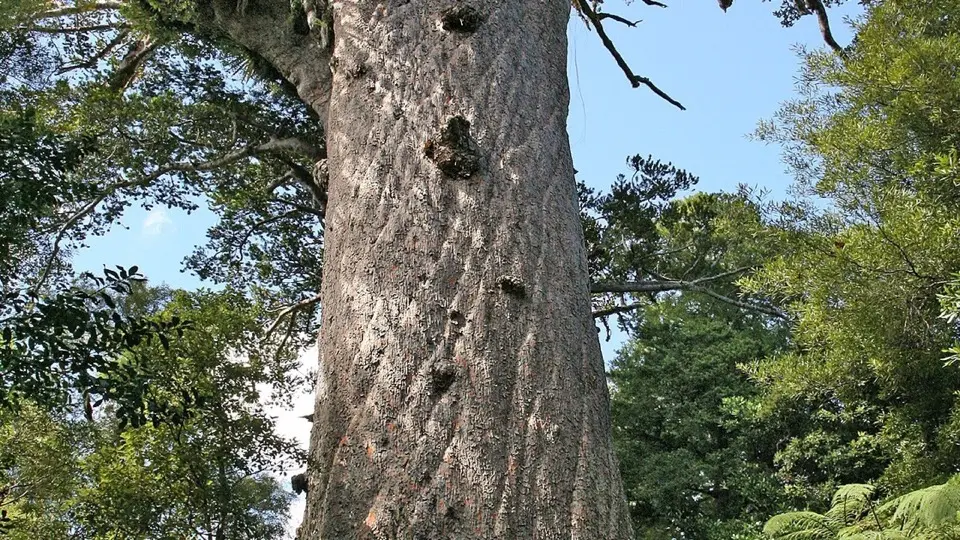
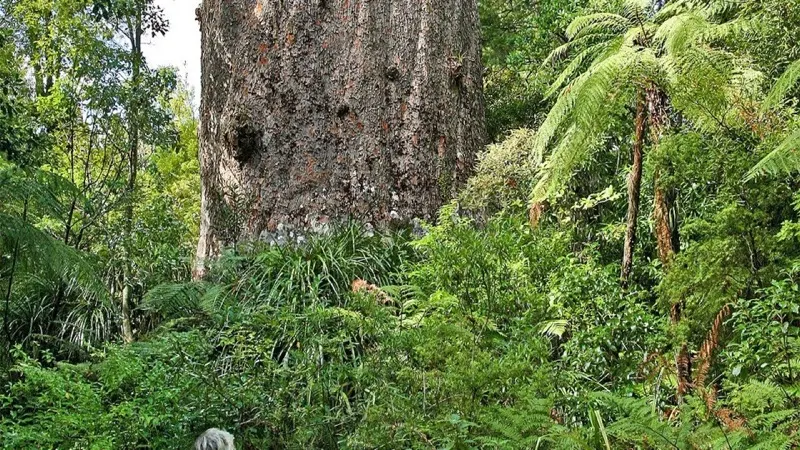
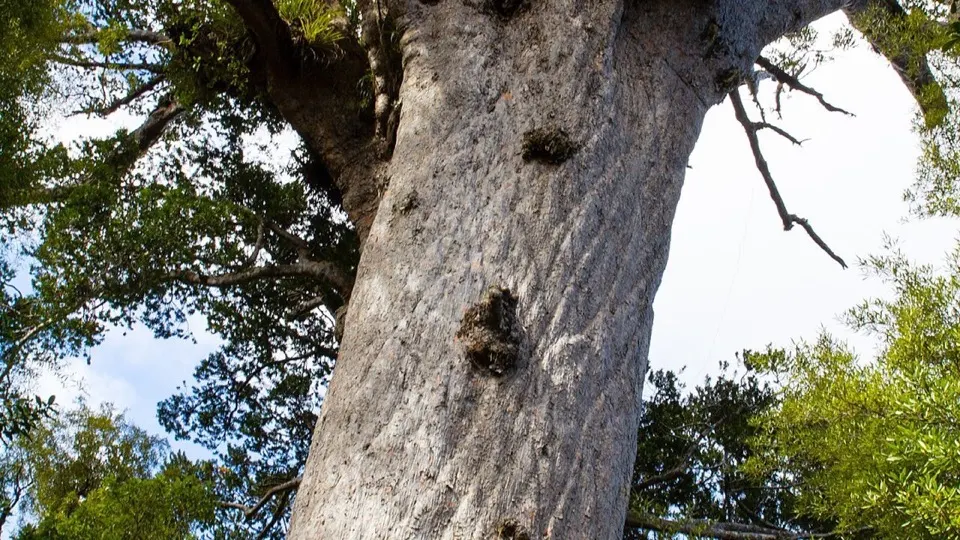
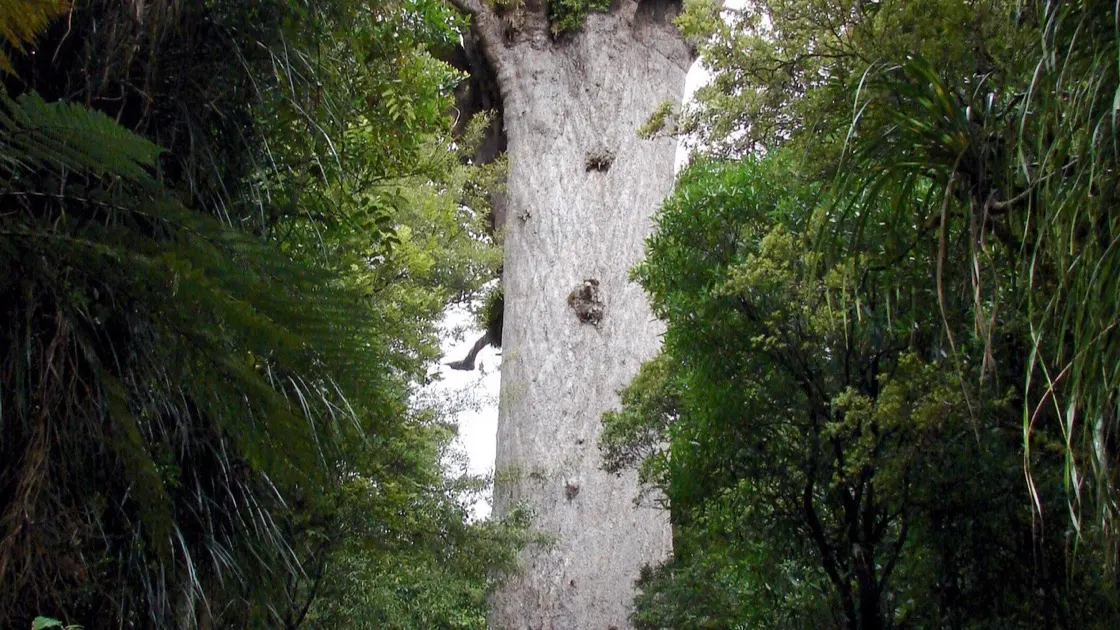
Photo credits: Pseudopanax at English Wikipedia (Public domain); russellstreet (CC BY-SA 1.0); W. Bulach (CC BY-SA 4.0); David Broad (CC BY 3.0); Oren Rozen (CC BY-SA 3.0); Tatters ✾ from Brisbane, Australia (CC BY 2.0)
Getting there
Tāne Mahuta stands in the Waipoua Forest in New Zealand's Northland Region, at coordinates 35°36′04″S 173°31′38″E. The tree was discovered and identified in early January 1924, when contractors surveyed the present State Highway 12 route through the forest. The viewing platform is reached on a very short boardwalk walk from the car park on SH12, taking only two or three minutes.
Things to do nearby
Other giant kauri are found nearby in the Waipoua Forest, most notably Te Matua Ngahere, the 'Father of the Forest', which shares the forest's ancient groves. Both trees together are the most famous trees in New Zealand, and visitors typically make the short drive between the two within the same stretch of State Highway 12.
Highlights
Tāne Mahuta is the largest known living kauri tree. Measurements taken in 2002 by forest ecology researcher Dr Robert Van Pelt record a height of 45.2 m, a girth of 15.44 m, a trunk height of 17.68 m, a trunk volume of about 255 m³ and a total tree volume of 516.7 m³. Its age is unknown but estimated at between 1,250 and 2,500 years. It is a remnant of the ancient subtropical rainforest that once covered the Northland Peninsula.
History & culture
The tree is named after Tāne, the Māori god of forests and of birds, son of Ranginui the sky father and Papatūānuku the earth mother. In the Māori creation story, Tāne separated his parents and then clothed his mother with vegetation; the birds and trees of the forest are regarded as his children. Road-builders Nicholas Yakas and other bushmen also identified the tree in 1928. In April 2009 it was formally partnered with Jōmon Sugi on Yakushima Island, Japan, and during the 2013 drought, 10,000 litres of stream water was diverted to keep it alive.
Booking & rules
The Department of Conservation manages the site, with a short boardwalk and viewing platform from the SH12 car park. In 2018 the tree was considered threatened by kauri dieback, a generally fatal fungal disease that has already infected many nearby kauri; DOC initiated a plan to protect it, and visitors must clean their footwear at the cleaning station before entering. The site is open access with no fees or booking required.
About this attraction
Tāne Mahuta — 'Lord of the Forest' — is the largest known living kauri tree in New Zealand, standing in Waipoua Forest with an estimated age well beyond a thousand years. It rises about 51 metres with a trunk girth around 14 metres, its first branches starting far above the canopy; from the viewing deck you feel distinctly ankle-high. In Maori creation narrative Tāne is the god who parted sky from father earth and fathered the forest, which gives this tree a sacred standing. The viewing platform is only a two- or three-minute walk from the SH12 pull-off — arguably New Zealand's easiest epic sight. Please clean your footwear at the station before entering, to help protect the tree from kauri dieback disease.
Highlights
Arrive early for mist and empty decks, read the creation-story panel beside the platform, and continue down SH12 to the Te Matua Ngahere walk for the forest's other giants.
Cautions
A sacred tree: remain on the viewing deck. Always clean footwear at the station to prevent kauri dieback, and drive carefully on the unlit forest highway at night.
Getting there
Directly off SH12 in Waipoua Forest; a small roadside car park sits a 2-3 minute walk from the viewing deck.
noda attraction index 97
4.9 / 5
How the attraction index works
Each attraction is scored from five verifiable data points, out of 100. This is an editorial index, not a user rating — it reflects how free, how scenic and how well documented a place is, not anyone's personal experience.
| Free bonus | 20 pts | Completely free 20; small fees (parking, gold-coin koha) 10; expensive tickets 0. |
|---|---|---|
| Scenery uniqueness | 25 pts | World Heritage or landmark-level 25, regional 18, local 12 — each listing is explicitly tiered. |
| Things to do | 20 pts | Ranked by the depth of the highlights write-up: full 20, medium 14, brief 10. |
| Information completeness | 20 pts | 15 for having about, best time, cautions and access notes, minus 4 per missing item; plus 5 for two or more official sources. |
| Accessibility | 15 pts | Reachable by car 15, short walk 12, long tramp required 6. |