Tairawhiti Museum

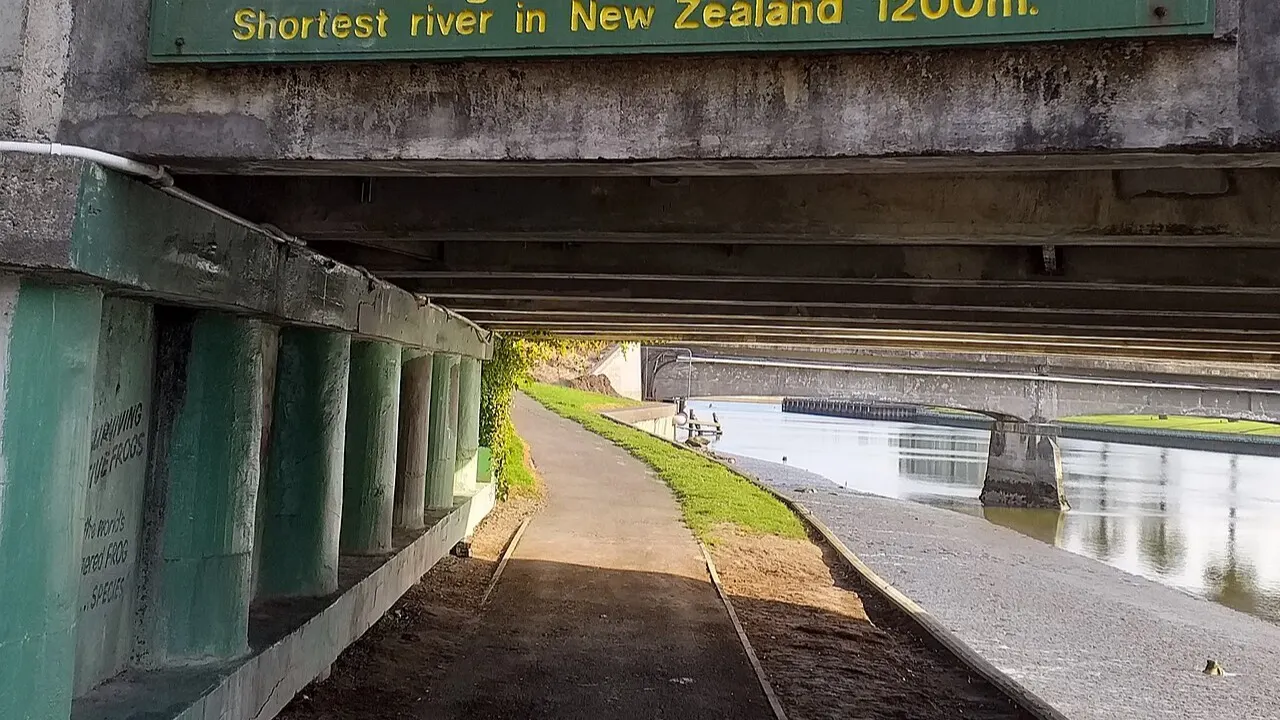

Photo credits: Krzysztof Golik (CC BY-SA 4.0); Velella (CC BY-SA 4.0)
Getting there
Tairawhiti Museum sits in Gisborne (Māori name Tūranganui-a-Kiwa), the largest settlement of the Gisborne District on the east coast of New Zealand's North Island, beside Poverty Bay. The museum stands on the banks of the Taruheru River, one of the three rivers — Waimata, Taruheru and Tūranganui — that converge at this 'City of Rivers'. The Tūranganui, at just 1.2 km, is New Zealand's shortest river. The museum is an easy walk from the town beach, and Gisborne is served by State Highways 2 and 35 and by Gisborne Airport.
Things to do nearby
Within walking distance are Kaiti Beach, where Captain Cook first landed in New Zealand in 1769, and Titirangi (Kaiti Hill), which rises directly above the landing site and offers expansive views over the city and Poverty Bay. Nearby are the white-sand swimming and surfing beaches of Waikanae, Midway, Kaiti, Sponge Bay, Wainui and Makorori. The museum's riverside courtyard and historic cottage make it an ideal rainy-day stop between beach visits.
Highlights
The museum tells the story of the East Coast from earliest settlement to the present day. Its collections include significant Māori treasures alongside material related to Cook's 1769 landing, and it hosts rotating exhibitions of regional art and photography. The setting itself is a draw: gardens beside the Taruheru River and a historic cottage on the grounds.
History & culture
The Gisborne region has been settled for over 700 years by the tribes Te Whānau-a-Kai, Ngaariki Kaiputahi, Te Aitanga-a-Māhaki, Rongowhakaata, Ngāi Tāmanuhiri and Te Aitanga-a-Hauiti, descendants of voyagers on the Te Ikaroa-a-Rauru, Horouta and Tākitimu waka. The name Tūranganui-a-Kiwa recalls the navigator Kiwa. The town, first called Tūranga, was renamed Gisborne in 1870 after the Colonial Secretary; it grew from 1830s trading stations on the Tūranganui River — the very history the museum interprets.
Booking & rules
No opening hours, admission prices or booking requirements are stated in the available source; check the museum's own website before visiting. As an indoor attraction it is a popular option in wet weather, and its rotating exhibition programme means repeat visits offer something new.
About this attraction
Tairawhiti Museum tells the East Coast story from first settlement to the present, holding significant Maori taonga, material on the 1769 Cook landings, and galleries given over to regional art and photography. The building sits on the Taruheru riverbank beside a courtyard and heritage cottage, a short walk from the town beach — and a good home for a rainy-hour plan.
Highlights
Seek out the carved and woven taonga in the permanent galleries, spend time with the Cook-landing story, and check what the temporary exhibition hang holds before you leave.
Cautions
Photography rules vary by gallery — ask at reception; some taonga spaces request quiet.
Getting there
A flat ten-minute walk from the city centre along the river, with a small car park at the door.
noda attraction index 64
3.2 / 5
How the attraction index works
Each attraction is scored from five verifiable data points, out of 100. This is an editorial index, not a user rating — it reflects how free, how scenic and how well documented a place is, not anyone's personal experience.
| Free bonus | 20 pts | Completely free 20; small fees (parking, gold-coin koha) 10; expensive tickets 0. |
|---|---|---|
| Scenery uniqueness | 25 pts | World Heritage or landmark-level 25, regional 18, local 12 — each listing is explicitly tiered. |
| Things to do | 20 pts | Ranked by the depth of the highlights write-up: full 20, medium 14, brief 10. |
| Information completeness | 20 pts | 15 for having about, best time, cautions and access notes, minus 4 per missing item; plus 5 for two or more official sources. |
| Accessibility | 15 pts | Reachable by car 15, short walk 12, long tramp required 6. |