Royal Albatross Centre
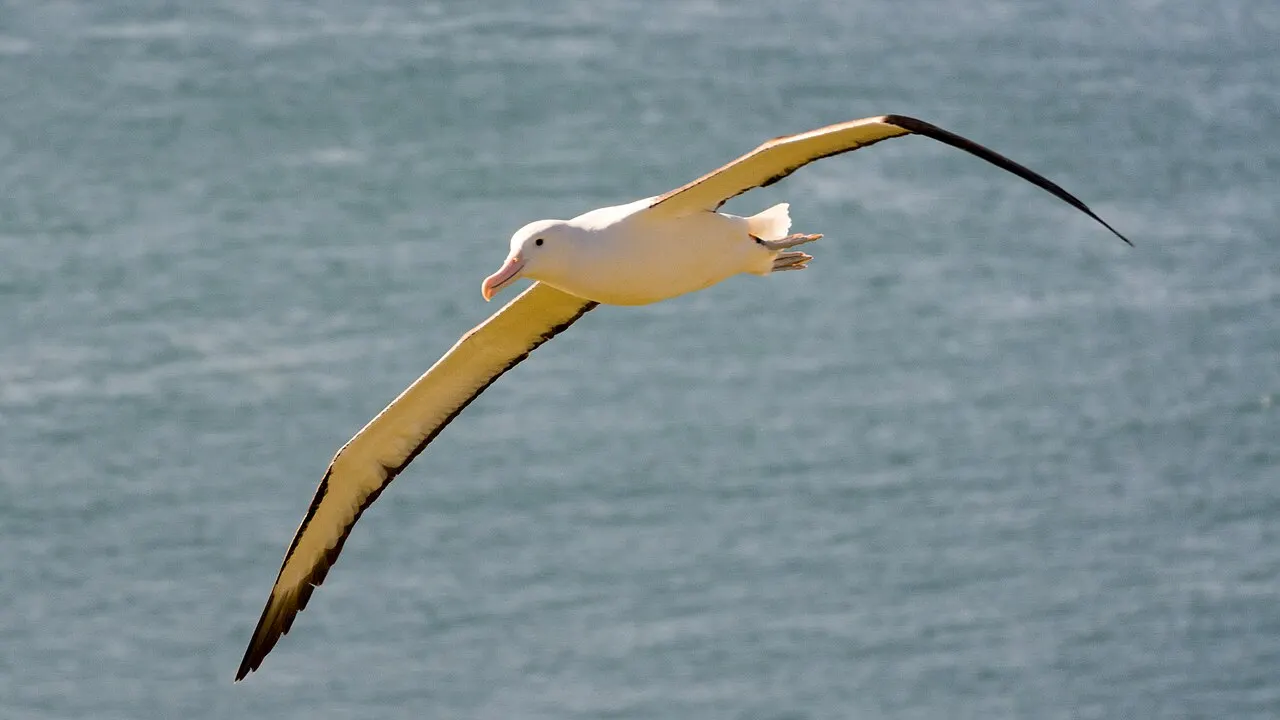
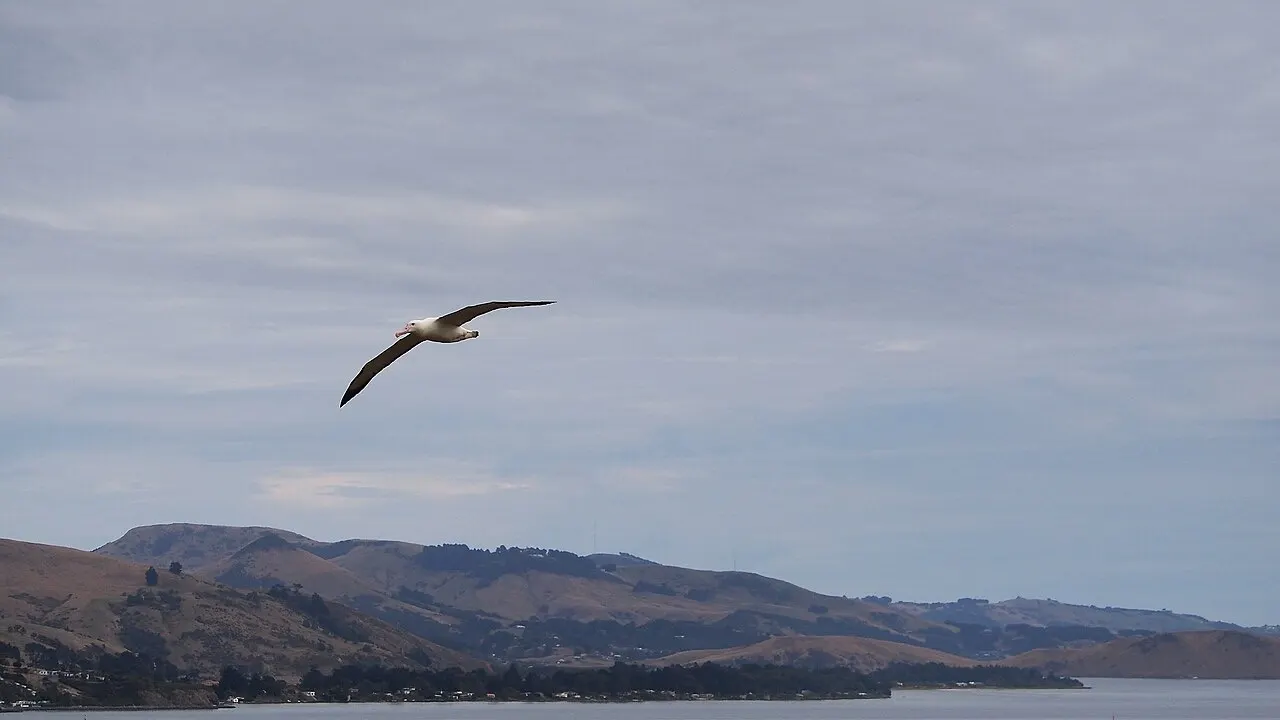
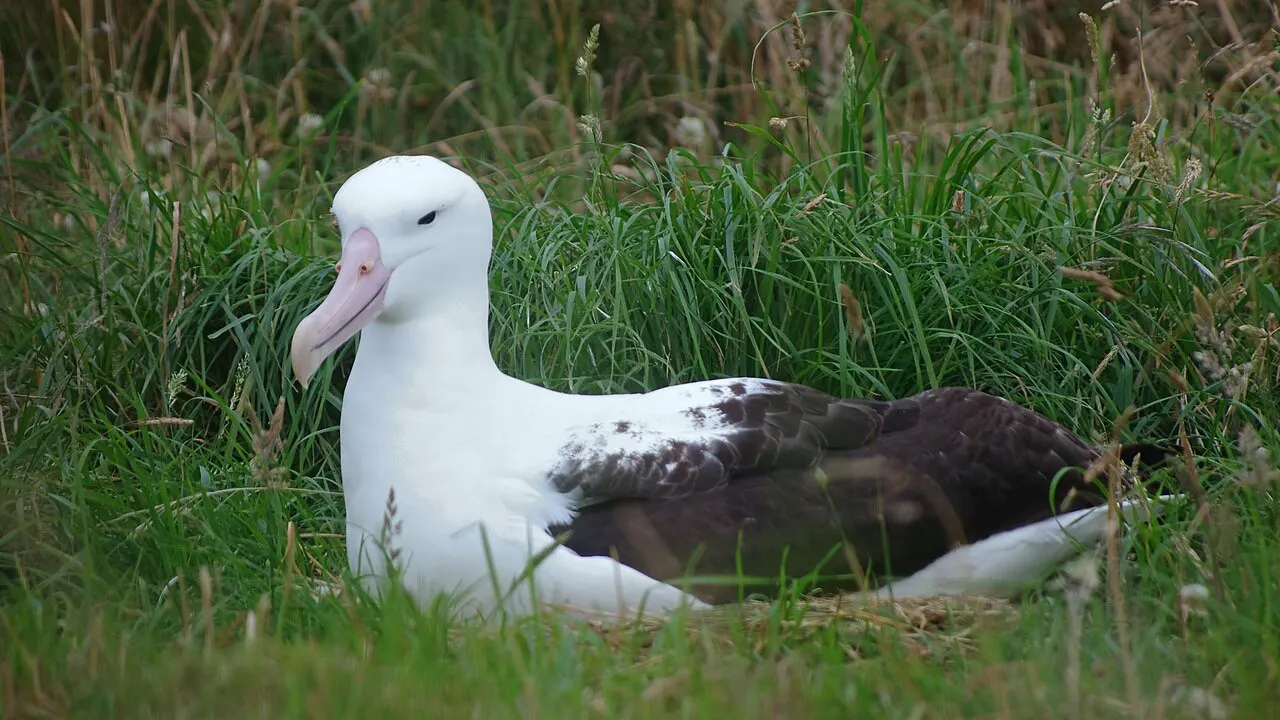
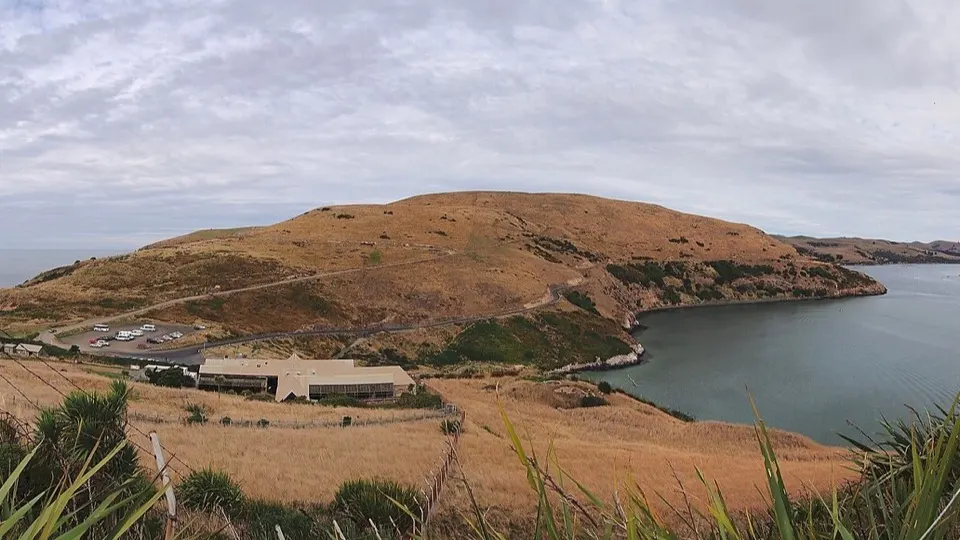
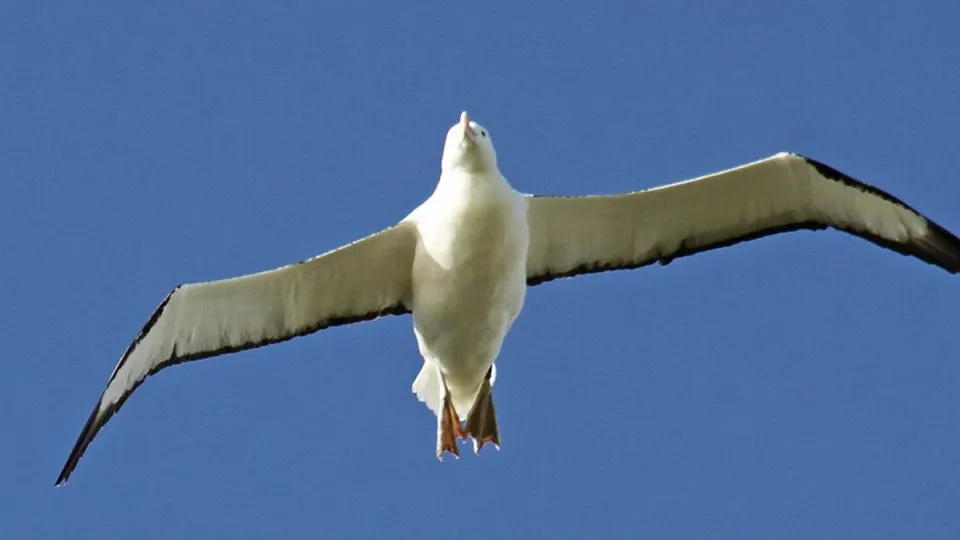
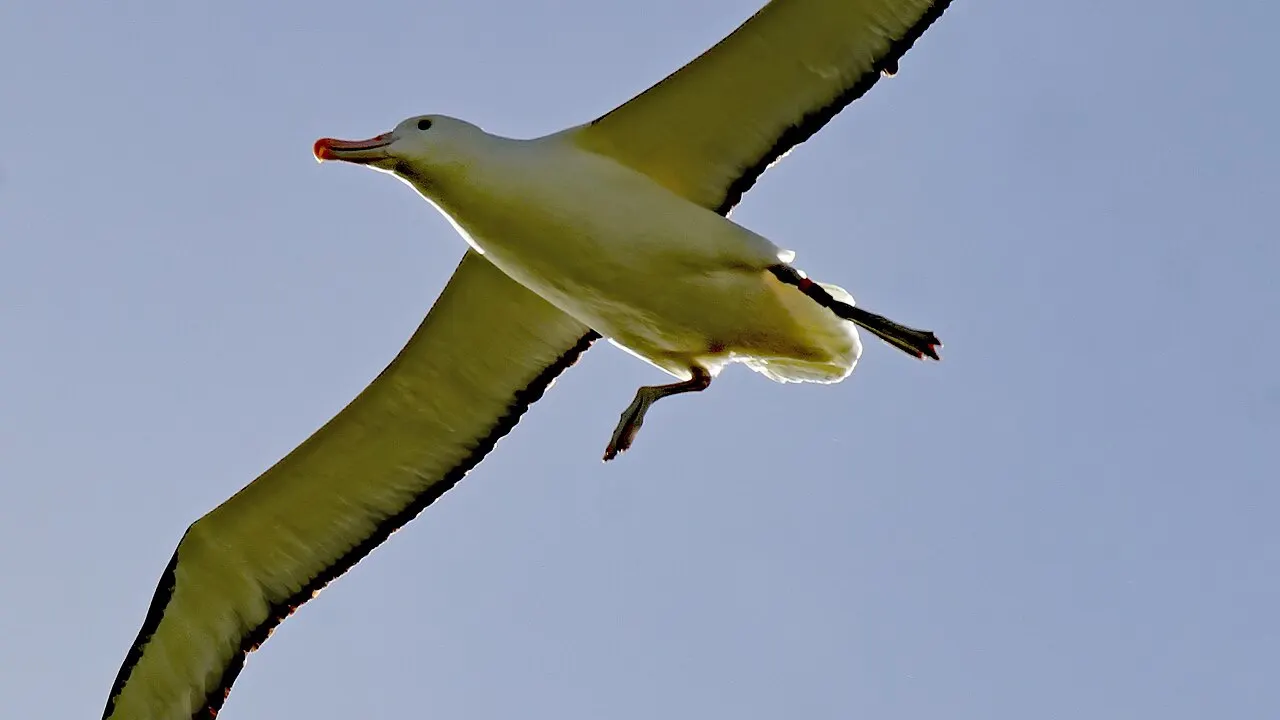
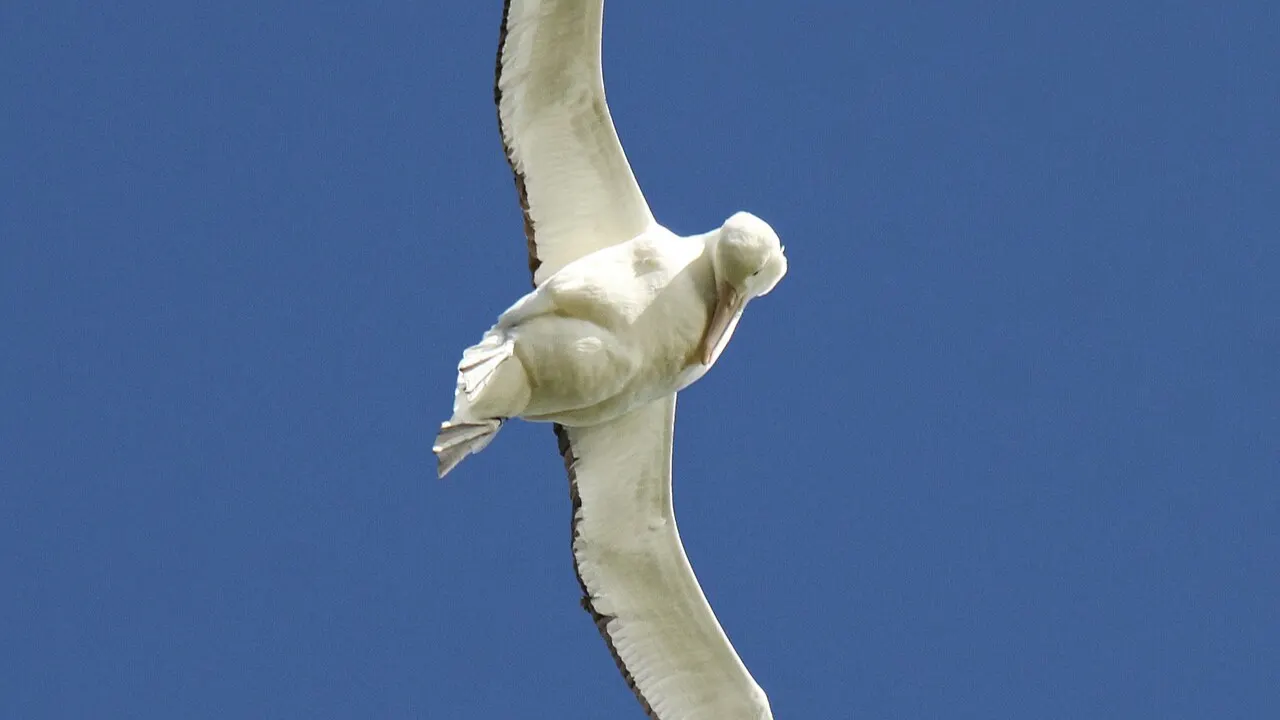
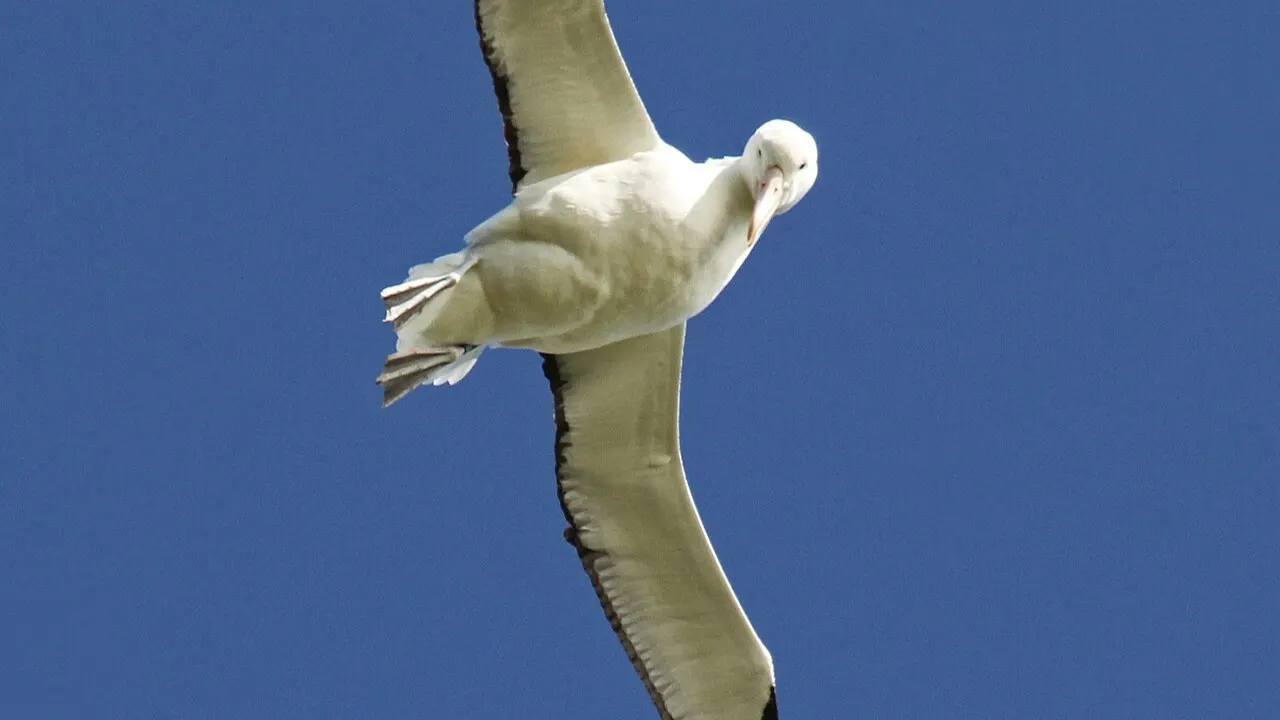
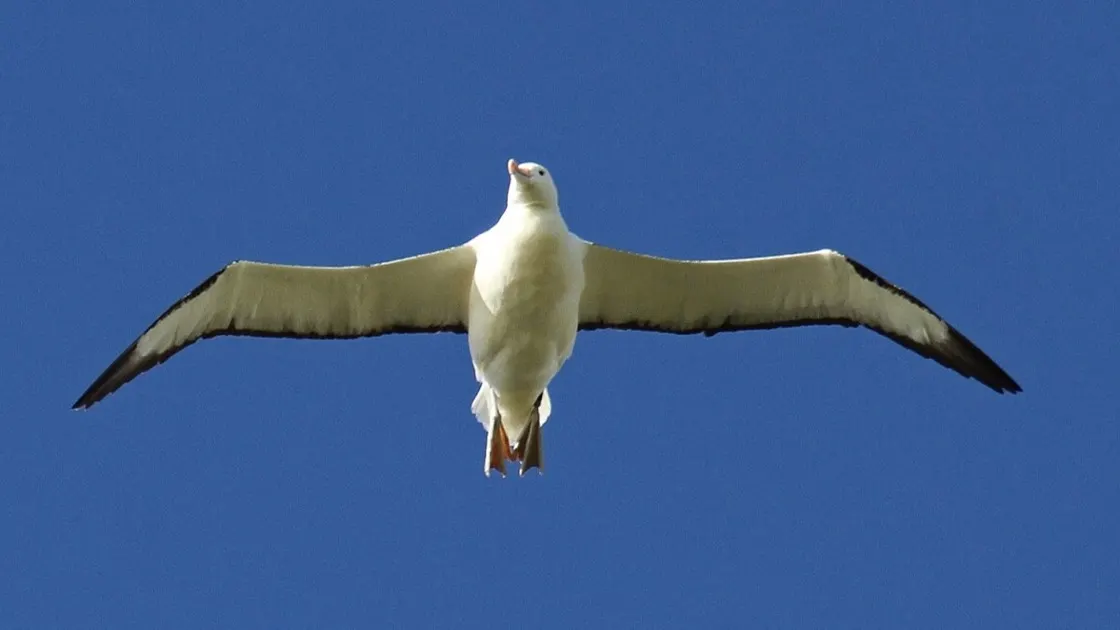
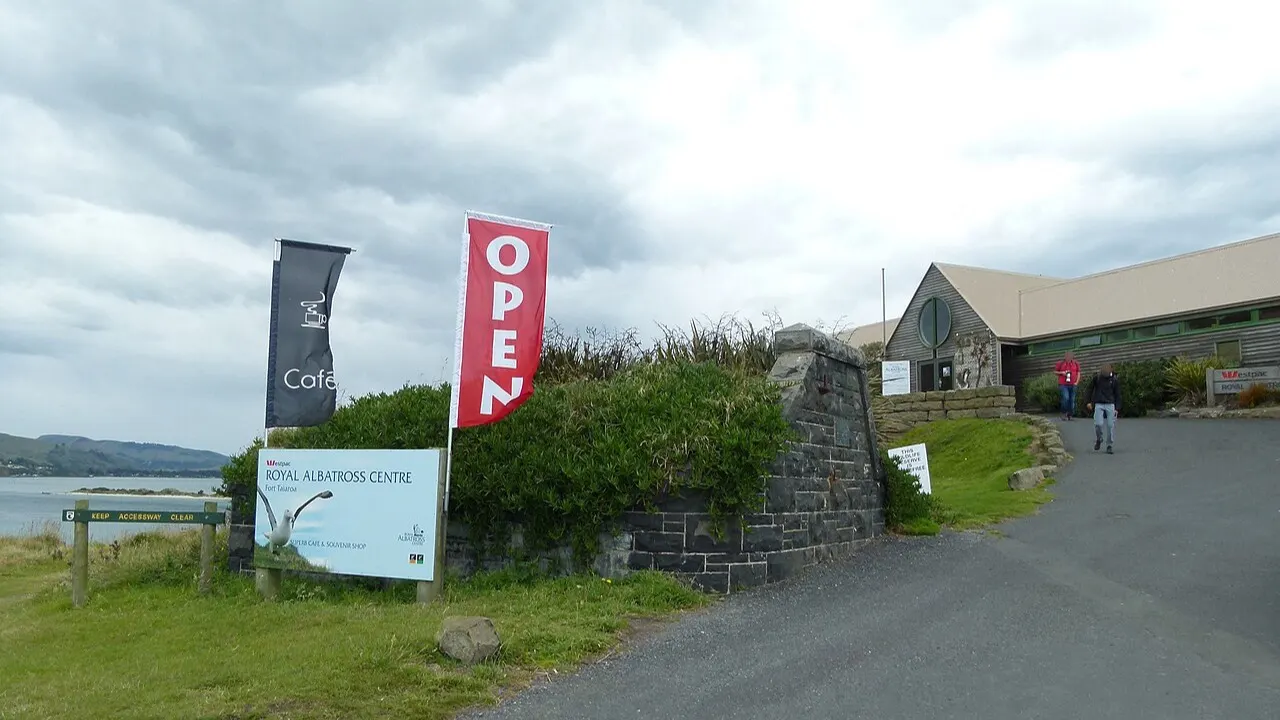
Photo credits: Christoph Strässler from Oberdorf BL, Schweiz (CC BY-SA 2.0); rheins (CC BY 3.0); Alfie ↑↓ © (Helmut Schütz) (CC BY-SA 4.0); Tony Hisgett from Birmingham, UK (CC BY 2.0); wanghongliu (CC BY-SA 3.0)
Getting there
Taiaroa Head is a headland at the end of the Otago Peninsula, within the city limits of Dunedin, overlooking the mouth of Otago Harbour. The nearest settlement, Otakou, lies three kilometres to the south. The Royal Albatross Centre sits on land adjacent to the nature reserve, and access to the reserve itself is by guided tour only.
Things to do nearby
Pilots Beach, just inside the harbour entrance south of the head, hosts the largest little (blue) penguin colony remaining on the Otago Peninsula and is a good spot at dusk. Nearby are important breeding habitats of the threatened yellow-eyed penguin, and New Zealand fur seals and Hooker's sea lions are often seen. The surrounding waters offer chances of dusky dolphins, orcas and migratory whales such as southern rights and humpbacks, making the head one of the best vantage points along the Otago coast.
Highlights
The cape is home to a colony of over 100 northern royal albatrosses — the only such colony on an inhabited mainland anywhere in the world. From the centre's hides, visitors watch nest sites and three-metre-winged birds gliding past. The headland also retains its 1864 lighthouse and restored 1886 Armstrong disappearing gun emplacement, both separately viewable.
History & culture
The head is named for Te Matenga Taiaroa, a 19th-century chief of Ngai Tahu. The significant pa Pukekura was established here about 1650 and still occupied in the 1840s, associated with the 18th-century warrior Tarewai. Pilots Beach, once called Hobart Town Beach, saw whaling tryworks built by the Weller brothers in 1836. The disappearing gun was built in 1886 during a 'Russian invasion scare', and the albatross colony dates from the first egg found in 1919, with the first fledging recorded by Dr Lance Richdale in 1938.
Booking & rules
The albatross breeding area is a Department of Conservation nature reserve with restricted entry; visitors join guided tours run by the Otago Peninsula Trust from the visitor centre. The lighthouse and gun emplacement are separate ticketed visits. Seasons and session times determine what can be seen, so book ahead on the official website and allow half a day.
About this attraction
Taiaroa Head is the only place on Earth where royal albatross breed on the mainland — three-metre-winged ocean wanderers that should be nesting on remote islands, yet chose this windswept spike at the end of the Otago Peninsula. The centre runs all viewing through guided tours to protected hides beside the nests, and the same headland keeps a historic lighthouse and coastal defence tunnels with their own tours. Neighbouring Pilots Beach draws blue penguins ashore at dusk. What you see depends heavily on season and session, so book on the official site and allow half a day at the peninsula tip.
Highlights
Watch royal albatross soar on the headland winds from the viewing hide, join the fort and tunnel tour, and stay for blue penguins at dusk on neighbouring Pilots Beach.
Cautions
Follow the guide at all times — never step outside the hides, feed or call out to the birds; parts of the headland close during breeding; the point is very windy, so bring a windproof layer.
Getting there
At the tip of Otago Peninsula, about 45 minutes from central Dunedin by car with limited parking; wildlife tour buses also run out to the headland.
noda attraction index 66
3.3 / 5
How the attraction index works
Each attraction is scored from five verifiable data points, out of 100. This is an editorial index, not a user rating — it reflects how free, how scenic and how well documented a place is, not anyone's personal experience.
| Free bonus | 20 pts | Completely free 20; small fees (parking, gold-coin koha) 10; expensive tickets 0. |
|---|---|---|
| Scenery uniqueness | 25 pts | World Heritage or landmark-level 25, regional 18, local 12 — each listing is explicitly tiered. |
| Things to do | 20 pts | Ranked by the depth of the highlights write-up: full 20, medium 14, brief 10. |
| Information completeness | 20 pts | 15 for having about, best time, cautions and access notes, minus 4 per missing item; plus 5 for two or more official sources. |
| Accessibility | 15 pts | Reachable by car 15, short walk 12, long tramp required 6. |
Things to do nearby · Events
 Mike Crawford: He Kāhui Tōriki (2026) Solo & Layers Group
 Katharticus Album Release Party - Dunedin
 The Big Lebowski
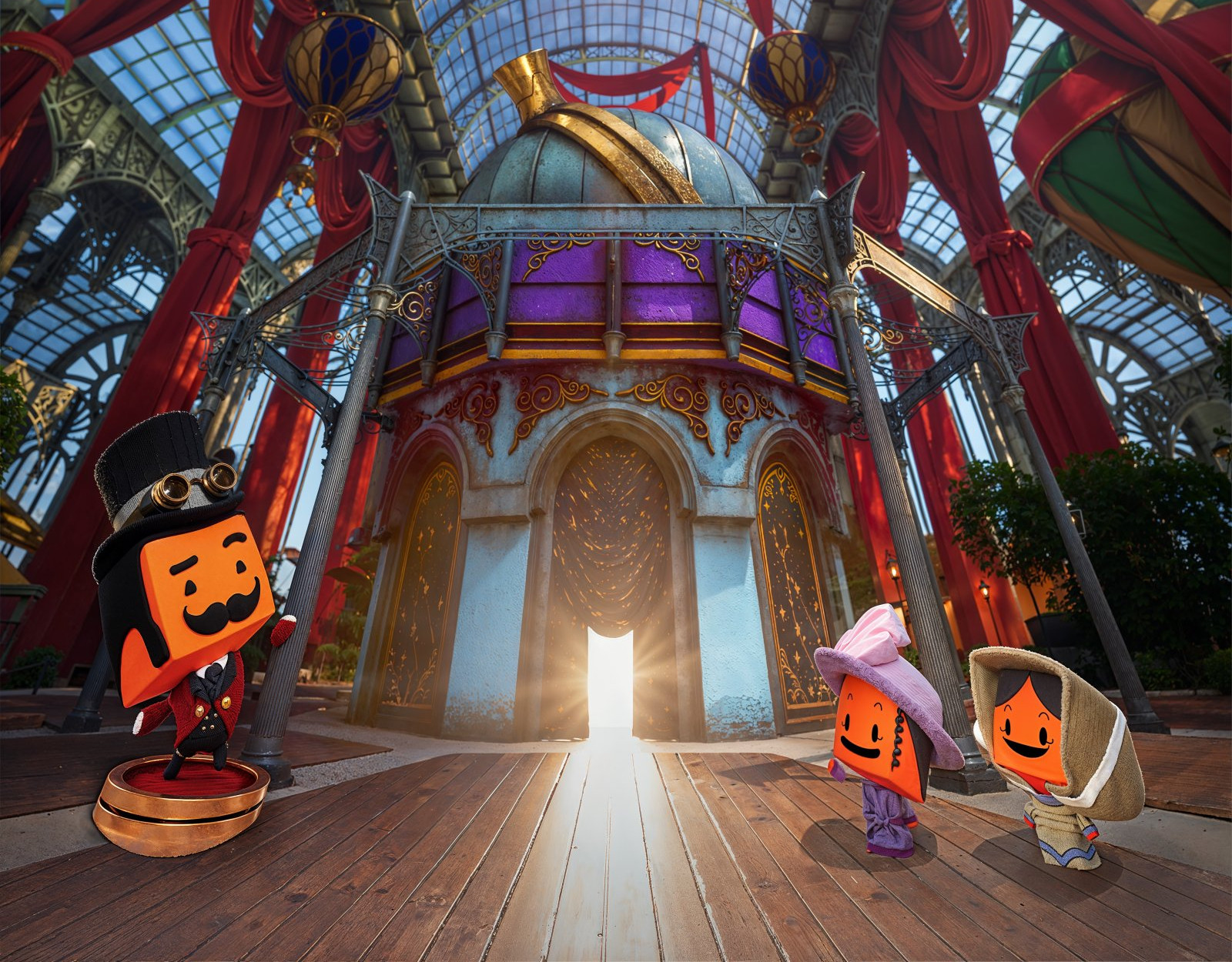 The Great Solar System Adventure
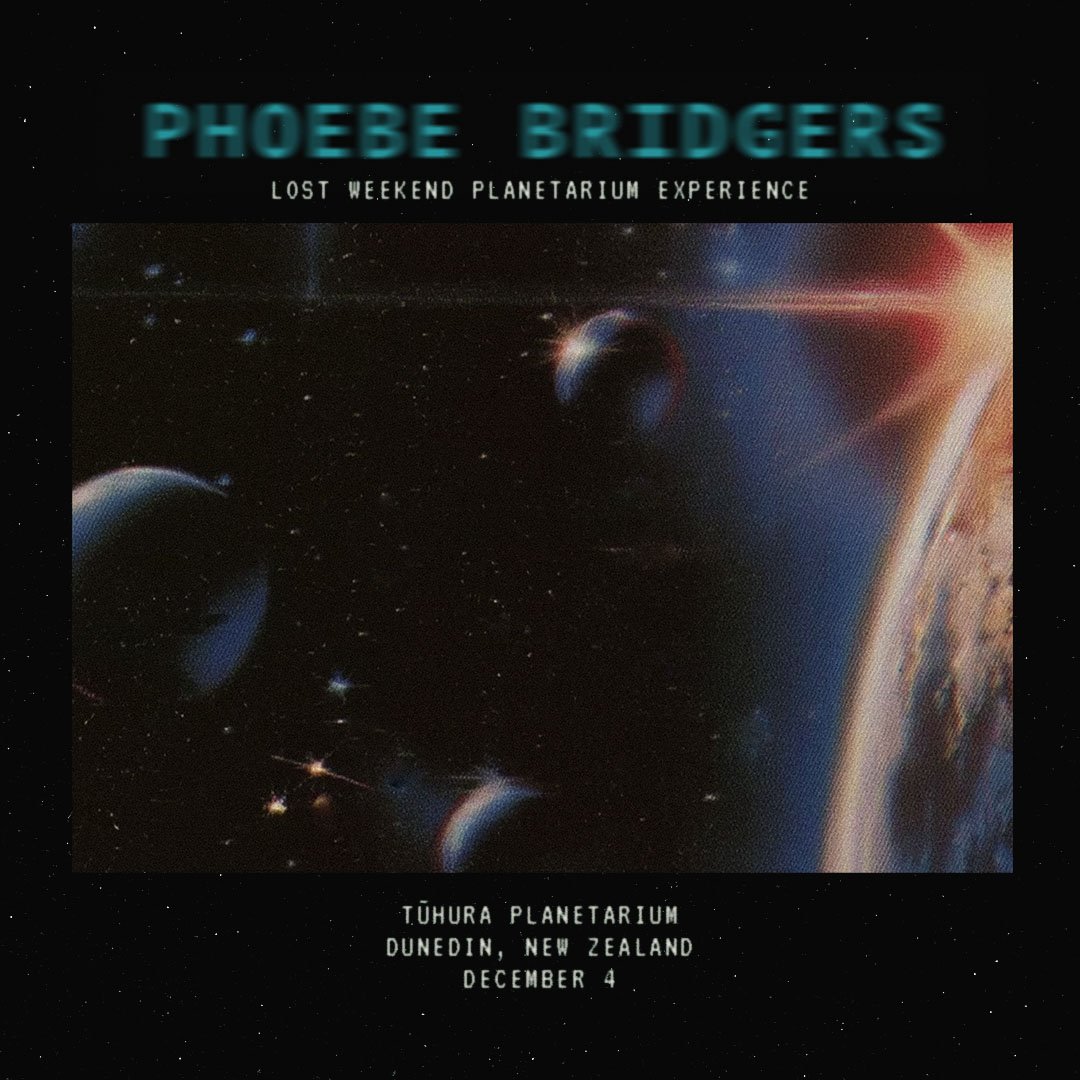 Phoebe Bridgers: Lost Weekend Planetarium Experience
 Grand Opening – The Great Solar System Adventure
 Ngā Waka Whiria: Hauora and Leadership in Construction
 FREE Webinar | A Better Future for NZ Communities