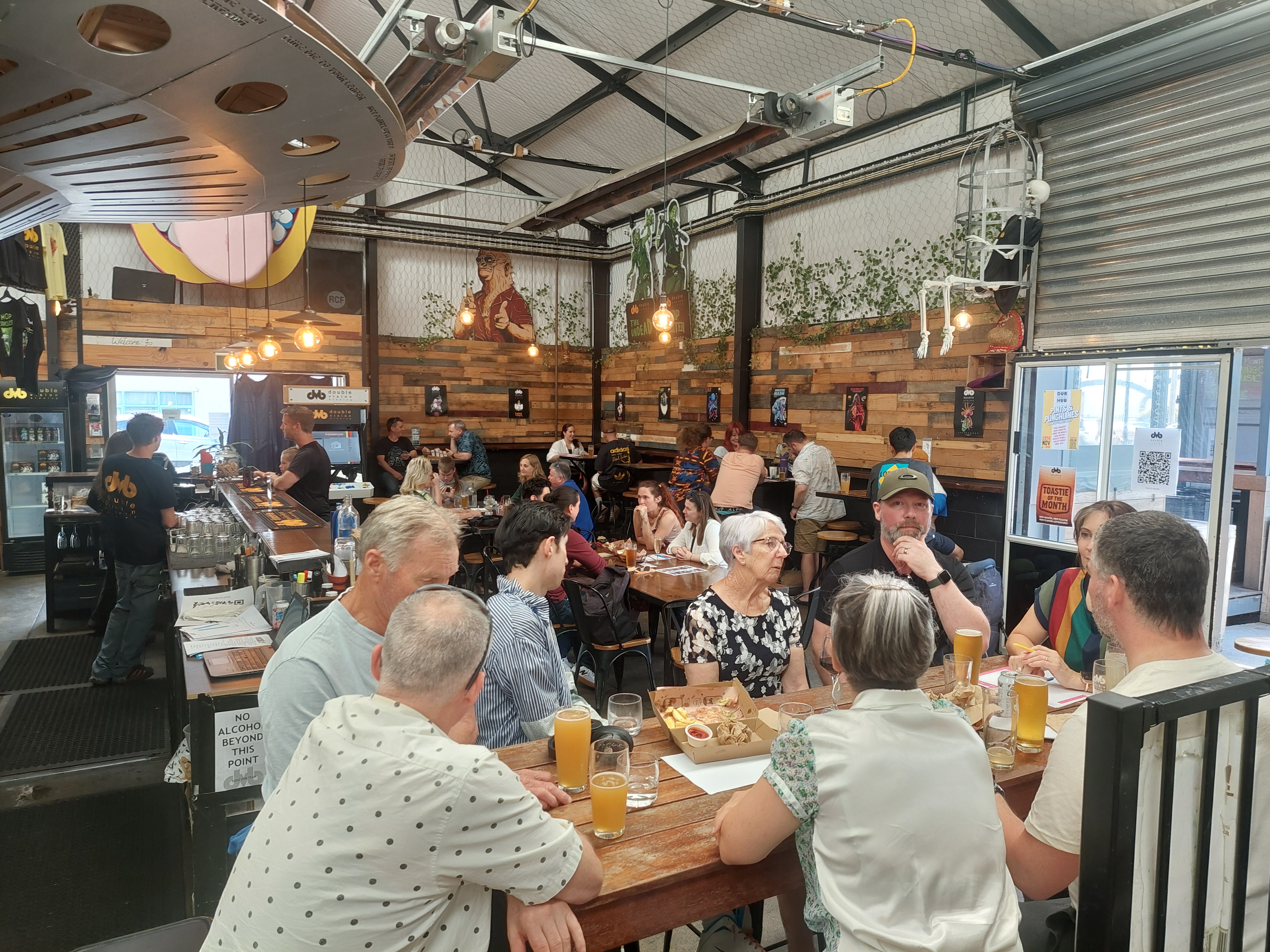
Pukaha National Wildlife Centre
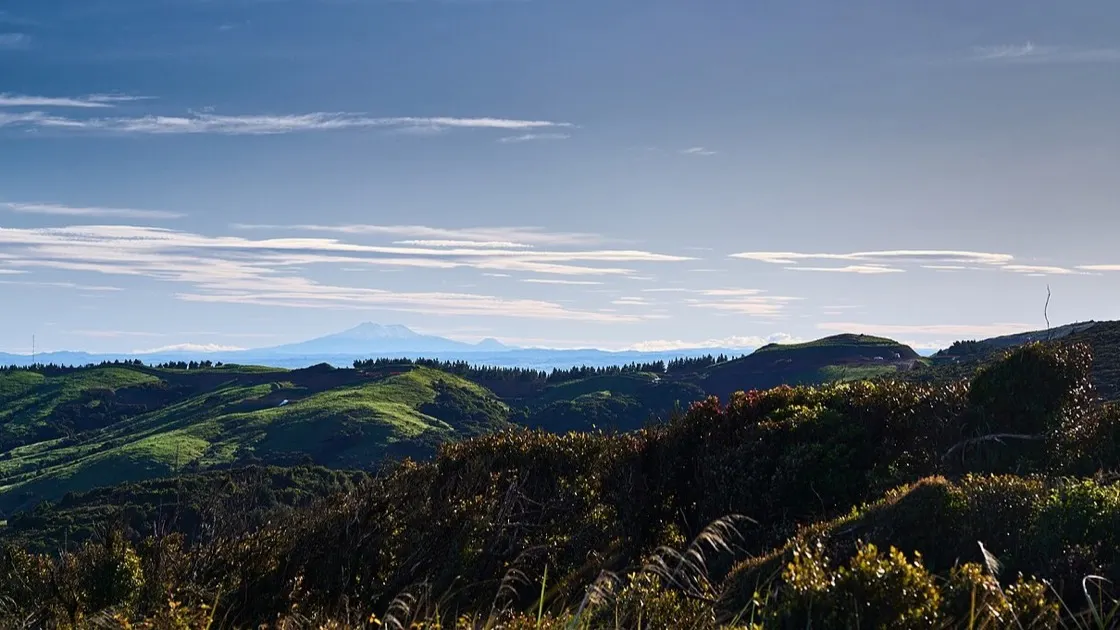
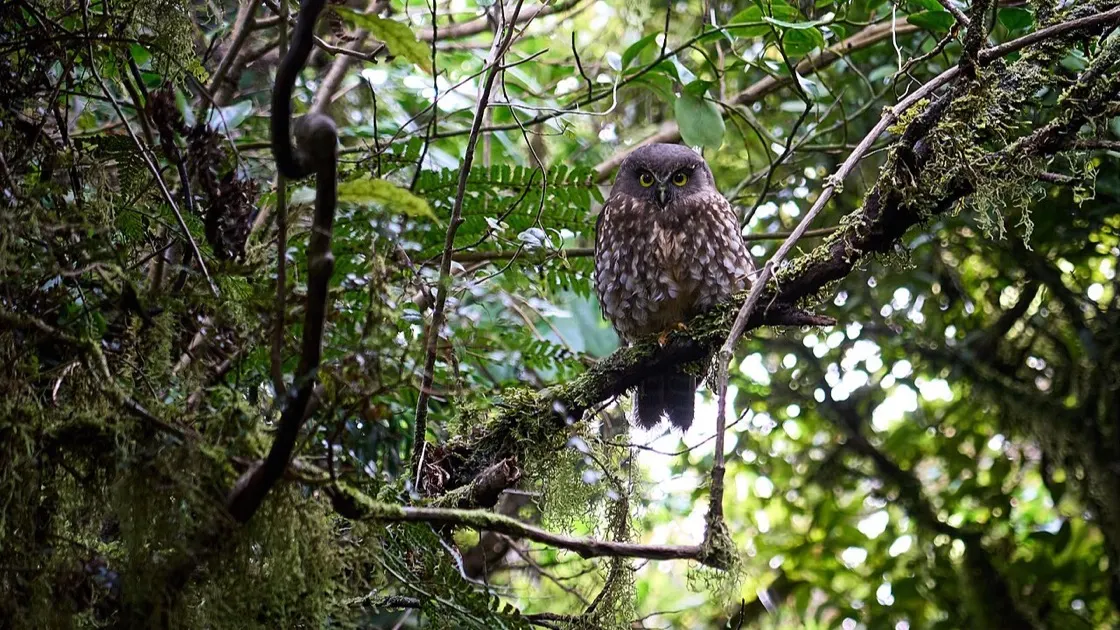
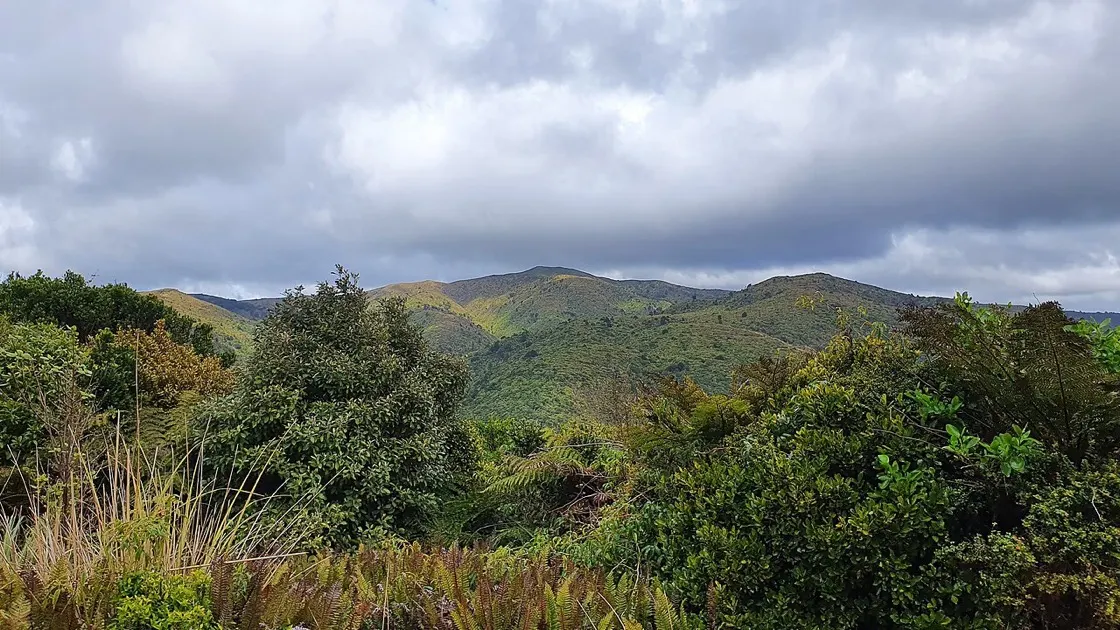
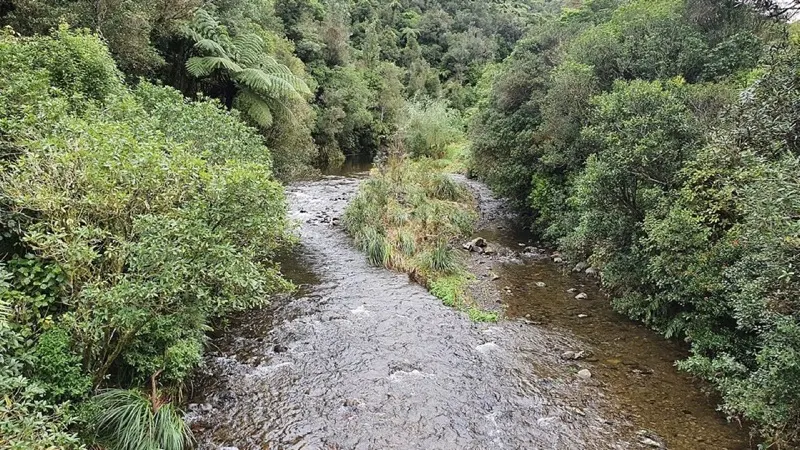
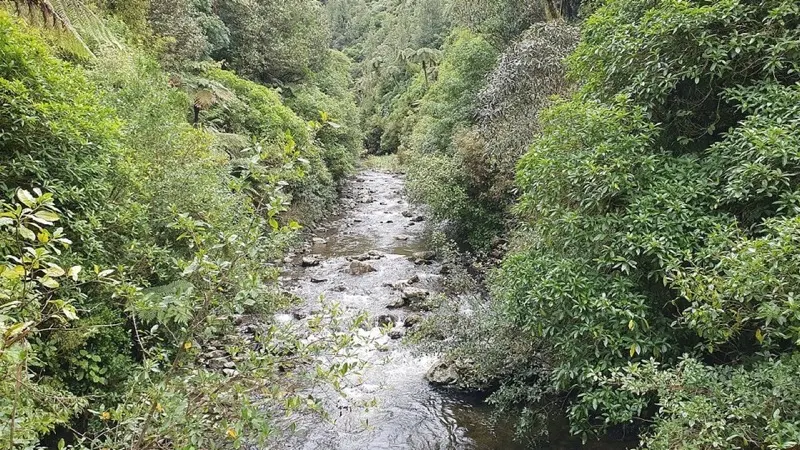
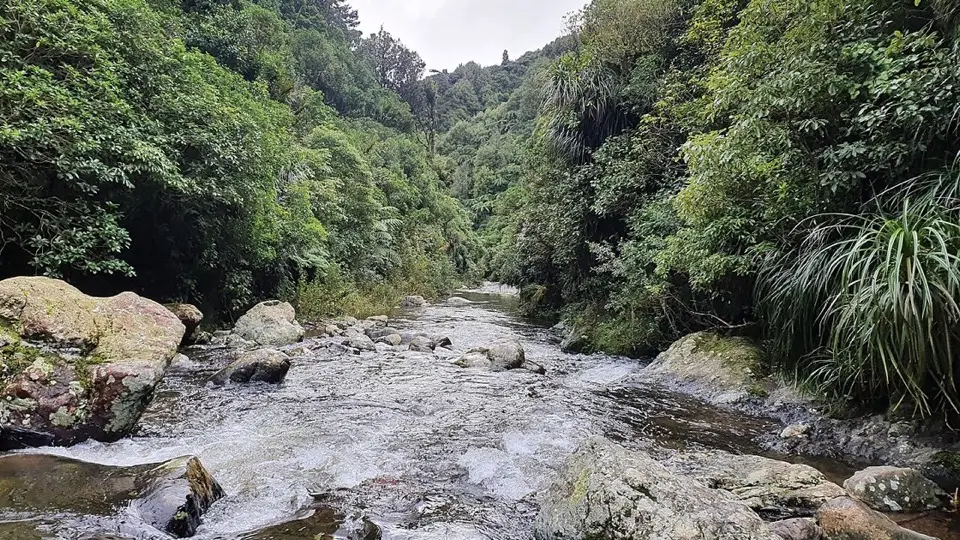
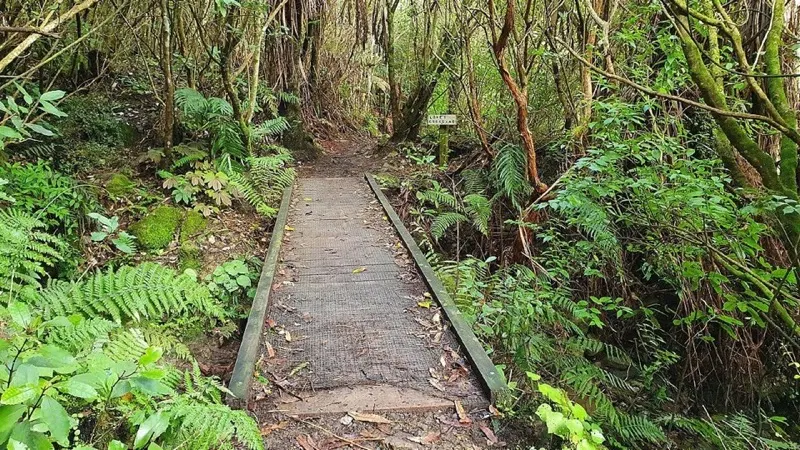
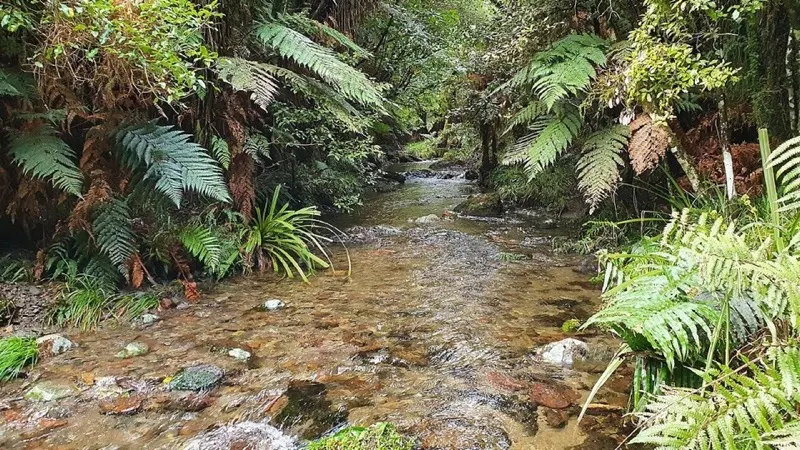
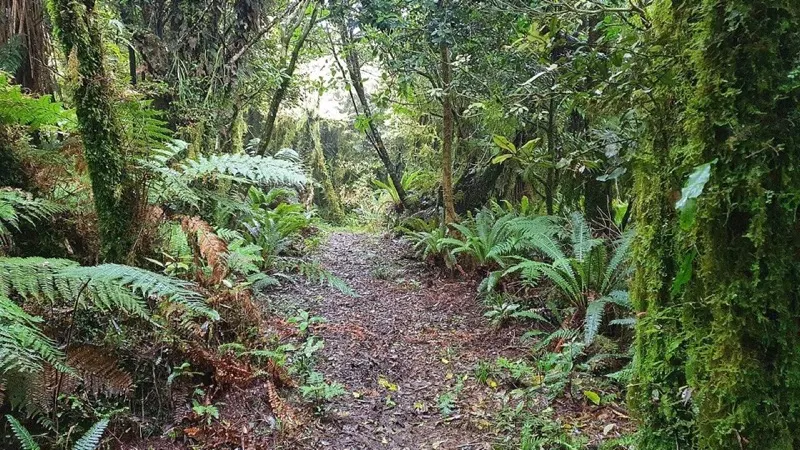
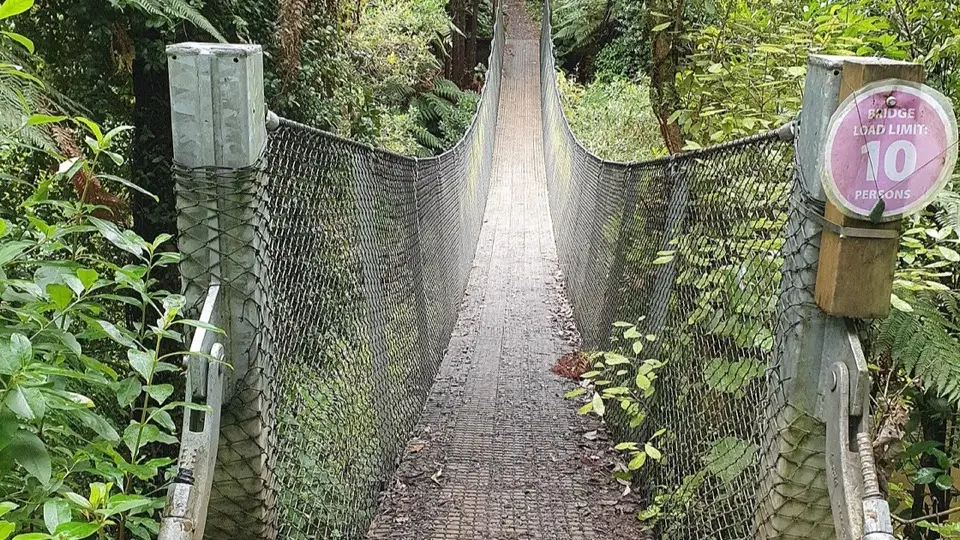
Photo credits: Geoff McKay from Palmerston North, New Zealand (CC BY 2.0); ShakyIsles (CC BY-SA 4.0)
Getting there
Pūkaha National Wildlife Centre sits on State Highway 2 in the Tararua district, 30 km north of Masterton and 10 km south of Eketāhuna, making it an easy stop on any drive through the Wairarapa or Tararua. It lies within the Pukaha/Mount Bruce National Wildlife Centre Reserve, a government purpose reserve of about 57.3 ha, enclosed on three sides by the 891-hectare Pukaha/Mount Bruce Scenic Reserve.
Things to do nearby
Boardwalks and forest paths wind through the reserve. Visitor facilities include native-bird aviaries, a nocturnal house where you can watch the normally shy kiwi, and a café. Guided visits are available, including a Behind the Scenes tour, and there are daily feeding demonstrations for the kākā and for the giant eels. A night tour searches for kiwi after dark and visits a glow worm cave. Nearby Masterton and Eketāhuna provide services and other stops.
Highlights
This is the region's most interactive wildlife experience: a predator-fenced remnant of lowland forest repopulated with rare birds. Kiwi are incubated, raised and released here, kākā — released since 1996 — now number around 160 in the forest, kōkako, takahē, kākāriki and kererū can be seen, and tuatara are also part of the restoration. The famous white kiwi Manukura, the first hatched in captivity, lived here until 2020. About 40,000 visitors come each year.
History & culture
The forest was government-acquired in the 1870s as part of Seventy Mile Bush, most of which was cleared for farmland; the 942-hectare Mount Bruce block survived as a forest reserve. A native bird reserve opened in 1965 after early breeding successes with South Island takahē by local Elwyn Welch. In 2016 a Treaty of Waitangi settlement with Rangitāne iwi added the name Pūkaha and vested the reserves in the iwi; Rangitāne gifted the forest back to the people of New Zealand in 2021. The centre is run as a three-way partnership between Rangitāne, the National Wildlife Centre Trust and the Department of Conservation.
Booking & rules
The centre is open every day except Christmas Day. Entry is by admission ticket from the visitor centre; night tours and the Behind the Scenes tour should be booked. The site is governed by the Pūkaha Mount Bruce Board, a registered charity with about 30 staff and 50 volunteers. Schools visit under the LEOTC programme and a UCOL conservation certificate is taught on-site.
About this attraction
Pukaha guards a remnant of the great lowland forest that once covered this corner of the North Island behind a predator-proof fence, and fills it with endangered birds: brown kiwi are hatched and reared here for release, kākā swoop through the free-flight aviary, kōkako call from the canopy, and giant eels surface at the daily feed. Boardwalks and bush tracks loop the forest, with ranger talks threading the breeding story through the walk. It is the region's most hands-on wildlife stop and an easy detour on the SH2 drive.
Highlights
Time the kiwi nursery and eel-feeding talks, walk the forest loop with kākā swooping overhead, and book a behind-the-scenes breeding tour when one is available.
Cautions
Biosecurity checks apply at entry (no pests hitchhiking in bags or cars); stay on tracks and keep to the marked viewing distances from nesting birds.
Getting there
On State Highway 2 in the Mount Bruce forest, between Eketahuna and Masterton; free on-site parking, about an hour from Palmerston North.
noda attraction index 59
3.0 / 5
How the attraction index works
Each attraction is scored from five verifiable data points, out of 100. This is an editorial index, not a user rating — it reflects how free, how scenic and how well documented a place is, not anyone's personal experience.
| Free bonus | 20 pts | Completely free 20; small fees (parking, gold-coin koha) 10; expensive tickets 0. |
|---|---|---|
| Scenery uniqueness | 25 pts | World Heritage or landmark-level 25, regional 18, local 12 — each listing is explicitly tiered. |
| Things to do | 20 pts | Ranked by the depth of the highlights write-up: full 20, medium 14, brief 10. |
| Information completeness | 20 pts | 15 for having about, best time, cautions and access notes, minus 4 per missing item; plus 5 for two or more official sources. |
| Accessibility | 15 pts | Reachable by car 15, short walk 12, long tramp required 6. |