Moutohora (Whale Island)
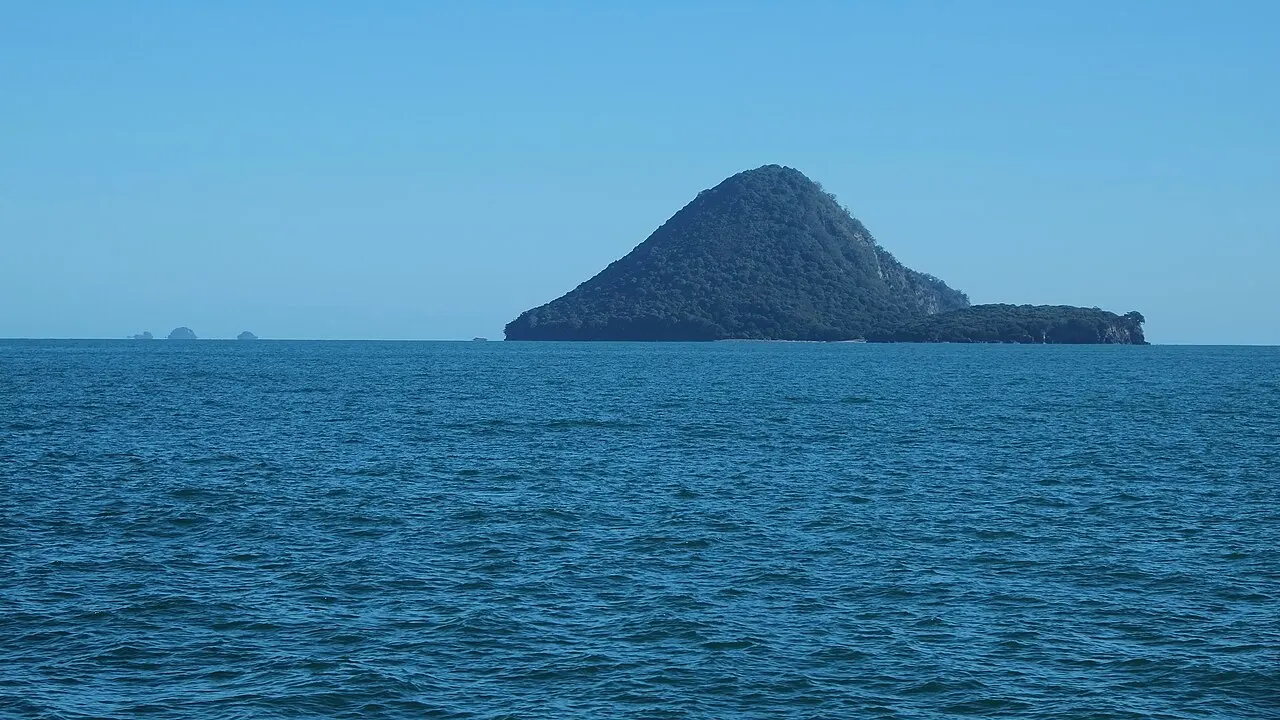
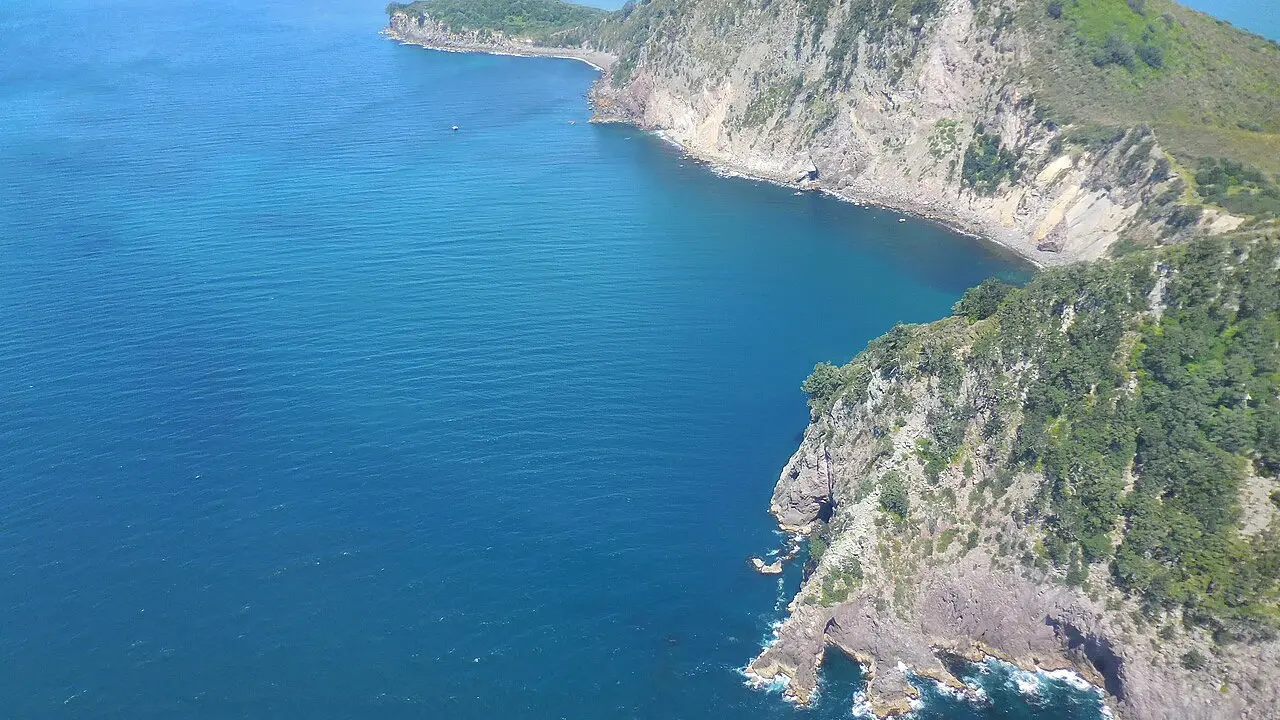
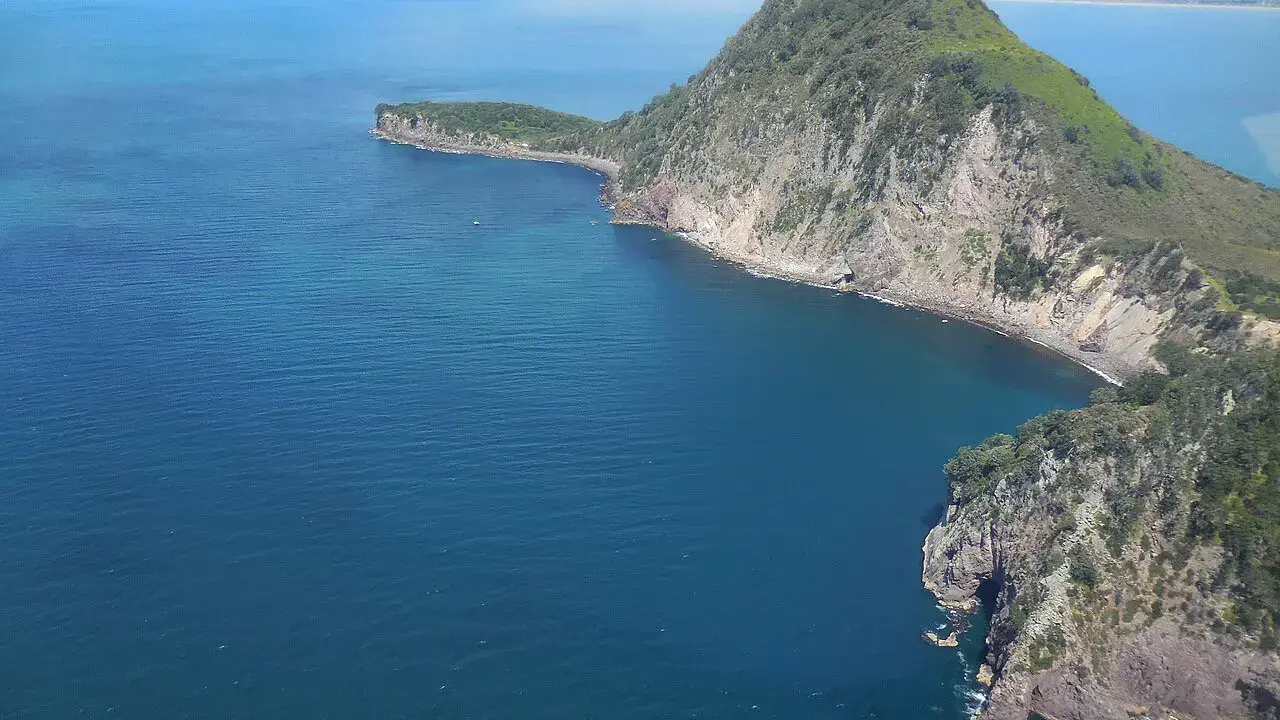
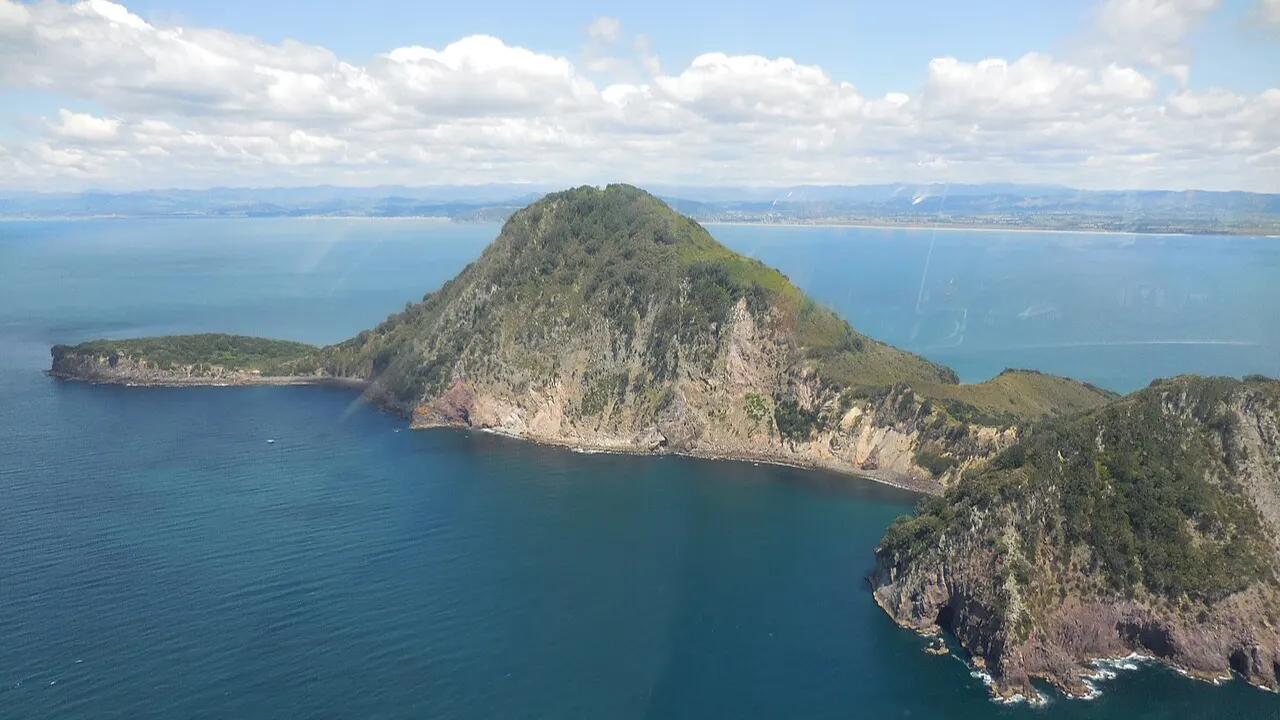
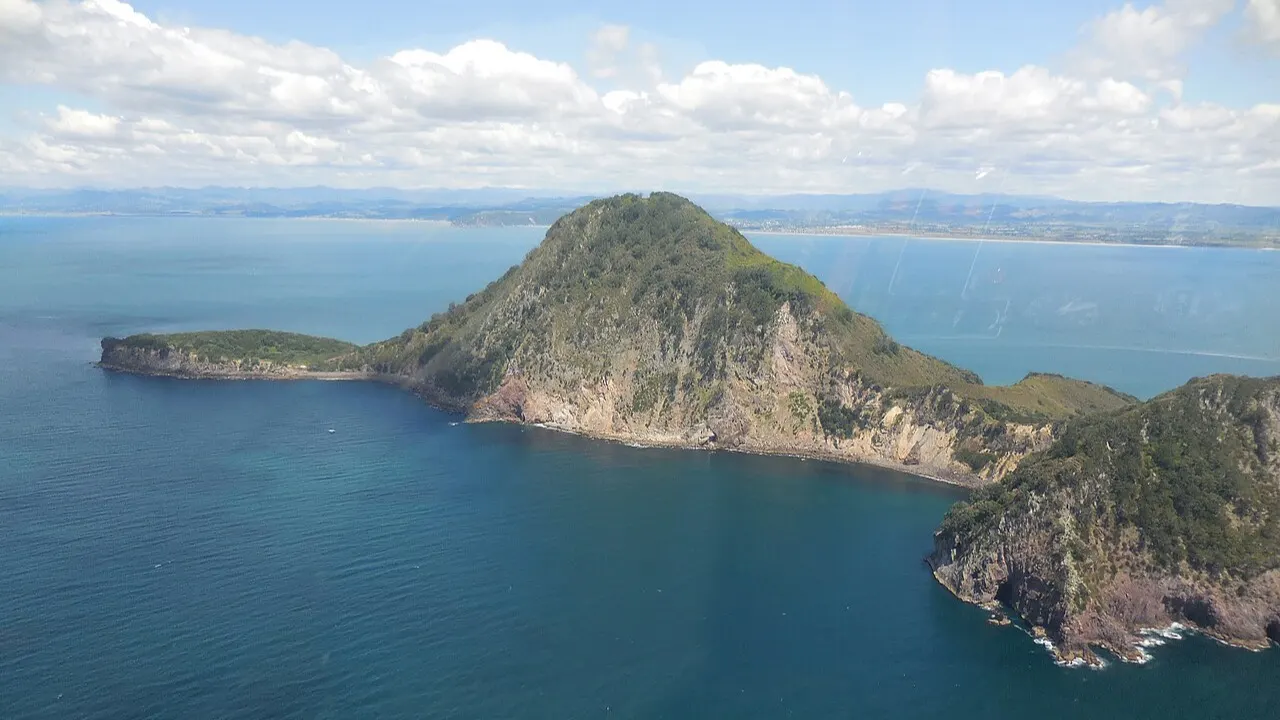
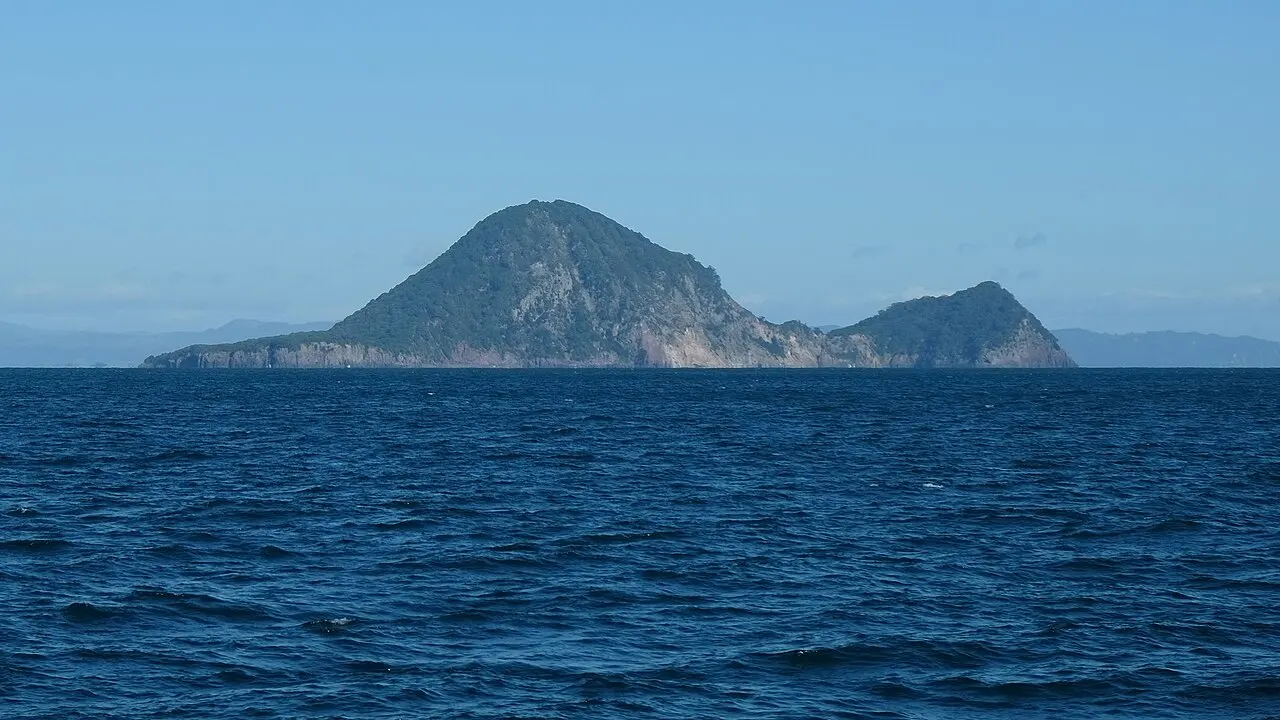
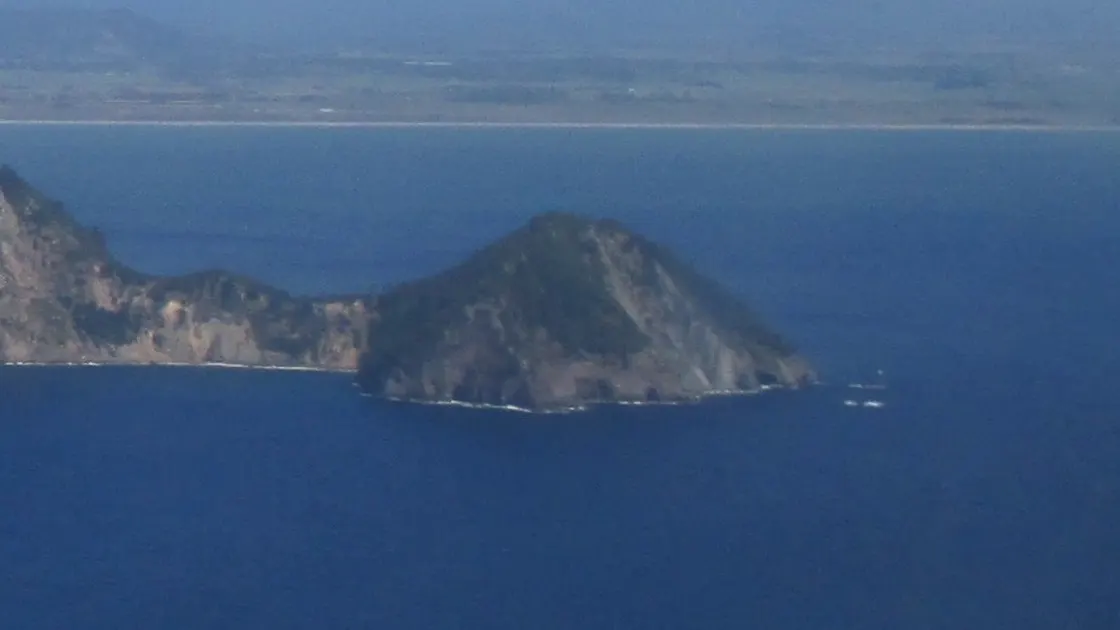
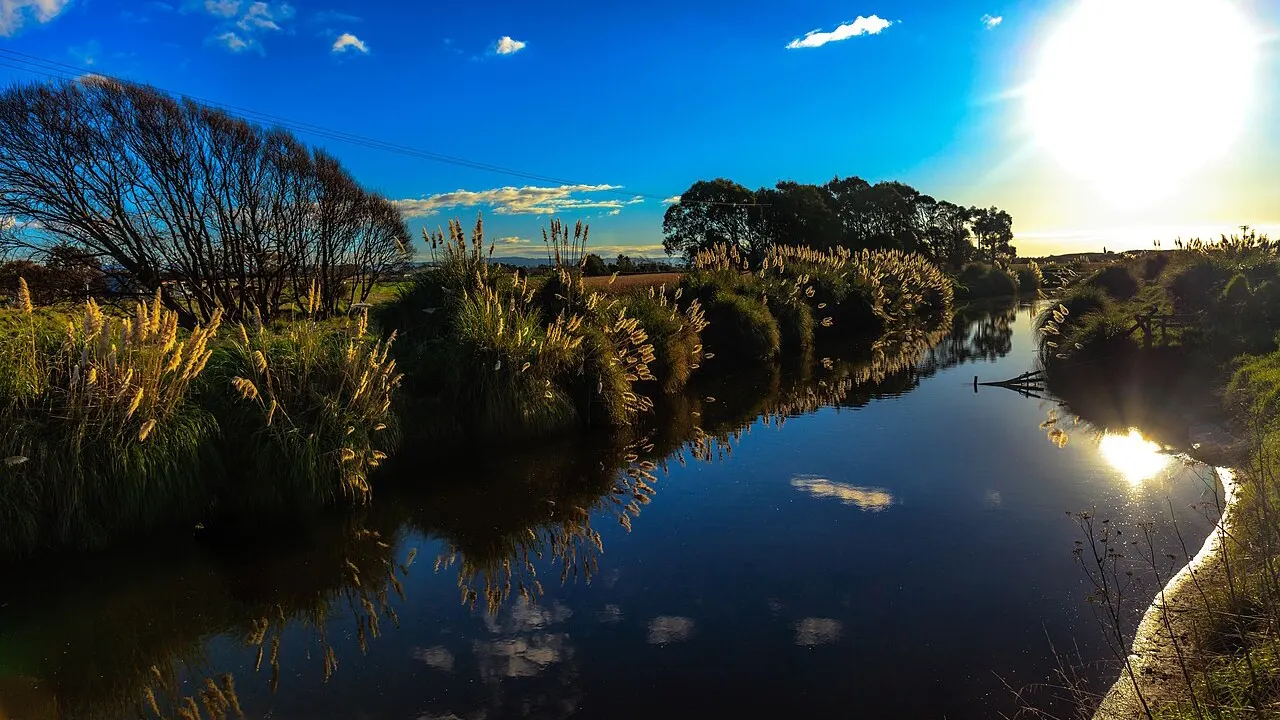
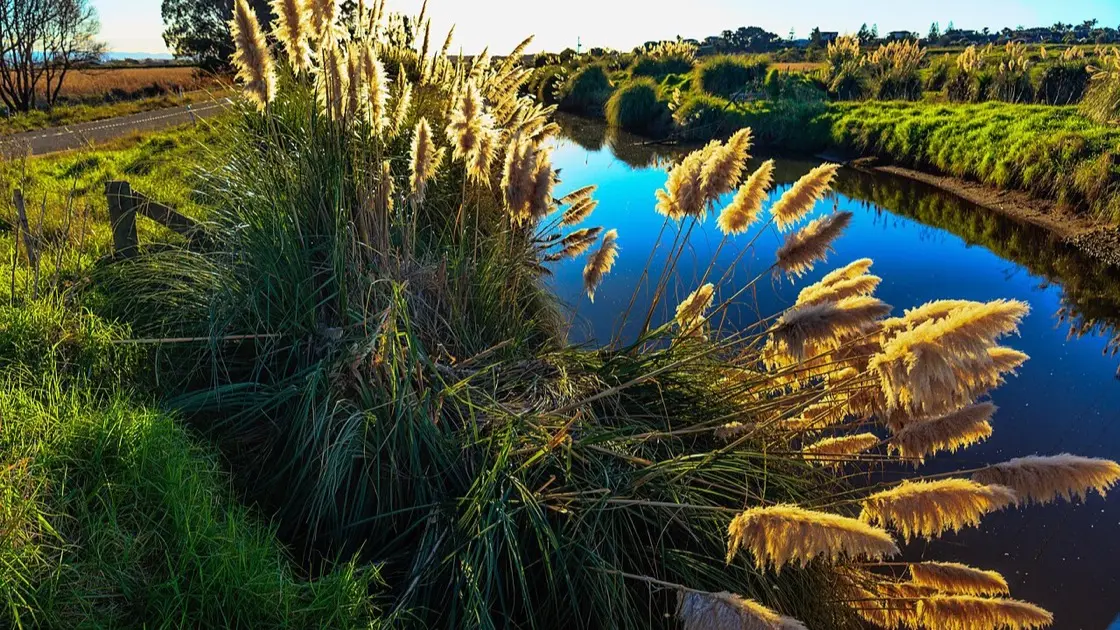
Photo credits: Pseudopanax at English Wikipedia (Public domain); David Broad (CC BY 3.0); LawrieM (CC BY-SA 4.0); Murray Foubister (CC BY-SA 2.0)
Getting there
Moutohora (Whale Island) lies off the Bay of Plenty coast near Whakatane. There is no public ferry or independent landing: the island is reached by licensed operators based in Whakatane, who run boat crossings of the open sea as part of guided day trips.
Things to do nearby
Because the island is a strictly managed sanctuary, visits take the form of a guided circuit walk led by the operator. The trip includes the sea crossing there and back, so plan a full day around the excursion departing from Whakatane.
Highlights
Moutohora is a predator-free reserve where rare birds have recovered: the forest rings with the calls of saddleback (tieke), little blue penguins nest along the shoreline, and at night kiwi can be heard calling. A guided walk also passes geothermal seepage areas and bird nesting sites — features few coastal islands can offer.
History & culture
Its Māori name, Moutohora, is reflected in its common name 'Whale Island', which recalls the island's whale-like silhouette; the recovered bird populations are the result of the island's transformation into a predator-free reserve.
Booking & rules
Independent landing is not permitted — access is only with concessioned operators from Whakatane on guided day trips, and visitors must stay with their guide on the island.
About this attraction
Moutohora (Whale Island) is a managed reserve where predators have been eradicated, giving rare birds room to rebound: saddlebacks chatter in the bush, kiwi call at night, and little blue penguins nest along the shore. Day trips run from Whakatane with concession holders, landing walkers for a guided loop past geothermal seeps and nesting colonies before returning across the open sea.
Highlights
Take the boat out with a licensed operator, walk the guided loop through regenerating forest, and watch for penguins and dolphins on the crossing — daily numbers are capped, so it never feels crowded.
Cautions
The island is a reserve — landing is only allowed with a permitted tour; stay on marked tracks and carry out everything you bring.
Getting there
Tours depart from Whakatane wharf by boat; the crossing takes roughly half an hour each way depending on sea conditions.
noda attraction index 58
3.0 / 5
How the attraction index works
Each attraction is scored from five verifiable data points, out of 100. This is an editorial index, not a user rating — it reflects how free, how scenic and how well documented a place is, not anyone's personal experience.
| Free bonus | 20 pts | Completely free 20; small fees (parking, gold-coin koha) 10; expensive tickets 0. |
|---|---|---|
| Scenery uniqueness | 25 pts | World Heritage or landmark-level 25, regional 18, local 12 — each listing is explicitly tiered. |
| Things to do | 20 pts | Ranked by the depth of the highlights write-up: full 20, medium 14, brief 10. |
| Information completeness | 20 pts | 15 for having about, best time, cautions and access notes, minus 4 per missing item; plus 5 for two or more official sources. |
| Accessibility | 15 pts | Reachable by car 15, short walk 12, long tramp required 6. |
Things to do nearby · Events
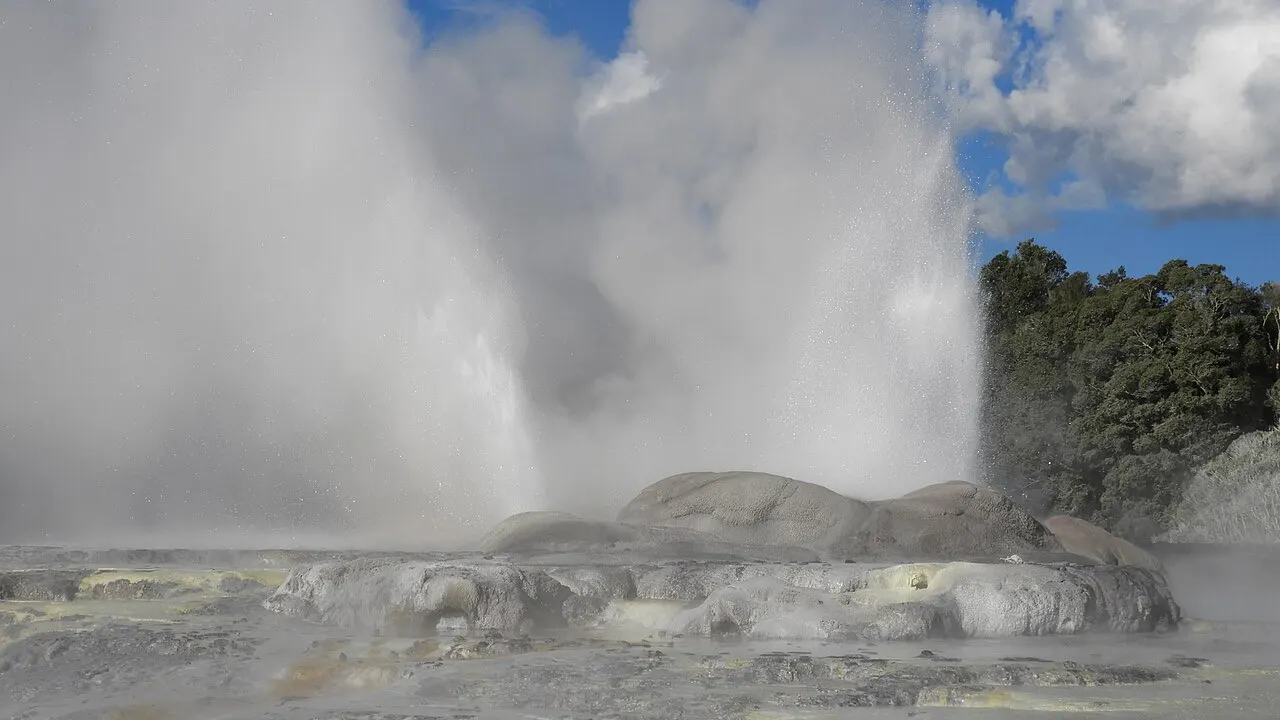 Te Puia
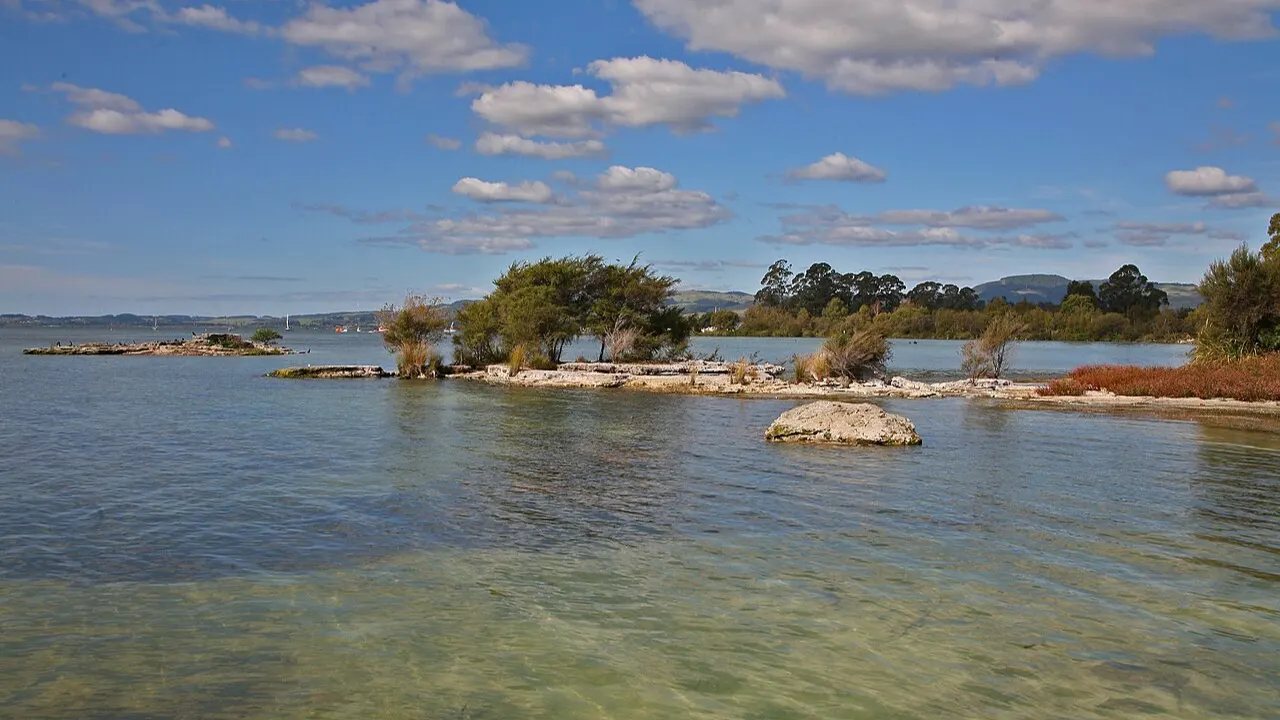 Lake Rotorua
- Paint and Wine Night - Summer in NZ
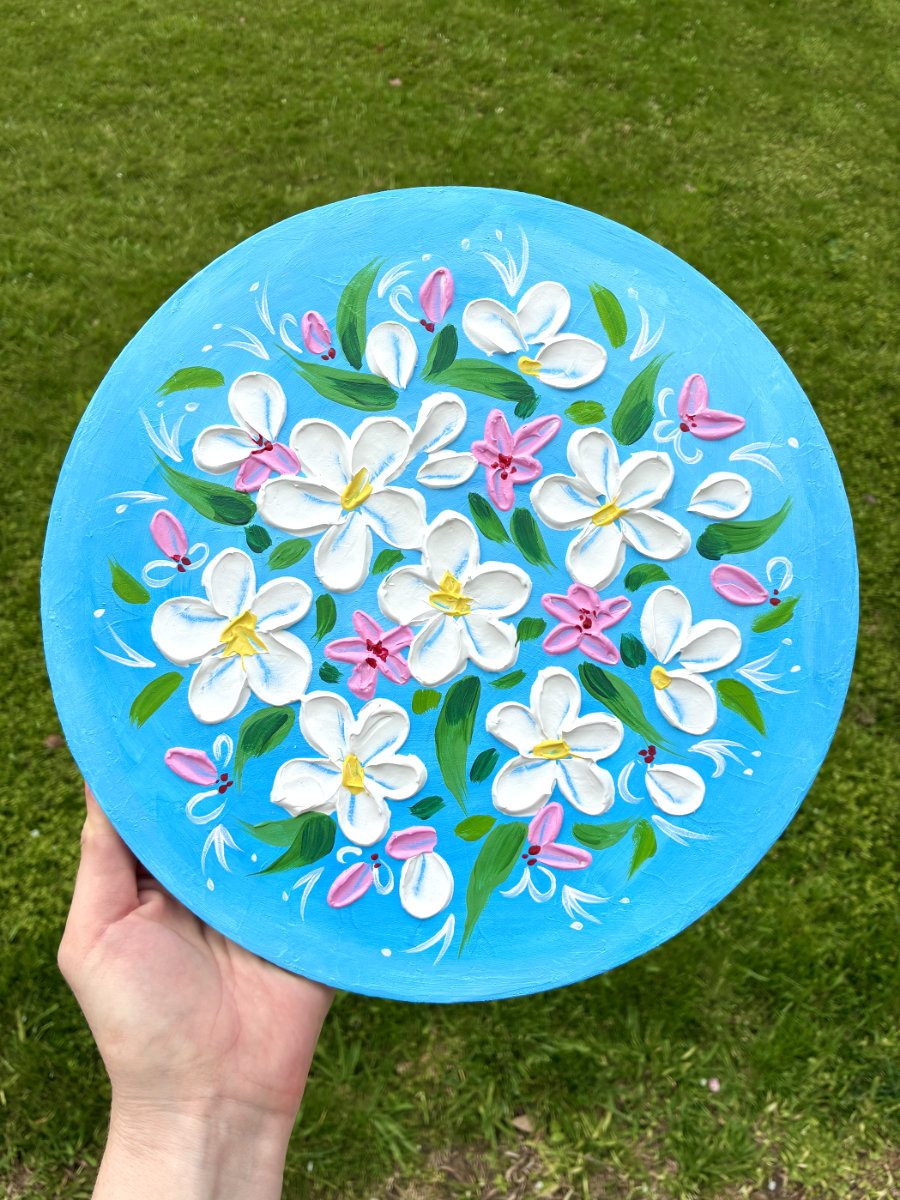 Textured Paint Art and Wine Night - Texture Blossoms
- The Big Bike Film Night 2027
 Fleetwood Mac - 50 years of Rumours
 Wahine Toa - Womens Adventure Film Festival
 Ngā Waka Whiria: Hauora and Leadership in Construction