Mount John Observatory
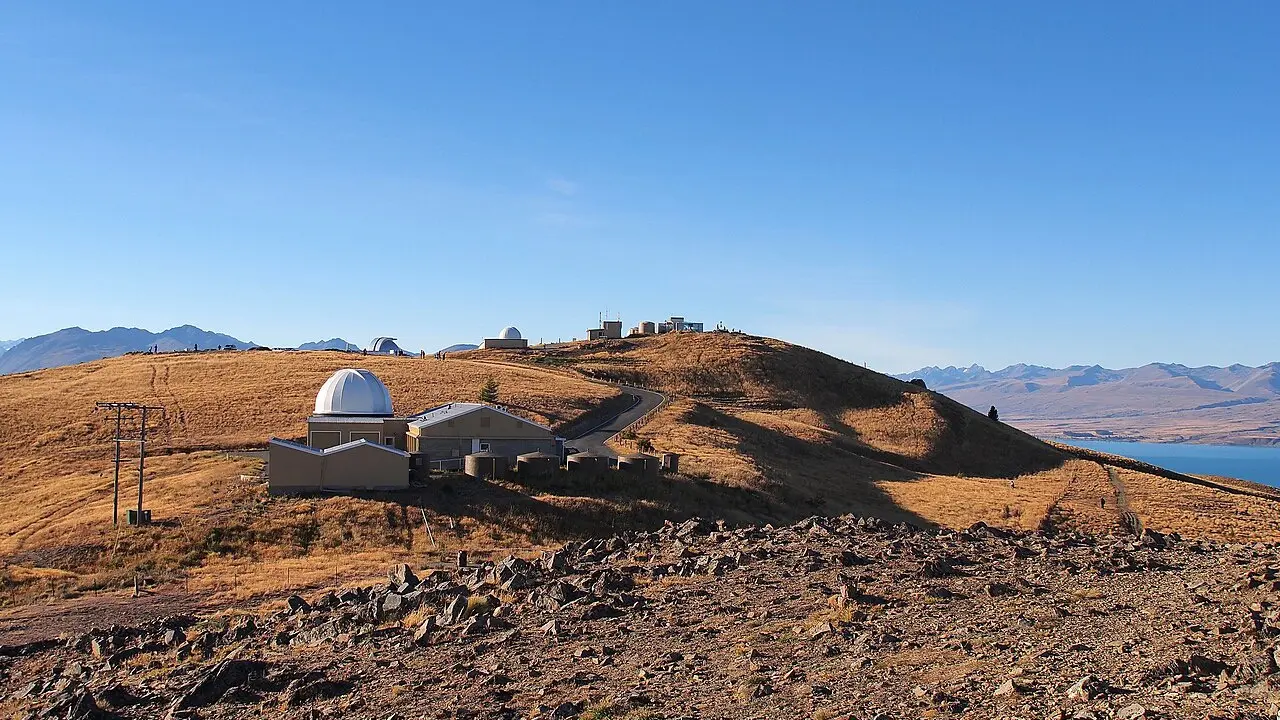
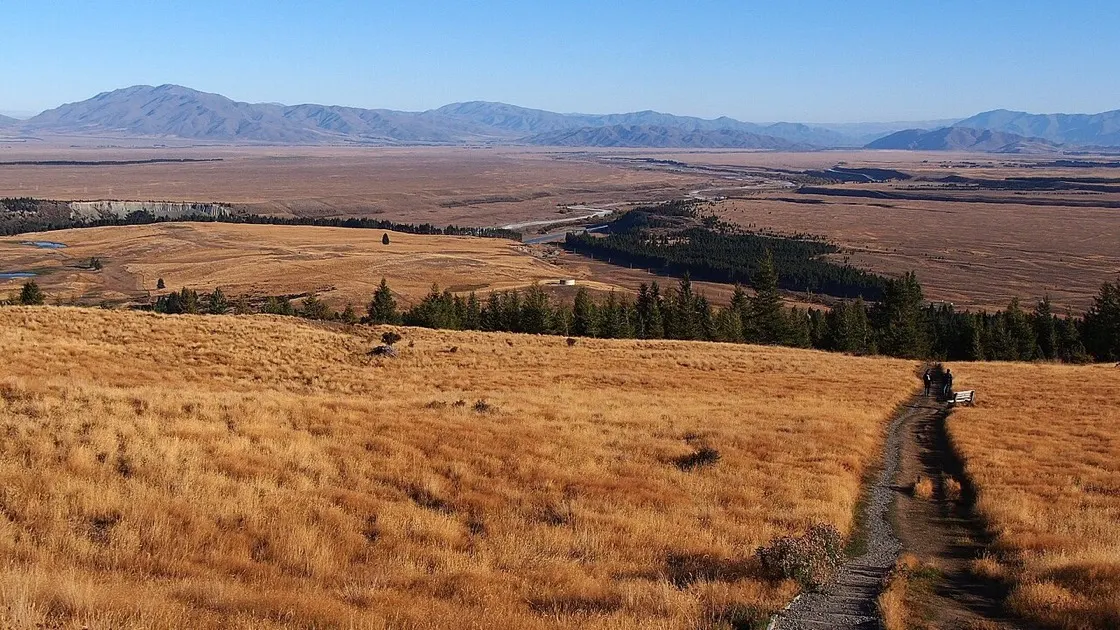
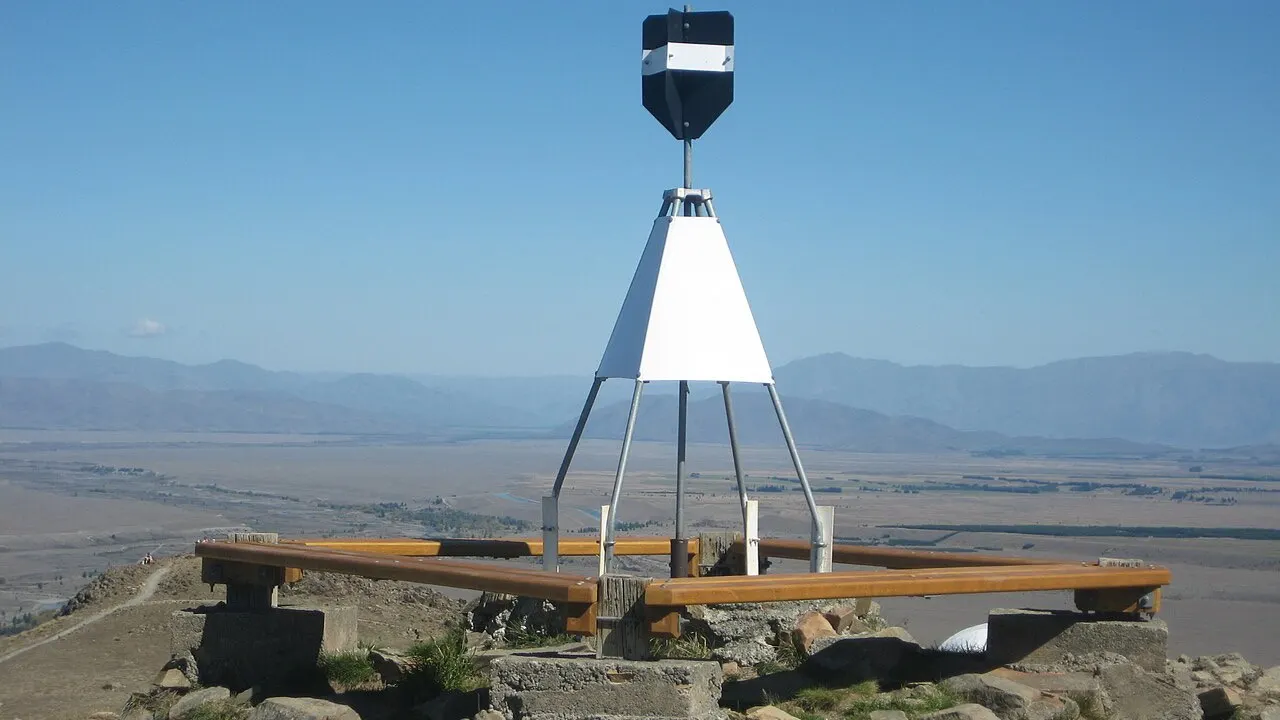
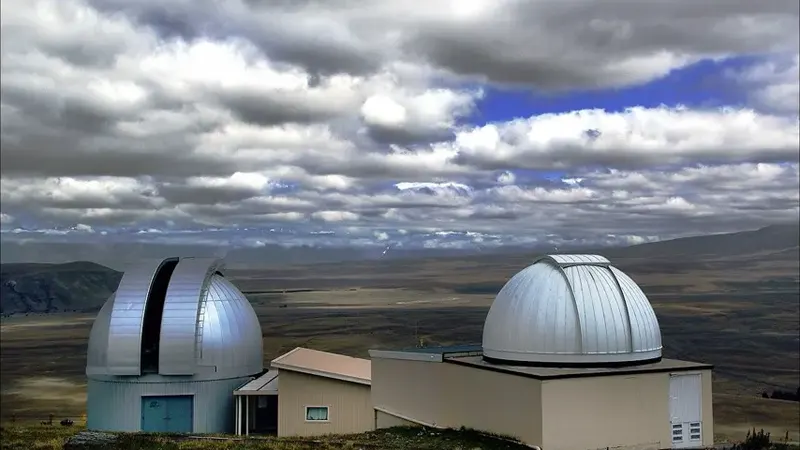
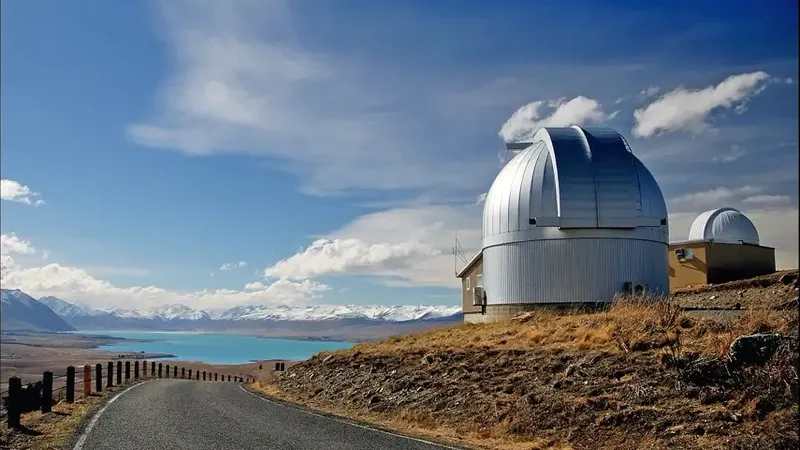
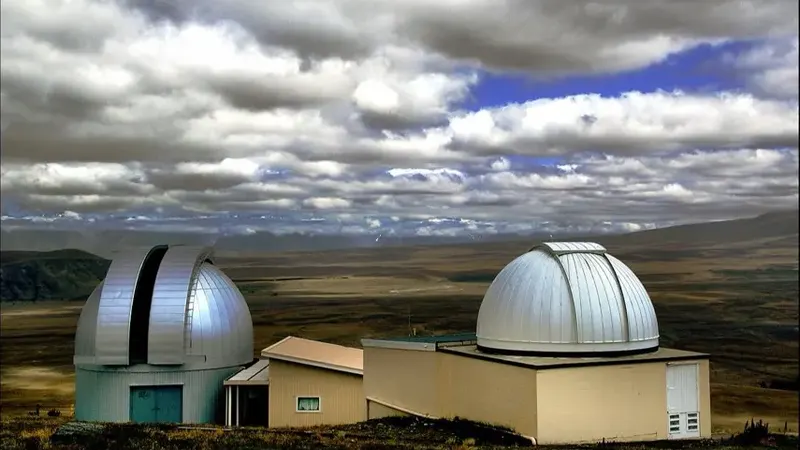
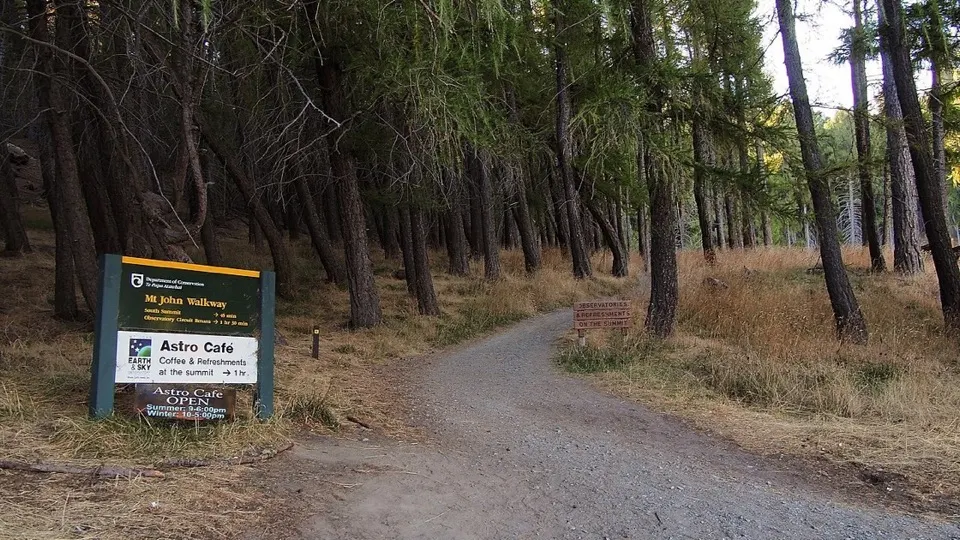
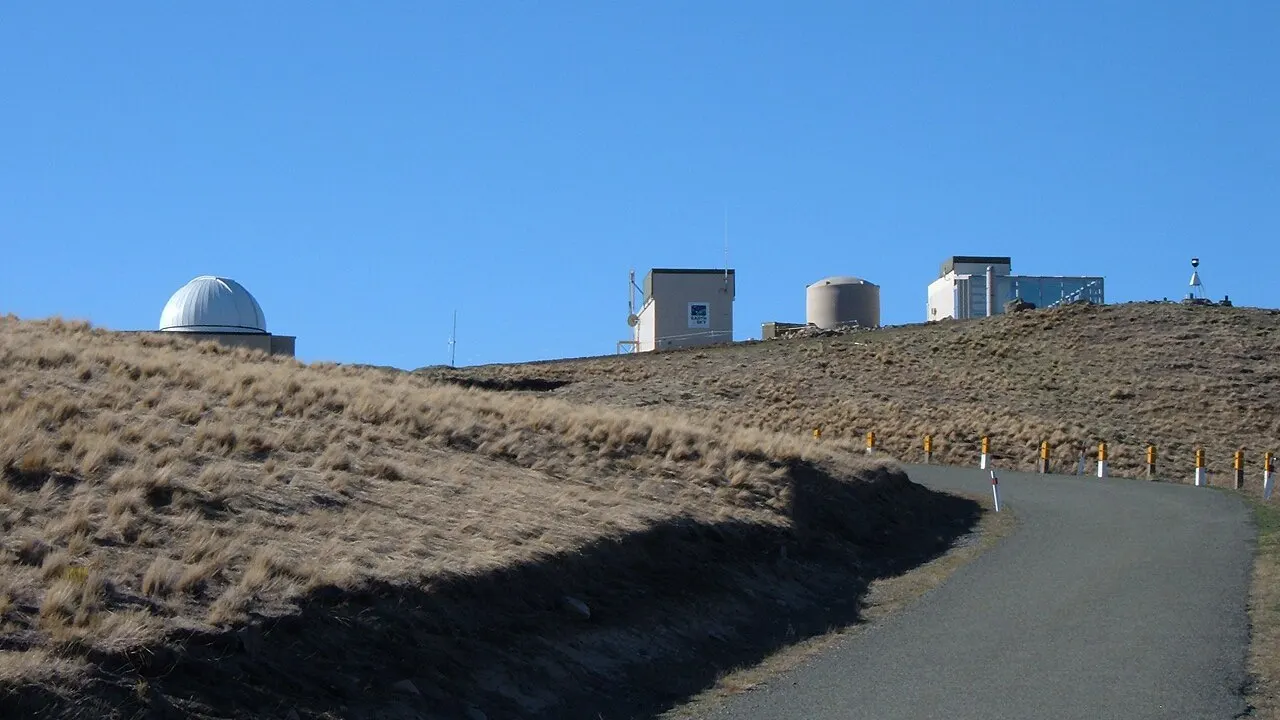
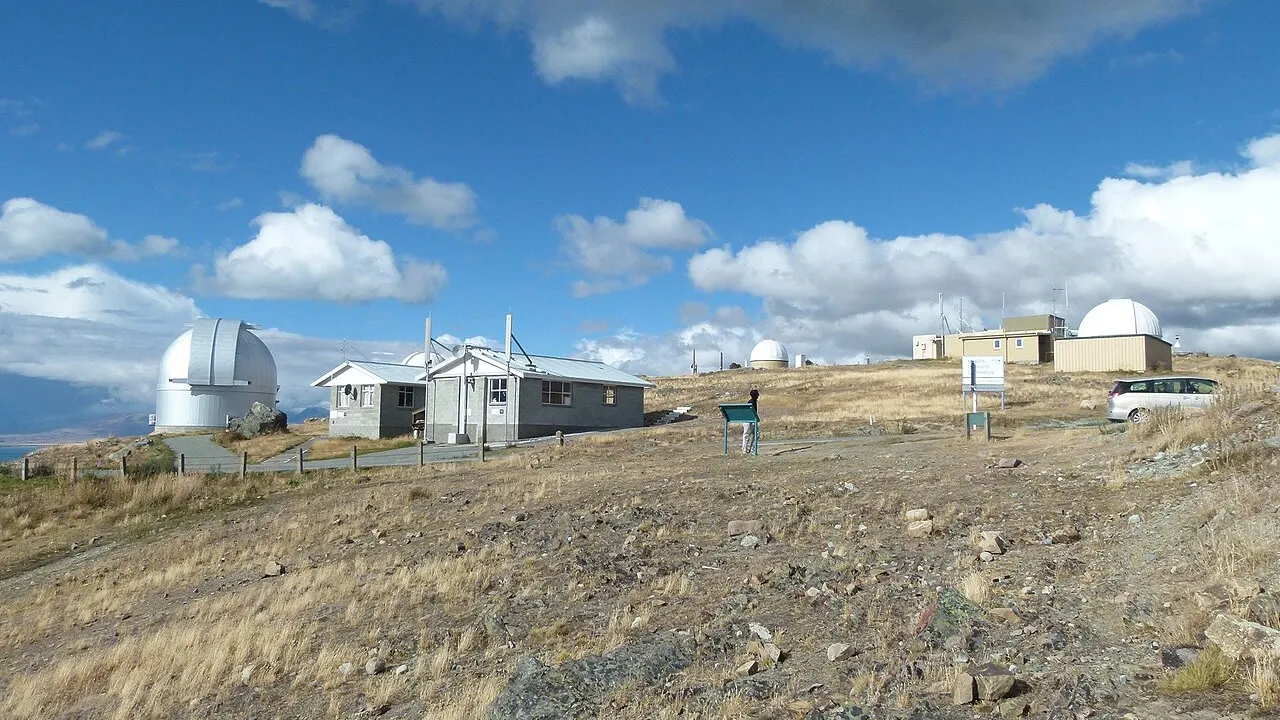
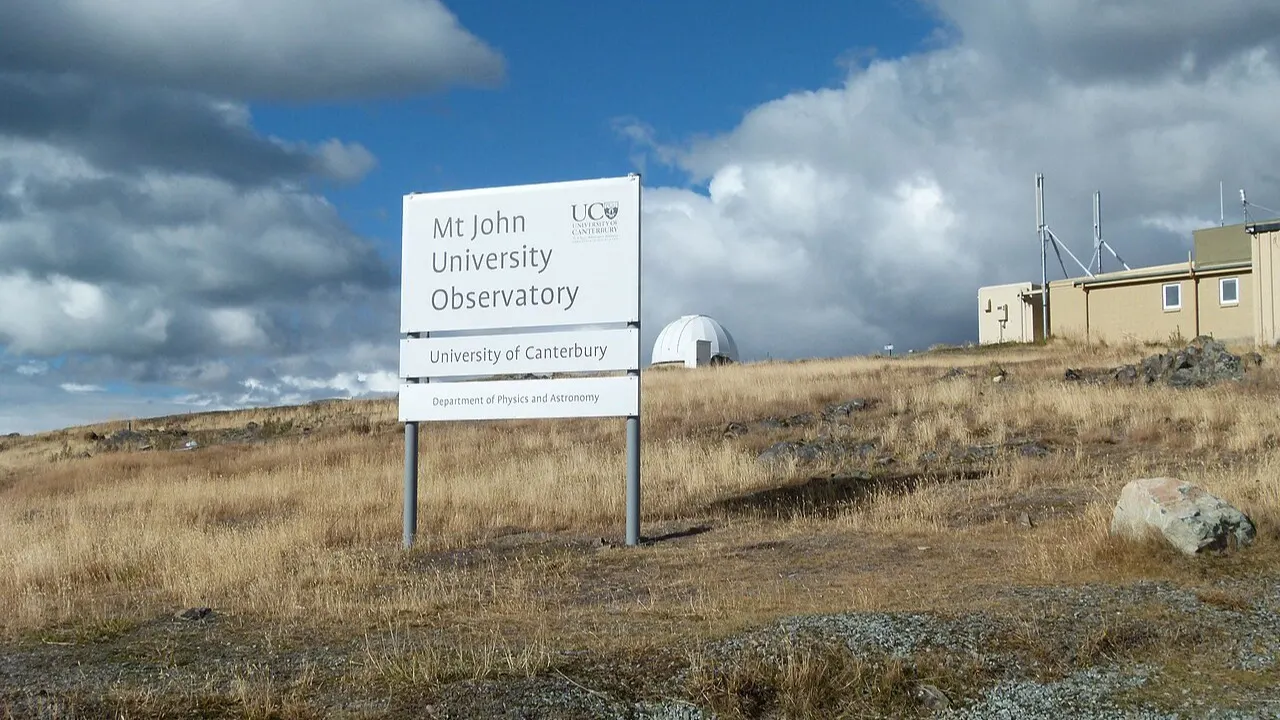
Photo credits: rheins (CC BY 3.0); Jeffrey from Christchurch, New Zealand (CC BY-SA 2.0); Bernard Spragg. NZ from Christchurch, New Zealand (CC0); wanghongliu (CC BY-SA 3.0)
Getting there
Mount John University Observatory sits at 1,029 metres above sea level on the summit of Mount John, at the northern end of the Mackenzie Basin in the South Island. A winding summit road climbs from the nearby resort town of Lake Tekapo, the nearest population centre, and a small road toll applies for driving up during the day. The observatory's coordinates place it roughly 44 degrees south, in the heart of New Zealand's South Island high country.
Things to do nearby
Lake Tekapo, just below the mountain, offers the Church of the Good Shepherd, the lakeshore and the wider Mackenzie Basin's glacial scenery. The summit's 360-degree panorama takes in the lake basin, the lakefront church and the Southern Alps in the distance. After dark, the surrounding dark-sky landscape becomes the main attraction, with guided stargazing tours run on the mountain by the operator Dark Sky Project.
Highlights
This is New Zealand's premier astronomical research observatory, home to five large telescopes including the 1.8-metre MOA telescope, the largest optical telescope in New Zealand, plus 1.0-metre McLellan and two 0.6-metre reflectors. Roughly 20% of nights are photometric, and the sky here rates Bortle 2. A cafe and observatory sit inside the research zone — one of the few view cafes located within an observatory area — serving coffee and desserts by day while researchers work nearby.
History & culture
The observatory was established in 1965 by the University of Canterbury, with Alister McLellan, head of its physics department, appointed the first director — the 1.0-metre McLellan telescope (installed 1986) bears his name. The Japanese-funded MOA telescope opened in 2004 for the Microlensing Observations in Astrophysics project with Nagoya University, and was handed to Canterbury in 2012. In 2008 MOA data revealed what was then the smallest known exoplanet, MOA-2007-BLG-192Lb, only 3.3 times Earth's size.
Booking & rules
In June 2012, 430,000 hectares around the observatory were declared the Aoraki Mackenzie International Dark Sky Reserve by the International Dark-Sky Association — one of only four such reserves in the world at the time — so after sunset the summit belongs to the reserve's scientific core zone. Night stargazing tours run by Dark Sky Project must be booked in advance and are led by professional guides using astronomical telescopes. A small road toll is charged for driving up by day; the summit is windy and exposed, so bring warm clothing.
About this attraction
Mount John is the lookout above Lake Tekapo: a summit road spirals up to a 360-degree platform over the whole basin, the church and the Southern Alps beyond. The astro-café at the top is one of the few sited inside a working observatory precinct; by day it pours coffee over the view, and after dark the area sits inside the dark-sky reserve's scientific core, with guided telescope tours observing deep sky. A small road toll applies for driving up by day; night tours must be booked; the summit is exposed, so take a warm layer.
Highlights
Walk the summit loop for full lake-and-range panoramas, take the astro-café terrace, book a night tour for telescope viewing, and stay for the lake shifting colour at dusk.
Cautions
After dark the precinct is a scientific zone — stay with your guide; the daytime road toll applies per signage; summit wind is strong and weather turns fast.
Getting there
A 10-minute drive up from Tekapo village or about 40 minutes on foot; night tour operators run shuttles.
noda attraction index 88
4.4 / 5
How the attraction index works
Each attraction is scored from five verifiable data points, out of 100. This is an editorial index, not a user rating — it reflects how free, how scenic and how well documented a place is, not anyone's personal experience.
| Free bonus | 20 pts | Completely free 20; small fees (parking, gold-coin koha) 10; expensive tickets 0. |
|---|---|---|
| Scenery uniqueness | 25 pts | World Heritage or landmark-level 25, regional 18, local 12 — each listing is explicitly tiered. |
| Things to do | 20 pts | Ranked by the depth of the highlights write-up: full 20, medium 14, brief 10. |
| Information completeness | 20 pts | 15 for having about, best time, cautions and access notes, minus 4 per missing item; plus 5 for two or more official sources. |
| Accessibility | 15 pts | Reachable by car 15, short walk 12, long tramp required 6. |
Things to do nearby · Events
 Korea Day 2026
 Junk Band Jam Workshop
 Pole Legends 2026
 Re-Percussion 2026
 The Mystic Muses at Christchurch Folk Music Club
 Vivaldi's Four Seasons Children's Interactive Concert - Summer
 Ngā Waka Whiria: Hauora and Leadership in Construction
 FREE Webinar | A Better Future for NZ Communities