Moeraki Boulders
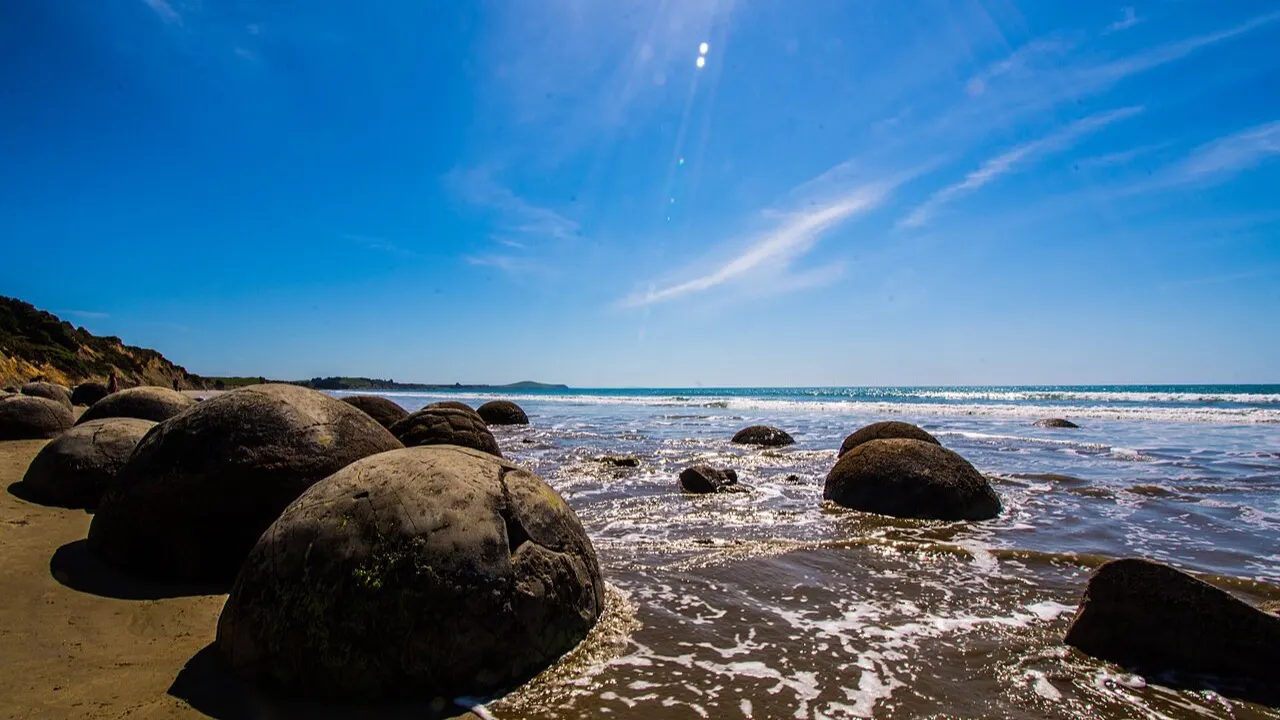
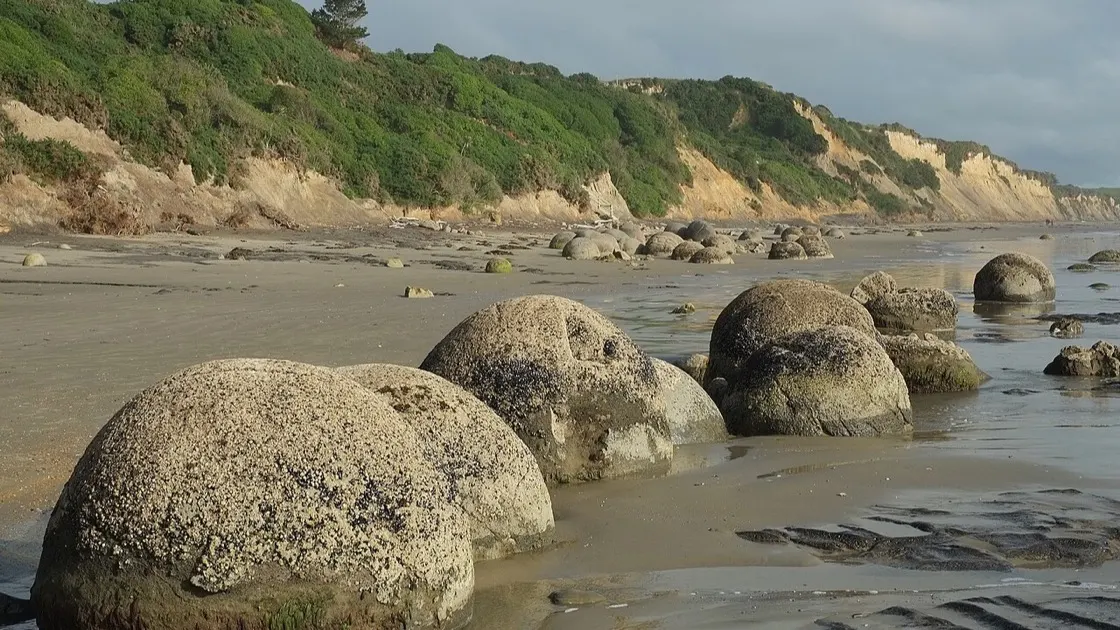
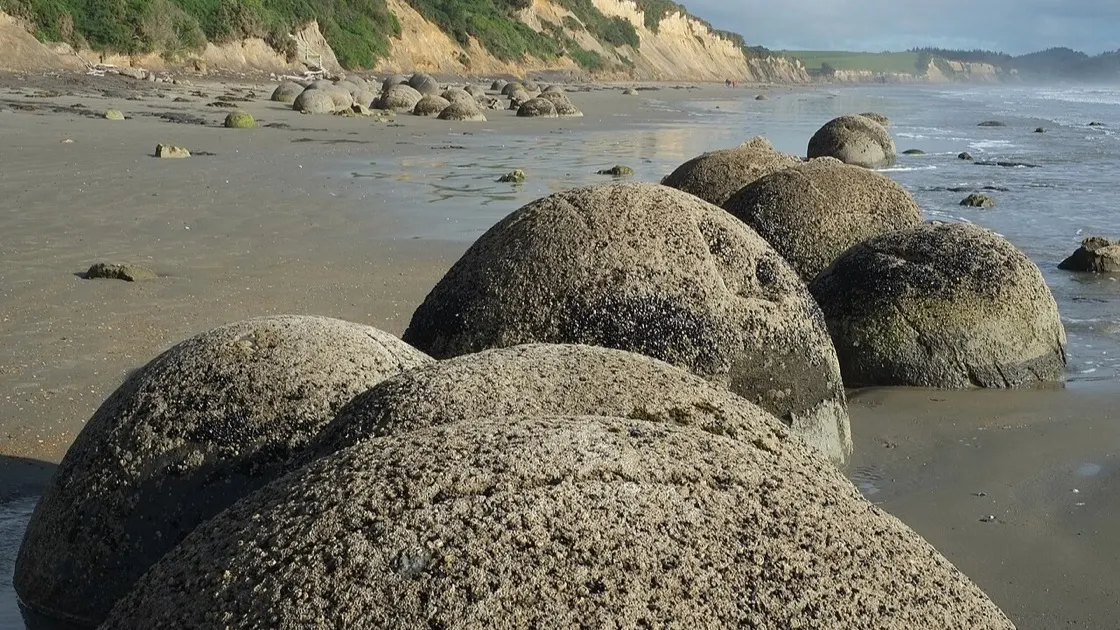
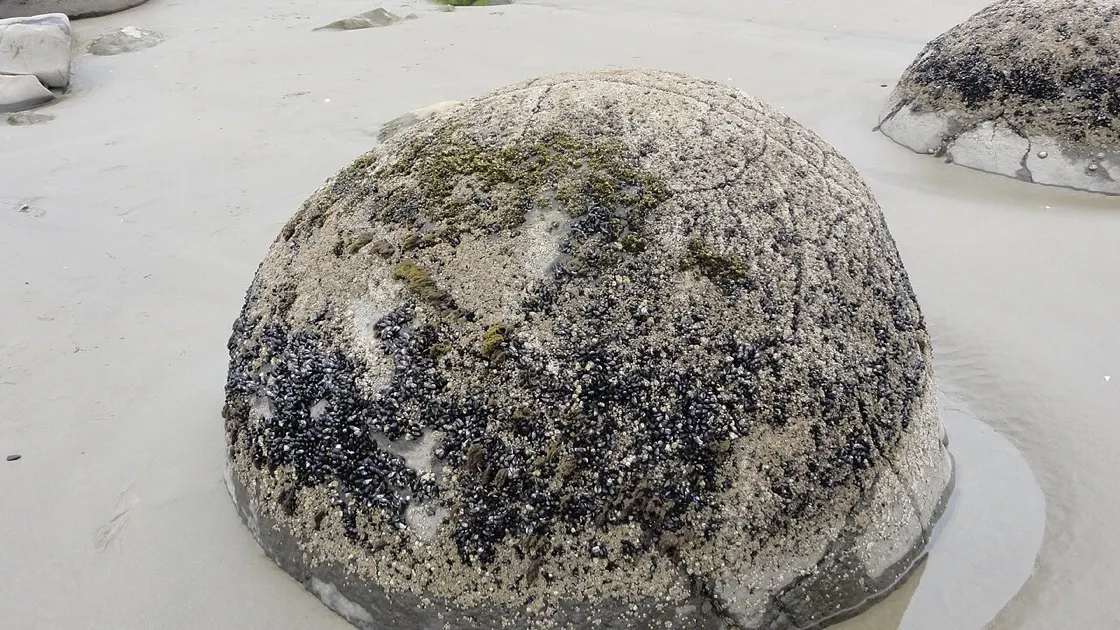
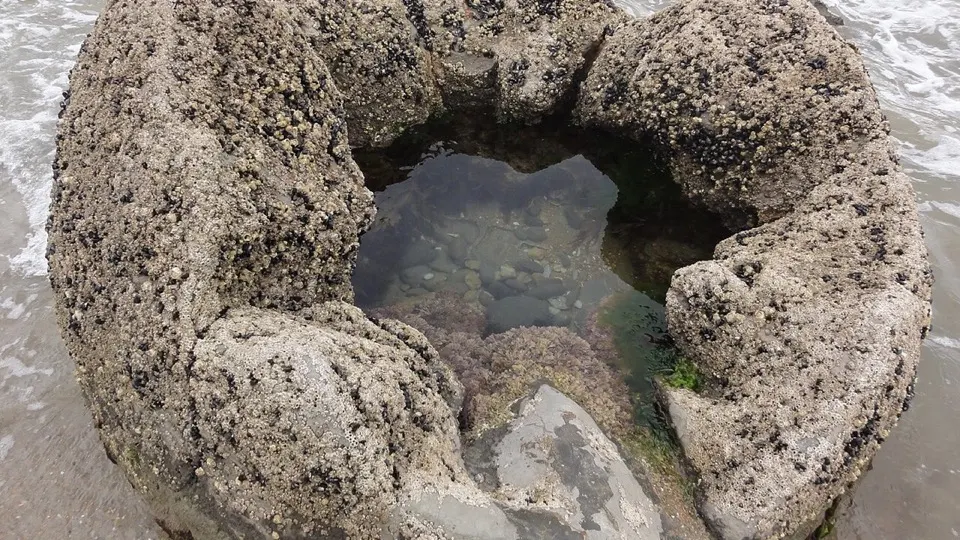
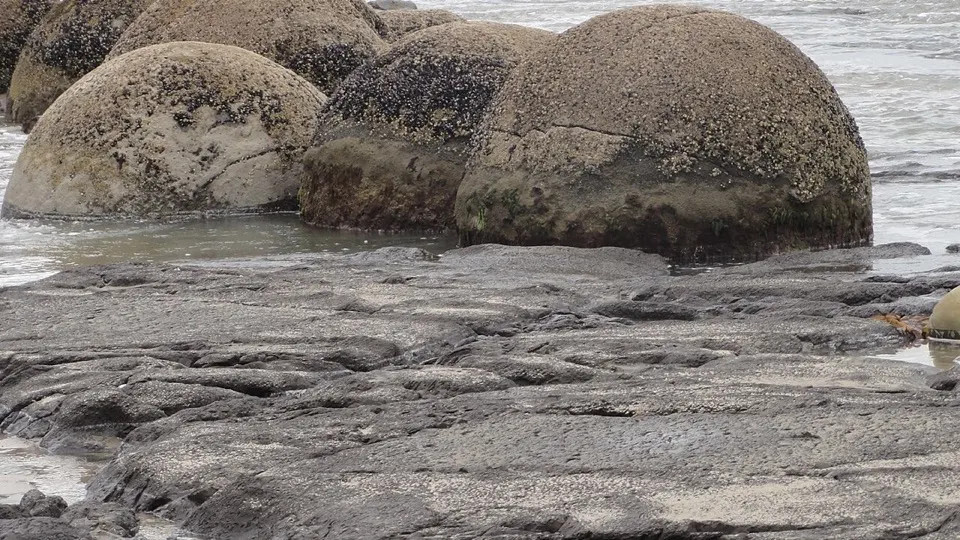
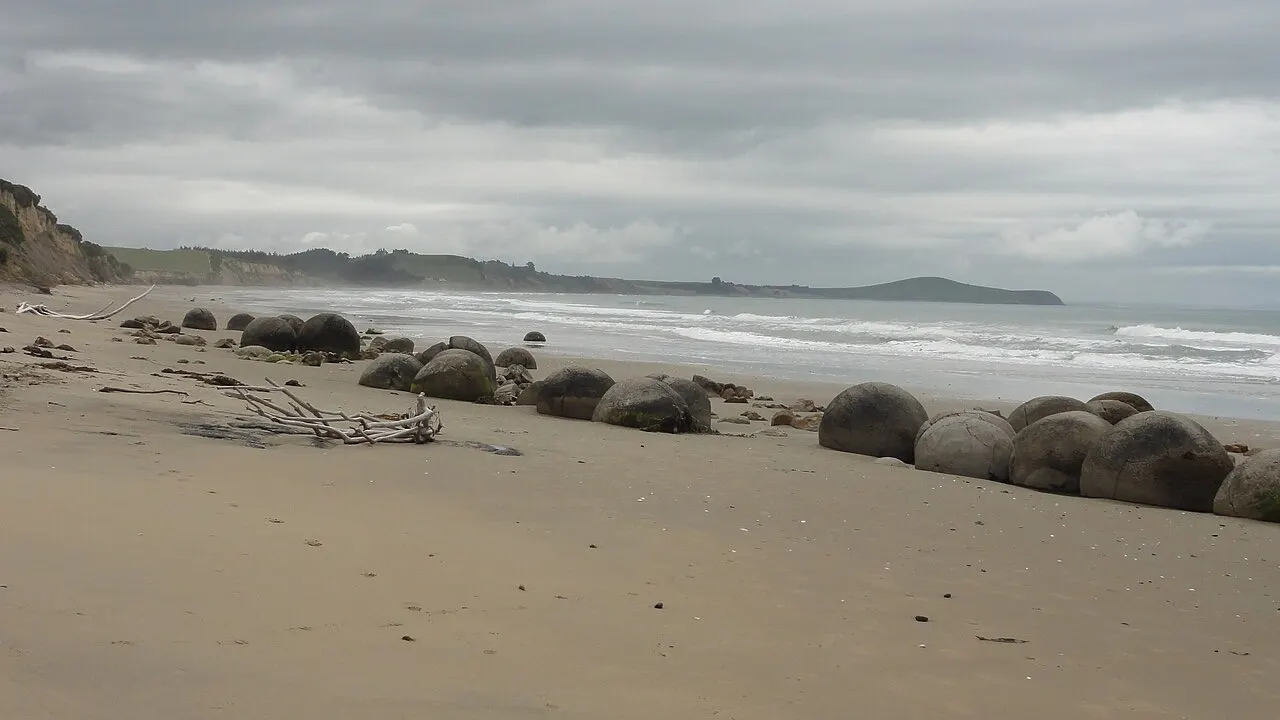
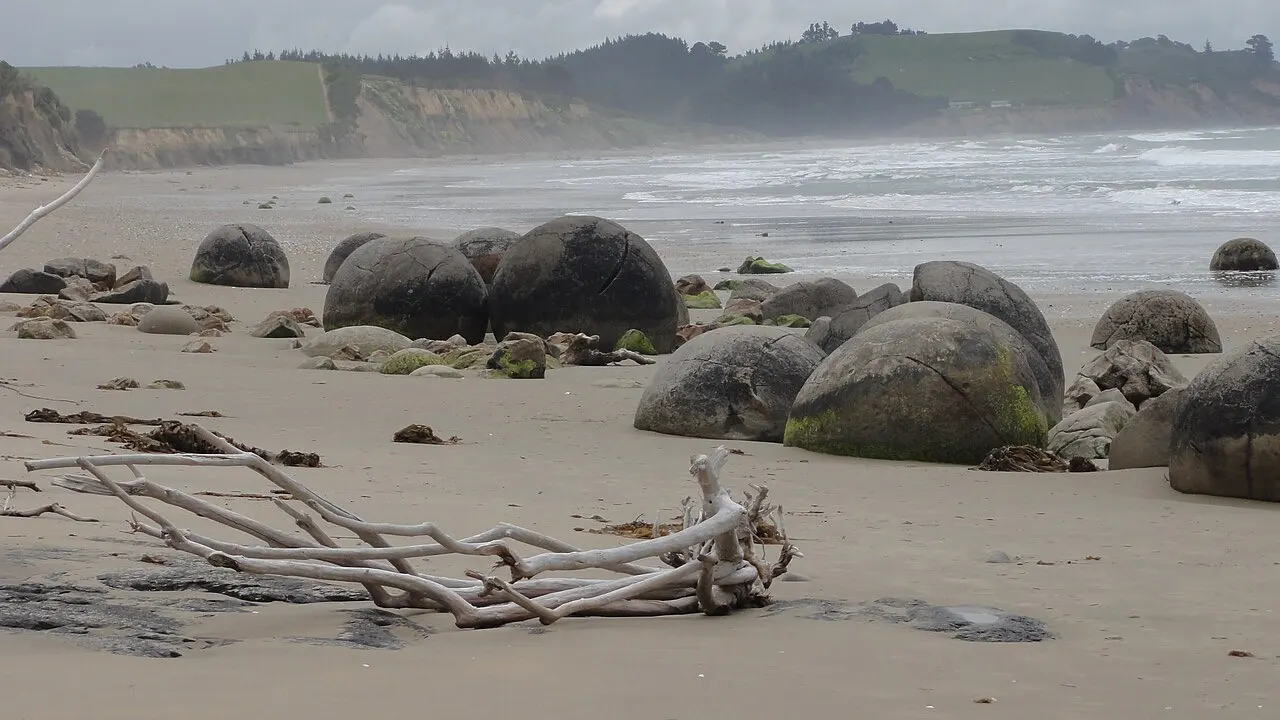
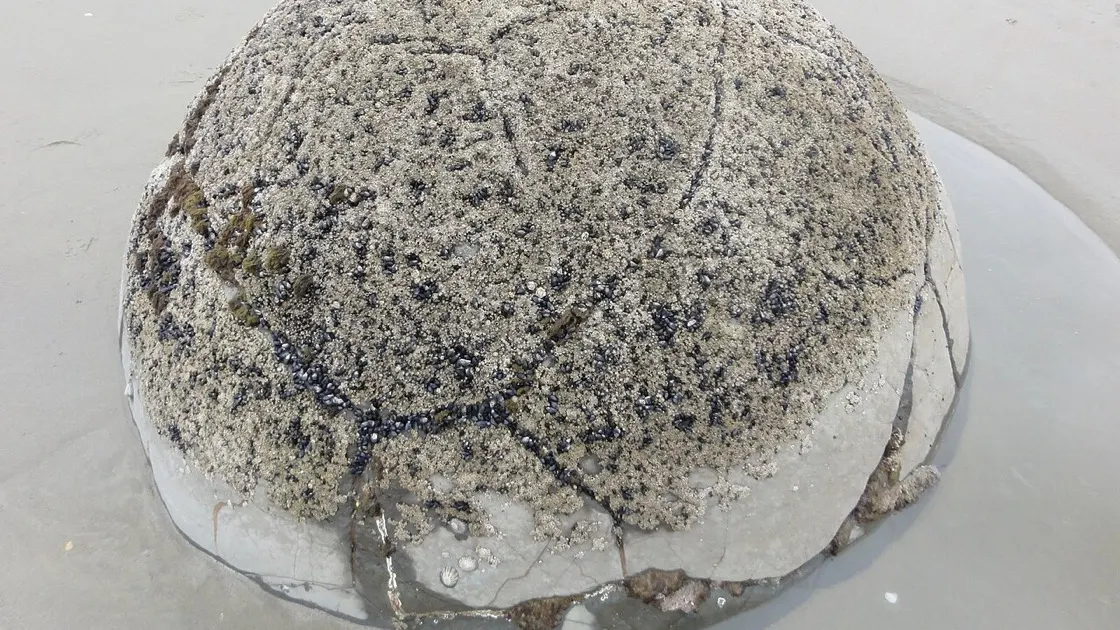
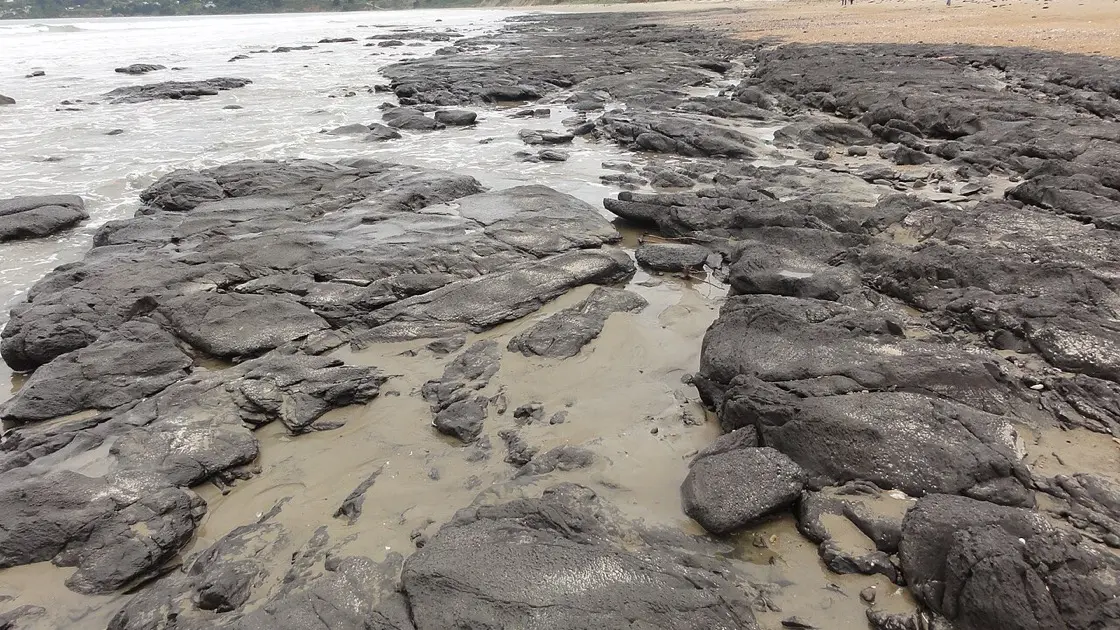
Photo credits: Kevin Prince (CC BY-SA 2.0); Pseudopanax at English Wikipedia (Public domain); Andy king50 (CC BY-SA 3.0)
Getting there
The Moeraki Boulders (officially Moeraki Boulders / Kaihinaki) lie along Koekohe Beach on the wave-cut Otago coast of New Zealand's South Island, between the settlements of Moeraki and Hampden (about 45°20'S, 170°49'E). Short walkways lead onto the beach from a café and from a highway car park, and the boulders sit in the intertidal zone, so timing your visit around the tide matters most.
Things to do nearby
The boulders themselves are the main sight, best viewed around low tide when they are fully exposed. Similar spherical concretions can be seen elsewhere in the region: the Katiki Boulders on the north-facing shore of Shag Point, roughly 19 km south, some containing mosasaur and plesiosaur bones, and the giant Koutu Boulders of the Hokianga Harbour in the North Island.
Highlights
Dozens of grey, near-perfectly spherical boulders, mostly 1.5 to 2.2 metres in diameter (about a third being 0.5 to 1.0 m), lie scattered or clustered on the beach, their cracked, reticulated surfaces like tortoiseshell. Many are septarian, radiating cracks lined with brown and yellow calcite and sometimes a rare thin layer of dolomite and quartz around a hollow crystal-lined core.
History & culture
The boulders are septarian concretions formed by calcite cementing Paleocene mudstone of the Moeraki Formation on the ancient seafloor; the largest grew over an estimated 4 to 5.5 million years and were later exhumed and concentrated on the beach by coastal erosion. In Māori tradition they are eel baskets, calabashes and kūmara washed ashore from the wreck of the sailing canoe Āraiteuru, with Shag Point's reefs as the petrified hull and the cracks as the canoe's fishing nets. Walter Mantell sketched the beach, with more boulders than today, in 1848.
Booking & rules
The beach is a protected scientific reserve and a free, open-access attraction with no booking or entry fee. Visit about an hour either side of low tide for the best views and photos, and take care on wet, slippery rocks when the swell is large. Part of the boulder population has already been lost to erosion compared with the 1848 sketches.
About this attraction
The Moeraki Boulders are New Zealand’s strangest beach decoration: dozens of near-perfect stone spheres, a metre or two across, with cracked septarian shells scattered across the tidal flats of Koekohe Beach. Geology explains them as concretions that crystallised around cores over millions of years inside the mudstone cliffs; Māori tradition tells them as gourds and kumara baskets spilled from the wrecked canoe Arai-te-uru. Walkways run to the beach from both the café side and a public car park, and the hour around low tide shows the fullest scatter — check tide times, keep an eye on the swell, and mind your footing on wet stone.
Video introduction
Video by LEGENDARIUM on YouTube
Highlights
Time the low tide to see the full cluster of cracked spheres, photograph them half-sunk at sunrise, read both the geology and the Māori legend on the boards, and warm up at the café.
Cautions
The tidal flats take swell without warning — never turn your back on the sea; the boulder surfaces are slick with weed, so wear grip; at high tide many boulders submerge, so plan around the tide chart.
Getting there
Beside State Highway 1 at Moeraki, about an hour's drive from either Dunedin or Oamaru, with parking at both end walkways.
noda attraction index 88
4.4 / 5
How the attraction index works
Each attraction is scored from five verifiable data points, out of 100. This is an editorial index, not a user rating — it reflects how free, how scenic and how well documented a place is, not anyone's personal experience.
| Free bonus | 20 pts | Completely free 20; small fees (parking, gold-coin koha) 10; expensive tickets 0. |
|---|---|---|
| Scenery uniqueness | 25 pts | World Heritage or landmark-level 25, regional 18, local 12 — each listing is explicitly tiered. |
| Things to do | 20 pts | Ranked by the depth of the highlights write-up: full 20, medium 14, brief 10. |
| Information completeness | 20 pts | 15 for having about, best time, cautions and access notes, minus 4 per missing item; plus 5 for two or more official sources. |
| Accessibility | 15 pts | Reachable by car 15, short walk 12, long tramp required 6. |
Things to do nearby · Events
 Mike Crawford: He Kāhui Tōriki (2026) Solo & Layers Group
 Katharticus Album Release Party - Dunedin
 The Big Lebowski
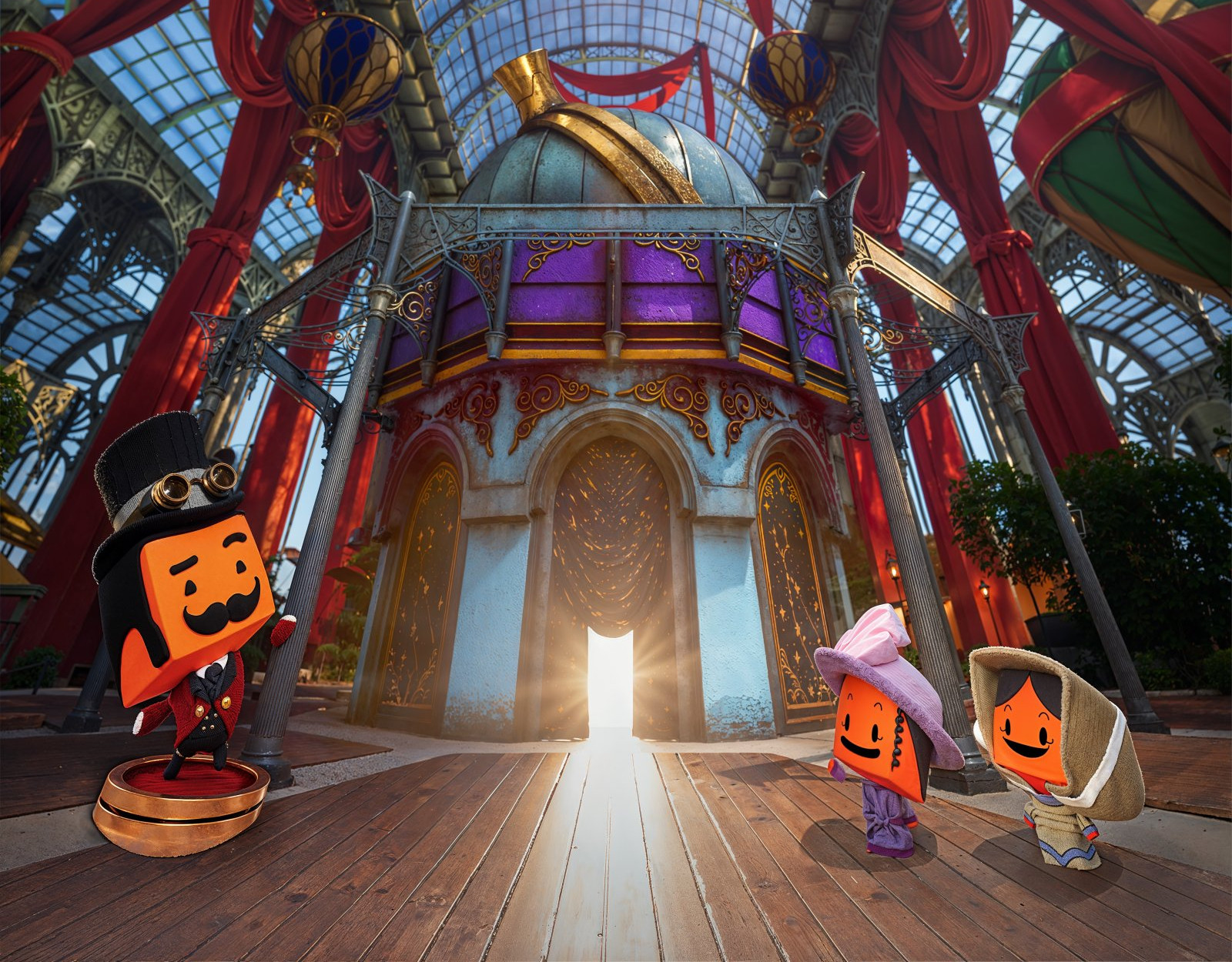 The Great Solar System Adventure
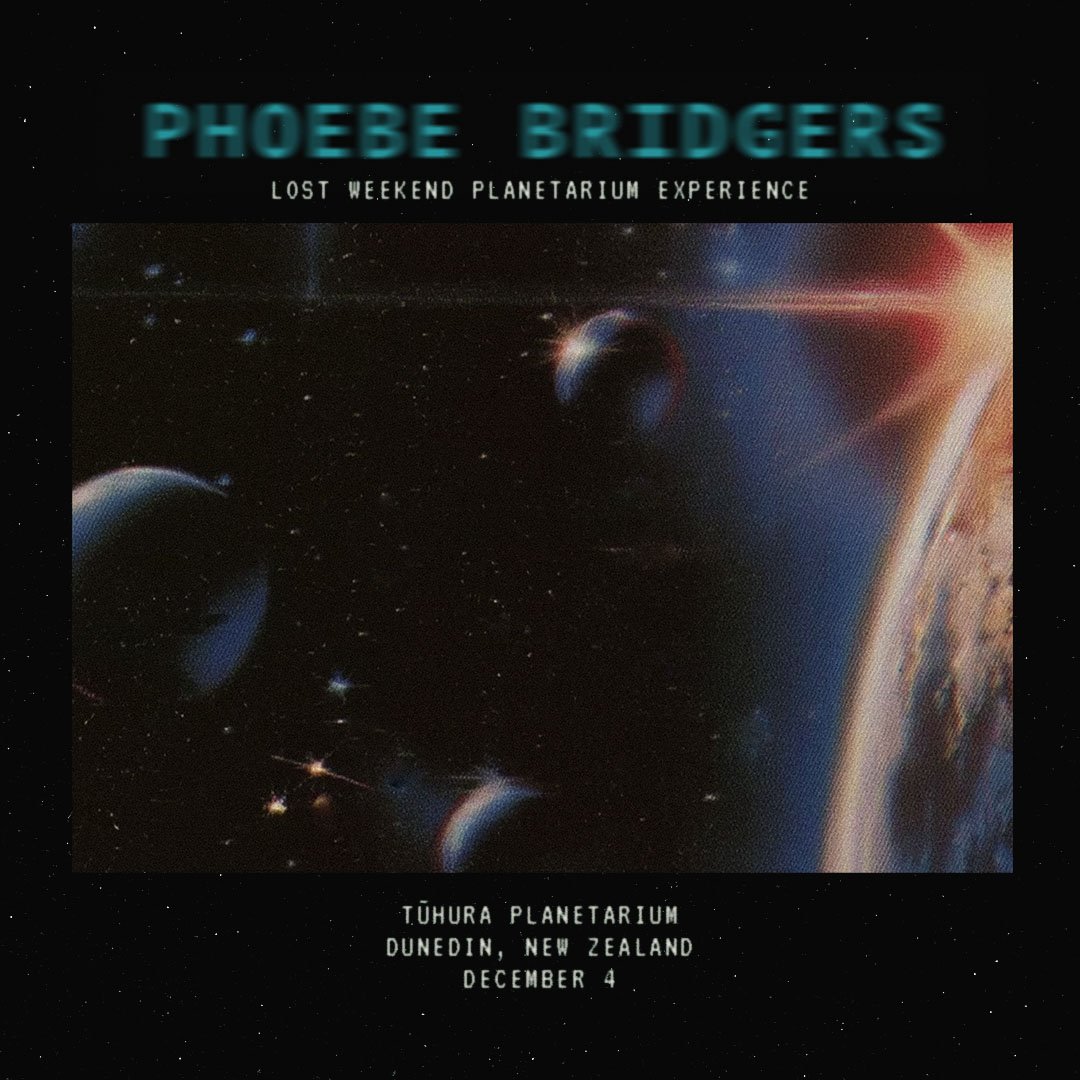 Phoebe Bridgers: Lost Weekend Planetarium Experience
 Grand Opening – The Great Solar System Adventure
 Ngā Waka Whiria: Hauora and Leadership in Construction
 FREE Webinar | A Better Future for NZ Communities