Lake Wanaka & the Wanaka Tree
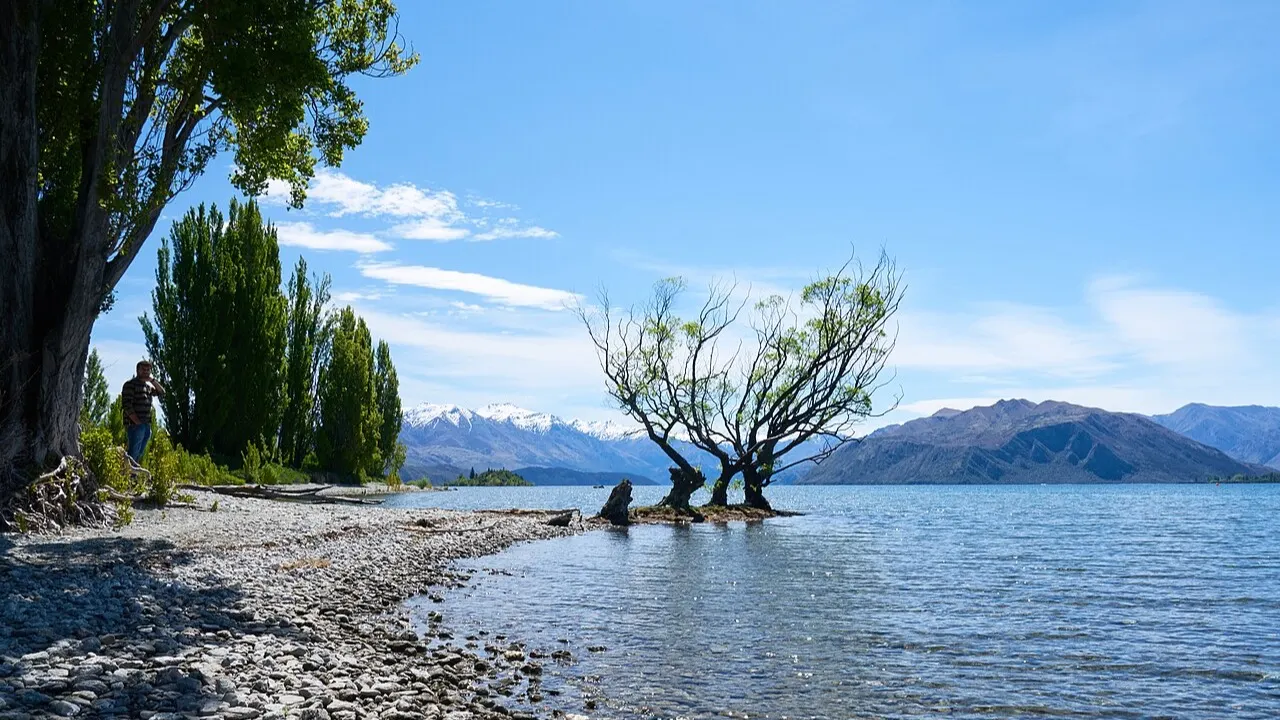
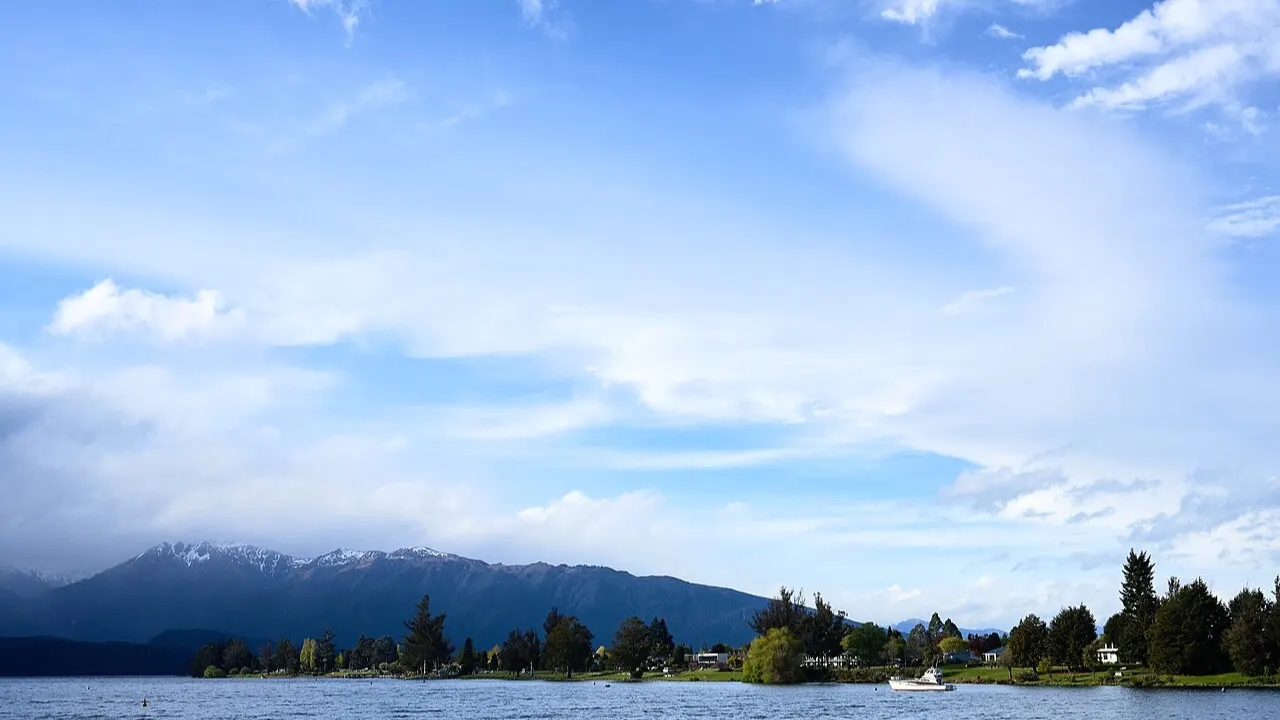
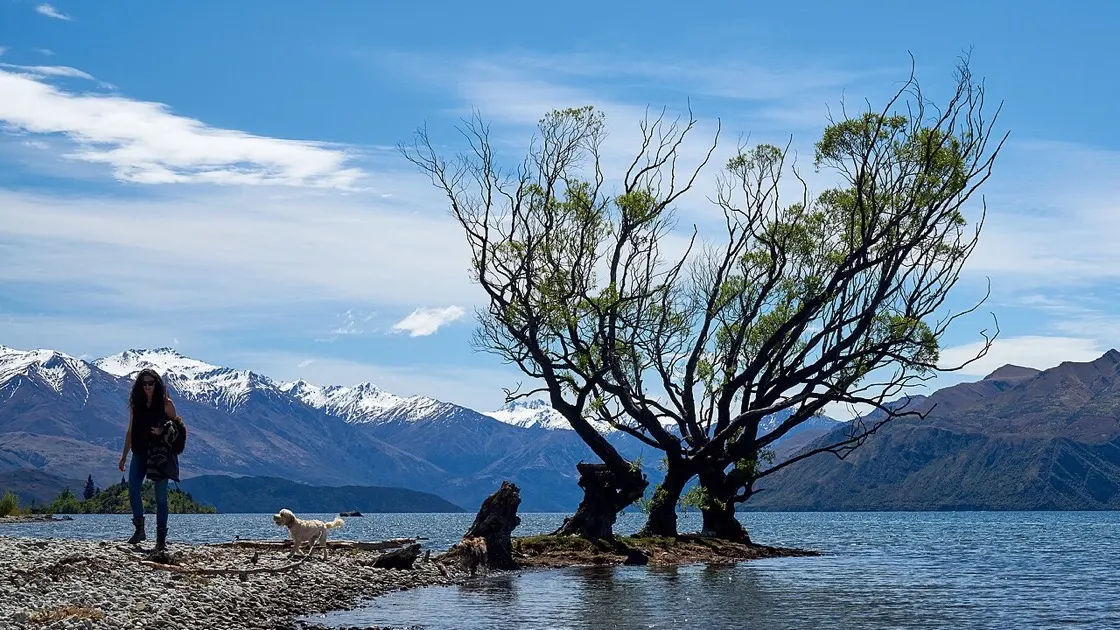
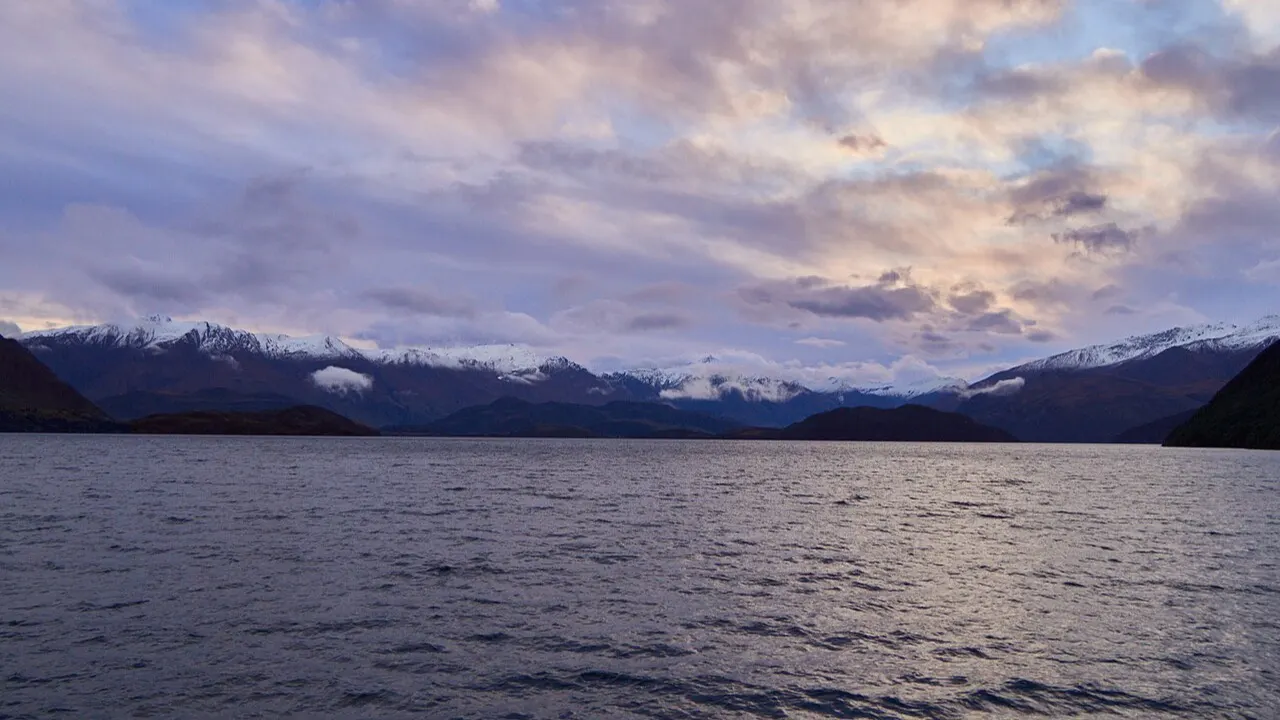
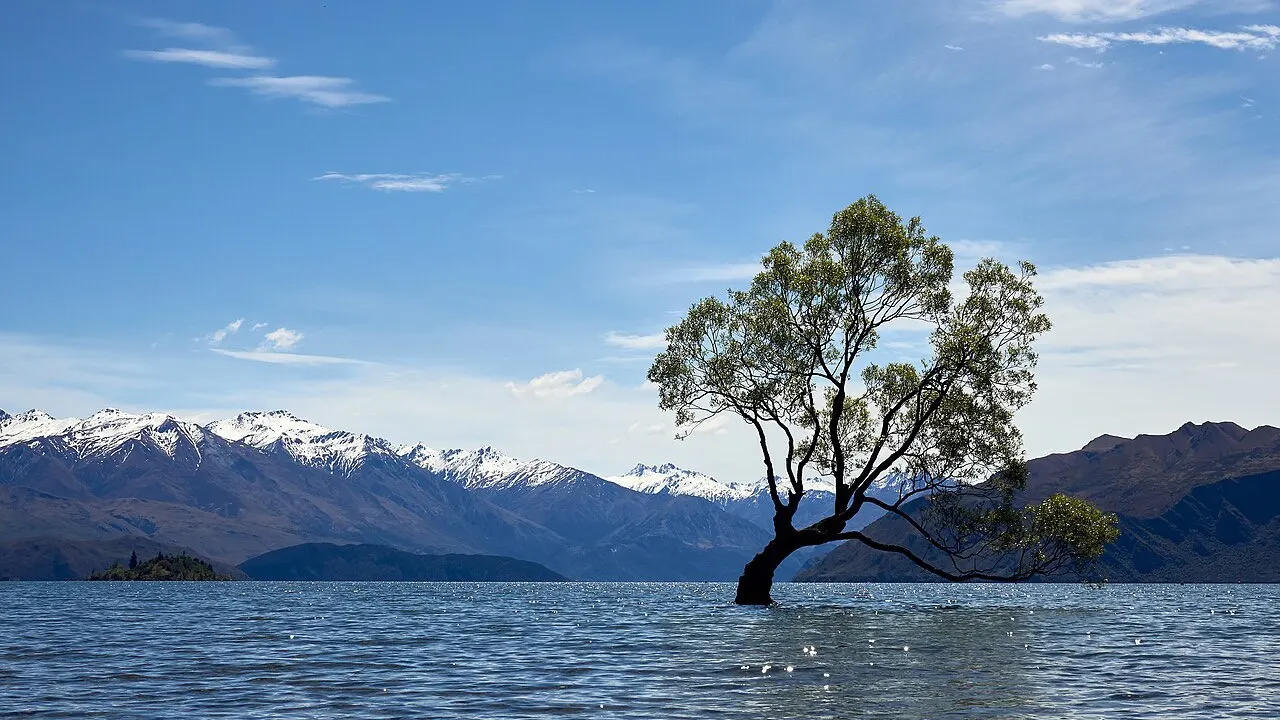
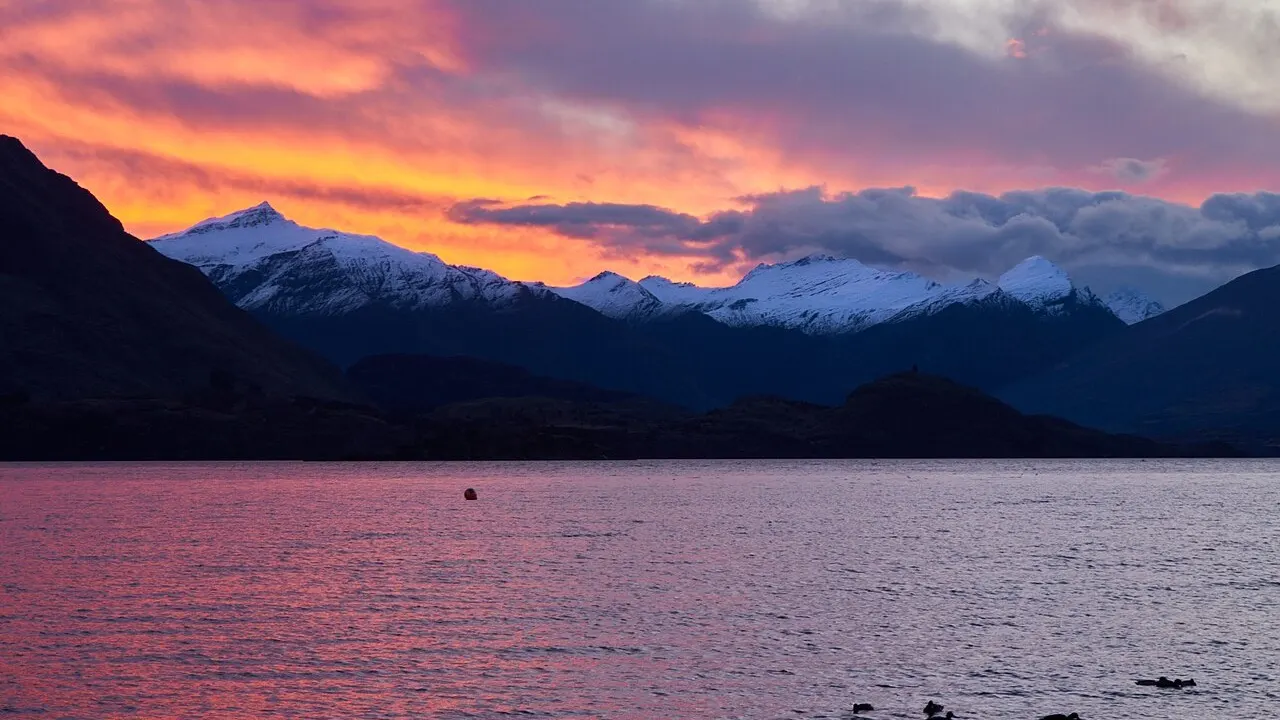
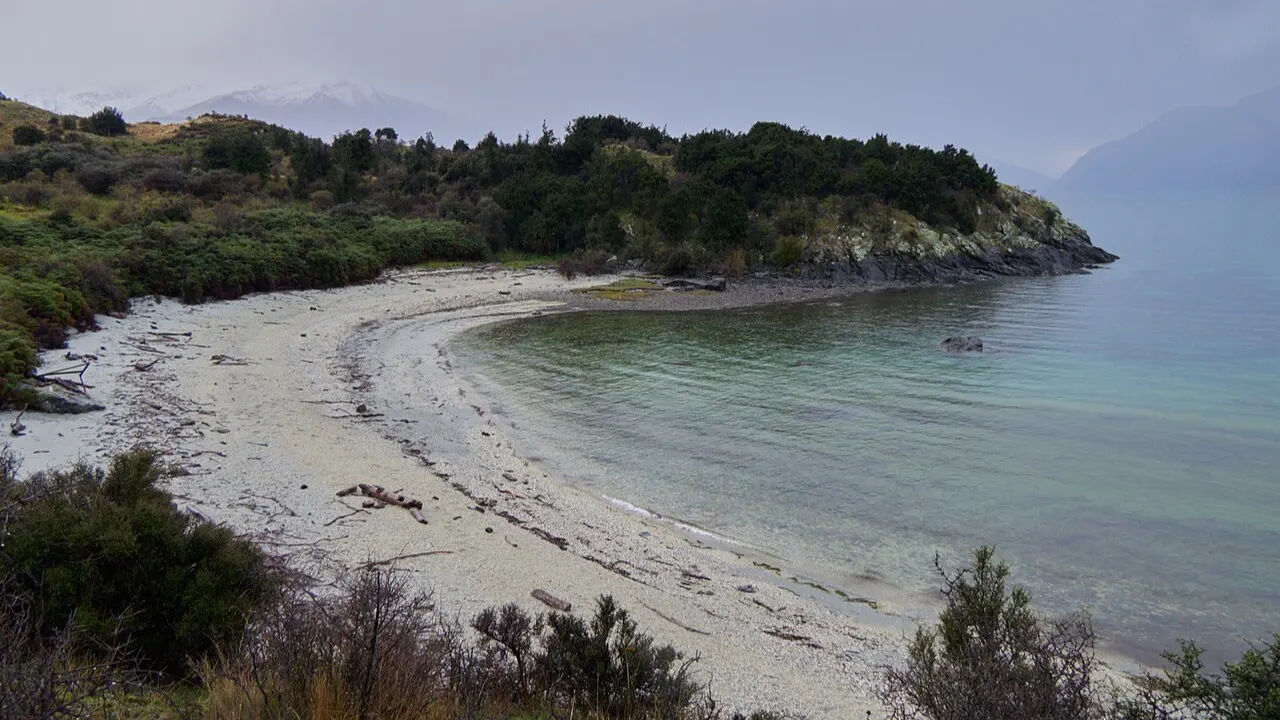
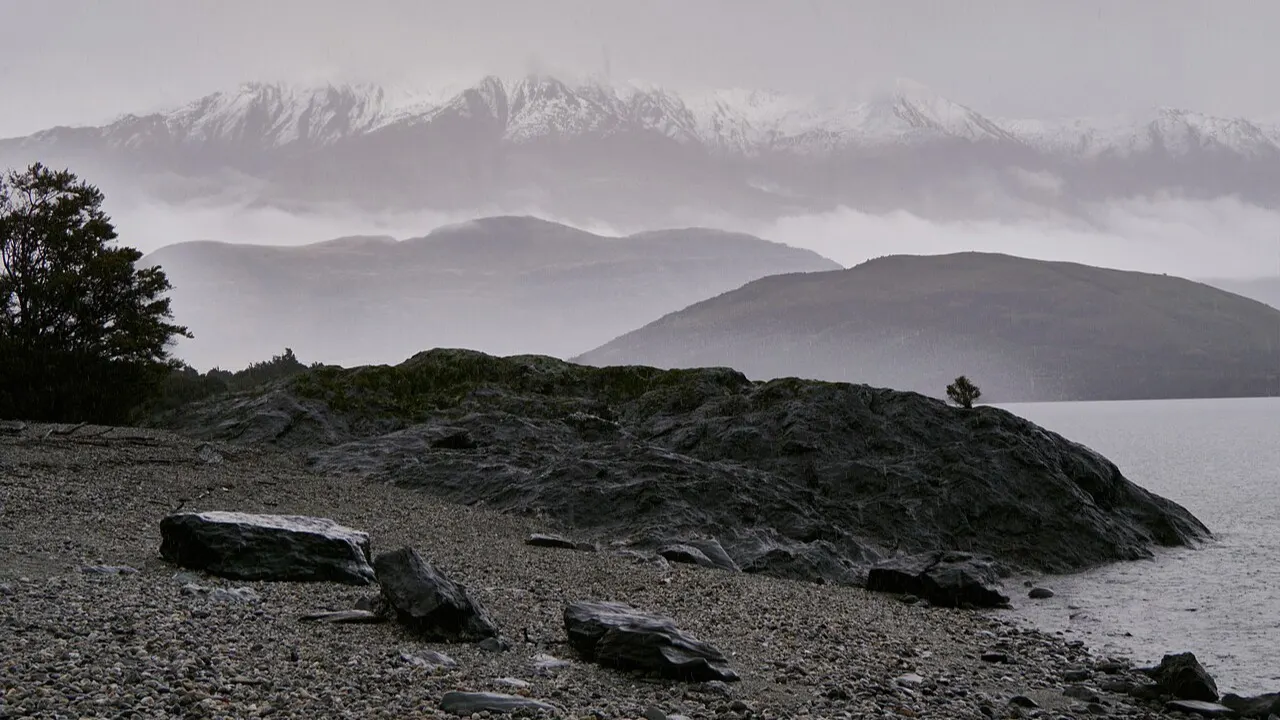
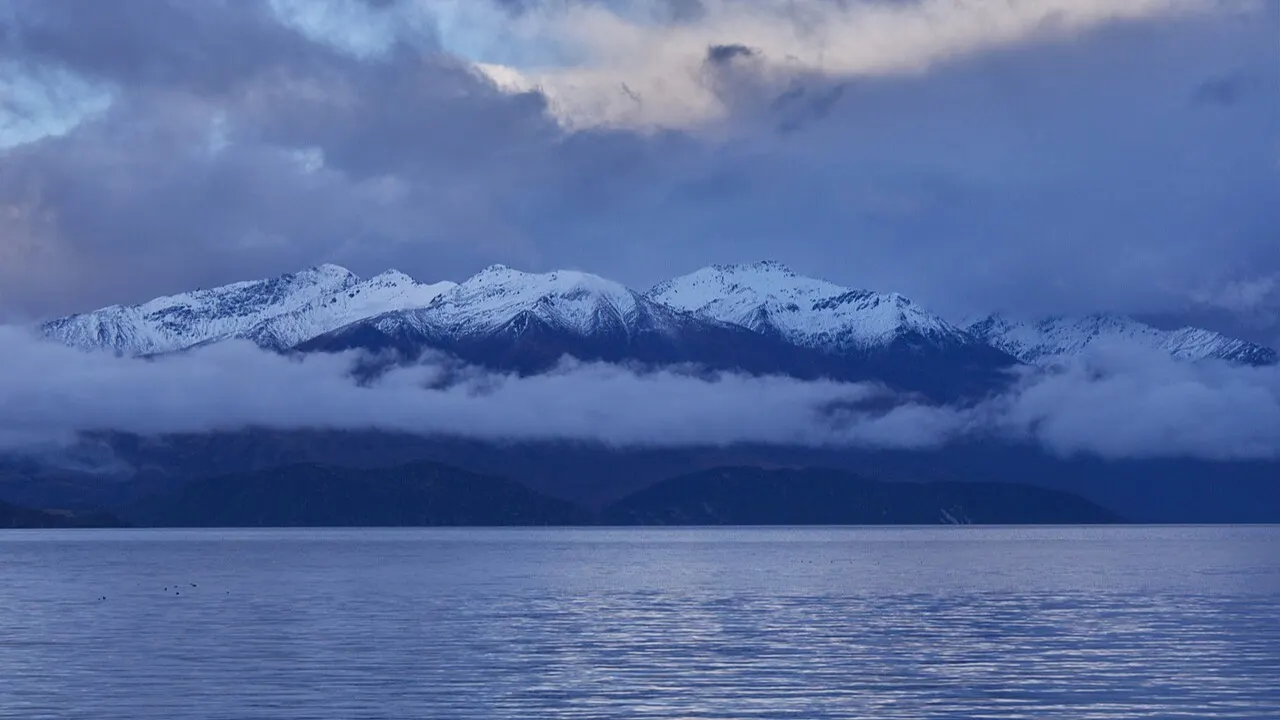
Photo credits: Pedro Szekely from Los Angeles, USA (CC BY-SA 2.0); lumoplank (CC0)
Getting there
Lake Wānaka sits in the Queenstown-Lakes District of Otago, South Island, at 300 m above sea level. The resort town of Wānaka lies on the southern shore in a glacier-carved basin, about an hour's drive from Queenstown via the scenic Cardrona Valley. Lake Hāwea is only a 15-minute drive away, and the town is the gateway to Mt Aspiring National Park.
Things to do nearby
Lakeside paths run north and south from town, linking parks, beaches and the boat jetty. The lake contains several islands — Ruby, Stevensons, Mou Tapu and Mou Waho — some of which are ecological sanctuaries, including a buff weka refuge on Stevensons Island and a pest-free sanctuary on Mou Tapu. Nearby you can also visit Mt Aspiring National Park, take on Roys Peak, or continue to Makarora and the West Coast glaciers.
Highlights
The lake stretches 42 km long, up to 10 km wide and more than 300 m deep, with glacial blue-green water and western shores lined by peaks over 2000 m. Its most photographed sight is 'That Wānaka Tree', a willow standing alone in shallow water, best shot at sunrise. Lake Wānaka is one of the few South Island lakes with an unmodified shoreline, and in winter the calm surface mirrors the snow-capped mountains.
History & culture
'Wānaka' is the South Island Māori pronunciation of wānanga, a place of learning; Ngāi Tahu tradition says the lake was dug by the explorer Rākaihautū with his kō named Tūwhakaroria. For Māori the area was a crossroads via Haast Pass and the Cardrona Valley, and the lake shore held many food-gathering places and the Kāti Māmoe settlement of Parakarehu. Te Huruhuru drew the first map in 1844; Nathanael Chalmers was the first Pākehā to see the lake in 1853. The town was briefly renamed Pembroke in the 1860s before reverting to Wānaka in 1940, and macron spellings were made official in 2019–2021.
Booking & rules
The lake and its shoreline are freely accessible year-round with no entry fee or booking required. The lake is protected by the Lake Wanaka Preservation Act 1973, which created the Guardians of Lake Wanaka to advise on protection measures. Summer is popular for swimming, boating and fishing; the region also supports skiing, tramping, mountain biking and parapenting. Visitors should admire That Wānaka Tree from the shore without climbing it, and the invasive oxygen weed Lagarosiphon major remains an ongoing biosecurity concern.
About this attraction
Lake Wanaka is the fourth-largest lake in the country, its glacier-fed water a glassy blue-green around a relaxed resort town. The star of the shoreline is a single willow standing in the shallows off Roys Bay — probably the most photographed tree in New Zealand, at its best in sunrise backlight or when high water sets its branches adrift. Lakeside tracks run north and south past parks, beaches and the marina; winter mirrors snow peaks in the water, while summer turns the foreshore into a swimming and paddling base. Whatever else is on the list, this bay is the heart of any Wanaka visit.
Highlights
Photograph the lone willow at sunrise, swim or paddle in the clear water, stroll the lakeside track toward the park and marina, and picnic under the poplars on the foreshore.
Cautions
The tree is a treasured local landmark — do not climb, break or stand on it; the water stays cold all year; onshore afternoons bring wind, so paddlers should watch for offshore gusts.
Getting there
The bay sits right beside Wanaka town centre — walk to the foreshore in minutes, and the famous tree stands off Roys Bay about a 10-minute lakeside stroll from town.
noda attraction index 85
4.3 / 5
How the attraction index works
Each attraction is scored from five verifiable data points, out of 100. This is an editorial index, not a user rating — it reflects how free, how scenic and how well documented a place is, not anyone's personal experience.
| Free bonus | 20 pts | Completely free 20; small fees (parking, gold-coin koha) 10; expensive tickets 0. |
|---|---|---|
| Scenery uniqueness | 25 pts | World Heritage or landmark-level 25, regional 18, local 12 — each listing is explicitly tiered. |
| Things to do | 20 pts | Ranked by the depth of the highlights write-up: full 20, medium 14, brief 10. |
| Information completeness | 20 pts | 15 for having about, best time, cautions and access notes, minus 4 per missing item; plus 5 for two or more official sources. |
| Accessibility | 15 pts | Reachable by car 15, short walk 12, long tramp required 6. |
Things to do nearby · Events
 Christmas in the Mediterranean
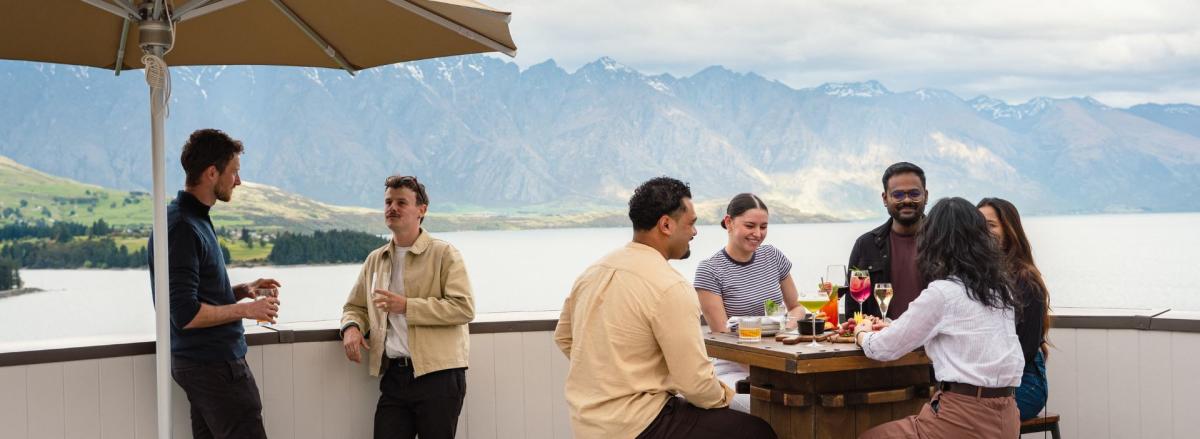 Scapegrace Rooftop
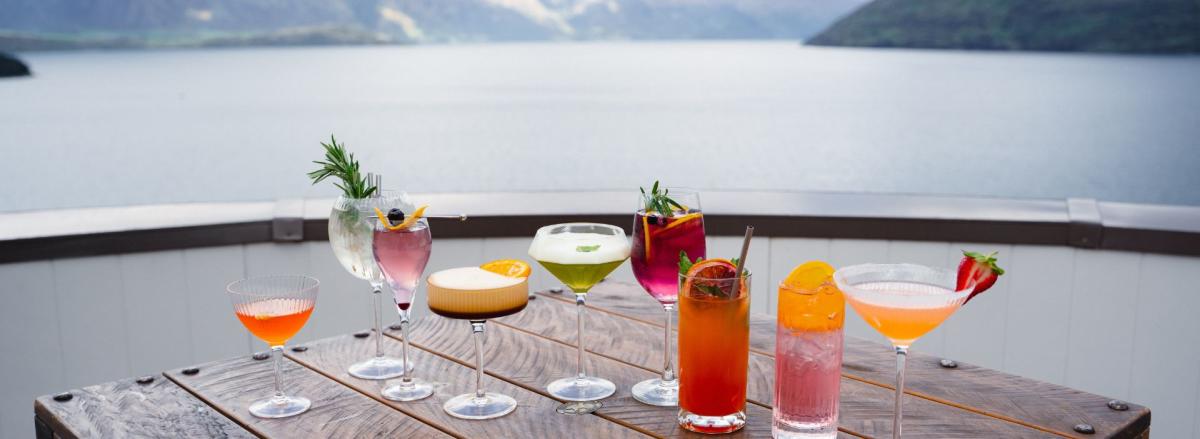 New Year's Eve at Scapegrace Rooftop
- The Playground, Queenstown
 Czechoslovakian Dance Ball Queenstown
 Christmas Dinner at threeSixty
 FREE Webinar | A Better Future for NZ Communities
 Ngā Waka Whiria: Hauora and Leadership in Construction