Lake Rotorua & Lakefront
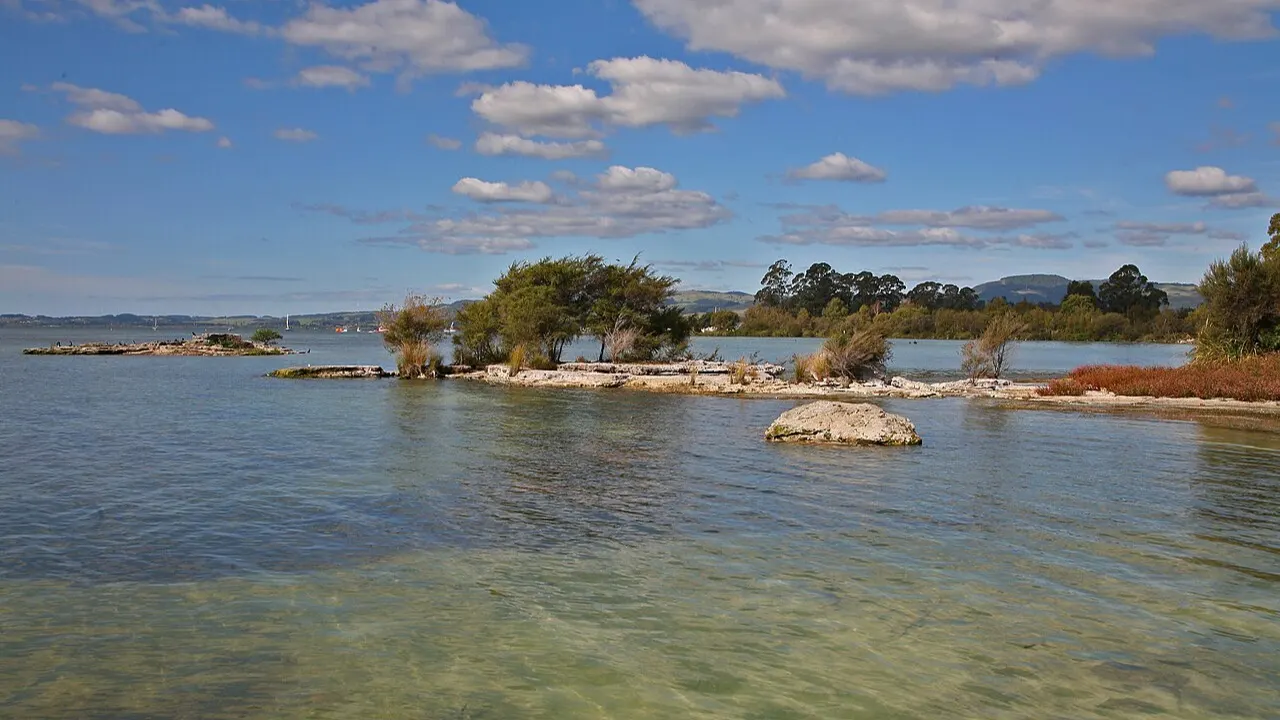
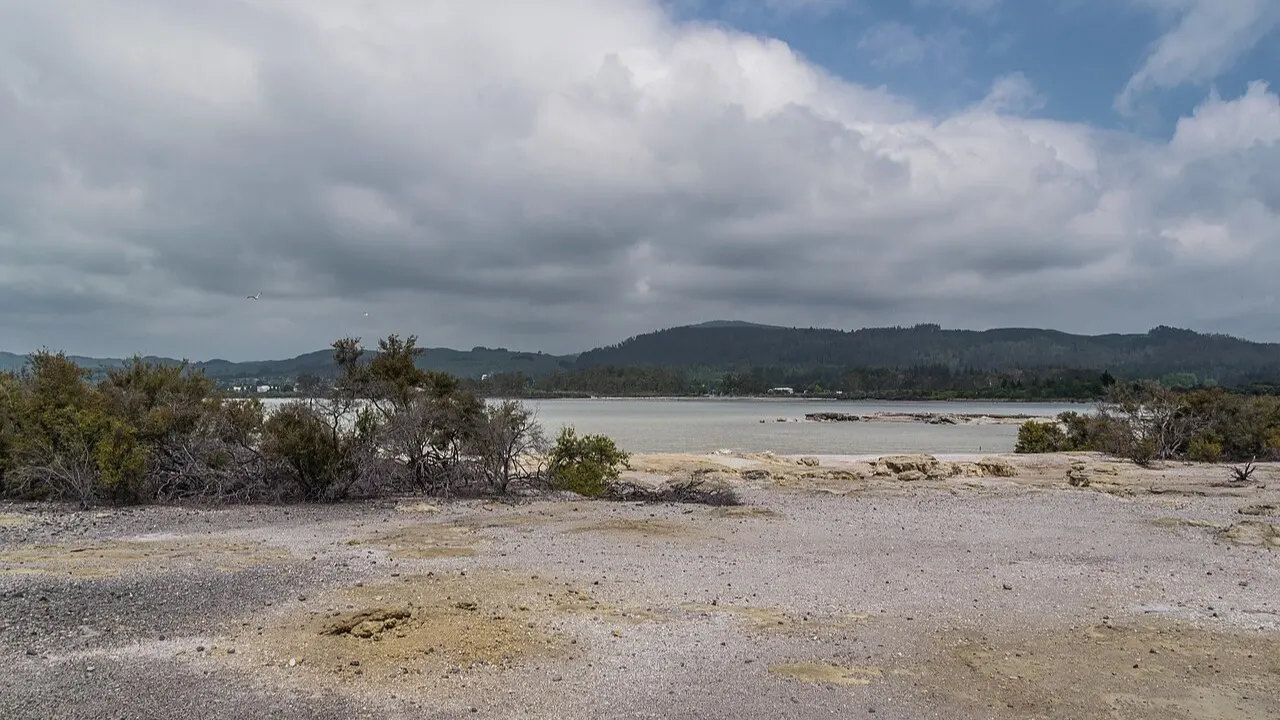
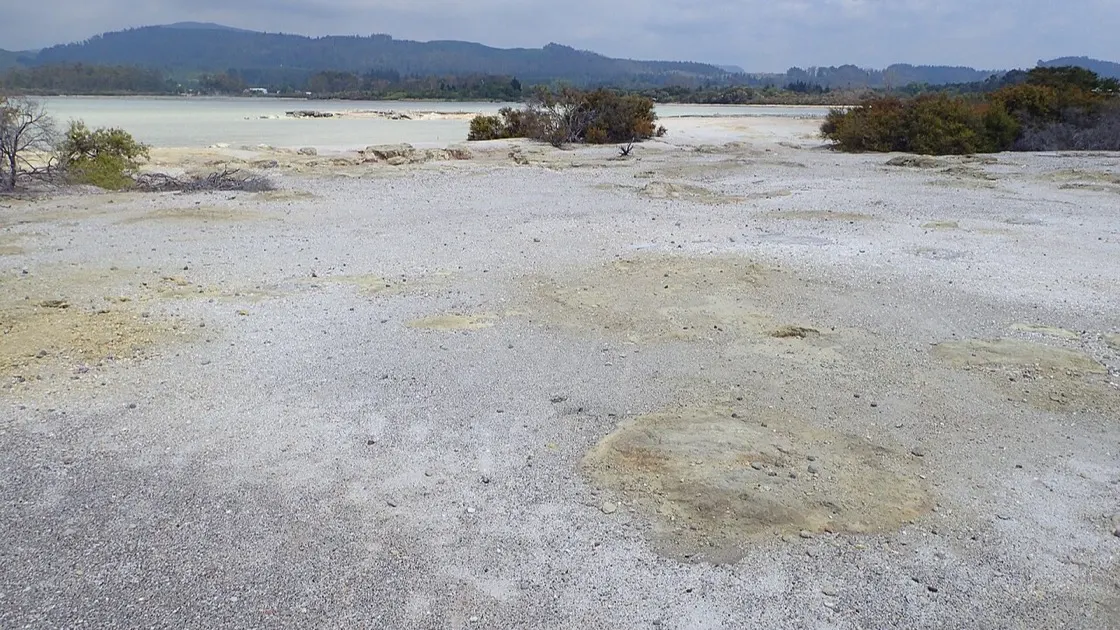
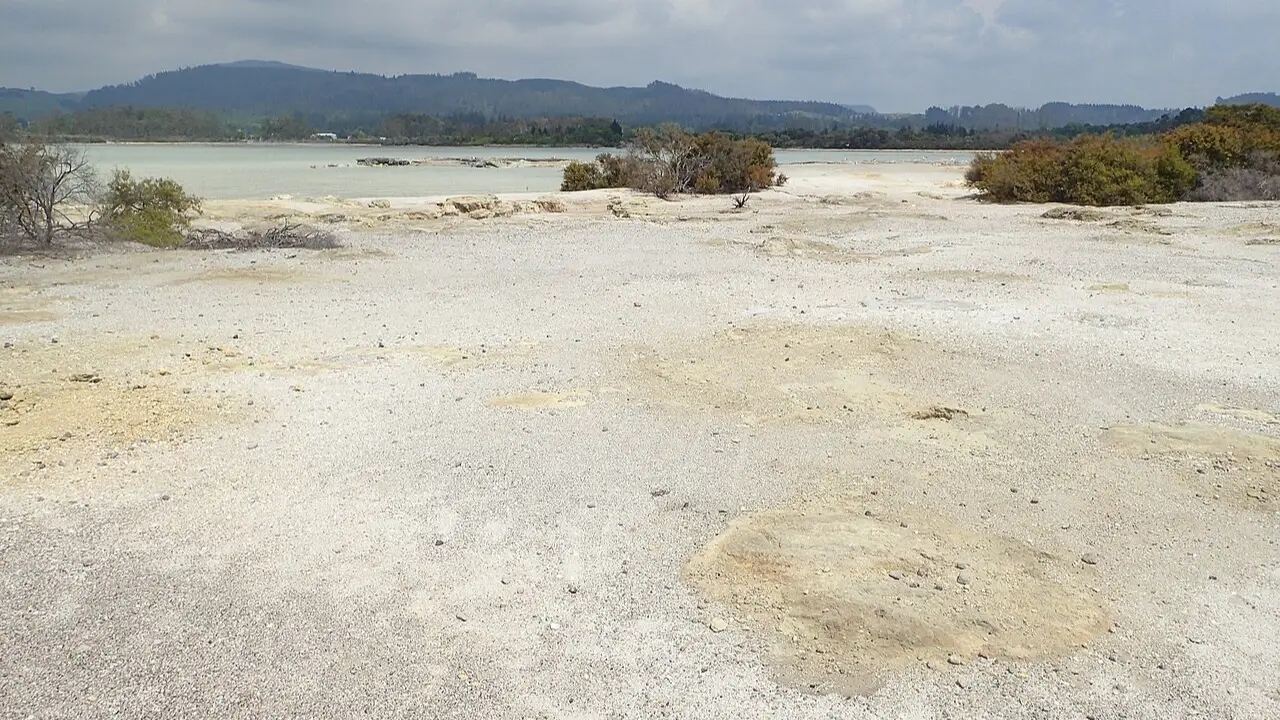
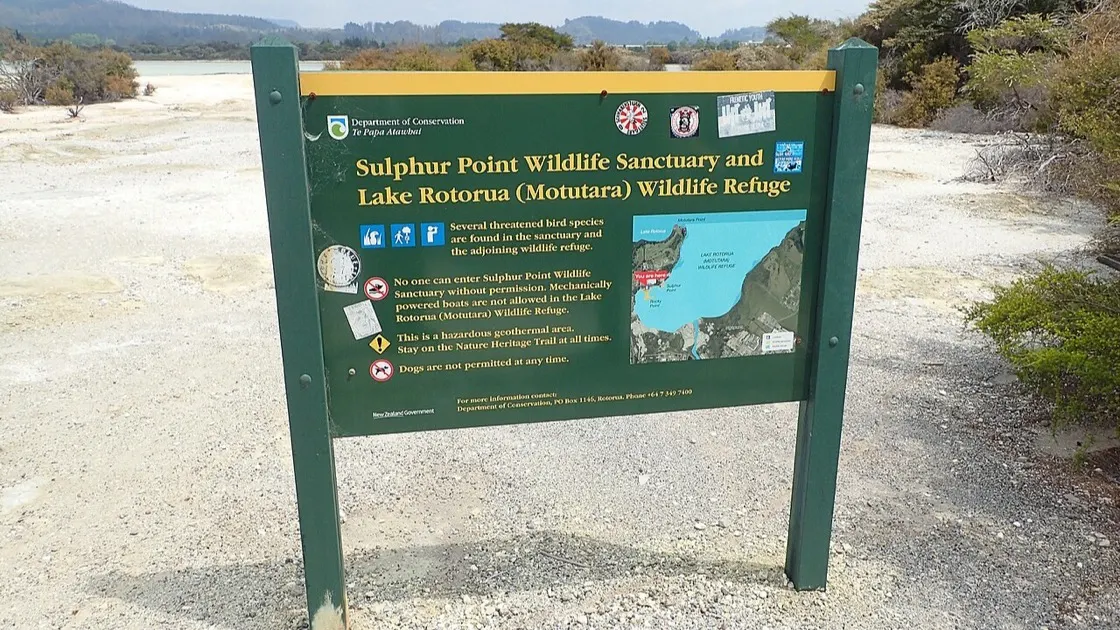
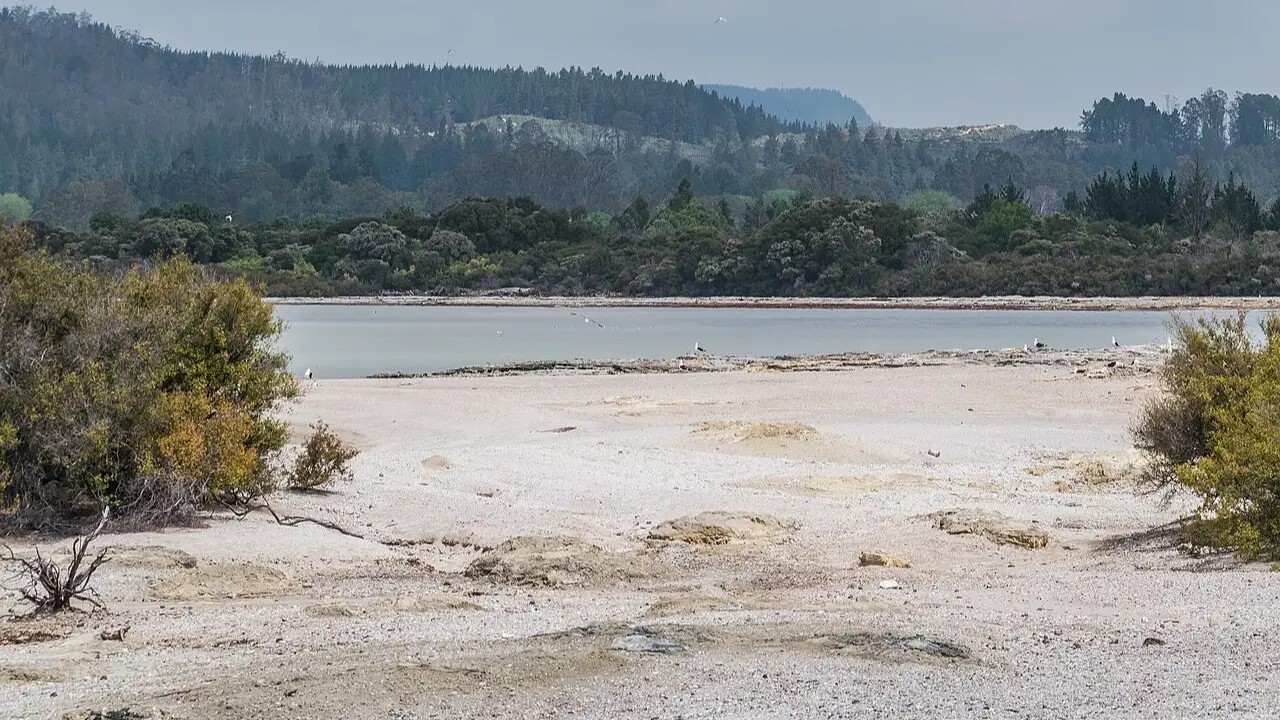
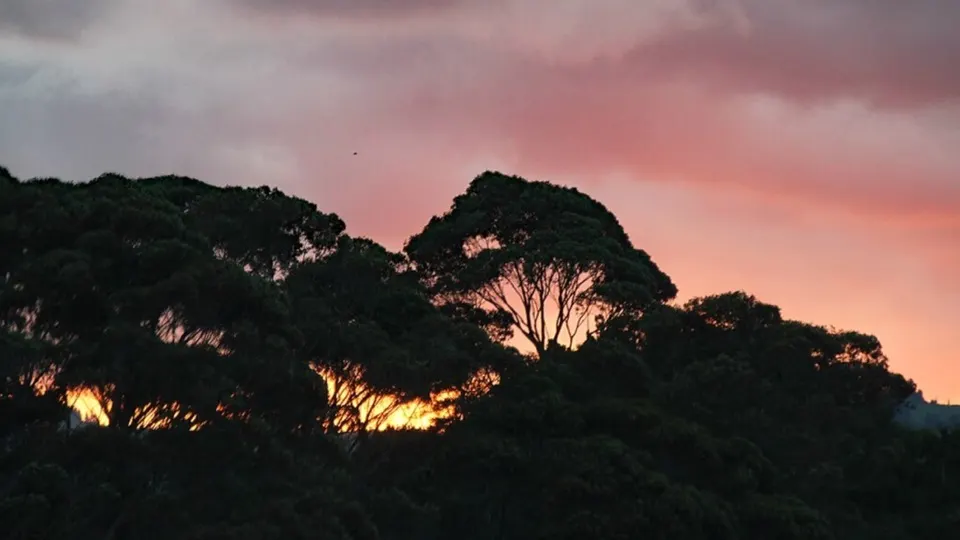
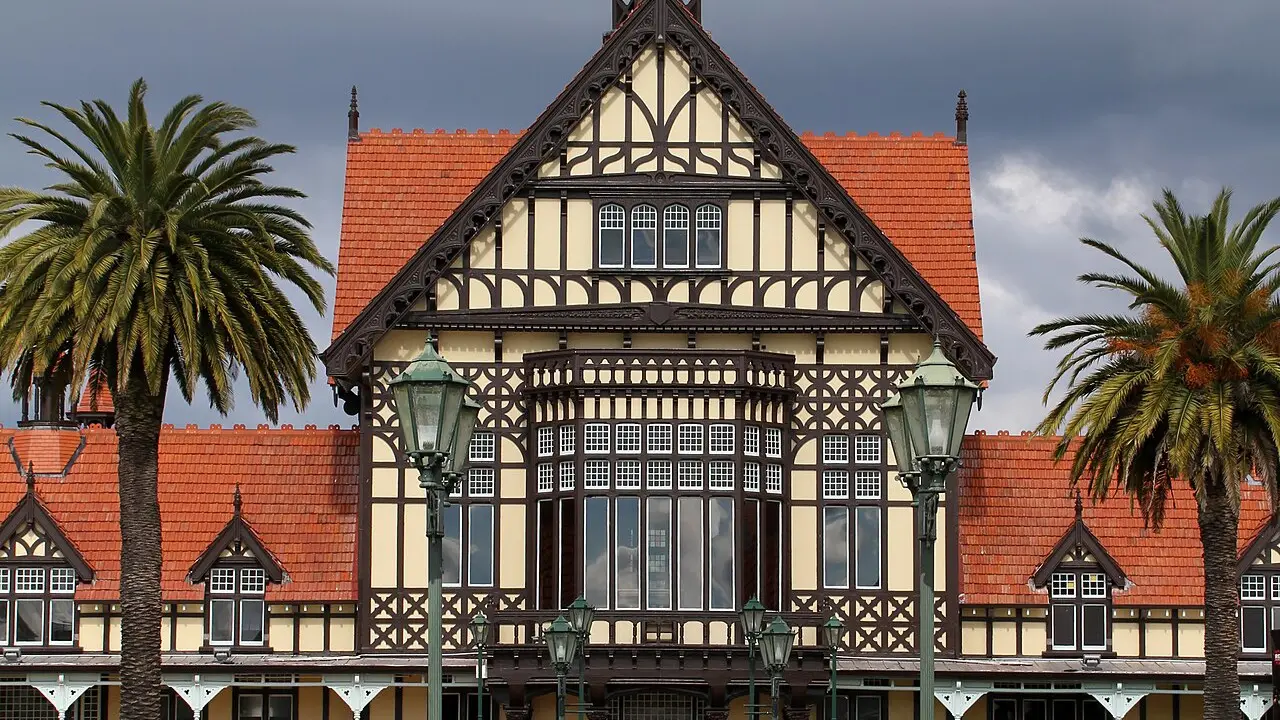
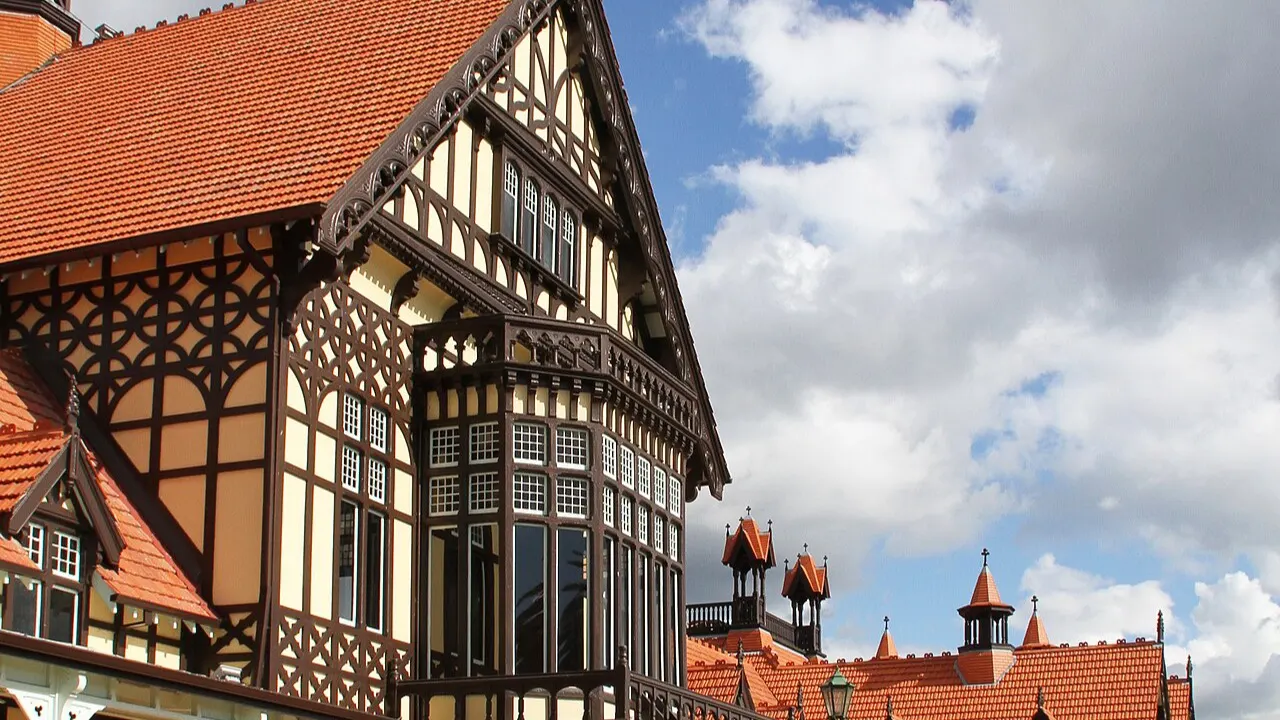
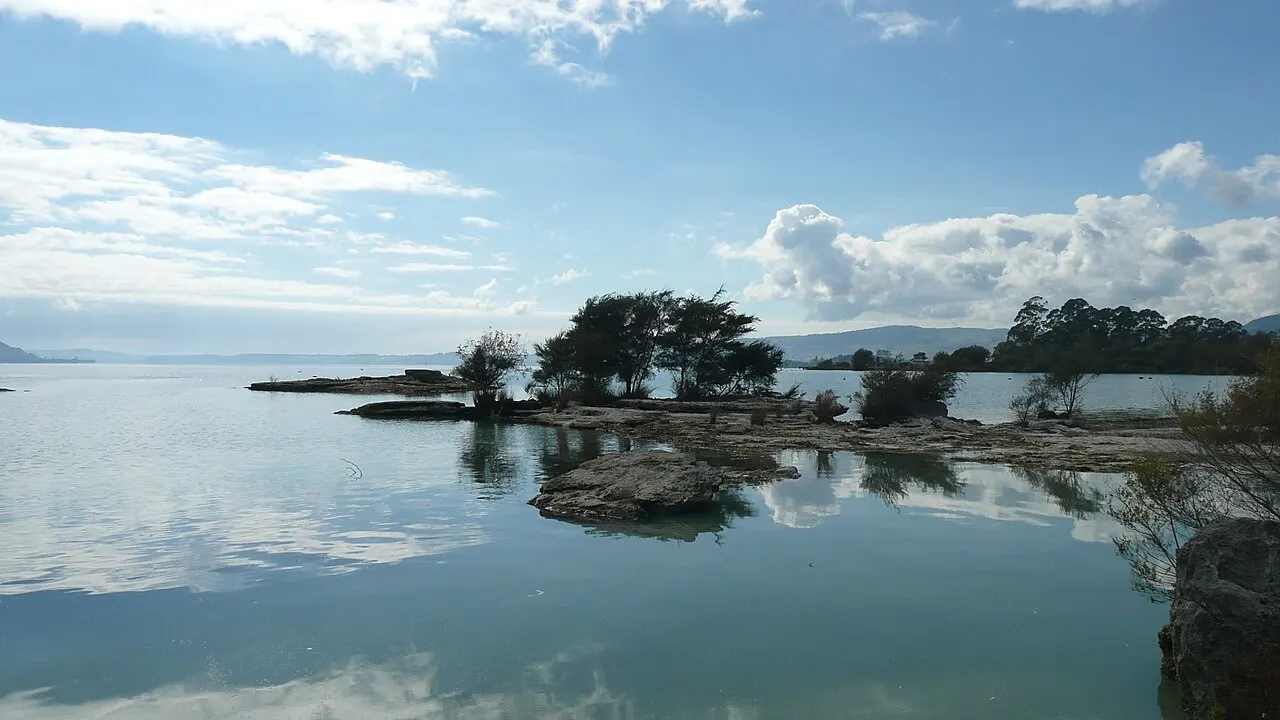
Photo credits: W. Bulach (CC BY-SA 4.0); Krzysztof Golik (CC BY-SA 4.0); Krzysztof Ziarnek, Kenraiz (CC BY-SA 4.0); Tony Hisgett from Birmingham, UK (CC BY 2.0); Sonia (CC BY-SA 3.0)
Getting there
Lake Rotorua (Te Rotorua nui ā Kahumatamomoe) fills the Rotorua Caldera in the Bay of Plenty region, at 280 m elevation. Rotorua city stretches along the southern shore, and the redeveloped lakefront sits right beside the town centre, making the lake the town's front porch. The lake drains northeast via the Ohau Channel into Lake Rotoiti.
Things to do nearby
Walk the lakefront boardwalk and lawns and watch swans and ducks gather near the stream mouths. Visit Hamurana Springs on the north shore, where crystal-clear water flows at a constant 10°C, or fish for trout in the Ngongotahā stream. The Ohau Channel is navigable by boat and favoured by fly fishermen; the Mourea delta's shallow waters suit novice kayakers, and the nearby Kaituna River offers white-water rafting.
Highlights
This shallow, sulphur-tinged crater lake sits on still-active geothermal ground — geysers and hot mud pools continue around its shores, and 2024 lake-floor maps revealed geothermal activity extending about 1 km into the lake from Sulphur Point, plus a submerged ancient river. Mokoia Island floats near the centre, and at dusk the water glows against distant geothermal steam.
History & culture
The volcano last erupted about 240,000 years ago, its collapsed magma chamber forming the caldera. Mokoia Island is tied to the famous Māori legend of Hinemoa, who swam across the lake to her lover Tūtānekai. Historic steamers and launches, from the Bessie Bell (1877) to the steamship Hamurana (1901), once served the lake; today the Lakeland Queen, built in 1986 and New Zealand's only sternwheeler passenger vessel, runs sightseeing and dining cruises with Māori cultural entertainment.
Booking & rules
The lakefront is a public reserve, open at all times with no entry fee; Lakeland Queen cruises are booked separately. Fishing is popular though the shallow water discolours easily and swimming is less appealing. Note the lake is eutrophic: nutrients from surrounding farmland cause algal blooms and weed growth, and a 2025 storm deposited some 725 tonnes of weed on the shore near town.
About this attraction
Lake Rotorua fills a caldera above a still-active geothermal field, and its redeveloped lakefront has become the town's front porch: a boardwalk promenade, lawns, playground and carved pou trace the shore with Mokoia Island floating offshore. Swan and duck colonies gather near the inlet, and the lake edge glows at sunset behind the steam of distant thermal areas.
Video introduction
Video by World Wild Hearts on YouTube
Highlights
Walk the promenade out toward the viewpoint, photograph the carved pou against Mokoia Island, enjoy the waterfowl flocks from a respectful distance, and stay for sunset colour over the steaming lake.
Cautions
Do not feed the birds — bread harms them and stirs gull swarms; black swans can be aggressive when cornered.
Getting there
The lakefront sits at the bottom of the main street — an easy flat walk from anywhere in central Rotorua, with parking nearby.
noda attraction index 84
4.2 / 5
How the attraction index works
Each attraction is scored from five verifiable data points, out of 100. This is an editorial index, not a user rating — it reflects how free, how scenic and how well documented a place is, not anyone's personal experience.
| Free bonus | 20 pts | Completely free 20; small fees (parking, gold-coin koha) 10; expensive tickets 0. |
|---|---|---|
| Scenery uniqueness | 25 pts | World Heritage or landmark-level 25, regional 18, local 12 — each listing is explicitly tiered. |
| Things to do | 20 pts | Ranked by the depth of the highlights write-up: full 20, medium 14, brief 10. |
| Information completeness | 20 pts | 15 for having about, best time, cautions and access notes, minus 4 per missing item; plus 5 for two or more official sources. |
| Accessibility | 15 pts | Reachable by car 15, short walk 12, long tramp required 6. |
Things to do nearby · Events
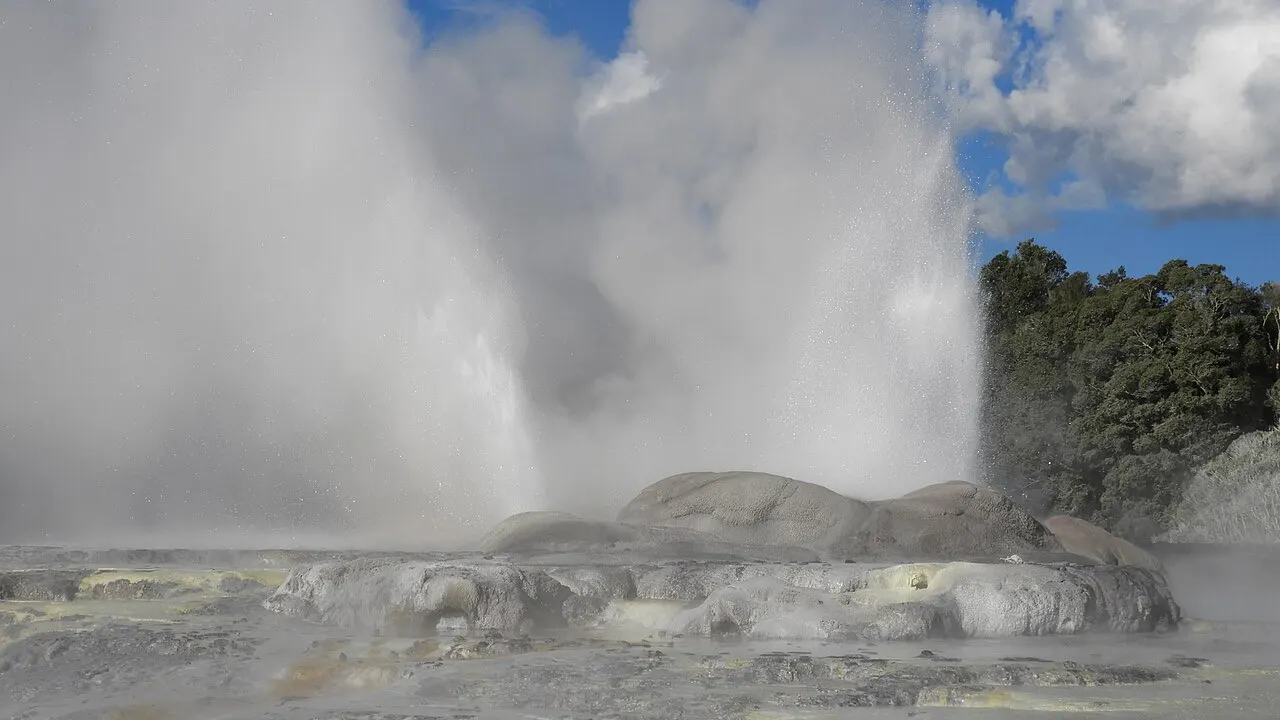 Te Puia
 Paint and Wine Night - Summer in NZ
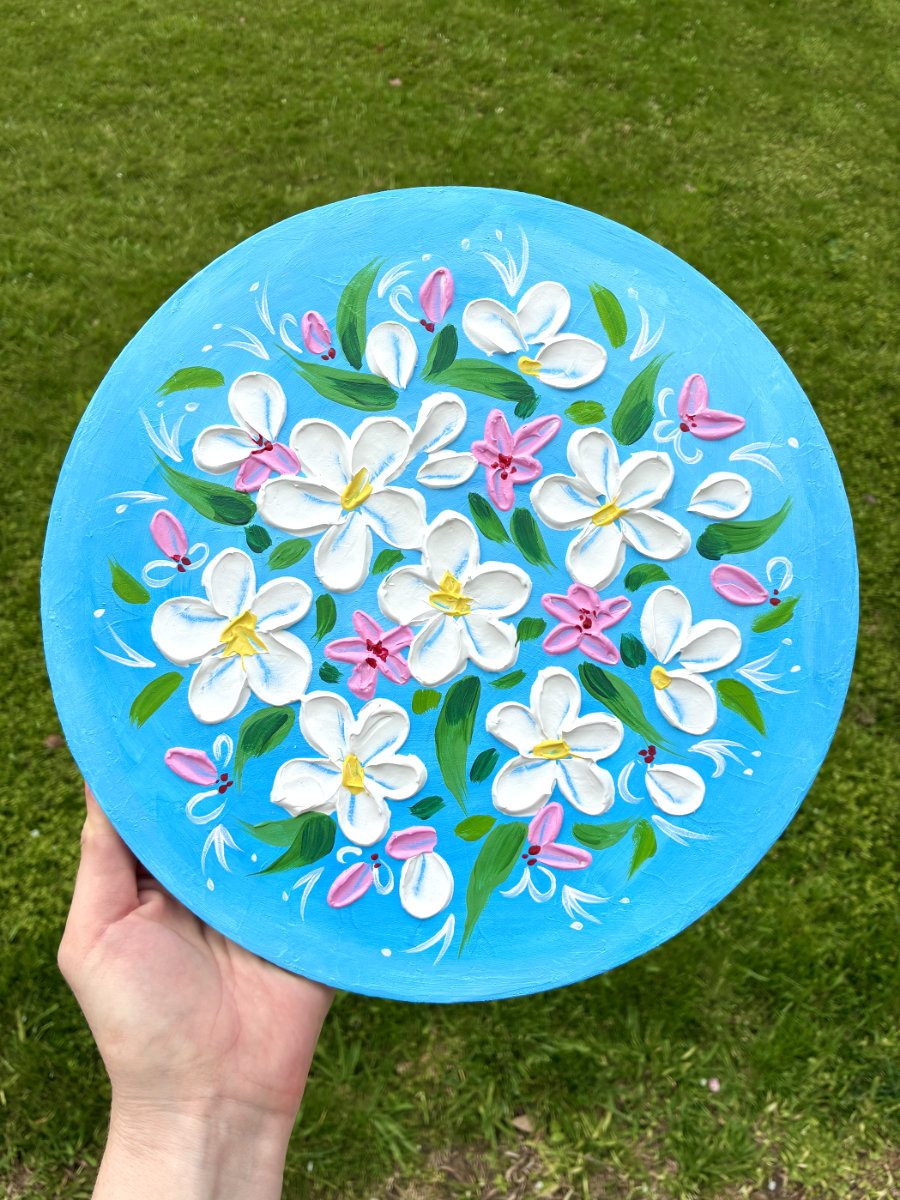 Textured Paint Art and Wine Night - Texture Blossoms
 The Big Bike Film Night 2027
 The Song They Saved - Documentary Screening
 SoundSwell Summer Concert
 Wahine Toa - Womens Adventure Film Festival
 Ngā Waka Whiria: Hauora and Leadership in Construction