Goat Island / Cape Rodney-Okakari Point Marine Reserve
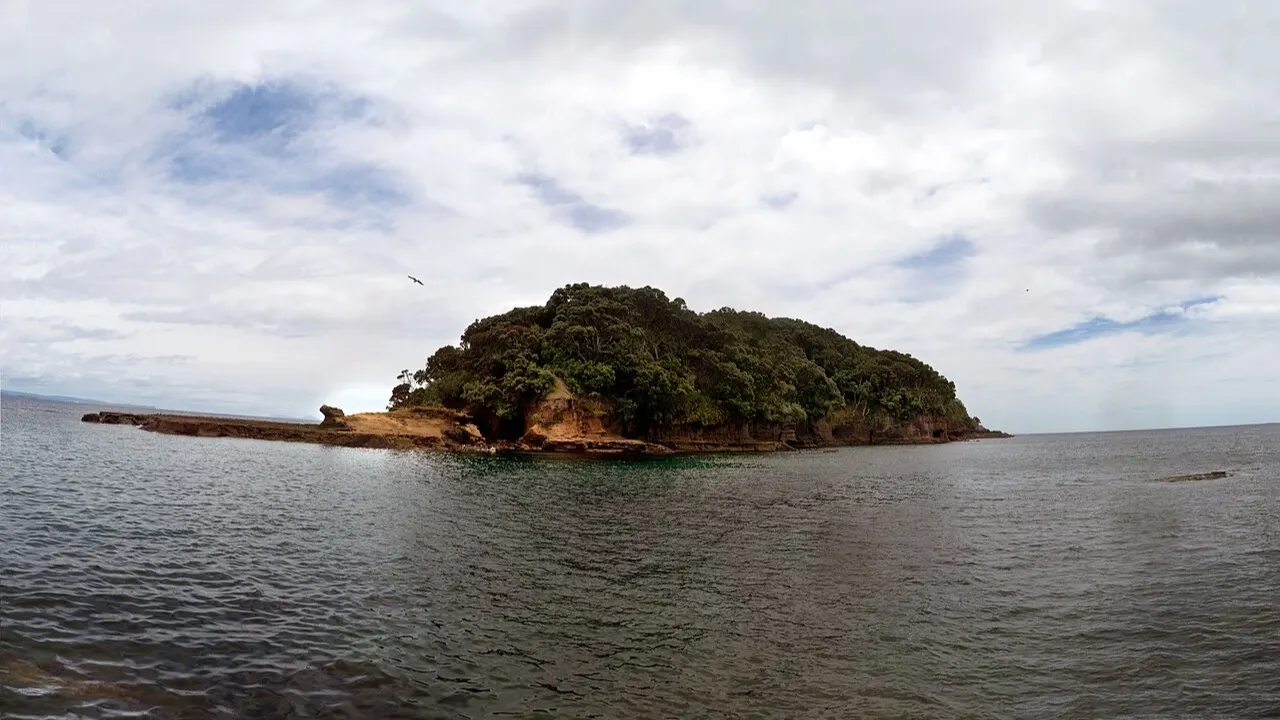
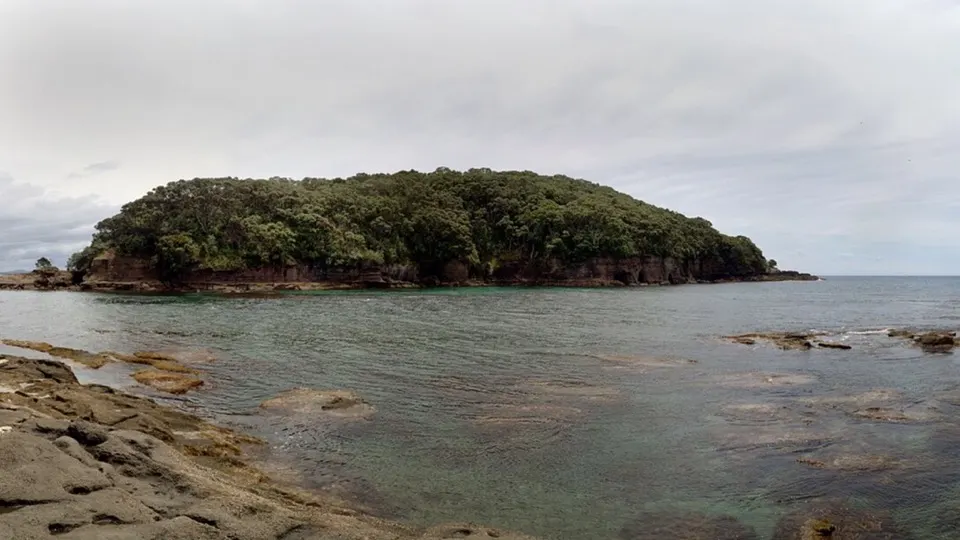
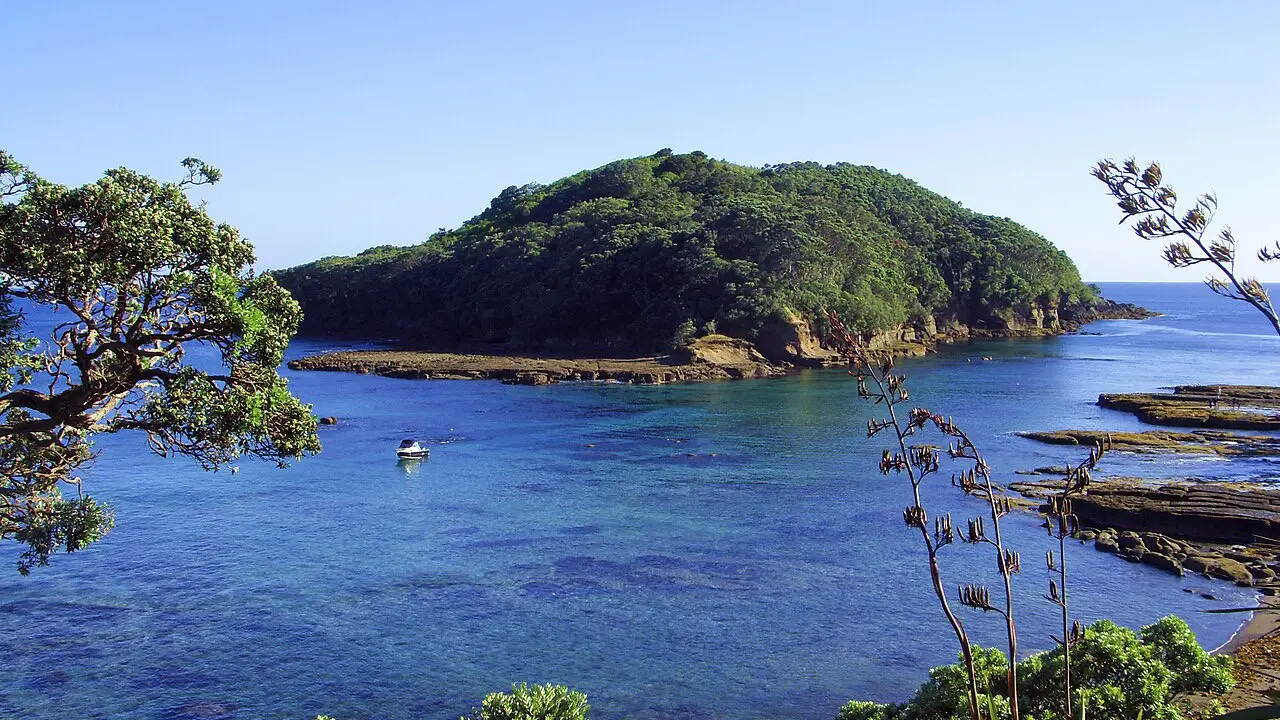
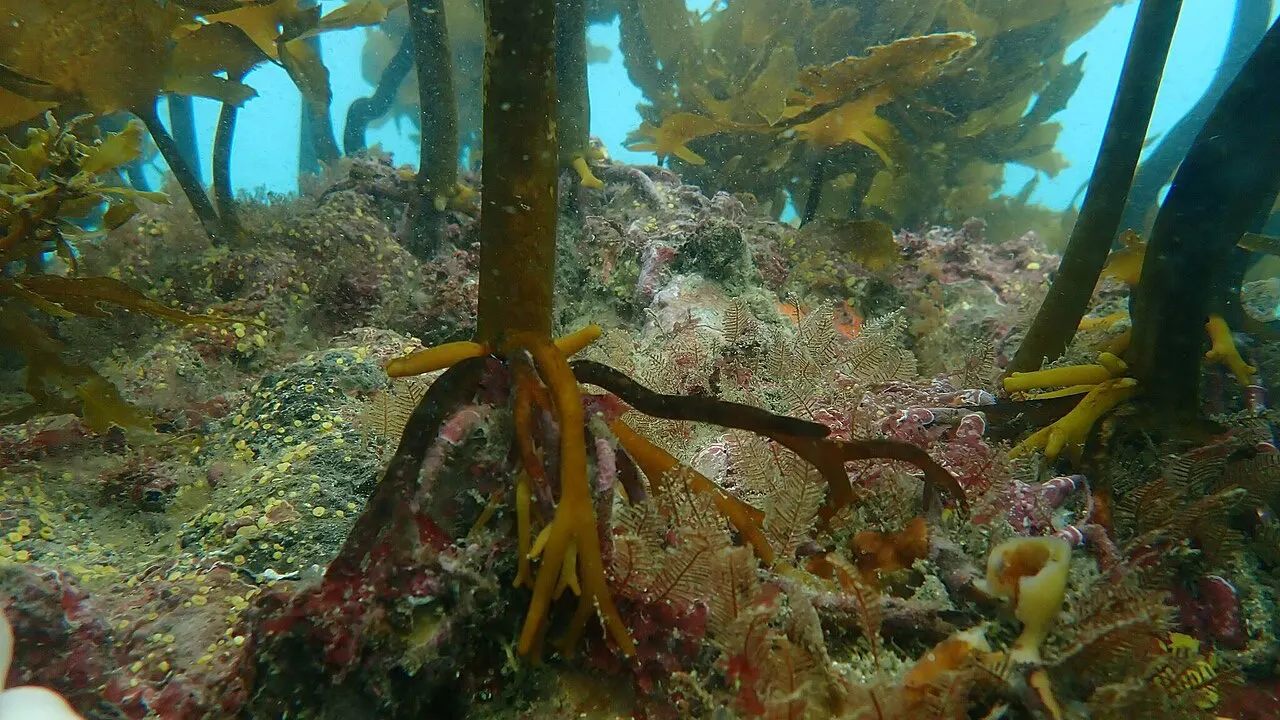
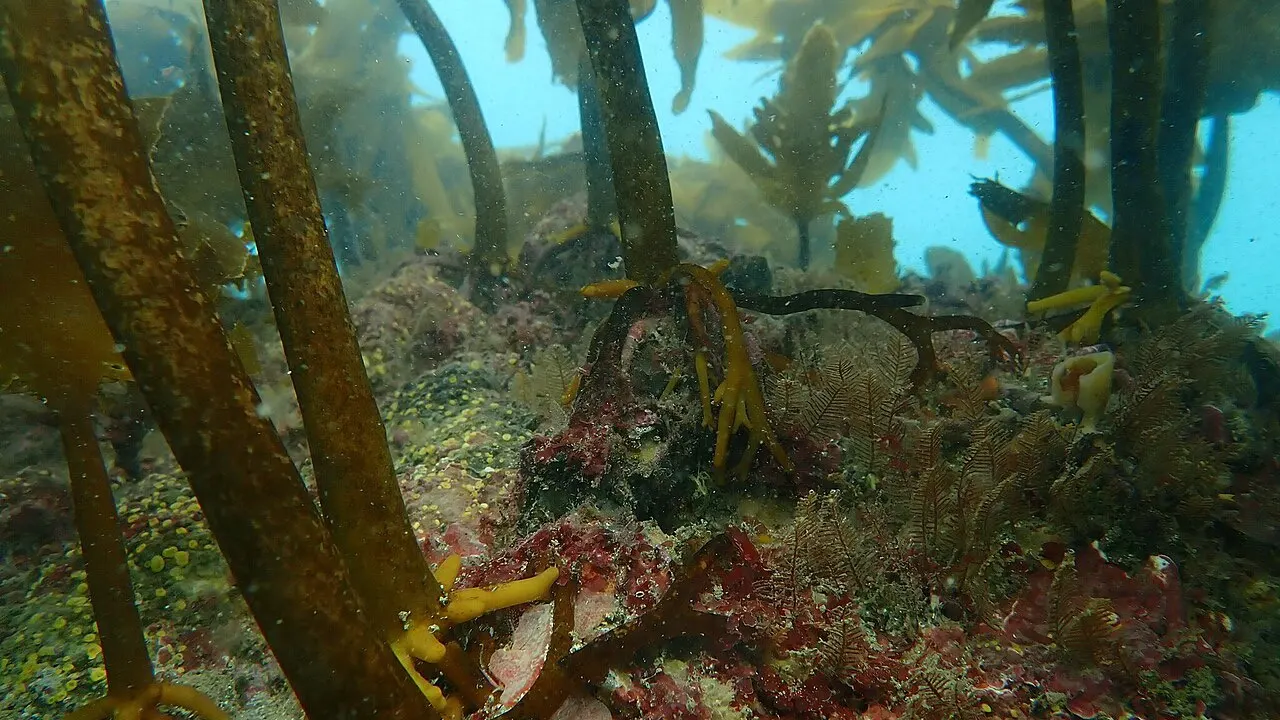
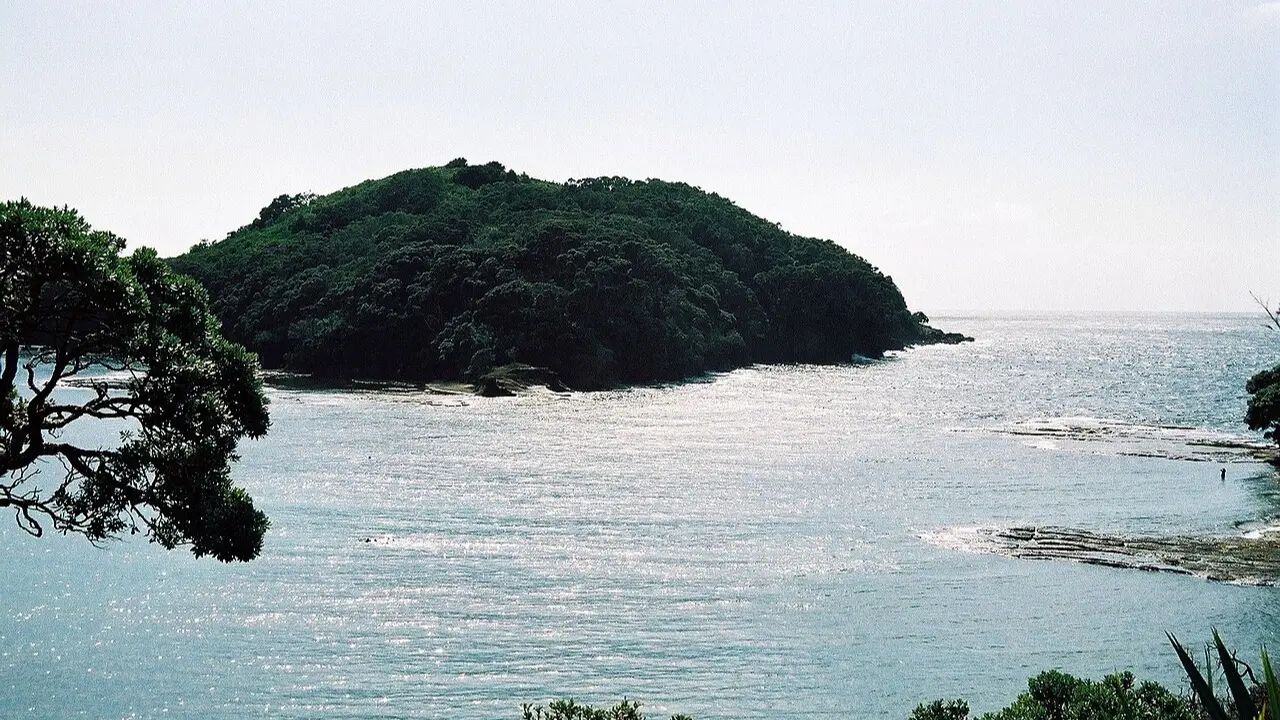
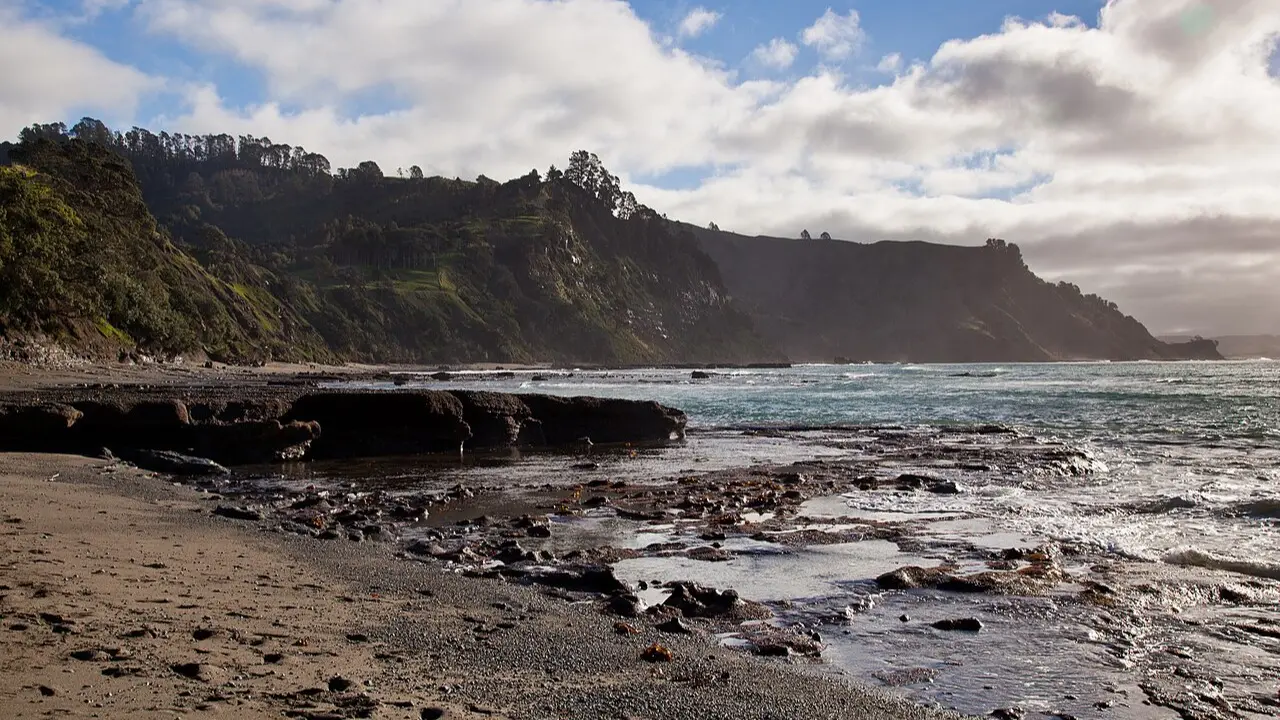
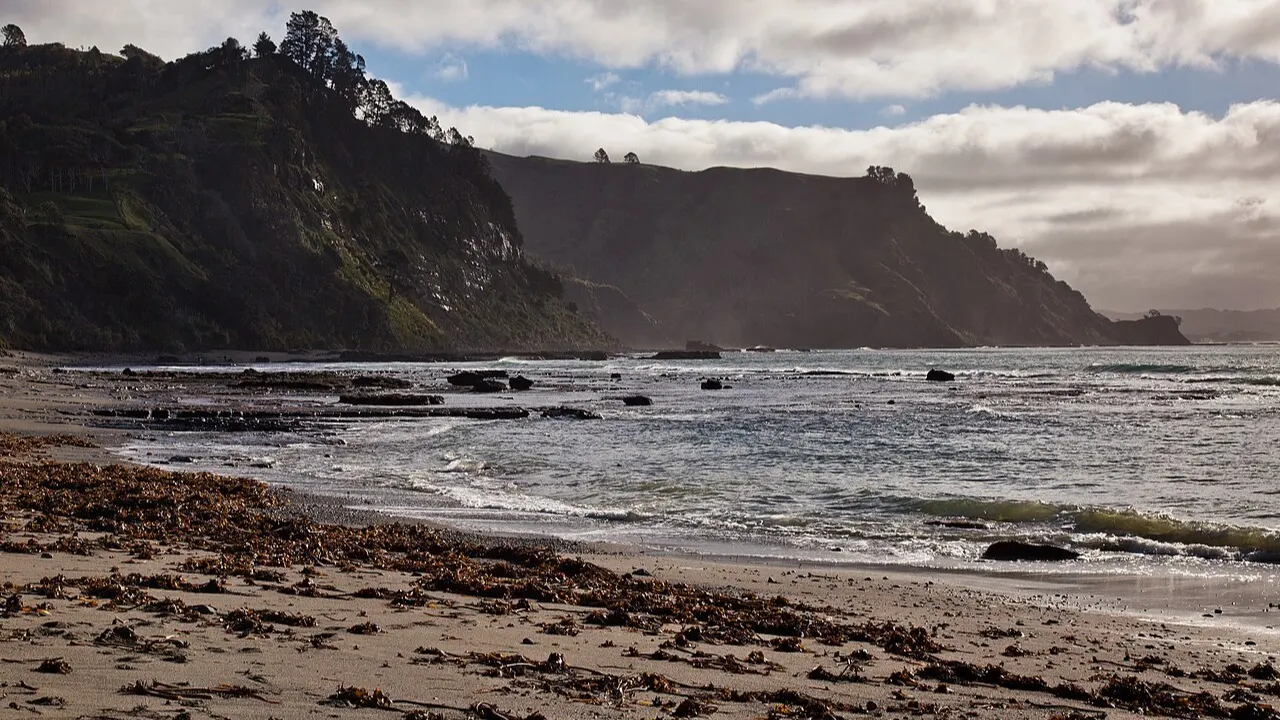
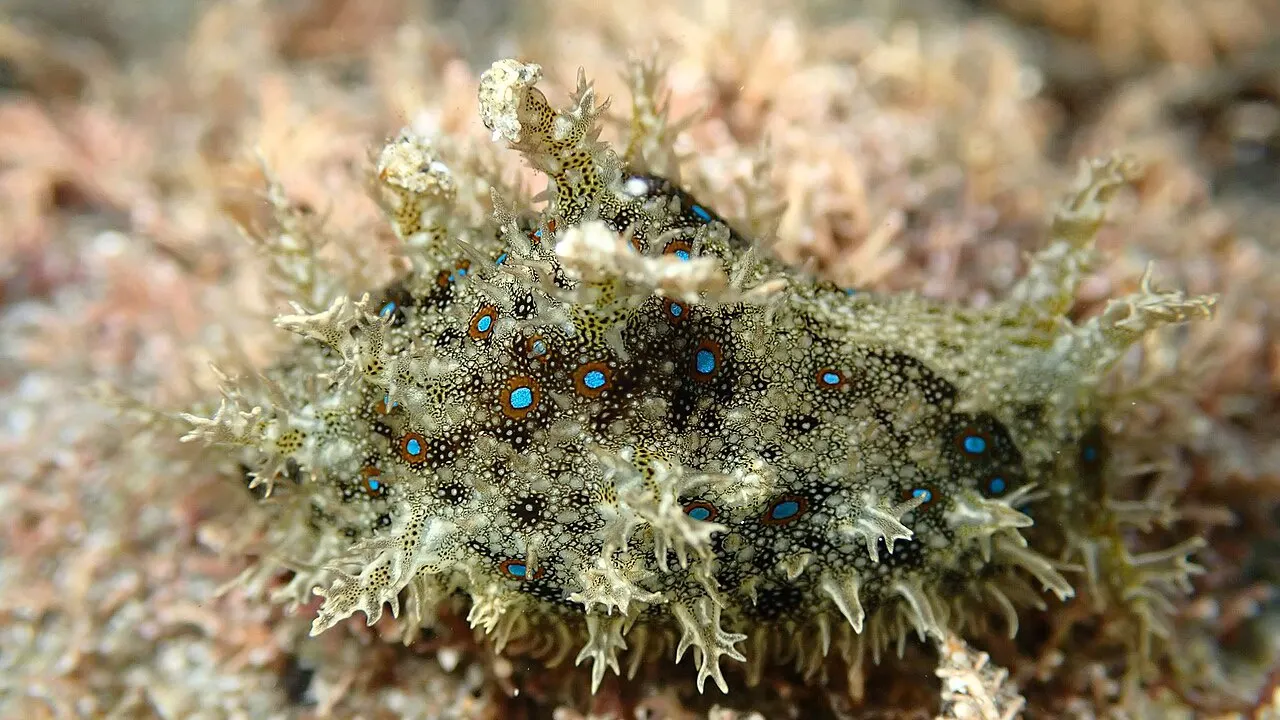
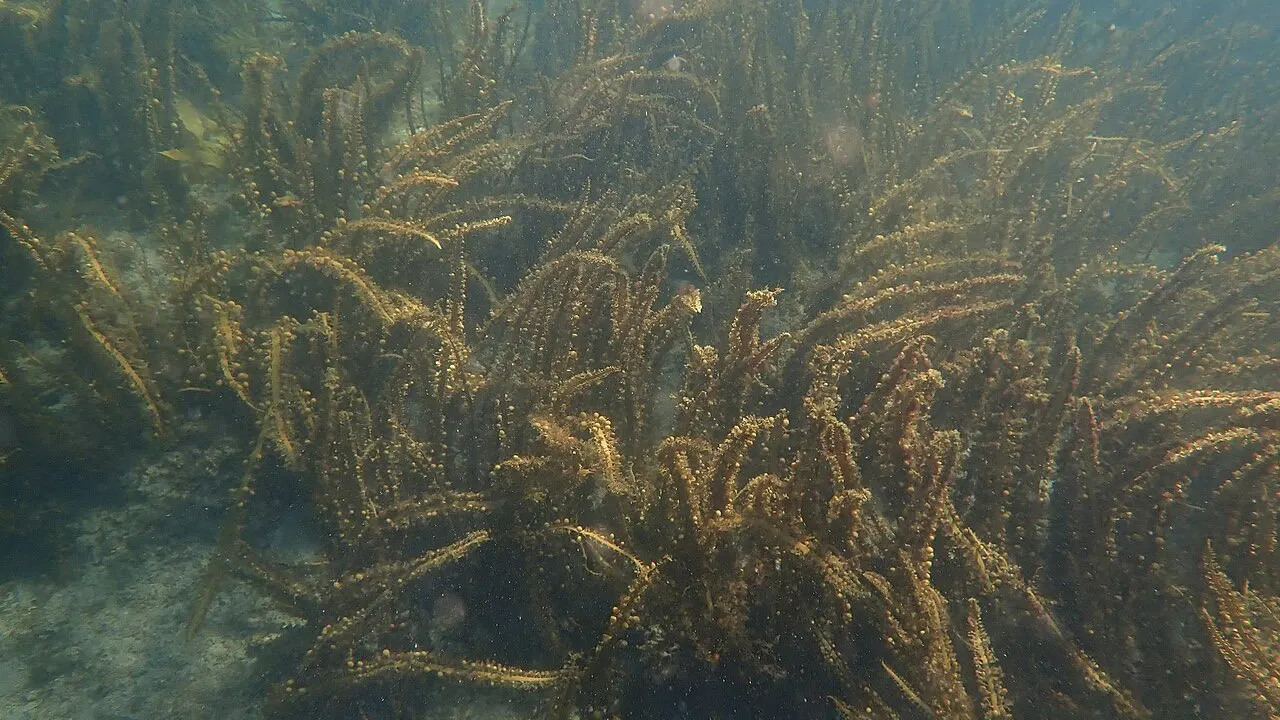
Photo credits: Sleeps-Darkly (CC0); Korkut Tas (CC BY-SA 3.0); Javier (CC BY 4.0); Mark in New Zealand (CC BY-SA 2.0); russellstreet (CC BY-SA 2.0); Zachary Robertson (CC0)
Getting there
Cape Rodney-Okakari Point Marine Reserve, commonly known as Goat Island, lies on the North Island's east coast near Leigh, its nearest town, north of Auckland. The 547-hectare reserve extends from Cape Rodney to Okakari Point and 800 m offshore. Its coordinates are roughly 36°15′55″S, 174°47′52″E.
Things to do nearby
Visitors snorkel, scuba-dive and kayak among the seaweed and kelp forests, with a boat launching ramp at nearby Omaha Cove. The Cape Rodney Walkway climbs steeply along the cliffs east of the reserve, a farm walkway lies close by, and low tide reveals exploreable rock pools. Pakiri's white sand surf beach and the mudflats and mangroves of Whangateau Harbour are among the varied shores.
Highlights
Established in 1975 as New Zealand's first marine reserve, it draws about 200,000 visitors a year. Because fish are never fed or fished, snapper and other marine life gather around swimmers. The reserve shelters seaweed forests, sponge gardens, coraline turf and kelp forests, and habitats ranging from boulders and mudstone terraces to coarse sand.
History & culture
Te Hāwere-a-Maki (Goat Island) is significant to Ngāti Manuhiri, who trace their whakapapa to the iwi Wakatūwhenua, which landed with the Moekākara waka captained by Tahuhunuiarangi. The island is named after Maki, son of founding ancestor Manuhiri, who conquered the area in the late seventeenth century; a grandson kept a pā on the island. Ngāti Manuhiri received formal title over the island in 1901.
Booking & rules
All fishing, and removal or disturbance of marine life or materials, is forbidden; dogs are banned everywhere in the reserve including the foreshore. Boats may navigate and anchor carefully, but dragging anchors damages marine life. Visitors must not feed fish, move underwater rocks or break off fragile animals like hydroids, lace corals and sponges; shore rocks may be turned over but must be replaced. In-water activities are unsuitable in east or north-east winds of 20 knots or more, or swells over a metre. Auckland University operates the Leigh Marine Laboratory at the reserve.
About this attraction
Cape Rodney-Okakari Point Marine Reserve — universally known as Goat Island, after the small island Te Hāwere-a-Maki at its heart — was created in 1975 as the first marine reserve in New Zealand. The 547-hectare reserve runs from Cape Rodney to Okakari Point and extends 800 m offshore, and roughly 200,000 visitors a year come to snorkel, dive and kayak over kelp and reef where fishing of any kind is banned. At low tide the rock pools keep non-swimmers busy, and the Cape Rodney Walkway climbs the headland for coastal views. Because the fish are never fed or taken, they gather thick around anyone in the water — five decades of protection made visible.
Highlights
Snorkel straight off the beach among dense schools of fish, take a glass-bottom boat over the reef, walk the Cape Rodney Walkway above the reserve, and potter the rock pools at low tide.
Cautions
A strict no-take reserve: no fishing, no feeding fish and do not move underwater rocks; dogs are not allowed. Swimming and snorkelling are unsafe in strong east to north-east winds (around 20 knots or more) or swell over a metre — check the marine forecast.
Getting there
Drive north from Auckland via Warkworth to the township of Leigh; the beach, boat operators and reserve edge sit just beyond at the end of Goat Island Road.
noda attraction index 93
4.7 / 5
How the attraction index works
Each attraction is scored from five verifiable data points, out of 100. This is an editorial index, not a user rating — it reflects how free, how scenic and how well documented a place is, not anyone's personal experience.
| Free bonus | 20 pts | Completely free 20; small fees (parking, gold-coin koha) 10; expensive tickets 0. |
|---|---|---|
| Scenery uniqueness | 25 pts | World Heritage or landmark-level 25, regional 18, local 12 — each listing is explicitly tiered. |
| Things to do | 20 pts | Ranked by the depth of the highlights write-up: full 20, medium 14, brief 10. |
| Information completeness | 20 pts | 15 for having about, best time, cautions and access notes, minus 4 per missing item; plus 5 for two or more official sources. |
| Accessibility | 15 pts | Reachable by car 15, short walk 12, long tramp required 6. |
Things to do nearby · Events
 Viaduct Harbour presents The Reflection Tree by Angus Muir
 'Twas The Night Before Bull Rush: The Musical
 Danny O'Brien: Sure Look, Be Grand (Ireland)
 Rebel Without Applause
- Donny Brooke Fair Band
 Timmy Lou & the Untouchables
 Ngā Waka Whiria: Hauora and Leadership in Construction
 Wahine Toa - Womens Adventure Film Festival