Durie Hill & Memorial Tower
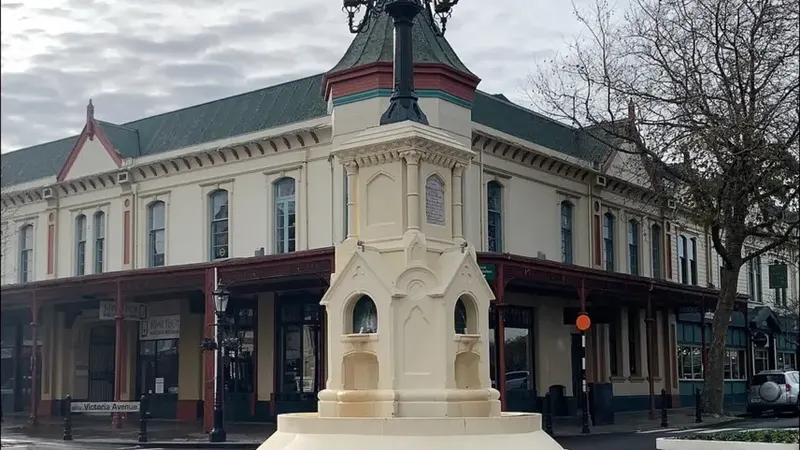
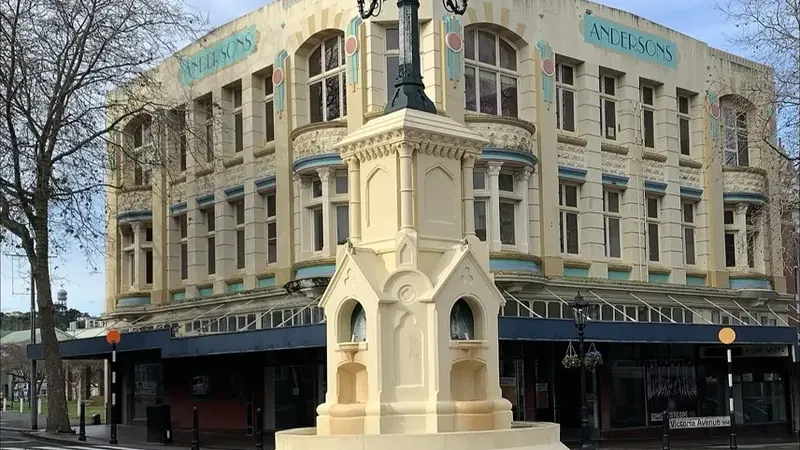
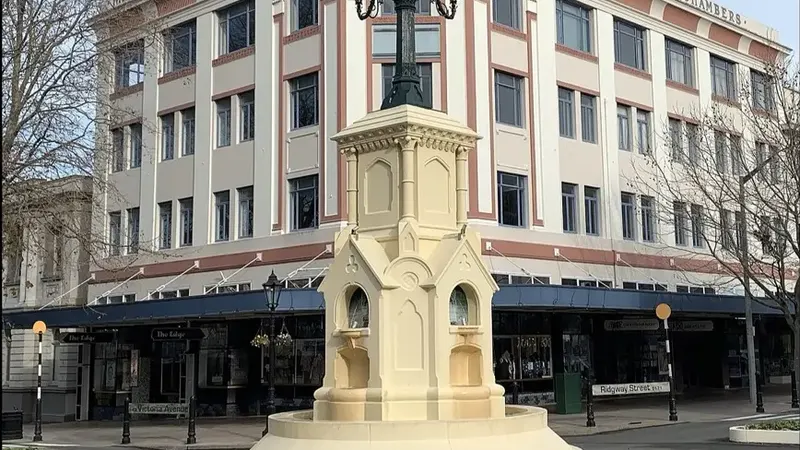
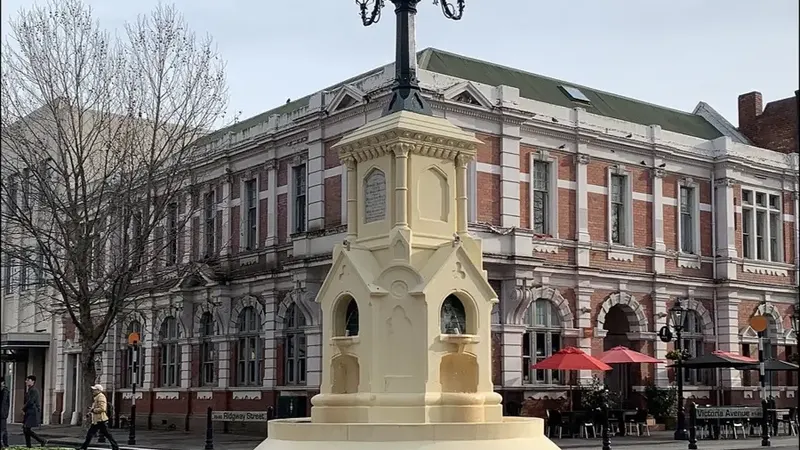
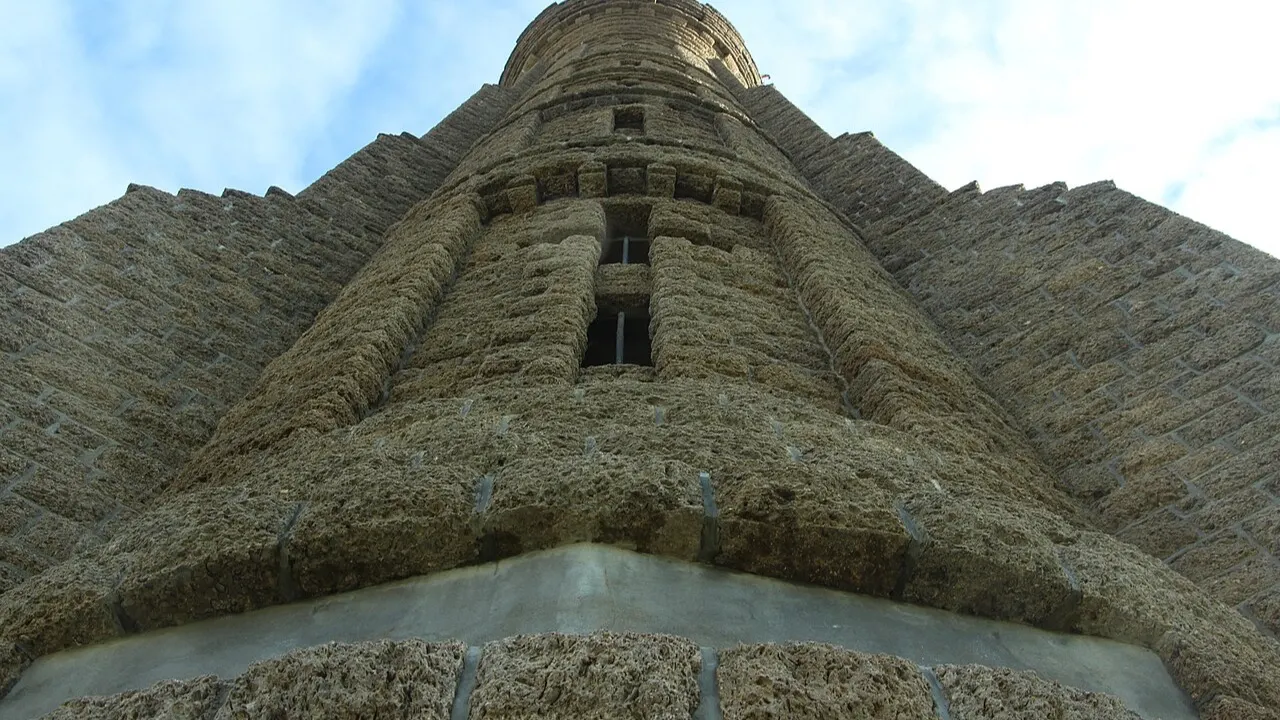
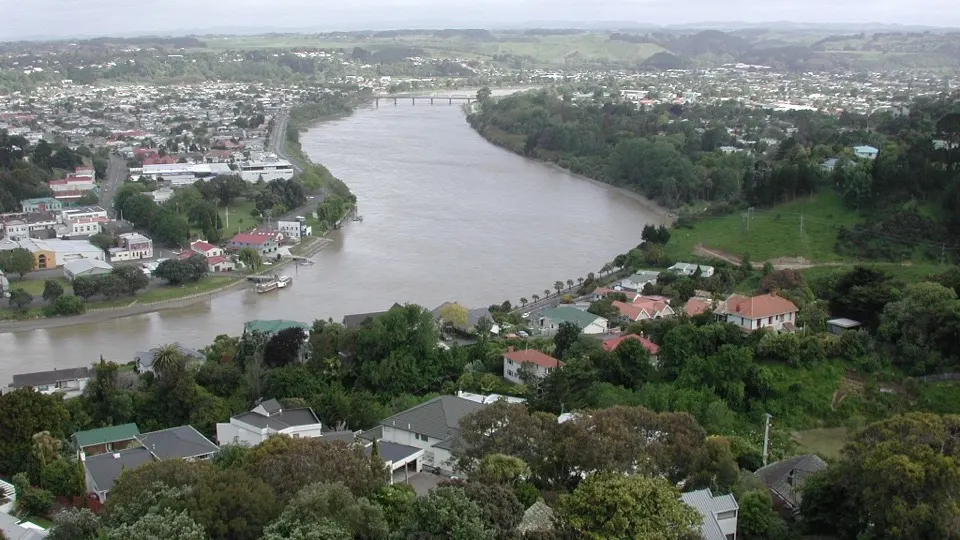
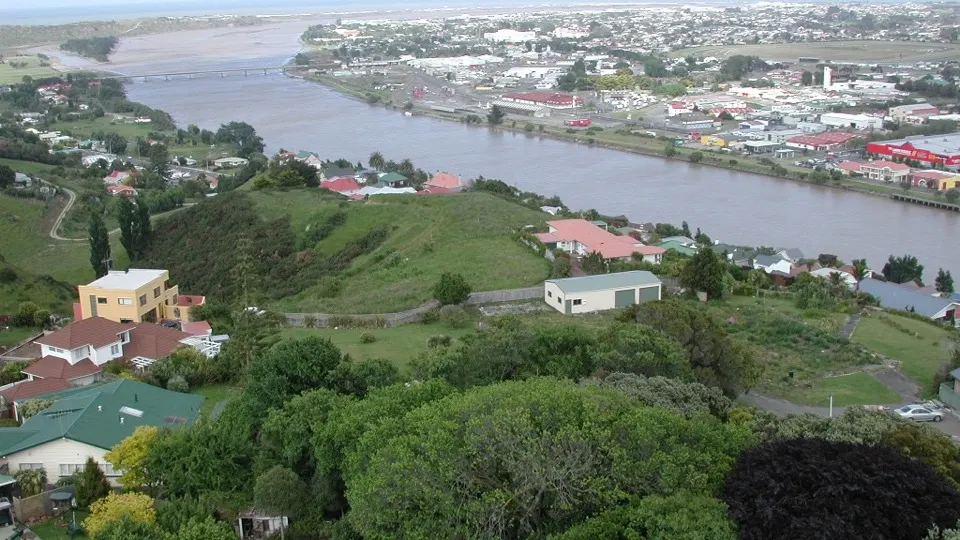
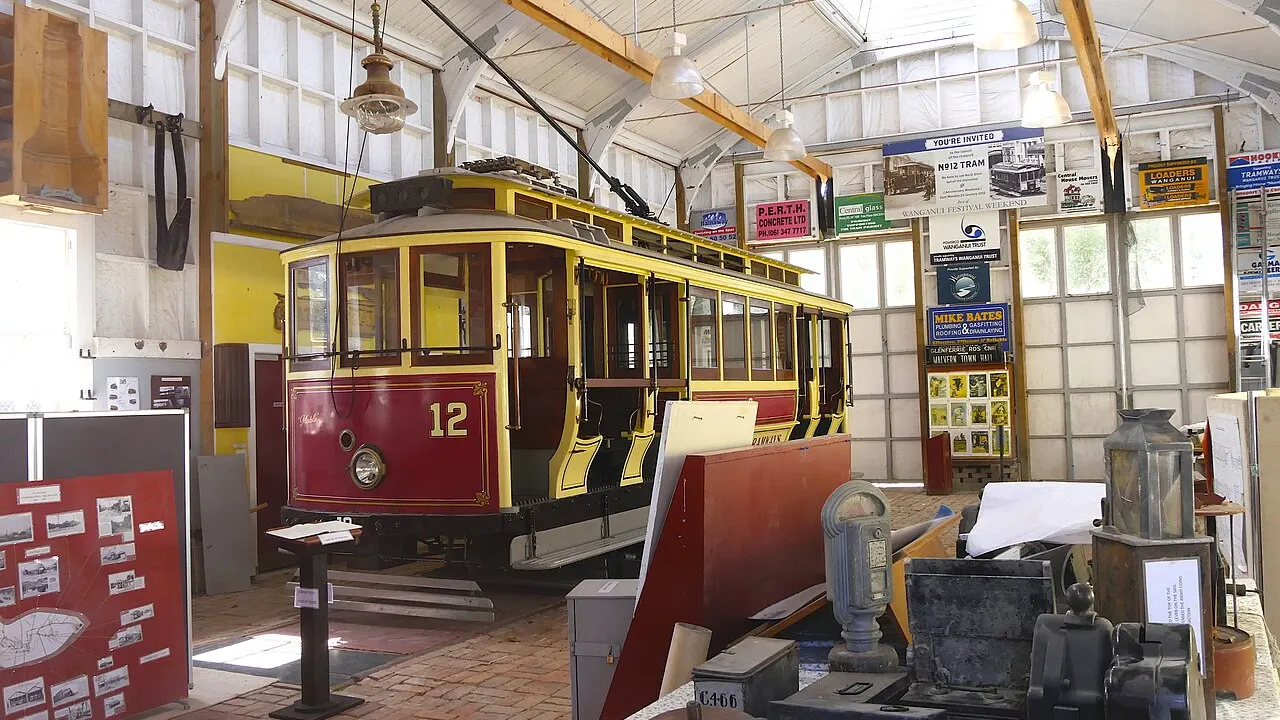
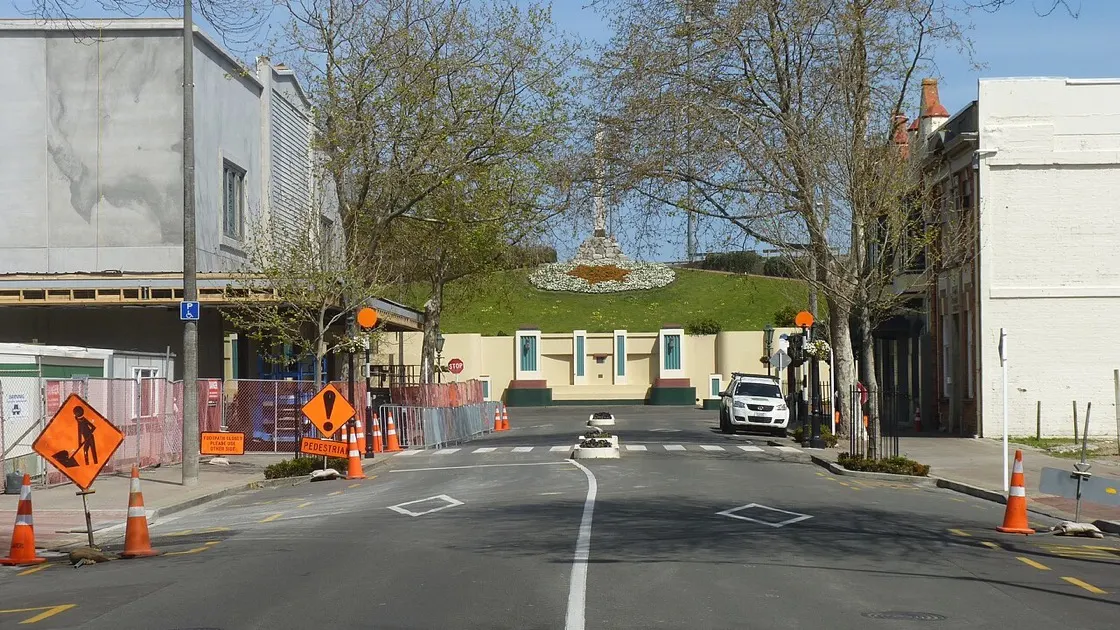
Photo credits: Tom Ackroyd (CC0); Michal Klajban (CC BY-SA 4.0); Pseudopanax at en.wikipedia (Public domain); Ulrich Lange, Bochum, Germany (CC BY-SA 4.0)
Getting there
Durie Hill rises beside the Whanganui River in the city of Whanganui, on the west coast of the North Island. Whanganui sits at the mouth of the Whanganui River, New Zealand's longest navigable waterway, and is the second-largest urban area in the Manawatū-Whanganui region, with around 42,800 residents as of June 2025. The hill's elevator entrance is a short walk from the town bridge and the city centre on the river's south-eastern side.
Things to do nearby
The base of the elevator is within easy walking distance of central Whanganui's Victoria Avenue and the Whanganui River town bridge. From the tower you can look down on the river's graceful loops, the suburbs of the River City, and landmarks such as the Sarjeant Gallery precinct and the Port Town area. The city also serves as a gateway to attractions like Bason Botanic Gardens and Bushy Park Tarapuruhi further afield.
Highlights
The Durie Hill Elevator is one of the last facilities of its kind in New Zealand: visitors first walk through a long pedestrian tunnel carved into the hill, then ride a vintage elevator up to the hilltop residential suburb, avoiding a steep climb. At the top stands the Durie Hill Memorial Tower, whose spiral staircase leads to a viewing platform that unfolds Whanganui city, the river's winding bends, and the distant coastline all at once. Tunnel, elevator and tower stack history, engineering and panorama into half an hour.
History & culture
Whanganui takes its name from the Māori phrase meaning 'big bay or harbour', and the district is the ancestral home of Te Āti Haunui-a-Pāpārangi and other Whanganui iwi, with the pā of Pūtiki across the river a major pre-European settlement site. The Memorial Tower commemorates the soldiers of the World Wars, and the hilltop suburb reflects Whanganui's early-20th-century growth — the town was declared a city on 1 July 1924 and was named a UNESCO City of Design in 2021.
Booking & rules
The elevator and tower operate as a public tourist attraction without a booking requirement; walk up on the day. An alternative for the energetic is to climb the free stairway that runs up Durie Hill instead of taking the tunnel and lift. There are no stated dogs or other special restrictions in the source; allow about half an hour for the full tunnel–elevator–tower circuit.
About this attraction
Durie Hill's elevator is one of the last of its kind in the country: a long pedestrian tunnel bored through the hill, then a vintage lift cabin rising to the suburb above, saving a steep climb. At the top stands the Durie Hill Memorial Tower, a tall spiral-stairway monument whose viewing platform lays out Whanganui, the river's great loop and the coastline. Together they make the town's best-value half hour — history, engineering and panorama stacked on top of each other, with stairs as the free alternative for the energetic.
Highlights
Ride the tunnel elevator up, climb the spiral stairs of the Memorial Tower for the 360-degree view, then walk back down through the leafy hill streets to the bridge.
Cautions
The elevator runs to limited hours (closed some days) — check on site; the tower stairwell is narrow and enclosed, tight for claustrophobia.
Getting there
The tunnel entrance sits by the city bridge, a short walk from central Whanganui; stairs to the summit start from the Anzac Parade side if the lift is closed.
noda attraction index 69
3.5 / 5
How the attraction index works
Each attraction is scored from five verifiable data points, out of 100. This is an editorial index, not a user rating — it reflects how free, how scenic and how well documented a place is, not anyone's personal experience.
| Free bonus | 20 pts | Completely free 20; small fees (parking, gold-coin koha) 10; expensive tickets 0. |
|---|---|---|
| Scenery uniqueness | 25 pts | World Heritage or landmark-level 25, regional 18, local 12 — each listing is explicitly tiered. |
| Things to do | 20 pts | Ranked by the depth of the highlights write-up: full 20, medium 14, brief 10. |
| Information completeness | 20 pts | 15 for having about, best time, cautions and access notes, minus 4 per missing item; plus 5 for two or more official sources. |
| Accessibility | 15 pts | Reachable by car 15, short walk 12, long tramp required 6. |