Buried Village of Te Wairoa
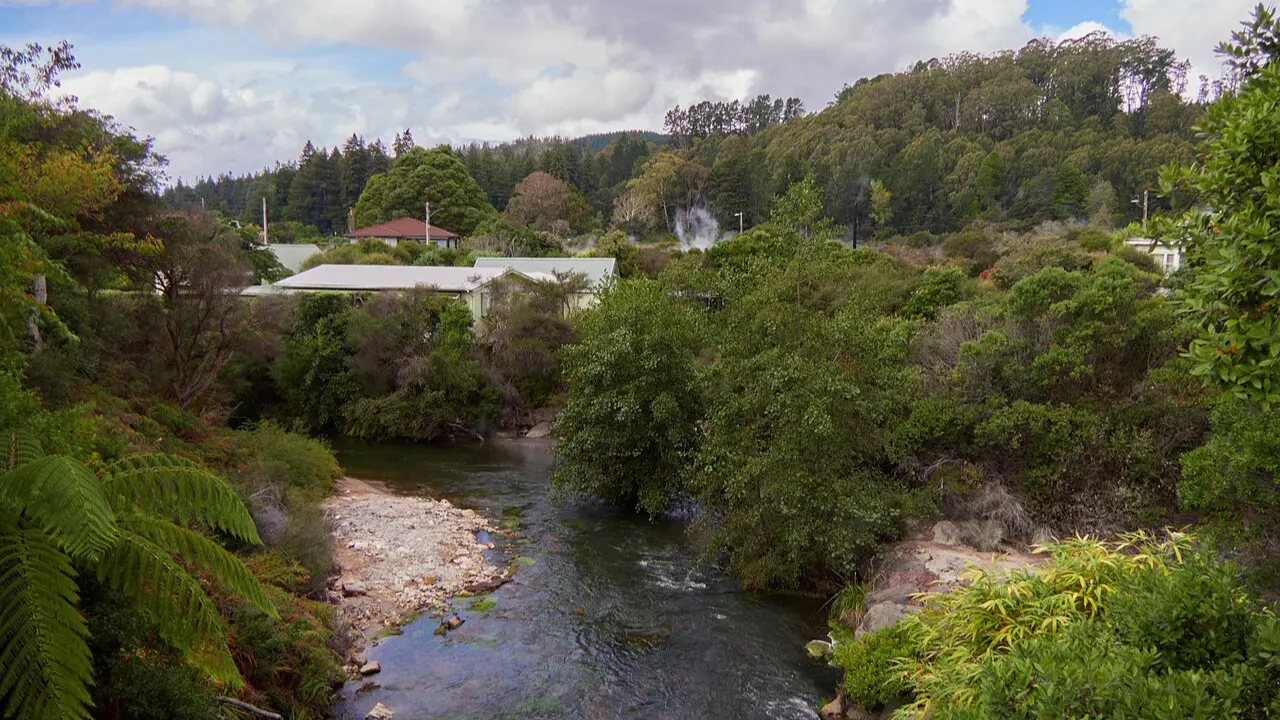
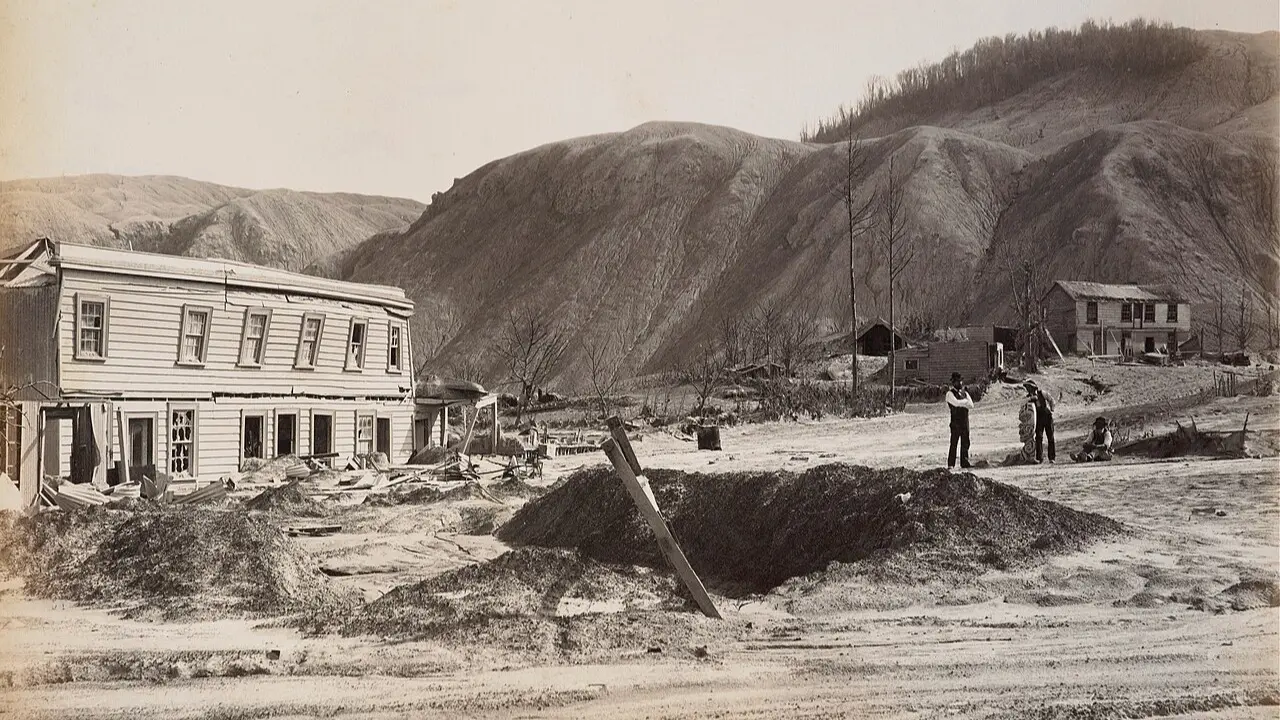
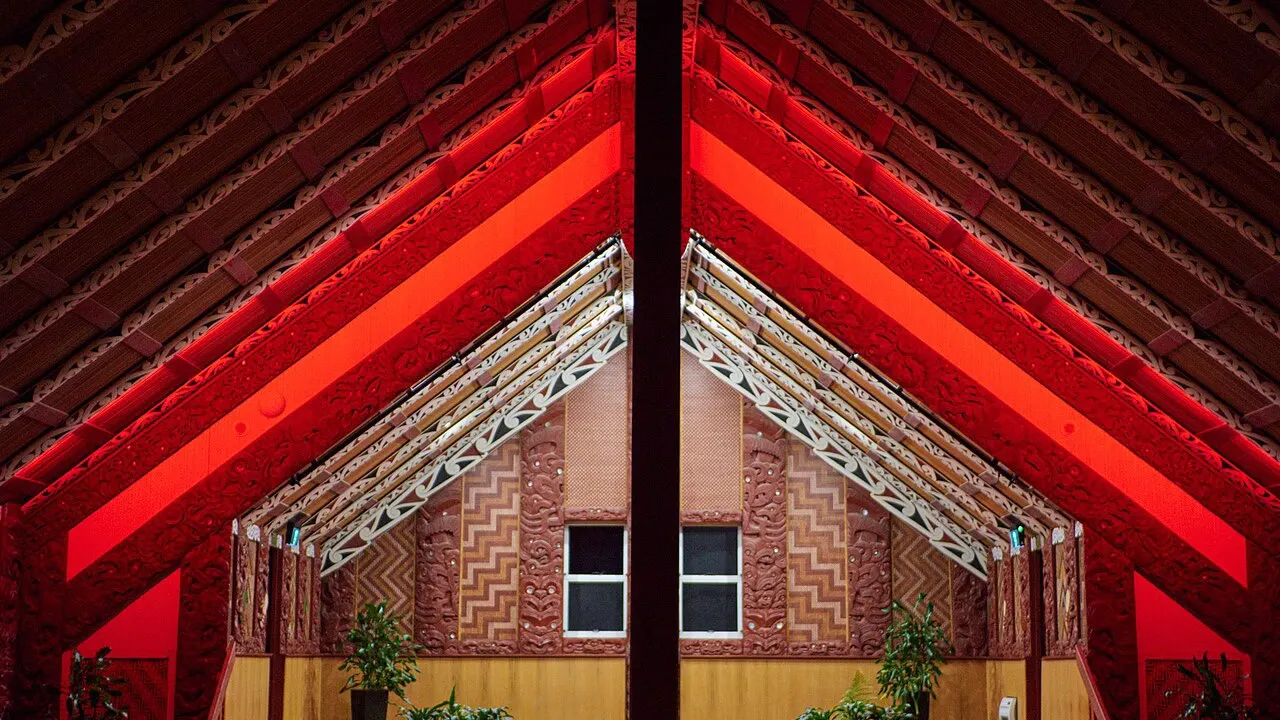
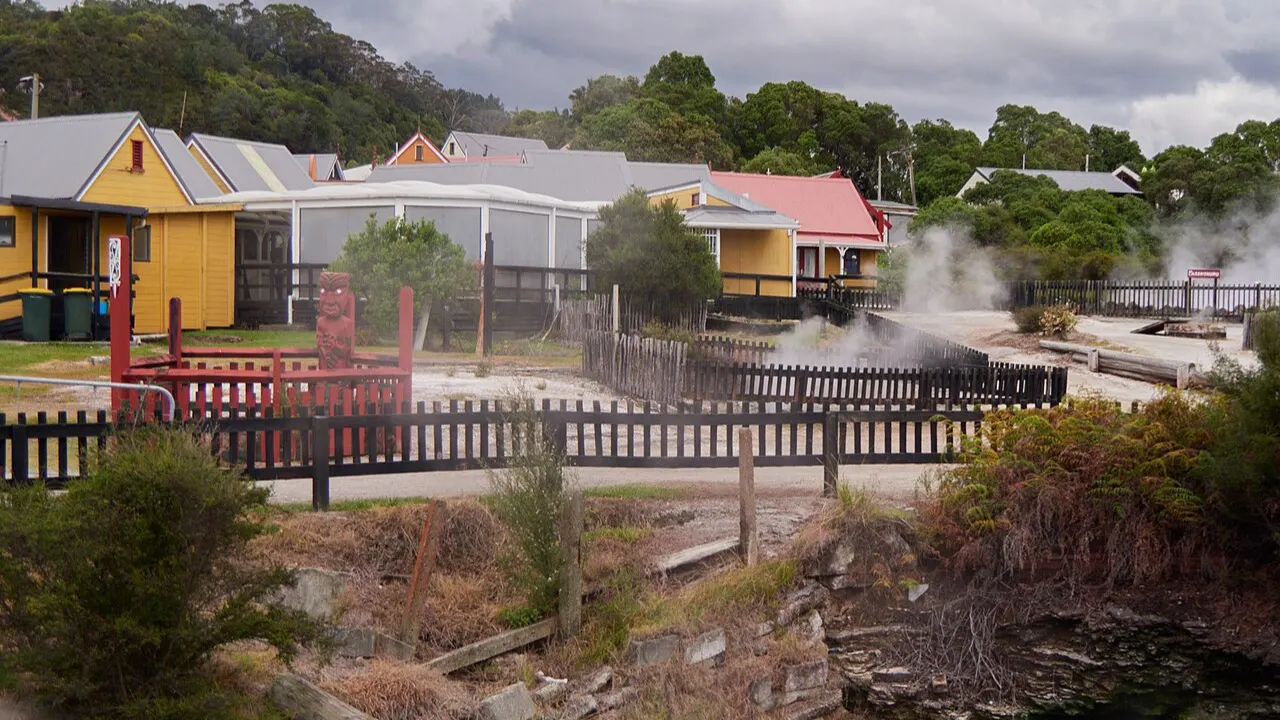
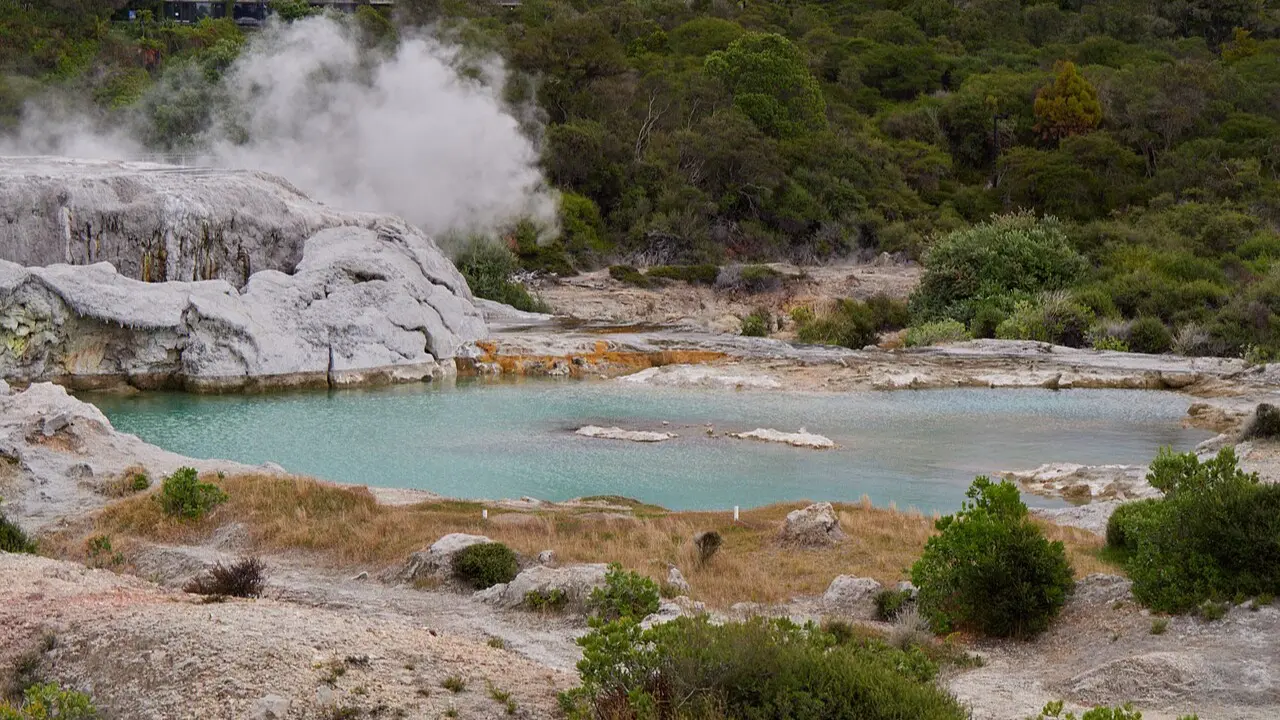
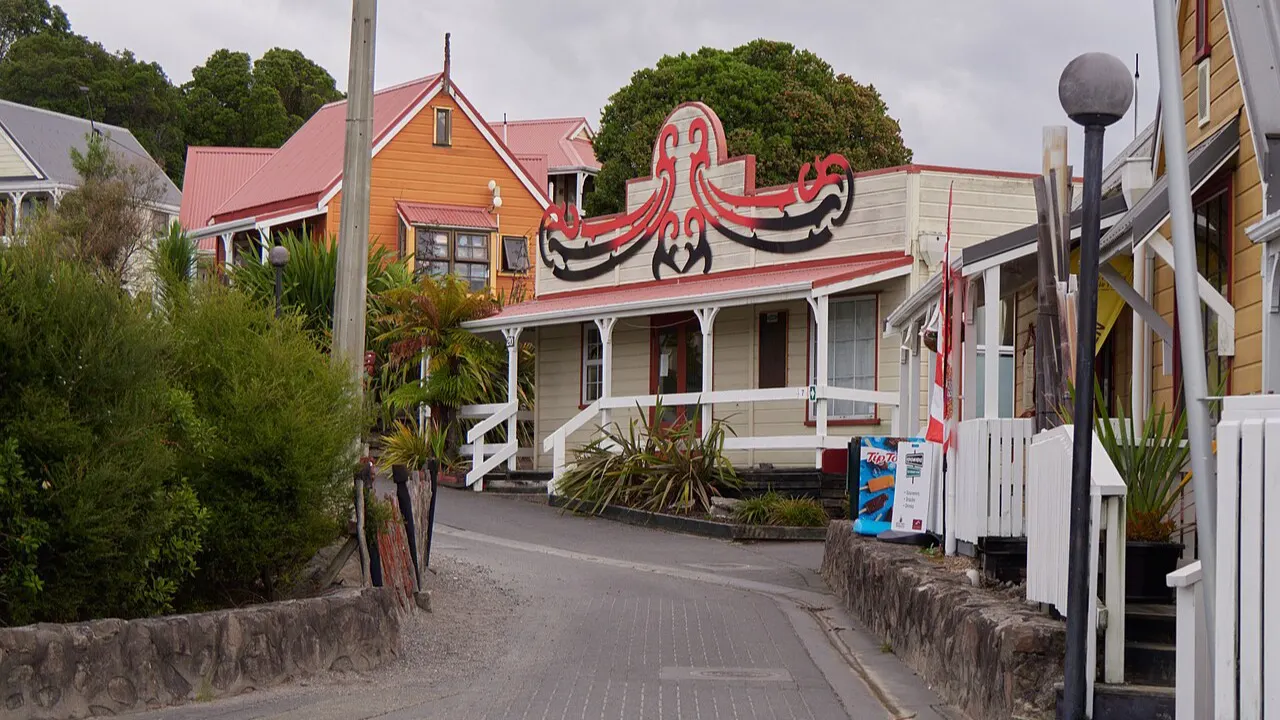
Photo credits: lumoplank (CC0); George Valentine (1852 - 1890) – photographer Born in Scotland. Died in Auckland. Details on Google Art Project (Public domain)
Getting there
Te Wairoa lies near Rotorua in the Bay of Plenty region, close beneath Mount Tarawera. The village site is reached by road from Rotorua and is presented today as an excavated archaeological attraction with walking trails.
Things to do nearby
A side path leaves the main trail and descends through native bush to a waterfall and swimming pool in the gorge below the village, adding a short natural walk to the archaeological visit. Rotorua's geothermal attractions and Lake Tarawera are in the surrounding area.
Highlights
Elevated boardwalks pass restored settler cottages, mill remains and a Māori wharenui (meeting house), partially excavated from the thick mud and ash that buried them. A small museum displays artefacts recovered from the ruins, making this one of New Zealand's most moving archaeological walks.
History & culture
On the night of 10 June 1886, the eruption of Mount Tarawera buried the village of Te Wairoa under several metres of mud and volcanic ash. The village was abandoned, and the excavated remains now tell the story of the disaster and of the Māori and settler community that lived there.
Booking & rules
The site operates as a ticketed attraction combining an outdoor excavated trail with an indoor museum. Opening hours, admission prices and booking details are not stated in the available source; check with the operator before visiting.
About this attraction
On the night of 10 June 1886, the Tarawera eruption buried the village of Te Wairoa under mud and ash, and the site has been excavated into one of the country's most affecting archaeological walks. Raised boardwalks pass restored cottages, a mill site and Maori whare, while the small museum holds artefacts dug from the debris. A side track drops through native bush to a waterfall in the gorge below the village.
Highlights
Follow the excavated village trail with the printed guide in hand, study the artefacts in the small museum, and take the bush loop down to the waterfall gorge before you head off.
Cautions
Paths include steps and stream-side sections that are slippery after rain; artefacts must stay where they lie.
Getting there
Drive about fifteen minutes south-east of Rotorua toward Tarawera; parking at the village entrance.
noda attraction index 67
3.4 / 5
How the attraction index works
Each attraction is scored from five verifiable data points, out of 100. This is an editorial index, not a user rating — it reflects how free, how scenic and how well documented a place is, not anyone's personal experience.
| Free bonus | 20 pts | Completely free 20; small fees (parking, gold-coin koha) 10; expensive tickets 0. |
|---|---|---|
| Scenery uniqueness | 25 pts | World Heritage or landmark-level 25, regional 18, local 12 — each listing is explicitly tiered. |
| Things to do | 20 pts | Ranked by the depth of the highlights write-up: full 20, medium 14, brief 10. |
| Information completeness | 20 pts | 15 for having about, best time, cautions and access notes, minus 4 per missing item; plus 5 for two or more official sources. |
| Accessibility | 15 pts | Reachable by car 15, short walk 12, long tramp required 6. |
Things to do nearby · Events
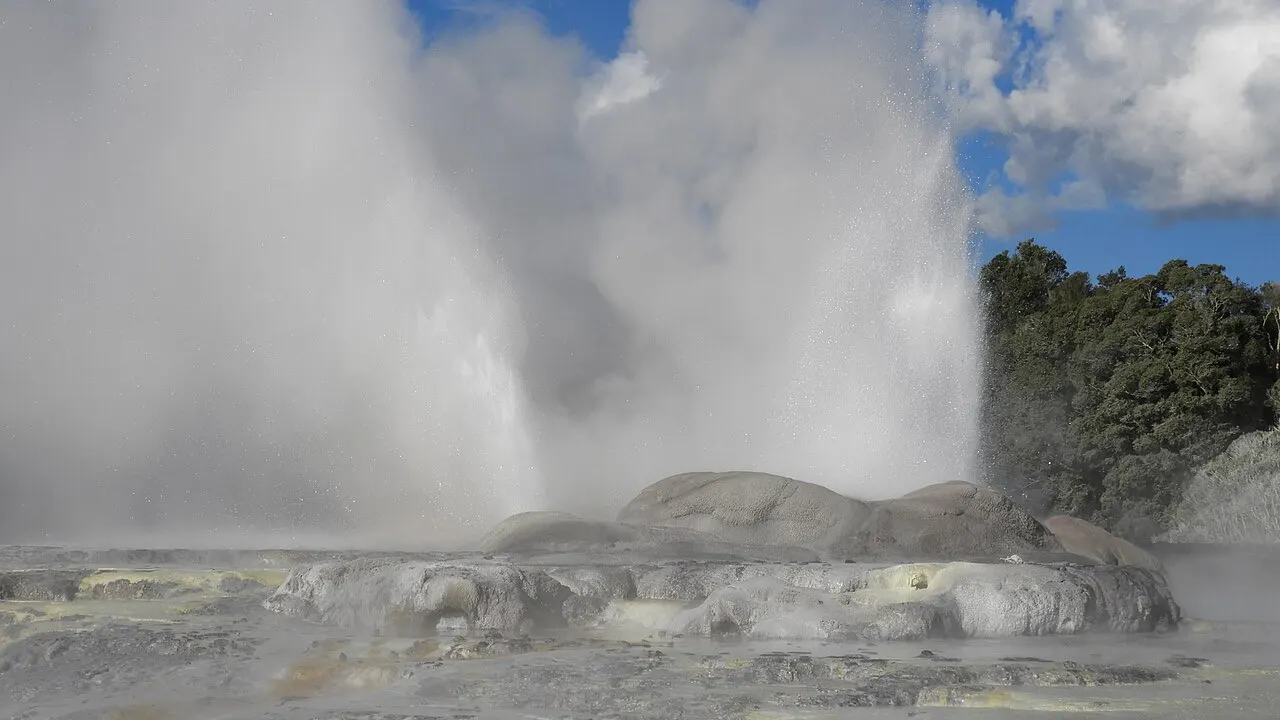 Te Puia
 Paint and Wine Night - Summer in NZ
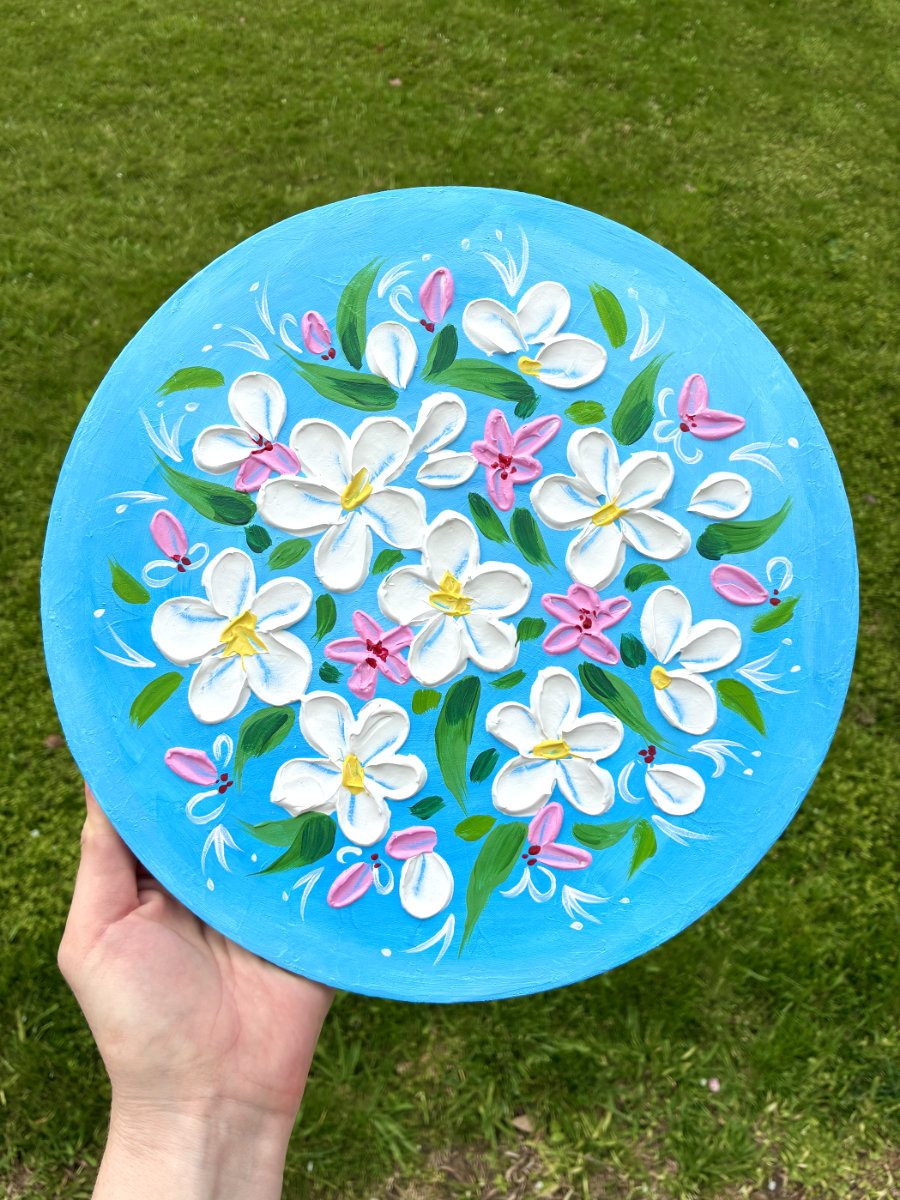 Textured Paint Art and Wine Night - Texture Blossoms
 The Big Bike Film Night 2027
 The Song They Saved - Documentary Screening
 SoundSwell Summer Concert
 Wahine Toa - Womens Adventure Film Festival
 Ngā Waka Whiria: Hauora and Leadership in Construction