Birdlings Flat
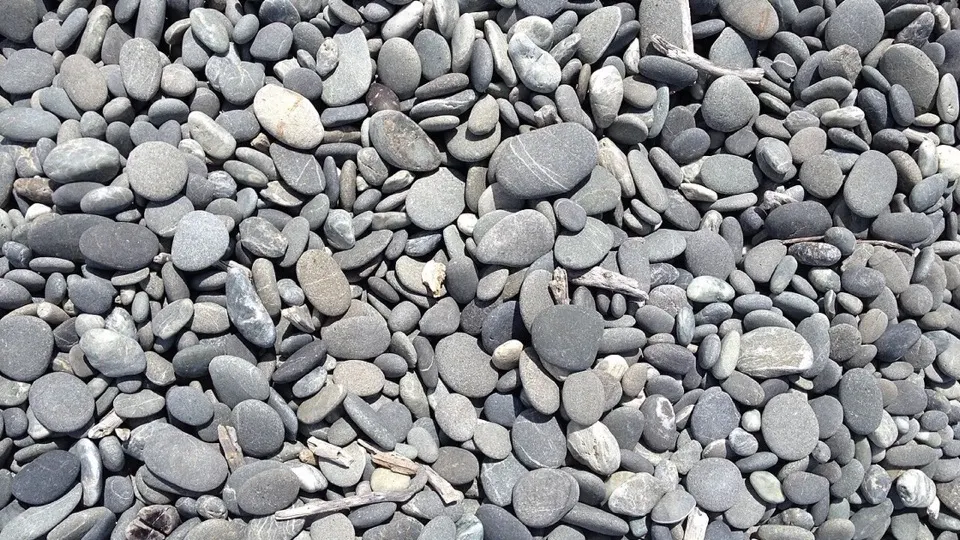
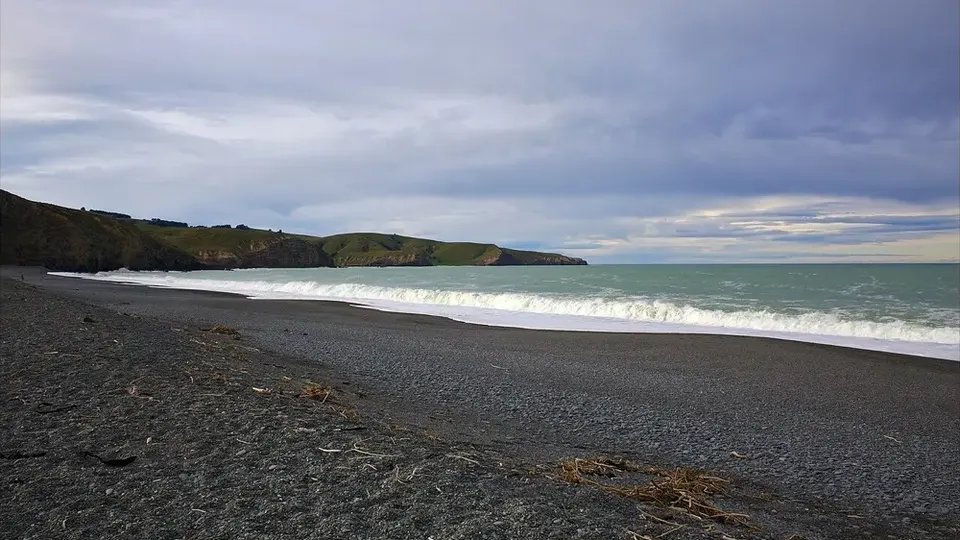
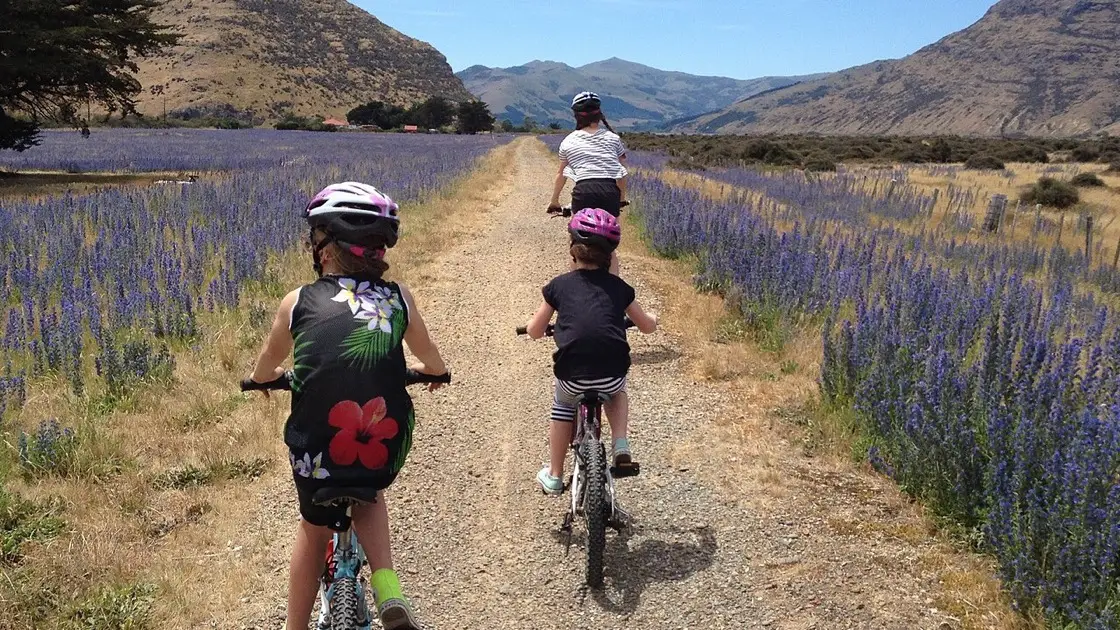
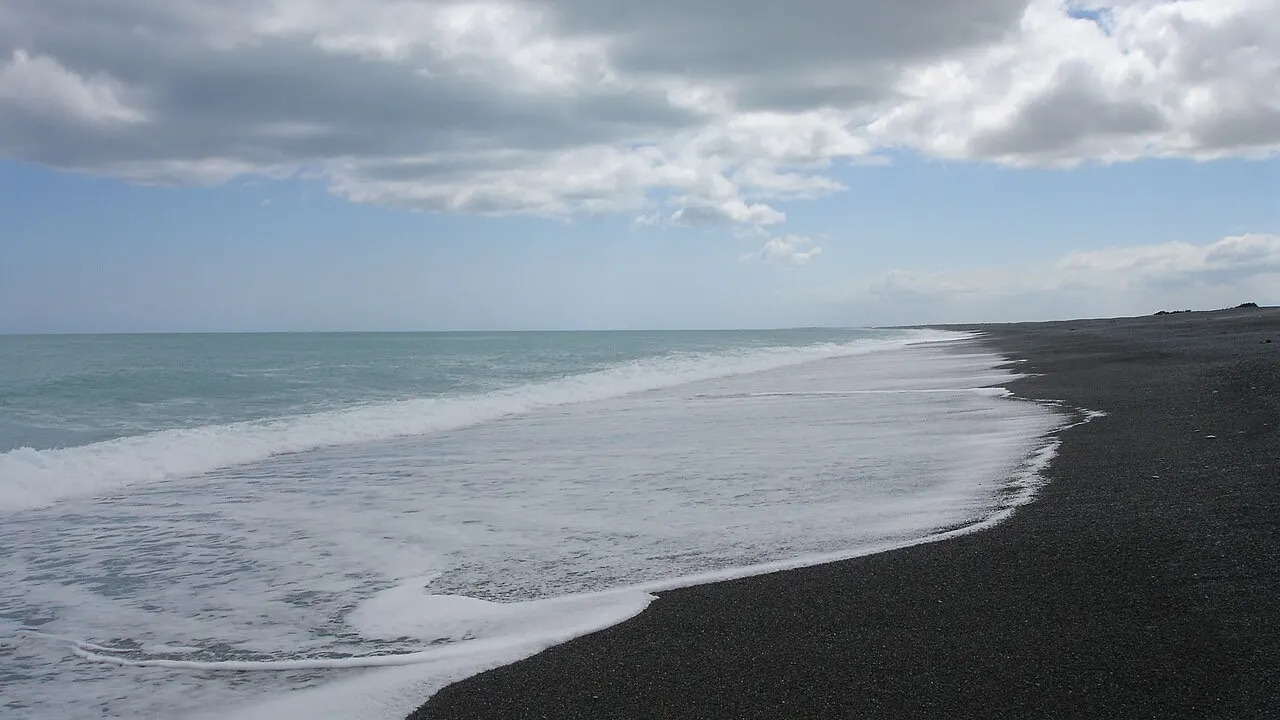
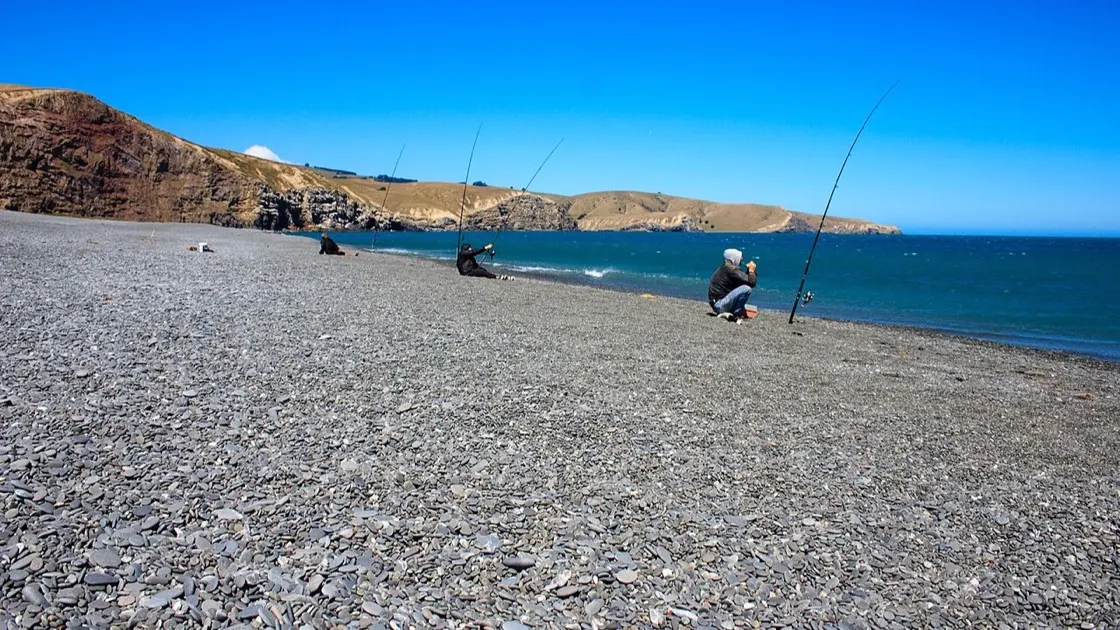
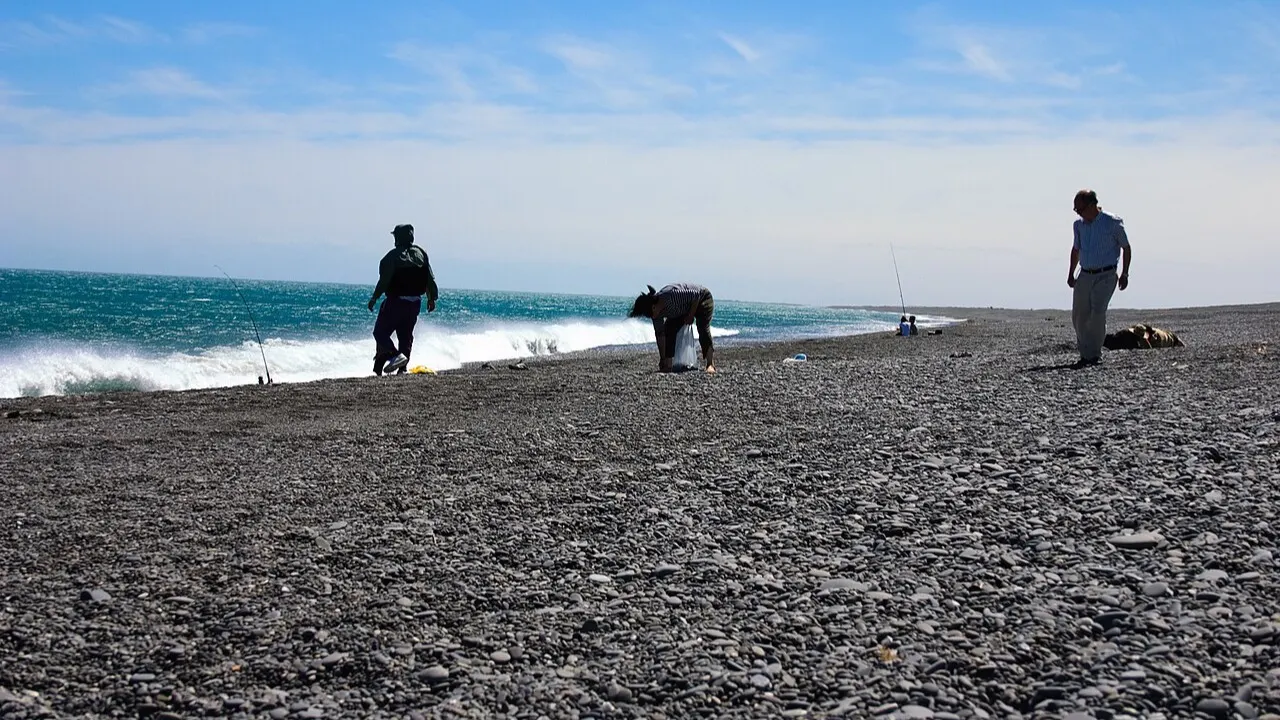
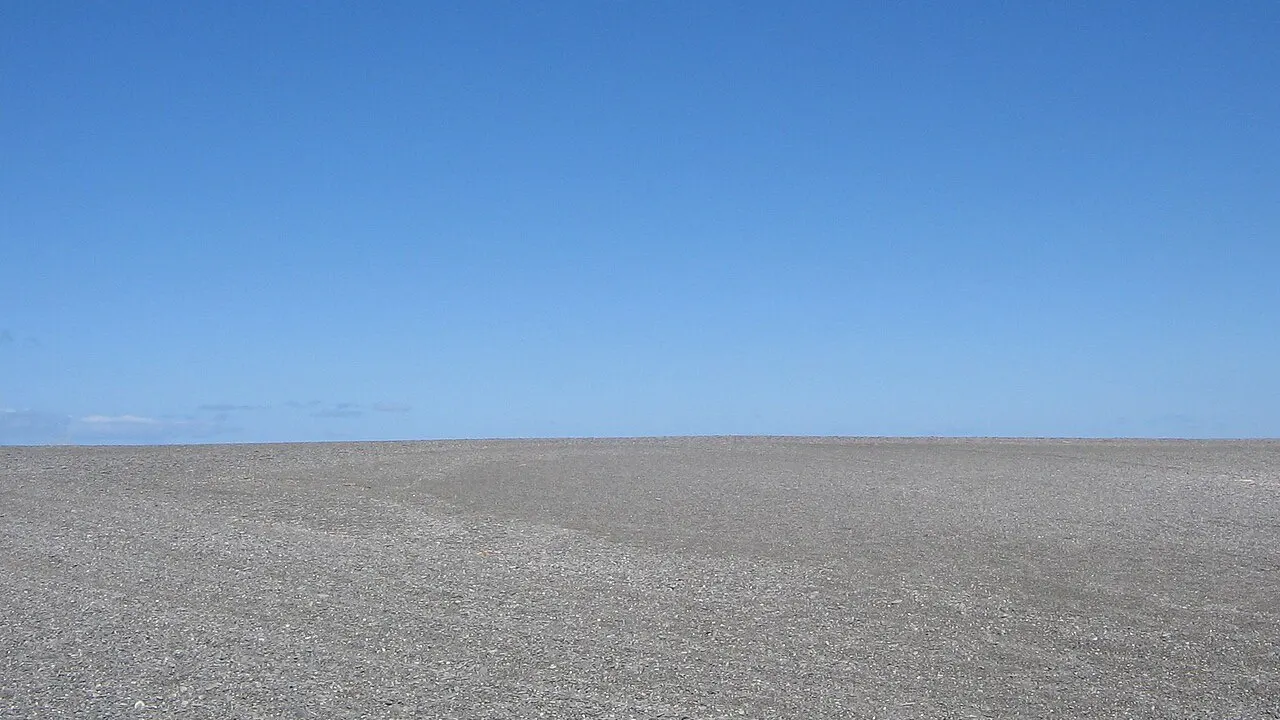
Photo credits: Stuartralston (CC BY-SA 4.0); Daniel Gerhard (CC BY-SA 3.0); Riley from Christchurch, New Zealand (CC BY 2.0); Julia Palmer (CC BY-SA 4.0); Andrew Crump (CC BY 2.0); Aidan (CC BY 2.0); Adrian Price (CC BY 2.0)
Getting there
Birdlings Flat is a small rural settlement of about 240 people in Canterbury, sitting within Christchurch City Council boundaries at the root of Banks Peninsula. It lies at the eastern end of Kaitorete Spit and the southern end of Lake Forsyth, where the lake discharges to the sea through a narrow mouth, and is not far from the eastern end of Lake Ellesmere / Te Waihora. It is roughly a 45-minute drive from Christchurch and makes an easy stop on a Banks Peninsula loop or a trip south.
Things to do nearby
The name Birdlings Flat is also used for the pebble beach on the ocean side of Kaitorete Spit. The beach is famous for fossicking: small agates, carnelian and other attractive rounded pebbles can be found among the stones, especially after the tide drops. The headland is a good spot for watching waves and seabirds, and it can be combined with the nearby Little River Rail Trail, a walking and cycling track built on a former railway formation.
Highlights
The spectacle of Lake Forsyth bursting through its narrow mouth to the sea is the area's signature event. The beach's wave-polished pebbles reward patient collectors, and the coastal waters are rich in wildlife: Hector's dolphins live along the beach in notable numbers, fur seals and southern right whales pass through, and elephant seals occasionally rest on the shore. Strong currents mean swimming and surfing are not advised — this is a beach for strolling, stone-hunting and watching, not for a dip.
History & culture
The settlement was originally named Te Mata Hapuku. It takes its current name from the Birdling family, the first European settlers to farm the area; William Birdling arrived in 1843, employed by George Rhodes as overseer on Banks Peninsula, and built a house called Waikoko. A branch railway reached Birdlings Flat from Lincoln in 1882 (the Little River Branch) and served the settlement until it closed in 1962. The site was later used by the University of Canterbury for a meteorological research station and as a launch site for sounding rockets.
Booking & rules
Birdlings Flat is a free, open coastal settlement with no entry fees, bookings or formal opening hours; a day visit is best timed around low tide for stone collecting. Take care: the beach stones are slippery and the surf is rough, so keep children close to the rocks and well back from the water. There are no shops or facilities of note in the small settlement, so bring your own food, water and a bucket for your finds.
About this attraction
Birdlings Flat sits at the root of Banks Peninsula where Lake Forsyth squeezes past a shingle bar into the sea. Wave-polished pebbles hide agates, carnelian and jasper, and generations of Cantabrians have trawled the beach with buckets after fresh tides. The narrow outlet opens dramatically at times, and the headland gives wave and seabird watching. Swimming is off the agenda — the shore is steep and the surf rough — but stone-hunters can happily lose a day; it is about 45 minutes from Christchurch.
Highlights
Hunt agates on the fresh-turned shingle after the tide, bring a bucket for your finds, and watch waves hammer the pebble bank from the headland.
Cautions
No swimming — the shore is steep with heavy surf; the shingle shifts underfoot so wear grippy shoes; keep clear of the outlet when the lake is opened to the sea.
Getting there
About 45 minutes by car from Christchurch with free roadside parking; no practical public transport.
noda attraction index 67
3.4 / 5
How the attraction index works
Each attraction is scored from five verifiable data points, out of 100. This is an editorial index, not a user rating — it reflects how free, how scenic and how well documented a place is, not anyone's personal experience.
| Free bonus | 20 pts | Completely free 20; small fees (parking, gold-coin koha) 10; expensive tickets 0. |
|---|---|---|
| Scenery uniqueness | 25 pts | World Heritage or landmark-level 25, regional 18, local 12 — each listing is explicitly tiered. |
| Things to do | 20 pts | Ranked by the depth of the highlights write-up: full 20, medium 14, brief 10. |
| Information completeness | 20 pts | 15 for having about, best time, cautions and access notes, minus 4 per missing item; plus 5 for two or more official sources. |
| Accessibility | 15 pts | Reachable by car 15, short walk 12, long tramp required 6. |
Things to do nearby · Events
 Korea Day 2026
 Junk Band Jam Workshop
 Pole Legends 2026
 Re-Percussion 2026
 The Mystic Muses at Christchurch Folk Music Club
 Vivaldi's Four Seasons Children's Interactive Concert - Summer
 Ngā Waka Whiria: Hauora and Leadership in Construction
 FREE Webinar | A Better Future for NZ Communities