Arrowtown
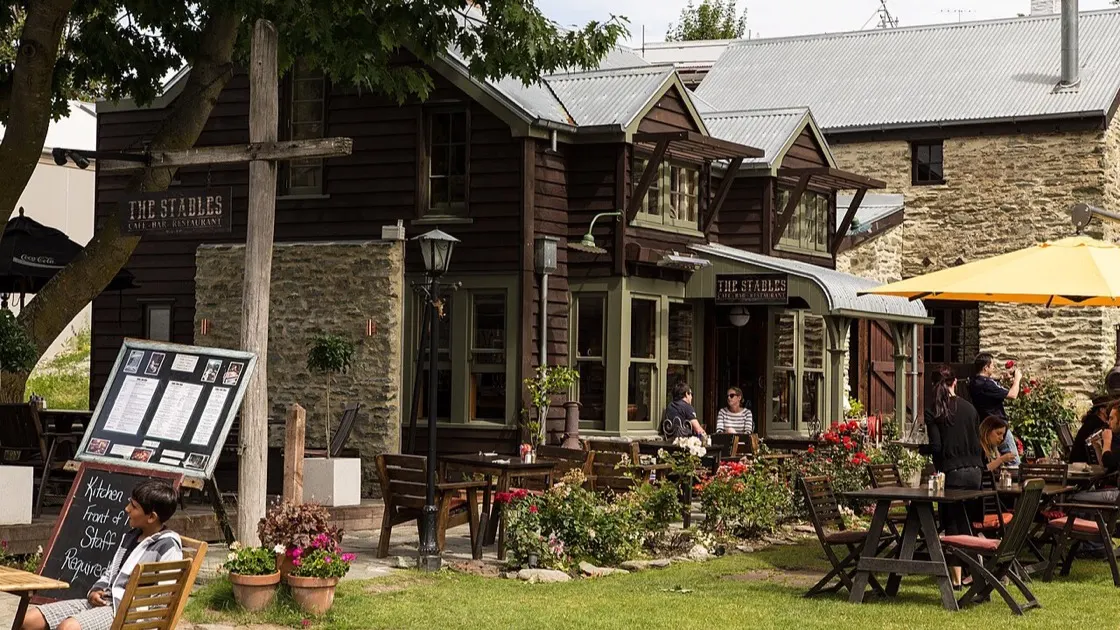
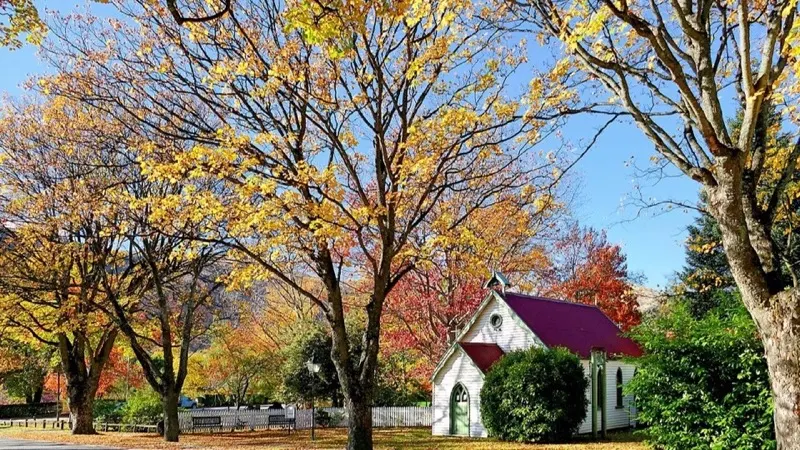
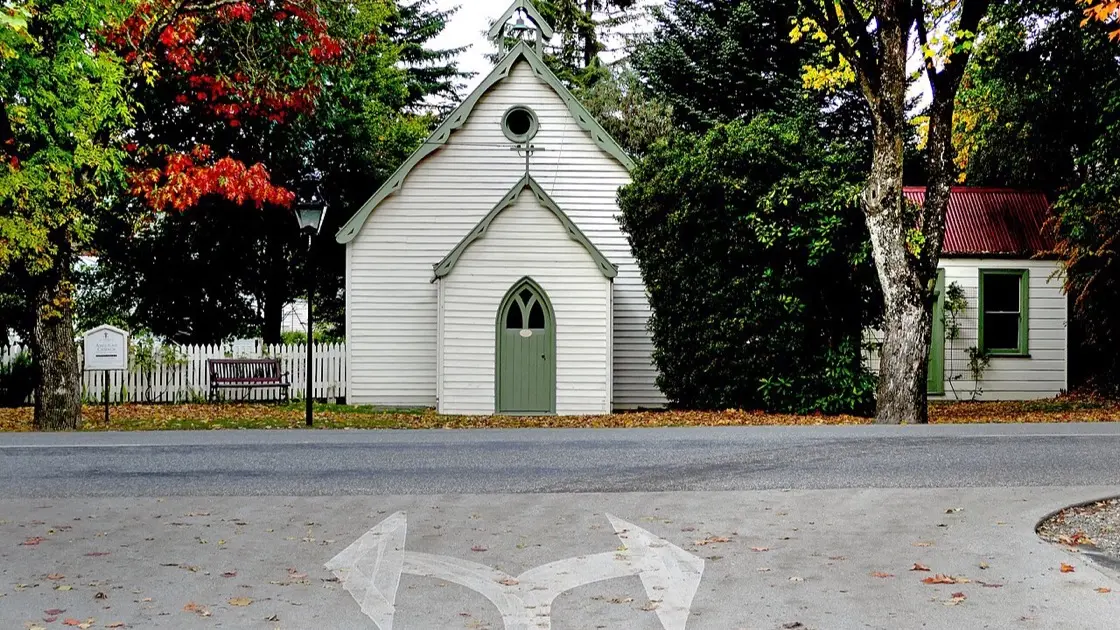
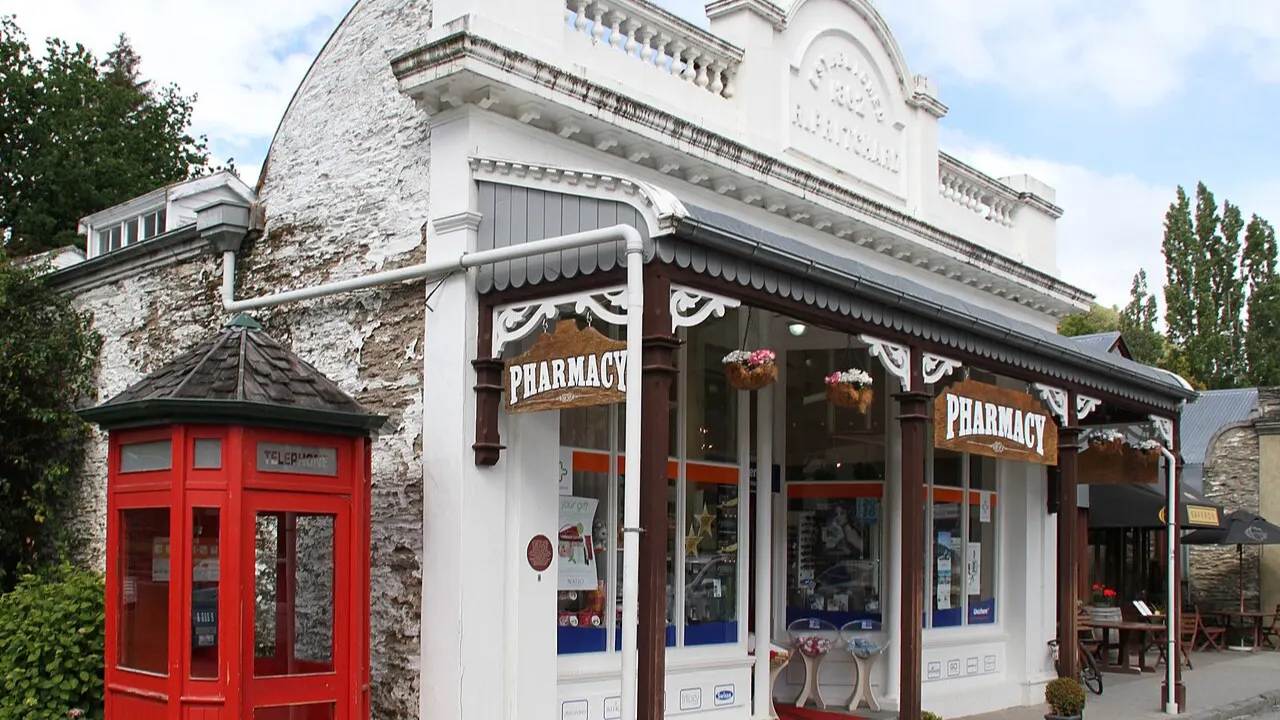
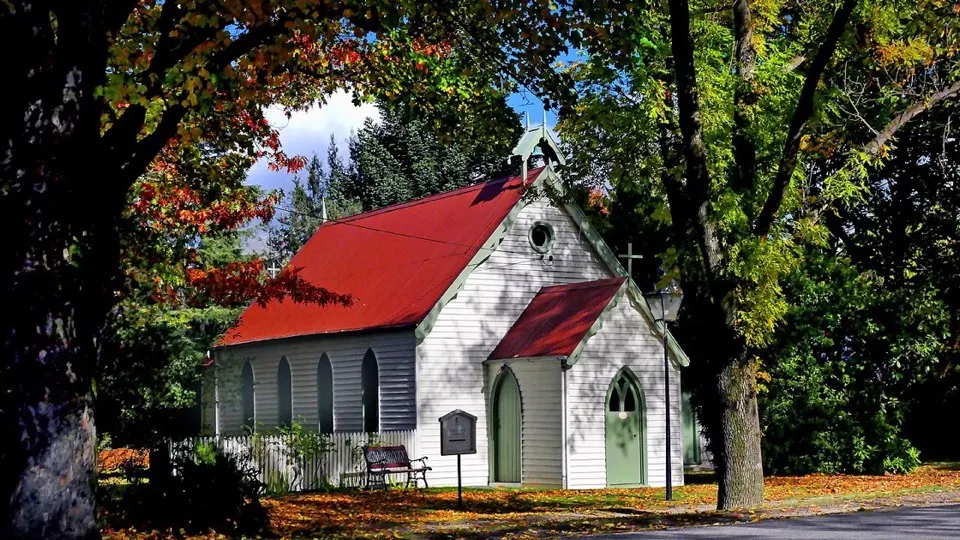
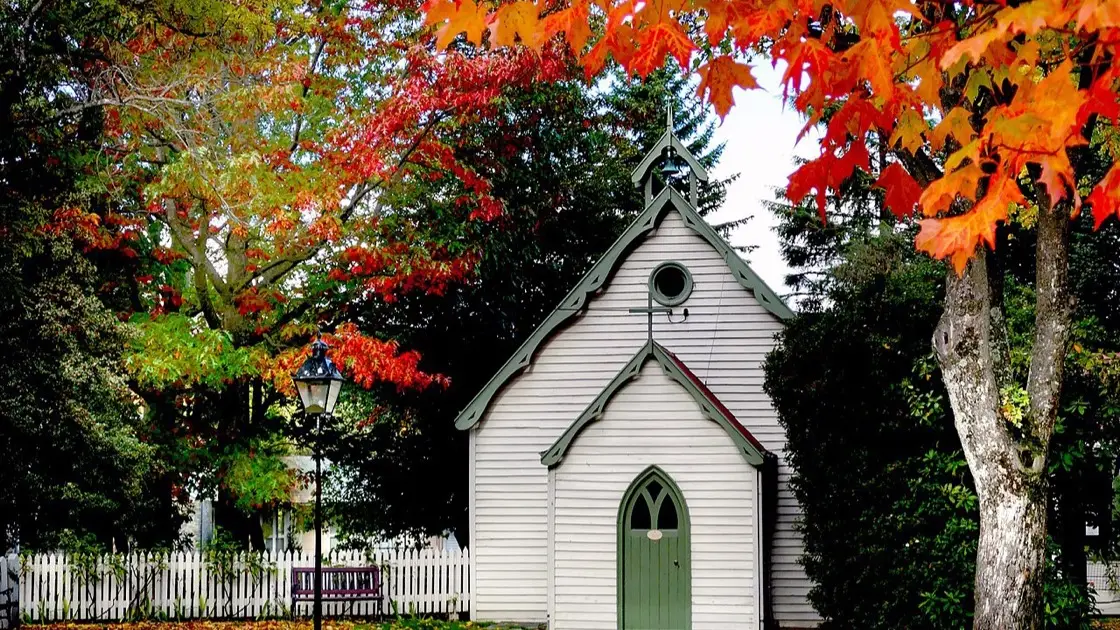
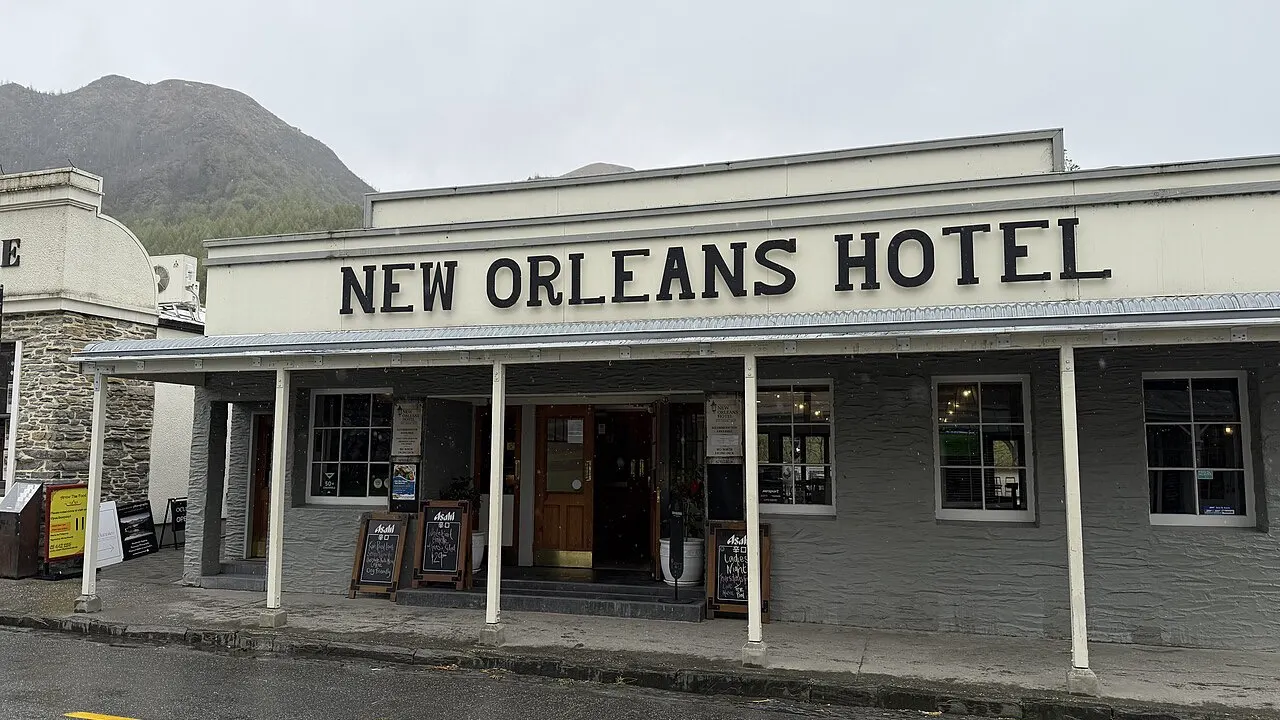
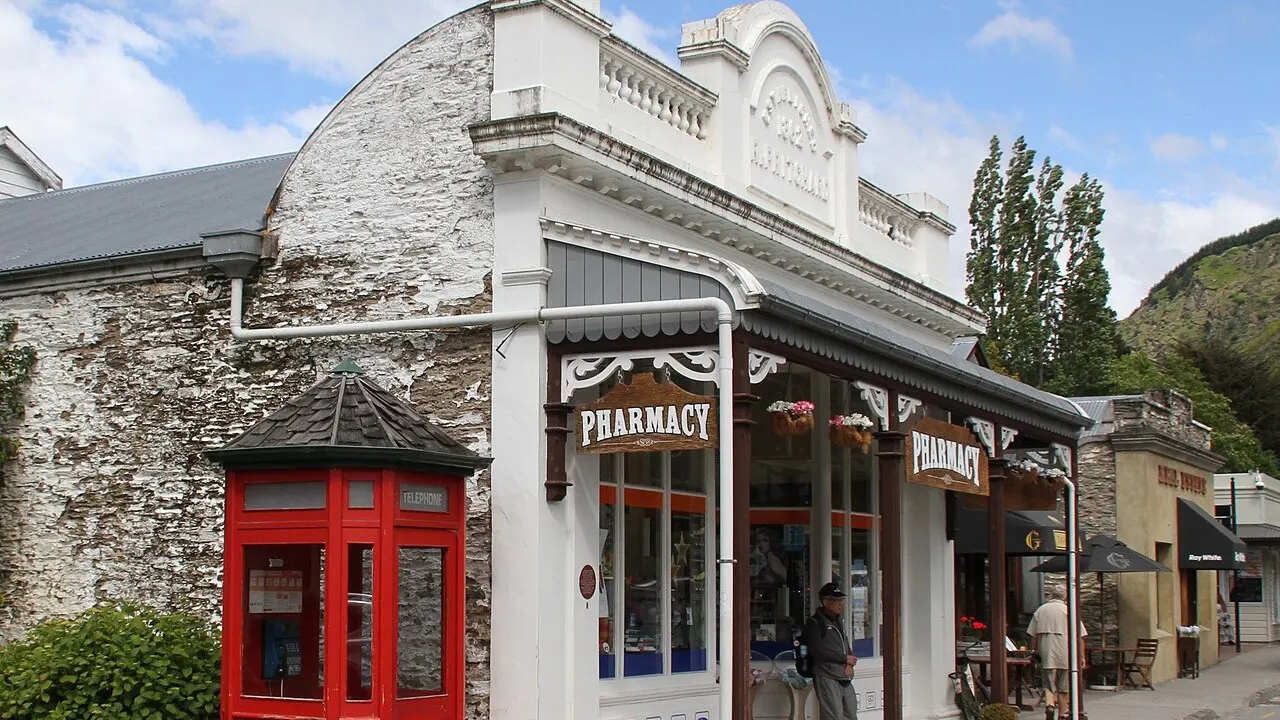
Photo credits: Florian Bugiel (CC BY-SA 2.0); Bernard Spragg. NZ from Christchurch, New Zealand (Public domain); Tony Hisgett from Birmingham, UK (CC BY 2.0); Nolabob (CC0); Vincent60030 (CC BY-SA 4.0)
Getting there
Arrowtown (Māori: Kā-muriwai) is a historic gold mining town in the Otago region of the South Island, on the banks of the Arrow River (Haehaenui), about 7.5 km from State Highway 6 and 19.5 km east of Queenstown. It is reached from SH6 at Arrow Junction, or from Queenstown via Arthurs Point or Lake Hayes. Buckingham Street, the main shopping street, sits at 410 metres above sea level.
Things to do nearby
Along the Arrow River you can try gold panning and follow short riverside paths. Mountain bikers have excellent options: the 110 km Queenstown Trail, the popular 16 km Lake Hayes loop, and the Arrow River bridges trail, which follows the river and finishes in the Gibbston wine area. The Lakes District Museum, housed in a collection of historic buildings, details local gold mining and early settler history.
Highlights
Buckingham Street's 19th-century banks, hotels and shops survive largely unaltered, and in autumn the poplar trees at the end of the street turn gold — one of New Zealand's most famous seasonal images. The town won "most beautiful small town" in the 2020 Keep New Zealand Beautiful awards. Don't miss the restored Chinese miners' huts by Bush Creek, including Ah Lum's store, or the historic churches of Berkshire and Hertford Streets.
History & culture
In August 1862 Jack Tewa ("Māori Jack") found gold in the Arrow River and a township of 800 miners sprang up within months; at the peak of the gold rush the population exceeded 7,000, serving as the centre for the now-ghost-towns of Macetown, Skippers Canyon and Bullendale. Chinese settlers who arrived in the 1870s were made to live in huts on Bush Creek — their restored settlement stands today. Arrowtown was constituted a borough in 1867, and the local iwi is Ngāi Tahu.
Booking & rules
The town is free to visit at any time. The annual Arrowtown Autumn Festival is held every April (2024 was the 39th edition), featuring a street parade, gold panning championships, vintage cars and market stalls; Matariki Arrowtown Lights is a one-day light-projection event down Buckingham Street. The Arrowtown Memorial Pool runs from late November to early March. Strict appearance covenants protect the town's historic look.
About this attraction
Arrowtown is a living relic of the Otago gold rushes: the banks, hotels and shops along Buckingham Street still stand in their 19th-century form, and for a few weeks in late autumn the poplar avenue at the end of the street turns gold — one of the most photographed scenes in the country. At the creek edge, the restored Chinese miners’ settlement records an important chapter of migrant labour history. Cafés, galleries and small boutiques fill the old buildings, the river flats hide short walks and gold-panning spots, and Queenstown is barely 20 minutes away — an easy half-day with room to linger.
Highlights
Walk Buckingham Street's preserved storefronts, explore the Chinese miners' settlement by the creek, try gold-panning, and come back in late April when the poplar avenue turns gold.
Cautions
Autumn weekends fill the car parks early — arrive or share a ride; the Chinese settlement is a heritage site, so stay off the cottage walls; pan for gold only in permitted river areas.
Getting there
About a 20-minute drive from central Queenstown via Frankton or the Lake Hayes road; regular buses and tour shuttles also run, and the village itself is compact on foot.
Bookable experiences
 Arrowtown Electric Bike HireView on Viator
 Arrowtown and Wanaka Highlights Tour from QueenstownView on Viator
 Arrowtown & Gibbston Tour, Lord of the Rings Film LocationsView on GetYourGuide
 Arrowtown to Queenstown Full-Day Bike AdventureView on Viator
Prices are reference starting prices; final price on Viator / GetYourGuide
noda attraction index 88
4.4 / 5
How the attraction index works
Each attraction is scored from five verifiable data points, out of 100. This is an editorial index, not a user rating — it reflects how free, how scenic and how well documented a place is, not anyone's personal experience.
| Free bonus | 20 pts | Completely free 20; small fees (parking, gold-coin koha) 10; expensive tickets 0. |
|---|---|---|
| Scenery uniqueness | 25 pts | World Heritage or landmark-level 25, regional 18, local 12 — each listing is explicitly tiered. |
| Things to do | 20 pts | Ranked by the depth of the highlights write-up: full 20, medium 14, brief 10. |
| Information completeness | 20 pts | 15 for having about, best time, cautions and access notes, minus 4 per missing item; plus 5 for two or more official sources. |
| Accessibility | 15 pts | Reachable by car 15, short walk 12, long tramp required 6. |
Things to do nearby · Events
 Christmas in the Mediterranean
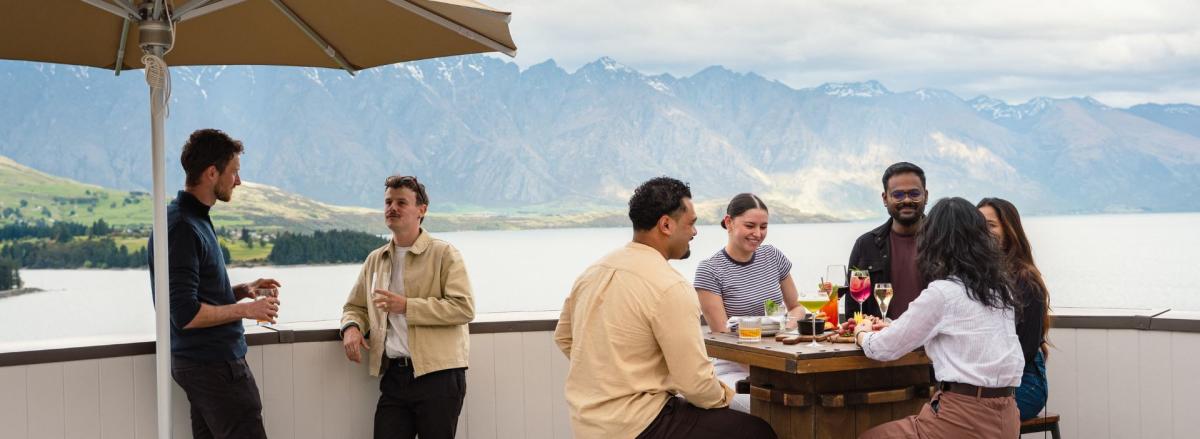 Scapegrace Rooftop
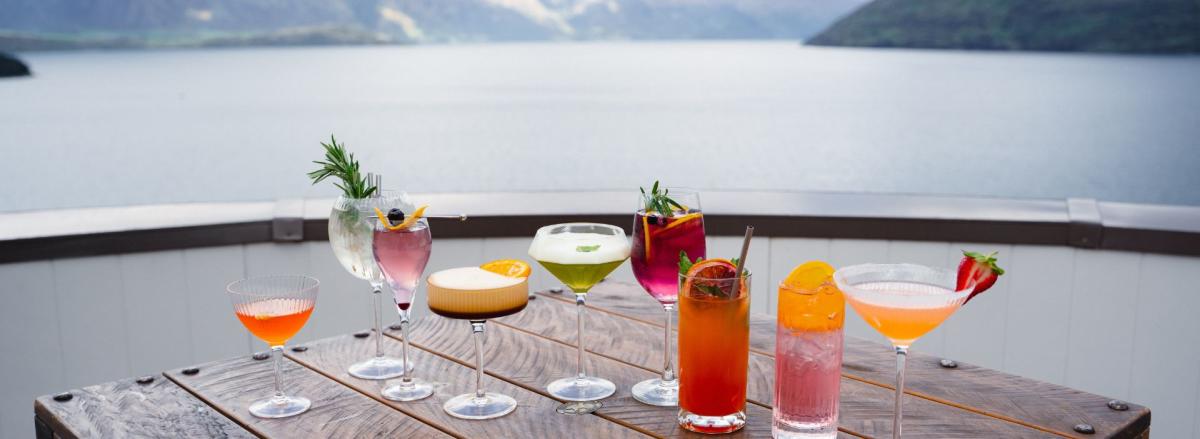 New Year's Eve at Scapegrace Rooftop
- The Playground, Queenstown
 Czechoslovakian Dance Ball Queenstown
 Christmas Dinner at threeSixty
 FREE Webinar | A Better Future for NZ Communities
 Ngā Waka Whiria: Hauora and Leadership in Construction