US loses measles-free status as cases, deaths mount
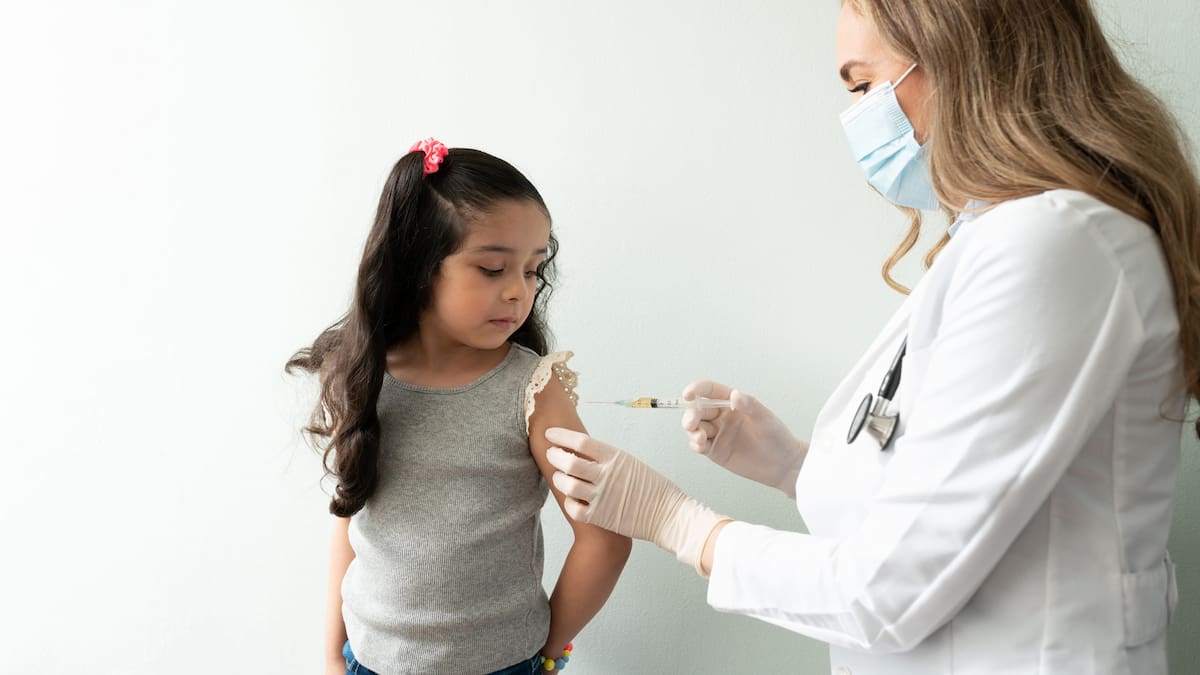
Vaccination among US young children was below 93% in 2025. Photo / 123rf
The United States has lost its long-held status of having eradicated measles, as declining vaccination rates have seen cases of the deadly and highly contagious virus soar across the country, the Pan American Health Organisation (Paho) has announced.
Mexico and Bolivia have also lost their statuses, Paho director Jarbas Barbosa
told a virtual press briefing, while Guatemala is at risk of losing its designation following its own major spike in cases this year.
The outbreak in the United States – its worst in over three decades, with more than 5400 cases reported this year – has prompted criticism of the Trump administration’s handling of the crisis.
Medical experts have accused US President Donald Trump and his health secretary, noted vaccine sceptic Robert F. Kennedy jnr, of fanning distrust in vaccinations by repeatedly highlighting unfounded safety concerns.
The vast majority of cases have occurred among unvaccinated people. At least 12 deaths have been reported since 2025 – when the disease came roaring back – mainly in young children.
Advertise with NZME.
Advertise with NZME.
Kennedy vowed to “stop measles outbreaks, protect American families, and work to regain US measles elimination status”.
“I continue to recommend MMR vaccination as the most effective way to prevent measles,” he wrote on X, referring to measles, mumps and rubella.
Trump notably signed an executive order, alongside Kennedy, earlier this year calling for the combination MMR vaccine – the standard in the United States – to be separated into individual shots, a move broadly opposed by physician groups as unnecessary and dangerous for public health.
Advertise with NZME.
“It’s shameful, it’s sad, it’s scandalous,” Hakeem Jeffries, the top Democrat in the US House of Representatives, told reporters regarding the elimination status being rescinded.
“It’s a direct result of the policies that have been pursued by the secretary of Health and Human Services [Kennedy]: the vaccine denial, the failure to rely on science, and the fact that communities across the country ... have been put into harm’s way.”
Measles elimination status does not mean there are no cases at all, but that there has been no sustained spread of the virus for more than a year.
‘Year after year’
“For more than a generation, the United States kept measles at bay by vaccinating children, tracking the disease and responding quickly when cases emerged,” American Academy of Paediatrics president Andrew Racine said, adding that the disease’s re-emergence is a “preventable failure to protect children”.
Canada has shown progress in attacking its outbreak, with two consecutive months of no new cases, Paho director Barbosa said, noting the trend must continue for a full year to regain its status.
Advertise with NZME.
Measles causes fever, respiratory symptoms and a rash, and in some cases more serious complications such as pneumonia and brain inflammation, which can lead to severe long-term health problems or death.
The virus is transmitted through the air and is extremely contagious, remaining airborne for up to two hours after an infected person has left the area.
To curb its spread, experts say that the vaccination rate must hit at least 95% of the population. However, in the United States, the vaccination rate among kindergarten students was below 93% in 2025, with much lower rates in some local areas, especially among some conservative religious communities.
Several of the deaths in Pennsylvania and one death in New York have reportedly occurred among the Amish community.
Before the vaccine was developed in the early 1960s, measles killed hundreds of children each year across the US. It continues to claim tens of thousands of lives worldwide.
Advertise with NZME.
Paul Offit, an American paediatrician specialising in infectious diseases, warned before the Paho’s official announcement that measles cases would continue to spread unless vaccination rates return to higher levels.
“It’s going to be back next year and the year after that. And until we get immunisation rates up, it’s going to continue to be back,” he told AFP.
- AFP
Save
Share
Latest from World
World
'So what?' Uproar as French TV anchor reveals guest's relationship status
18 Nov 03:08 PM
World
Thomas Markle facing further allegations over child abuse material
18 Nov 11:58 AM
World
'A visual feast': Kiwi gamers first in the world to play GTA 6
18 Nov 11:17 AM
Auckland’s gridlock fix: Small changes, big gains
15 Nov 03:00 PM
Advertise with NZME.