Election 2026: Plea to next Government to ‘put children first’ in open letter from advocacy groups
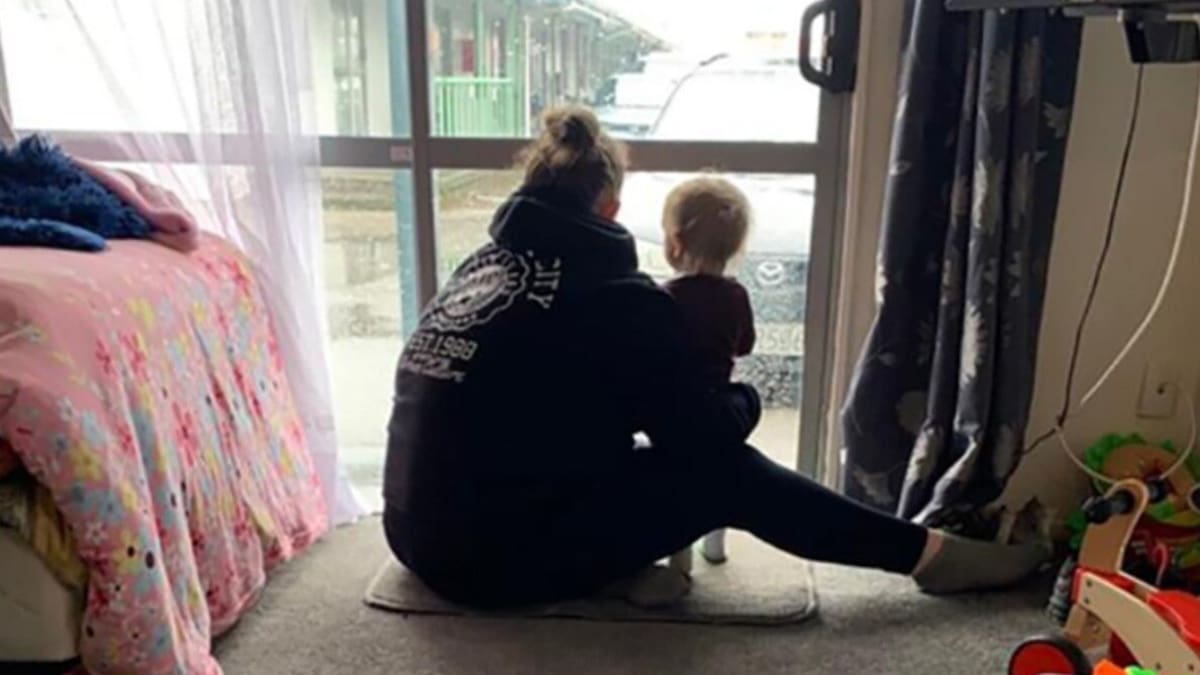
About 20% of New Zealand children live below the poverty line, with another 13% struggling in what the Child Poverty Action Group calls "extreme poverty". Photo / Child Poverty Action Group
As the next round of ministerial portfolios gets divvied up in coalition negotiations in the next week, there’s a plea for children to be put first by whoever forms the next Government.
A range of advocacy groups has signed an open letter to the next Government, penned by the Child
Poverty Action Group.
“Make reducing child poverty a central objective of coalition negotiations and any agreement to form a government,” the letter says.
“Not a side issue. Not an aspiration. Not a talking point. A measurable commitment.”
Louise Upston is currently the Minister for Child Poverty Reduction, a role created by the Labour-led Government in 2017.
Advertise with NZME.
The final vote count is set to be finalised and released by the Electoral Commission this week, with results to be released on Friday.
After those are released, the coalition negotiations can begin.
The Herald has selected a range of portfolios and talked to interest groups about what they would like their next minister to focus on. Today, we look at social issues and tomorrow we will analyse economic portfolios.
Advertise with NZME.
Even if the current caretaker coalition Government is returned, there will be a change in a number of ministerial roles, due to departures from Parliament (some forced, some voluntary).
The Child Poverty Action Group’s Lyn Amos felt the issue hadn’t been spoken much about during the election campaign.
“We are urging all political leaders to make addressing reducing child poverty central in their coalition negotiations,” she told the Herald.
“The reason why we are focused on the Government involvement in reducing child poverty is we know that policies work. We know they have worked. Back in 2018 to 2022, when there was a concerted effort to reduce child poverty, their policies were brought into place, but mostly around incomes at the lower end of the socioeconomic areas of our society. And we saw numbers of tamariki [children] living in material hardship, over that period of time, reduce by almost 30,000.
“And conversely, from 2022 to 2025, we saw them increase by almost 50,000 as we saw the clawbacks to these previous policies and the erosion of them.”
Thirteen groups have signed the letter, including Action Station, Methodist Mission Northern, the New Zealand College of Public Health and the Lifewise Trust.
“Each of your parties will seek wins at the negotiating table. We challenge you to secure one that matters beyond politics: a credible plan that delivers a sustained reduction in child poverty over the next three years,” the letter says.
“Imagine the legacy of being the leaders who put children ahead of partisan interest. That is a victory every party could claim. That is leadership.”
Advertise with NZME.
Amos said it was estimated child poverty is costing between $13-$18 billion a year.
“The most expensive option is to not do anything.”
She said the solutions were raising incomes, more social housing and free GP visits for all children up to the age of 18.
This is what advocacy groups are looking for by departmental category.
Arts, Culture and Heritage
Current minister: Paul Goldsmith (now out of Parliament)
Museums Aotearoa chief executive Jaenine Parkinson: “We are calling on the incoming minister to seek sustainable funding partnerships for museums and galleries, investment in cultural infrastructure, stronger central and local government partnerships, and greater recognition of the sector within national tourism and education strategies.
“The sector is looking for a government willing to work alongside it and recognise the long-term value of investing in culture and heritage.
“We want to work with the next minister and Government to find practical solutions to the challenges facing the sector. But we need someone prepared to lead that conversation and ensure museums and galleries have a meaningful place in the decisions shaping New Zealand’s future.”
Climate Change
Current minister: Simon Watts
Aotearoa Circle chief executive Alec Tang: “Since we launched our Natural Infrastructure Plan in March, we’ve continued to have valuable dialogue with both our public and private sector partners about how nature-based solutions can help address Aotearoa NZ’s mounting infrastructure challenges, fuel our long-term economic prosperity and strengthen our national resilience.
“There’s ample evidence that restoring wetlands, for example, can deliver both economic and environmental benefits such as reducing the cost of flood damage, supporting local jobs and improving water quality. We’re looking forward to continuing this work and realising the opportunities that investment in natural infrastructure can offer both our economy and nature as we head into 2027.”
Disability Issues
Current minister: Louise Upston
CCS Disability Action chief executive Mel Smith: “Our message to the next Minister for Disability Issues is simple: trust disabled people to know what would make the biggest difference in their lives and give them a real say in how support works.
“At CCS Disability Action, we’re hearing from people whose disability support has been cut and from others who wait years for essentials like an accessible home.
“Start by making it easier for disabled people and whānau to get financial help with disability-related costs and make sure that it covers the additional costs they face. Fund disability support so people can get the day-to-day support they need. And invest in removing the barriers that shut people out of local schools, workplaces and community life.
“The disability community has already set out a way forward through Enabling Good Lives principles. We invite the incoming minister to work to really understand these.”
Education
**Current minister: Eri