Mediterranean Garden
Where: Mediterranean Garden, Maps
Getting there
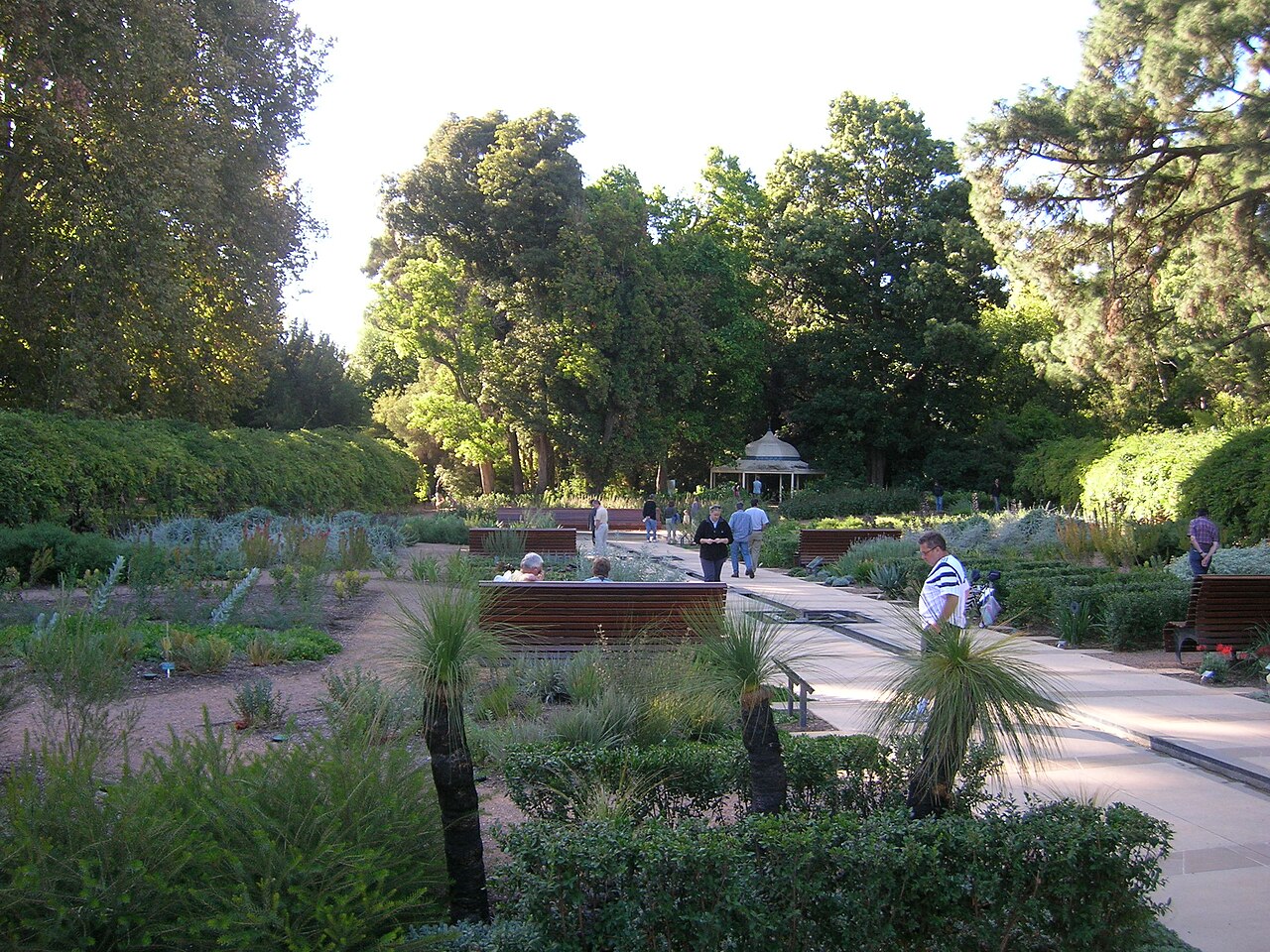
Tucked into the northern garden precinct of Dunedin, this specialised garden sits within the city's wider botanical grounds and is easy to combine with a broader visit. Casual strollers and garden enthusiasts can reach it on foot through the surrounding plantings, with gravel paths leading directly to the beds.
Things to do nearby
It works best as part of a longer circuit of the surrounding botanical grounds, where the lush temperate collections offer a striking contrast to the Mediterranean beds' silver-grey dryness. Afterwards, Dunedin's established garden culture and the wider northern suburb provide pleasant surroundings to continue exploring.
Highlights
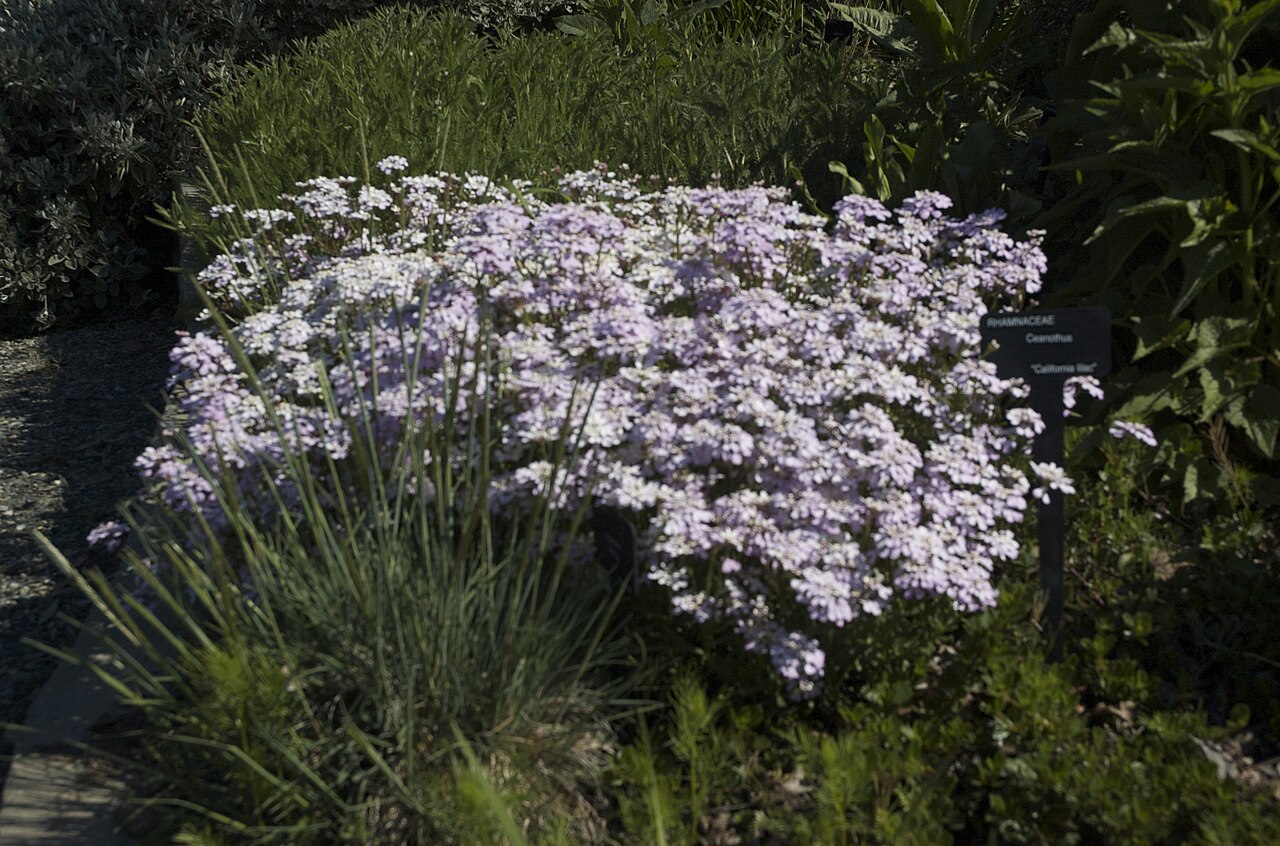
Raised beds and fast-draining gravelly soil recreate Mediterranean-basin conditions in a climate that is otherwise too damp, letting lavender, rosemary, olive-like trees and silver-leafed shrubs thrive in a sheltered, sun-warmed corner. Texture and silver foliage matter more than loud colour: aromatic herbs release scent as you pass, gravel crunches underfoot, and low perennials spill over bed edges in summer heat. Late spring to summer is the peak, with bees filling the air; autumn rewards with strong plant silhouettes and winter keeps a sculptural structure. Photographers, slow wanderers and home gardeners seeking ideas for a dry, sunny spot will find it especially rewarding.
History & culture
The garden reflects the long New Zealand tradition of trial-growing plants from the world's Mediterranean climate zones — southern Europe, California, South Africa and parts of Australia — which share hot dry summers and mild wet winters. For a city with deep Scottish settler roots and a proud gardening culture, it shows how gardeners adapt global flora to local conditions, and it serves an educational role in demonstrating which plants cope with drought, sea wind and quick-draining soils.
Booking & rules
Entry is free, and fine sunny days are best for feeling the warmth held by the raised beds; morning light is particularly good for photography. Wear comfortable shoes for the gravel paths, allow the quietest experience in winter, and plan a visit in late spring or summer to see the lavender and other Mediterranean plants at their flowering peak.
Source: https://www.openstreetmap.org/way/683628367