Thomas Bracken Memorial
Where: Thomas Bracken Memorial, Maps
Getting there
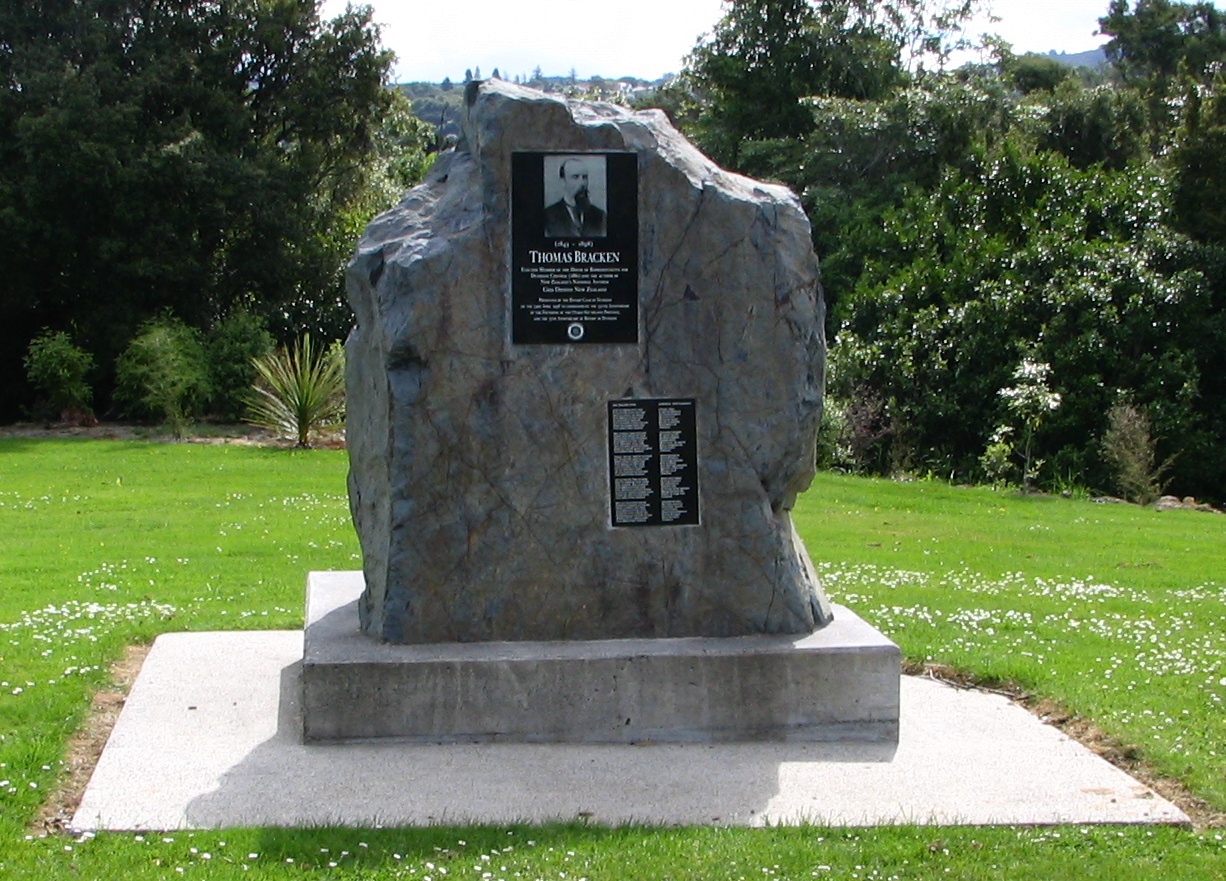
This stone memorial stands on a sunlit slope of Dunedin's Northern Cemetery, marking the grave of the poet and journalist Thomas Bracken. The cemetery occupies a hillside on the city's northern edge, reached via winding streets up from the town centre; paths lead through the grounds to the grave, which enjoys a broad vantage point over Dunedin and Otago Harbour.
Things to do nearby
The surrounding cemetery is one of Dunedin's significant historic heritage sites, holding the graves of many notable colonial-era figures alongside ordinary citizens. Walking its paths among Victorian headstones and tall old trees reads like a chronicle of the city's early settler society, so a visit easily extends beyond Bracken's memorial to these neighbouring monuments.
Highlights
The memorial is a simple stone monument with a commemorative plaque, set on an open slope with sweeping views of the harbour and rooftops. Wind and birdsong are often the only sounds. Seasonal character is strong: spring wildflowers dot the grass, summer brings dense shade suited to quiet reflection, and autumn and winter mists over the hillside give the site a bleak poetry fitting a poet's memorial. It suits visitors drawn to literature, history and stillness.
History & culture
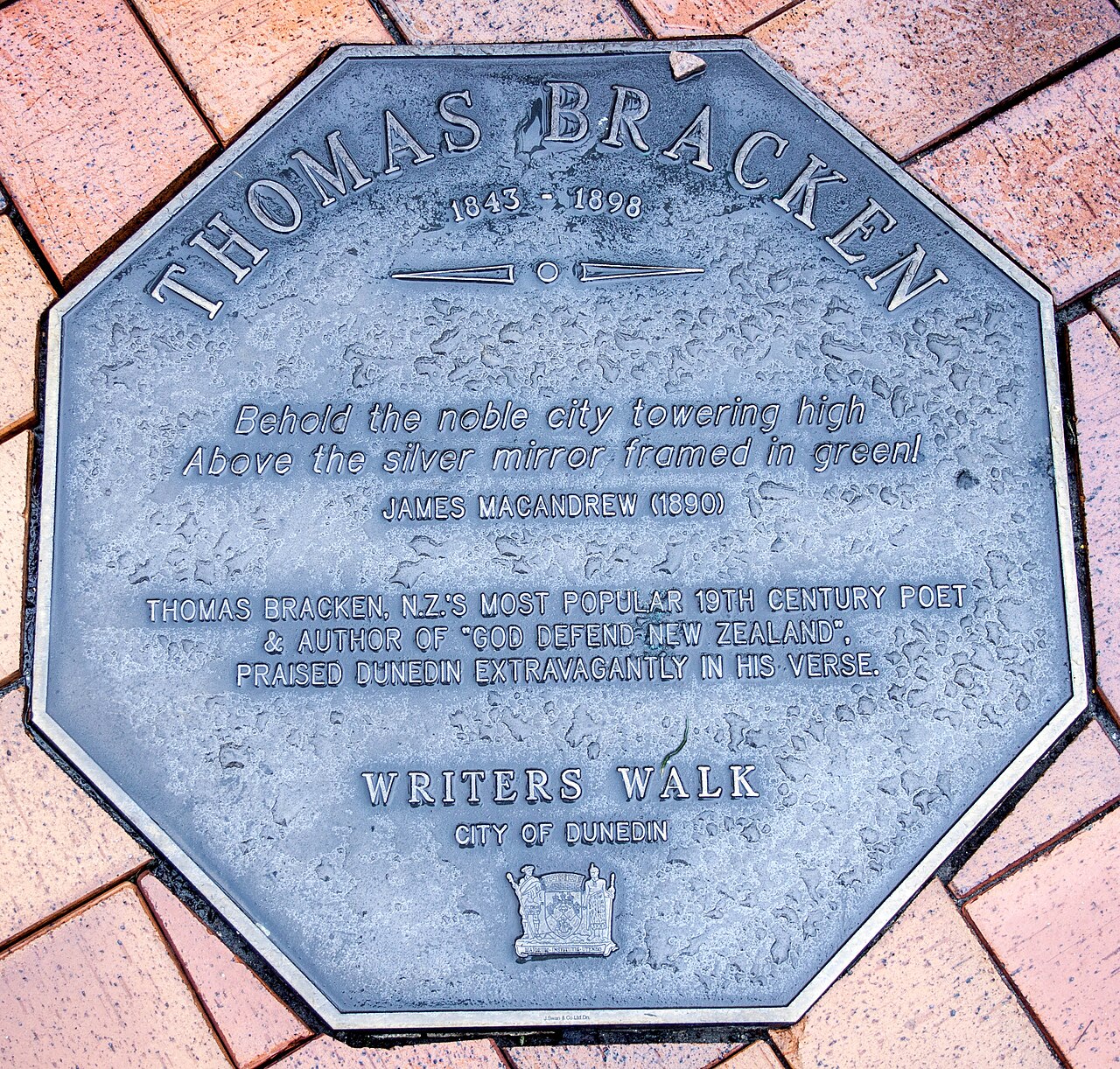
Bracken was born in Ireland and later settled in Otago, publishing poetry and articles largely under pen names and becoming a major figure in Dunedin's literary world. He wrote 'God Defend New Zealand' in the 1870s as a hymn of love for the land and a vision of peace; it later became one of New Zealand's two national anthems alongside the British anthem. Bracken is therefore seen as a key figure in the formation of New Zealand's cultural identity, and the memorial transcends an ordinary gravestone to become part of national memory — a near-obligatory stop for those studying New Zealand literary history and nationhood.
Booking & rules
Visit by day, walking the cemetery paths to the memorial and pausing at other historic graves nearby. The slope has many inclined sections, and some steps and gravel paths are slippery — wear comfortable, grip-soled shoes, and take extra care on wet stone after rain. A clear early morning offers soft light best suited to reflection and the views.
Source: https://www.openstreetmap.org/node/14134592388