Street Art Trail
Where: Street Art Trail, Maps


Getting there
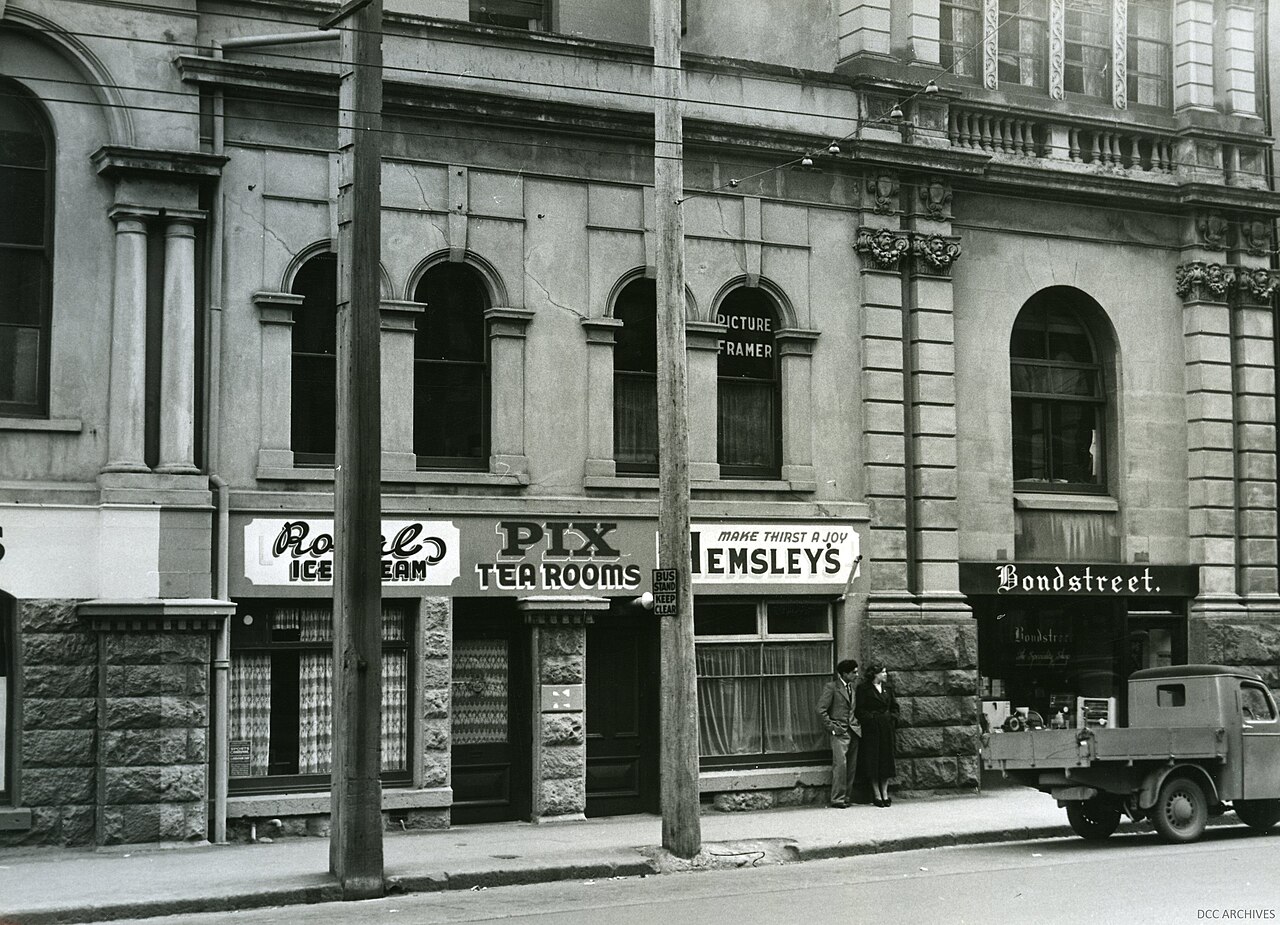
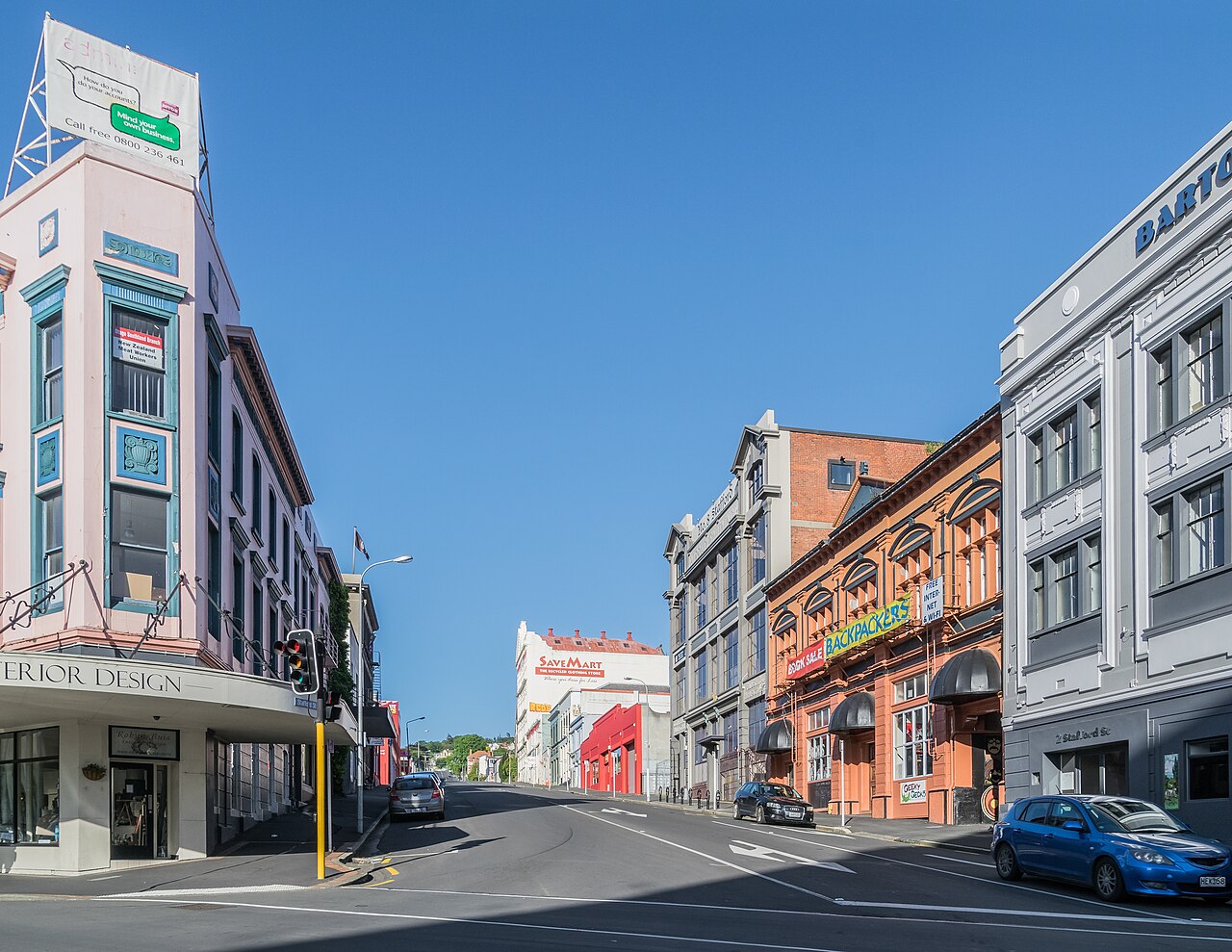
The Street Art Trail links Dunedin's major murals and outdoor artworks across the central city, with concentrations around the Exchange, the Octagon and the old warehouse blocks near the harbour. It is self-guided: pick up a map or use an online guide and simply walk between the Victorian-era buildings. There is no set start or finish, and everything is within easy walking distance of the city centre.
Things to do nearby
The trail threads past some of Dunedin's best-known landmarks, so you can combine it with visits to the old churches, the famous railway station and independent bookshops nearby. The warehouse district offers plenty of cafés for a rest stop, making it easy to stretch an art walk into a full day of city exploring.
Highlights
The styles range from huge realistic portraits to New Zealand native bird themes and playful fantasy pieces. Many works are cleverly composed around old walls' window frames, brick joints and slopes, so the art merges with the historic streetscape and invites you to look at the city's fabric anew. Each corner can bring a surprise, which suits photographers and slow wanderers especially well.
History & culture
The murals were not created at once but built up through successive street art festivals and ongoing collaboration between local bodies and artists. They have played a visible role in the city's renewal, bringing quiet brick walls and back lanes back to life, and the trail is now regarded as one of New Zealand's most celebrated open-air galleries — a mark of Dunedin's young, creative side alongside its wildlife and heritage buildings.
Booking & rules
The trail is free, with no ticket gates or fixed route, and suits almost everyone, including families and cruise passengers on shore visits. Dunedin's streets are gently hilly, so wear comfortable shoes; carry a windproof jacket and check the weather. After rain the walls are washed clean and colours are at their brightest, while the long soft light of a South Island summer is ideal for photography — in winter, focus on a few key works in the shorter daylight.
Source: https://www.openstreetmap.org/node/8737383223