Shag Colony
Where: Shag Colony, Maps

Getting there
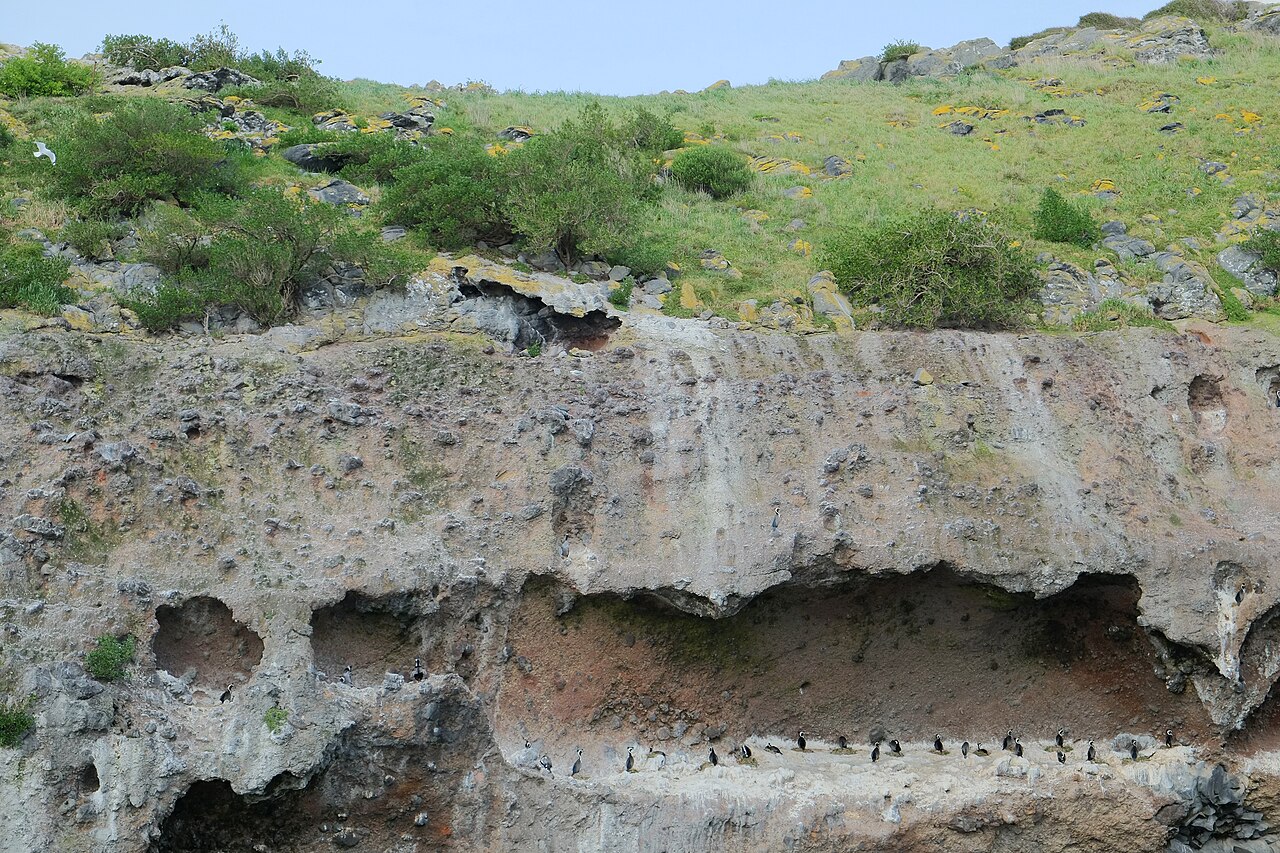
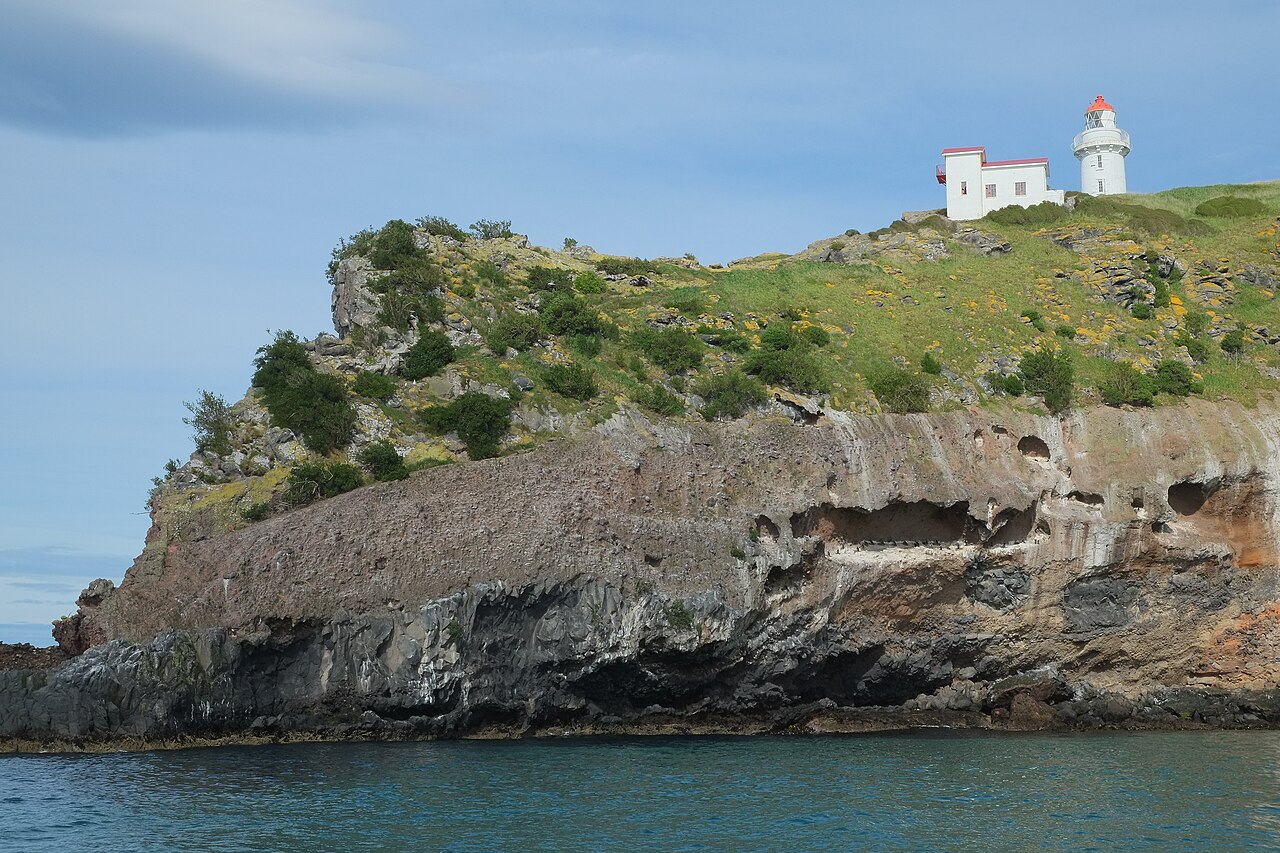
This shag colony viewpoint sits on a rugged coastal headland of the Otago Peninsula near Dunedin, on New Zealand's southeastern coast. It is among the most accessible seabird colonies in the country: wave-cut rock platforms and reefs lie directly below the viewpoint, with the Southern Pacific swell rolling in layer upon layer. Reaching it usually involves peninsula roads and a short walk to the headland edge, so sturdy footwear helps on the uneven coastal terrain.
Things to do nearby
The Otago Peninsula is internationally known for its seabird diversity, and the colony sits among neighbours that include albatrosses, fur seals and sea lions, making it a natural stop on a wildlife circuit of the peninsula. Birdwatchers, photographers and family visitors can combine a visit here with other peninsula wildlife sites, tracing a route past cliffs and bays where several shag species can be seen, some nesting on steep cliff faces to avoid land predators.
Highlights
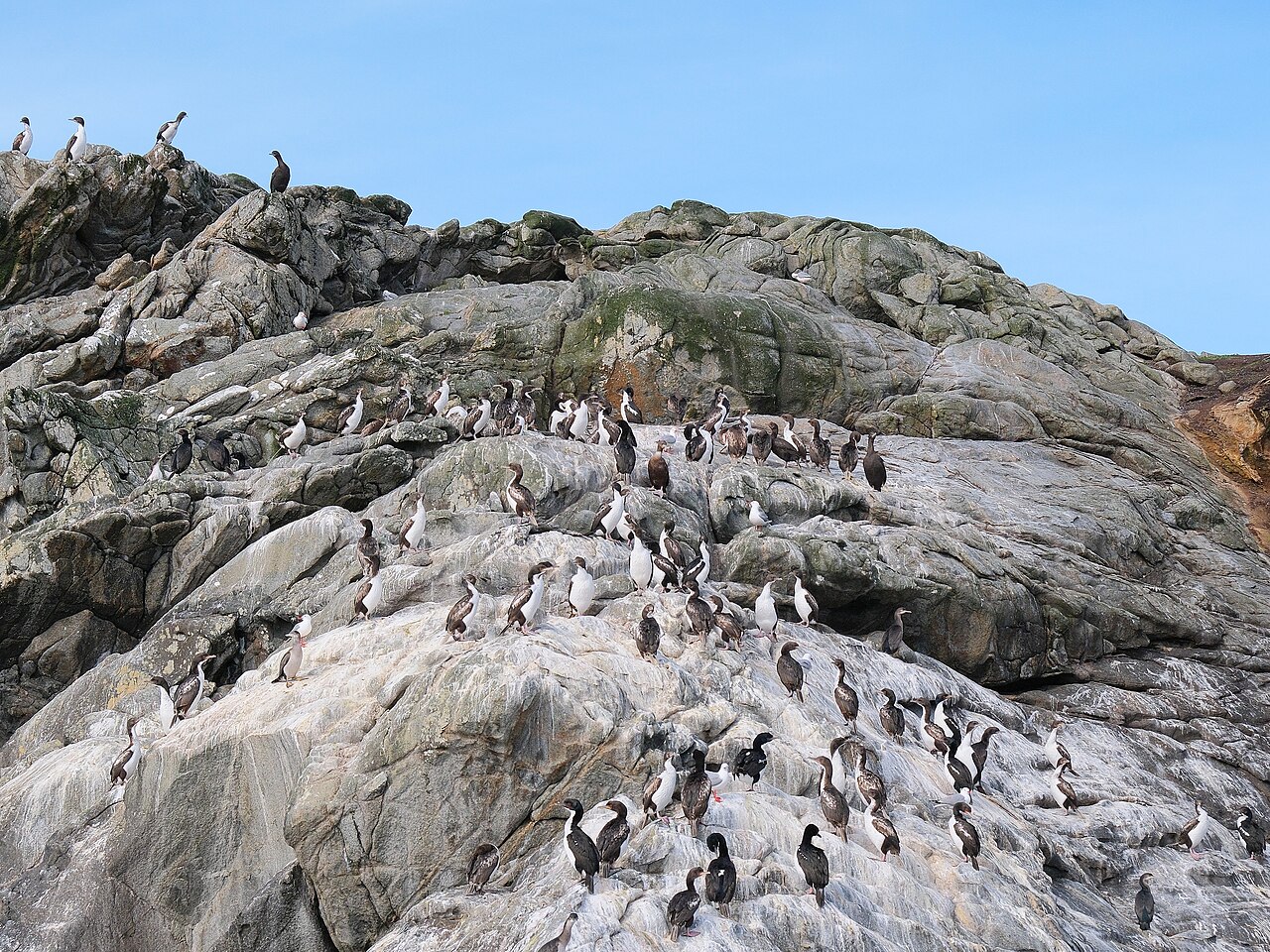
From the headland you often hear the surf striking the rocks before you notice the rows of dark, long-necked birds lined up on the rock shelves. Shags frequently perch with wings spread — a signature behaviour, since their plumage is not fully waterproof and needs sun and sea wind to dry. In the breeding season the scene grows busier, with nest-building, chick-rearing and constant traffic between sea and nest; visiting across seasons reveals the full rhythm from hatching to fledging. The coast is wild and windswept, with cloud and light shifting fast over the water — a bleakly beautiful setting in any weather.
History & culture
The shag colonies of the peninsula have long been part of its natural heritage and draw sustained attention from ornithologists and wildlife enthusiasts. Dunedin's status as a centre of New Zealand ecotourism rests on colonies like this one, and the shags' choice of exposed cliff nesting sites reflects the health and completeness of the local marine ecosystem, offering researchers a valuable window into seabird behaviour and ocean conditions.
Booking & rules
Early morning and evening are the busiest times for feeding flights between sea and colony, and are the ideal visiting windows; winters are windy while summers are milder and more settled. Check the weather before setting out and bring a windproof jacket. Binoculars or a long lens greatly improve the experience. Walk only on marked paths, keep quiet and keep your distance, never feed or disturb the birds, and take all rubbish with you.
Source: https://www.openstreetmap.org/node/9198799044