Shag Colonies
Where: Shag Colonies, Maps
Getting there
The shag colonies sit along the cliffed coastline of Otago Peninsula east of Dunedin, where volcanic headlands, reefs and steep bluffs fringe the harbour mouth. Visitors usually reach the viewpoints by car along the peninsula road network, followed by a short walk to designated platforms; it pairs naturally with nearby albatross and penguin sites on the same wildlife circuit.
Things to do nearby
As a key stop on the peninsula's wildlife trail, the viewpoints sit alongside habitats for royal albatross, little penguins and fur seals, so visitors can chain several coastal encounters into a single day. The surrounding peninsula offers scenic drives, walking tracks and harbour views between stops.
Highlights
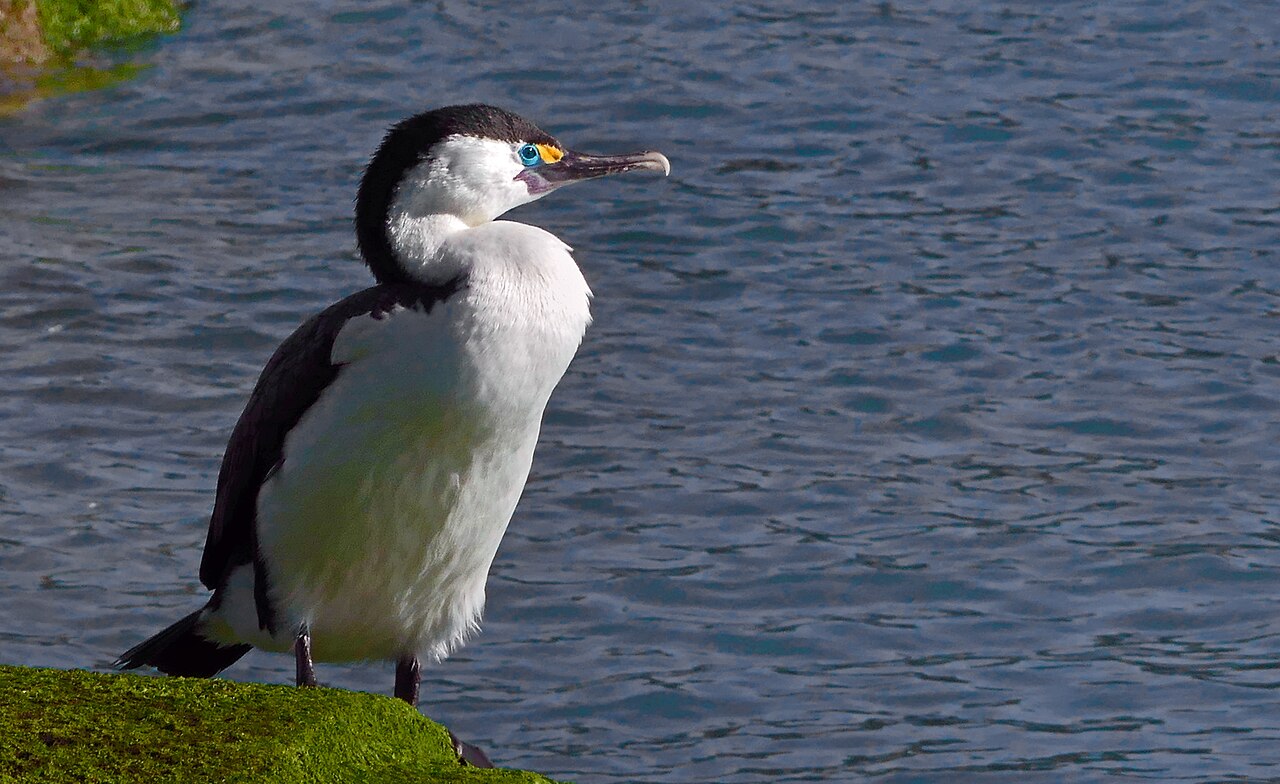
The spectacle is the birds themselves: colonies resting on reefs, wings spread to dry, plunging into the surf at the harbour mouth. The rare Otago shag, found nowhere else, shows metallic dark-green and bronze sheen, brightest in breeding plumage, with courtship displays, nest-building and chick-feeding all visible from the clifftops. Grass meadows on the exposed tops, layered volcanic rock below, and water shifting between deep blue and green give photographers strong material in any season or light.
History & culture
Māori fished these coasts for generations and knew the shags' habits well; European settlers later shared the shoreline fisheries with the seabird colonies. The Otago shag has one of the narrowest ranges of any cormorant, confined to Otago coastal waters, and is closely watched by conservationists. Community volunteers and conservation groups have long monitored breeding colonies and removed invasive predators, helping populations stabilise in recent decades, and the viewpoints now serve an ecological education role.
Booking & rules
Bring binoculars or a telephoto lens and observe from a distance; stay on marked paths and platforms, never cross fences or approach cliff edges, and keep clear of nesting birds. The coast is windy and changeable — carry a windproof jacket and grippy shoes even on sunny days, and allow time for short walks to some viewpoints. Spring and early summer bring peak breeding activity and the noisiest colonies; winter offers clearer seas and chances of seals or dolphins. Hours and fees are not recorded in public sources.
Source: https://www.openstreetmap.org/node/9198799043