NCEA exam failure is symptomatic of deeper problems – Christchurch Boys’ High headmaster Nic Hill
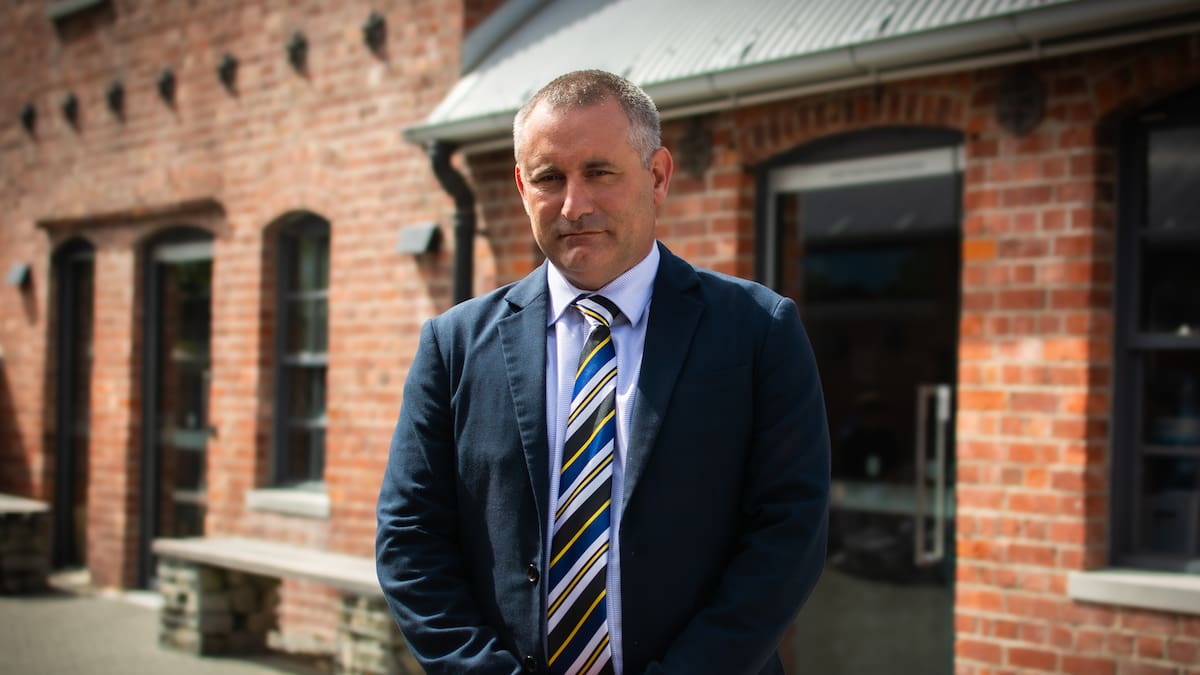
Christchurch Boys' High School headmaster Nic Hill. Photo / Supplied
On Thursday morning, students across New Zealand sat down to complete their NCEA Level 2 English examination. They had prepared throughout the year, including five weeks of focused study since their practice examinations. Then the New Zealand Qualifications Authority’s (NZQA) digital examination platform failed.
Staff responded
quickly. They printed examination papers, found pens, made decisions and gave clear instructions. Most boys remained settled and completed their examinations. I was proud of them and of the calm, resourceful staff who made that possible. Their response depended on people recognising what needed to be done and exercising sound judgment.
NZQA has apologised and confirmed that eligible students will receive the higher of their examination grade or derived grade. That is a welcome protection. It does not entirely resolve the problem. A derived grade based on an earlier assessment does not reflect five weeks of further learning. NZQA should answer the questions about the reliability of its platform and the adequacy of its contingency arrangements.
I also have sympathy for NZQA. Its people are expected to maintain the national assessment system, manage technology and prepare for substantial qualifications reform. Budget 2026 acknowledged a funding shortfall in the delivery of national assessment.
An independent review following digital examination problems in 2023 identified weaknesses in accountability, vendor oversight, contingency planning and risk management. Thursday’s events demand scrutiny of whether the necessary improvements have endured.
Advertise with NZME.
The problem is bigger than NZQA. I see a similar tension in the Ministry of Education’s implementation of curriculum changes. I support coherent courses and ambitious expectations for students. But publishing a curriculum is not the same as schools being able to teach it well. Courses need designing and timetables need rebuilding. A published document or commencement date does not accomplish that.
The ministry is investing in “learning kits” and professional development. I struggle to see the practical value of centrally prepared learning kits for secondary teachers. Providing materials is not the same as backing teachers.
Teachers need a clear curriculum, time to think and the freedom to exercise professional judgment. They should be trusted to design learning for the students they know, not treated as recipients of centrally prepared solutions. The ministry’s proposed support does not create the capacity our schools need.
Advertise with NZME.
This is a pattern I have repeatedly raised with the ministry: the centre establishes the direction, requirements and timeline, while schools carry the practical burden of delivery. When plans are incomplete or deadlines unrealistic, schools adapt. They make decisions, find solutions and absorb the additional work. The pressure moves from the centre to schools. So does the risk.
Political leadership must be part of this discussion. Ministers are entitled to set priorities and pursue reform. Schools should not be immune from challenge or change. But political ambition carries a responsibility to establish whether implementation is genuinely possible. Setting a deadline is not evidence of readiness. Nor is a list of support initiatives proof that teachers have the time or resources to deliver what is expected.
I have repeatedly asked the ministry a simple question: whose job is it to say, “Stop. This isn’t ready”?
Leadership requires more than presenting a plan. It requires the judgment to recognise when a plan is failing and the courage to act. Leadership sometimes carries a cost. That may mean disappointing a minister, challenging colleagues or accepting personal consequences.
Institutions can become preoccupied with protecting their reputations, programmes and relationships. When leaders avoid those uncomfortable costs, the consequences do not disappear. They fall on people with less power to refuse them.
Schools have a distinctive strength. They are profoundly human places. Teachers know the young people in front of them: their ambitions, anxieties, circumstances and capacity to improve.
When a system fails, teachers do not see an operational incident. They see the impact on students. That proximity creates a strong moral obligation to act. It is why teachers so often find solutions to problems they did not create, even at considerable personal cost.
We should celebrate this commitment. We should also recognise what happens when national systems quietly depend upon it. Schools make the problem manageable; the programme proceeds; the costs of poor preparation are absorbed in unpaid hours, diverted attention and stretched goodwill. What should be exceptional effort becomes a routine expectation. Eventually, the centre may mistake successful improvisation for evidence that its original plan was sound.
Advertise with NZME.
This is not an argument that public servants care less, or that every difficulty can be solved locally. Many ministry and NZQA staff work tirelessly. The question is whether those institutions understand the consequences of their decisions in schools and for teachers and students.
Thursday showed what teachers and school leaders can achieve when they exercise judgment and take responsibility. The system failed, but people stepped in to protect students from the consequences.
Their response should not be mistaken for evidence that the system worked. We need central agencies and political leaders prepared to exercise that same judgment before a crisis, including having the courage to say stop.
The goodwill of teachers should be celebrated, not relied upon as a contingency plan.
**Nic Hill has been Christchurch Boys’ High Scho