Upper Gondola Station
Where: Upper Gondola Station, Maps
Getting there
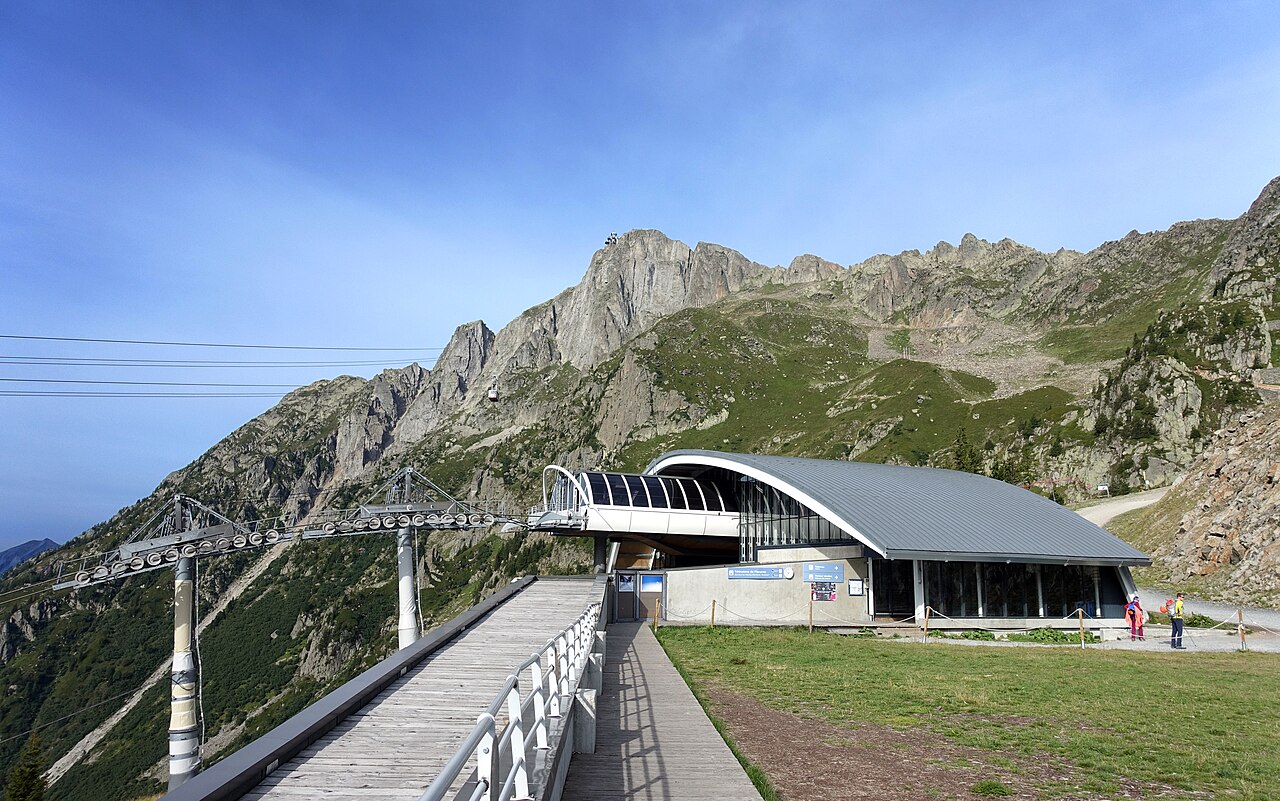
Upper Gondola Station crowns the ridgeline of the Port Hills on Christchurch's southern edge, the top terminus of the Christchurch Gondola. It sits on the slopes of an ancient extinct volcano, part of the Banks Peninsula volcanic landscape, with open ground and sweeping views all around. Most visitors ride the gondola up from the valley base station, while fit walkers can reach it on foot via tracks from the valley or the Summit Road, crossing grassland and regenerating shrubland on the way.
Things to do nearby
Below the station lie the green slopes and winding roads of Heathcote Valley, and the area is laced with walking tracks popular with locals. Around the lookout, paths lead toward the crater rim past grassland, rock outcrops and low native plants — spring wildflowers on the slopes, deep-blue high-visibility summer skies, and, on clear winter days, snow on distant mountains.
Highlights
This is one of the best all-round viewpoints near Christchurch. From the spacious observation areas you can look north over the city, the Canterbury Plains and the Southern Alps, and south over the winding harbour and coastline of Lyttelton; on clear days the rolling profiles of the peninsula's many old volcanic cones unfold in every direction. Watching ships move through the harbour or cloud shadows drift across the plain rewards a long stay, and photographers, families and hikers all find plenty here.
History & culture
The Port Hills are the product of volcanic activity roughly ten million years ago, shaped by long erosion into today's ridgelines and crater rims — a landscape of real geological interest. The area also carries the history of Māori and early European settlers, with memories of fishing, shipping and grazing, and its dense track network has long made it one of Christchurch's most representative recreational hills.
Booking & rules
Allow ample time on the viewing platforms and note the gondola's last descent time so you don't miss your ride down. Visibility is best on clear days and early mornings; wind, rain or fog can affect both the views and gondola operation, so check weather and operating information before setting out. You can also drive near the summit and walk the final stretch. The sea wind is strong — bring a windproof jacket even in summer, along with sun protection and water.
Source: https://www.openstreetmap.org/way/26586981