Dallington Garden Group Banks Ave
Where: Dallington Garden Group Banks Ave, Maps

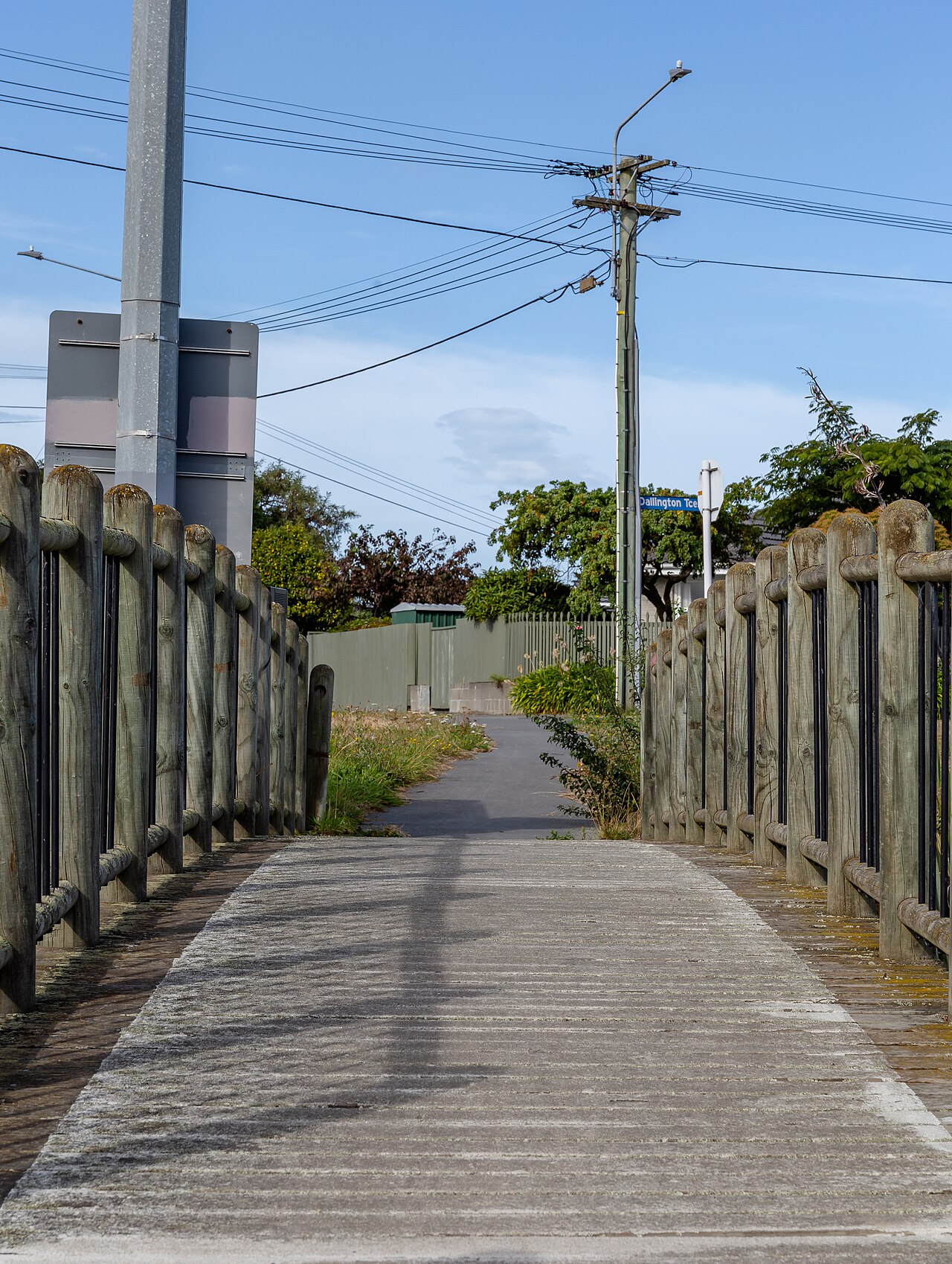
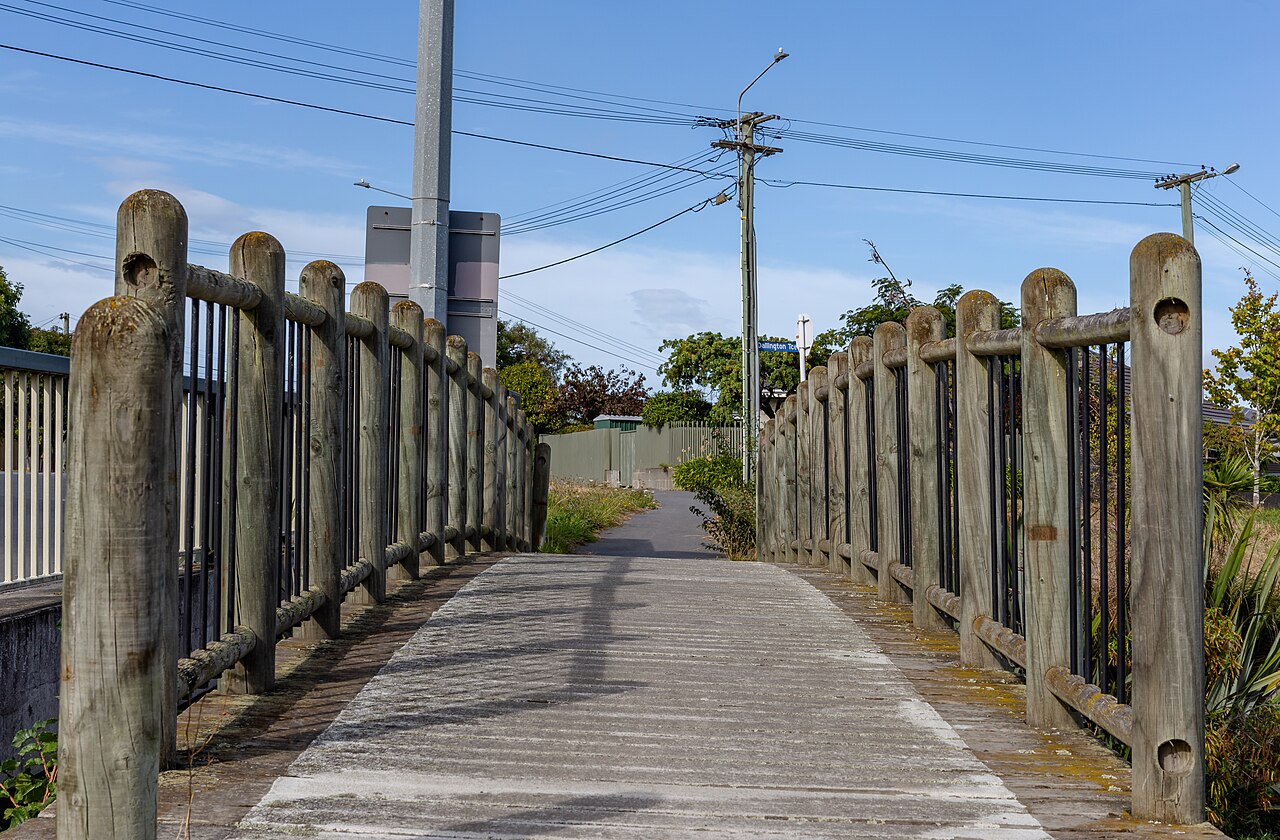
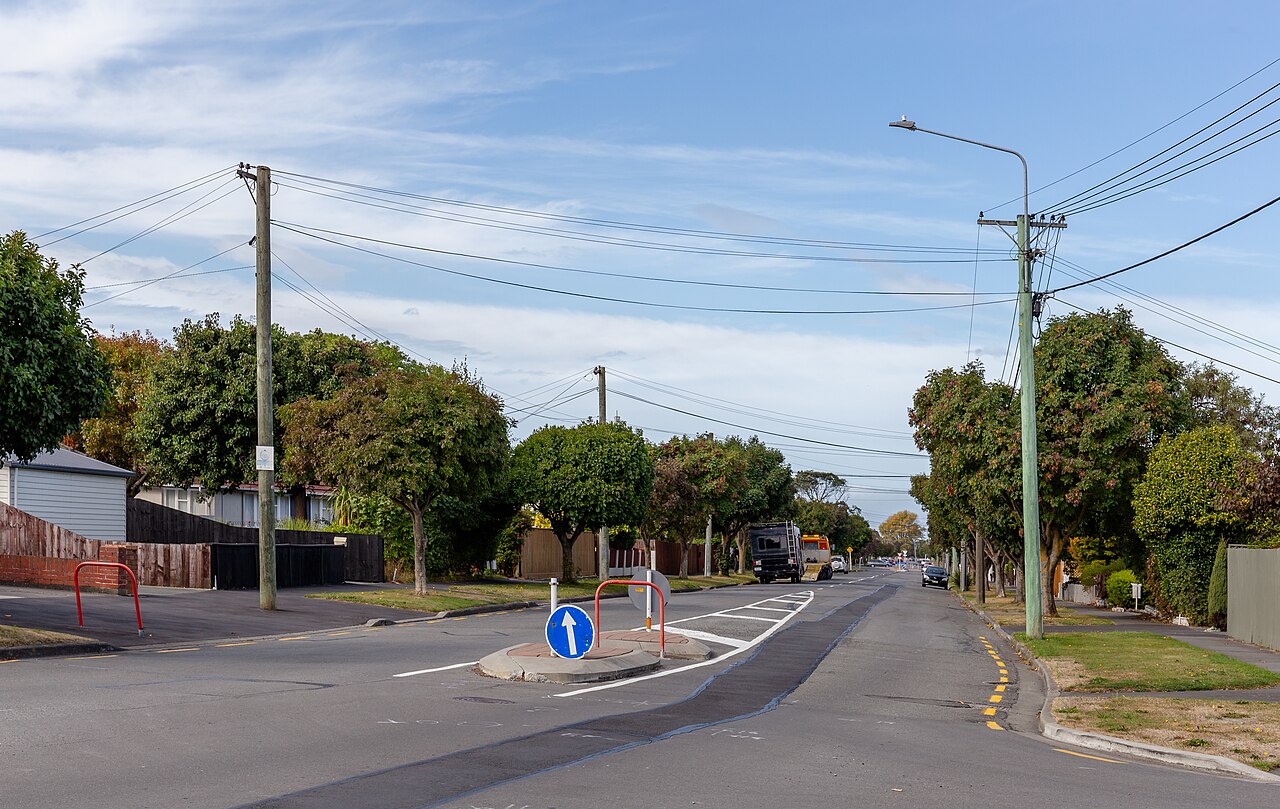
Getting there
This community garden sits on Banks Avenue in Dallington, a quiet riverside suburb on Christchurch's eastern side. Raised beds, herb patches and flowers are tucked between ordinary bungalow streets, a short walk from the Avon River; the alluvial soils nearby and the city's mild climate make for excellent growing conditions. The suburb is served by local bus routes toward the city, but most visitors arrive on foot or by bike from the surrounding streets.
Things to do nearby
The garden belongs to a wave of neighbourhood-led greening that has reshaped Christchurch's eastern suburbs since the earthquakes. Beyond the beds themselves, the riverside paths of the Avon are close by for a walk, and the wider Dallington area offers reserves and playgrounds. It works best as a stop combined with a riverside stroll rather than a destination in itself.
Highlights
What distinguishes this place is its unpretentious, working character: raised vegetable beds, compost areas and seasonal plantings — leafy greens and brassicas in the cold months, tomatoes, beans and summer crops in the warm ones — with flowering plants drawing bees and birds year-round. Volunteers chat as they work, and the smell of soil and blossoms hangs in the air. It suits locals, families and anyone curious about community gardening or permaculture; newcomers can usually join informally and learn from the gardeners.
History & culture
The project grew out of the community gardening movement that flourished after the 2010 and 2011 earthquakes. As residents rebuilt homes and infrastructure, they also sought ways to rebuild social bonds, and shared cultivation proved a powerful one. Dallington was among the harder-hit eastern communities, so locally grown green spaces like this carry real symbolic weight as signs of resilience, self-reliance and mutual aid. The garden also supports food security, sustainability education and exchange between generations.
Booking & rules
Daylight hours are the best time to visit, with spring and summer offering the most activity and colour. Treat it as a modest, volunteer-run working space rather than a tourist attraction: enjoy the greenery, respect the individual plots and posted notices, and don't pick anything without asking. Public sources do not record fixed opening hours or fees; joining is typically arranged through local community networks.
Source: https://www.openstreetmap.org/way/1468785638