Threatened Native Plants
Where: Threatened Native Plants, Maps
Getting there
This specialist garden is in Auckland's southern suburbs, a quieter green corner of the city rather than the central parks belt. Public sources do not record the exact street address or the best bus routes, so visitors should check a map or the garden's listing before setting out by car or public transport.
Things to do nearby
The garden sits among Auckland South's other green spaces and suburban amenities, which makes it easy to build a half-day nature-themed itinerary. Details of adjacent cafés or playgrounds are not recorded in public sources.
Highlights
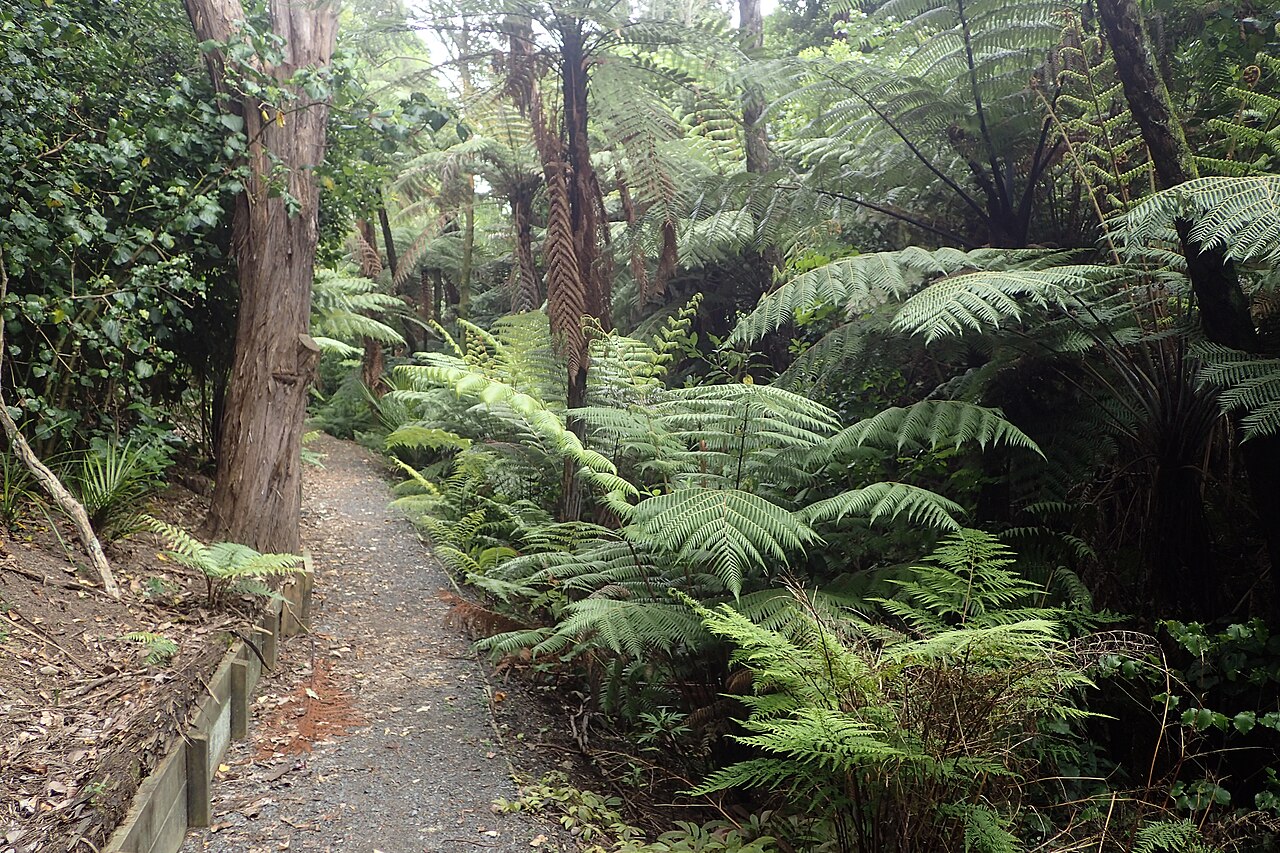
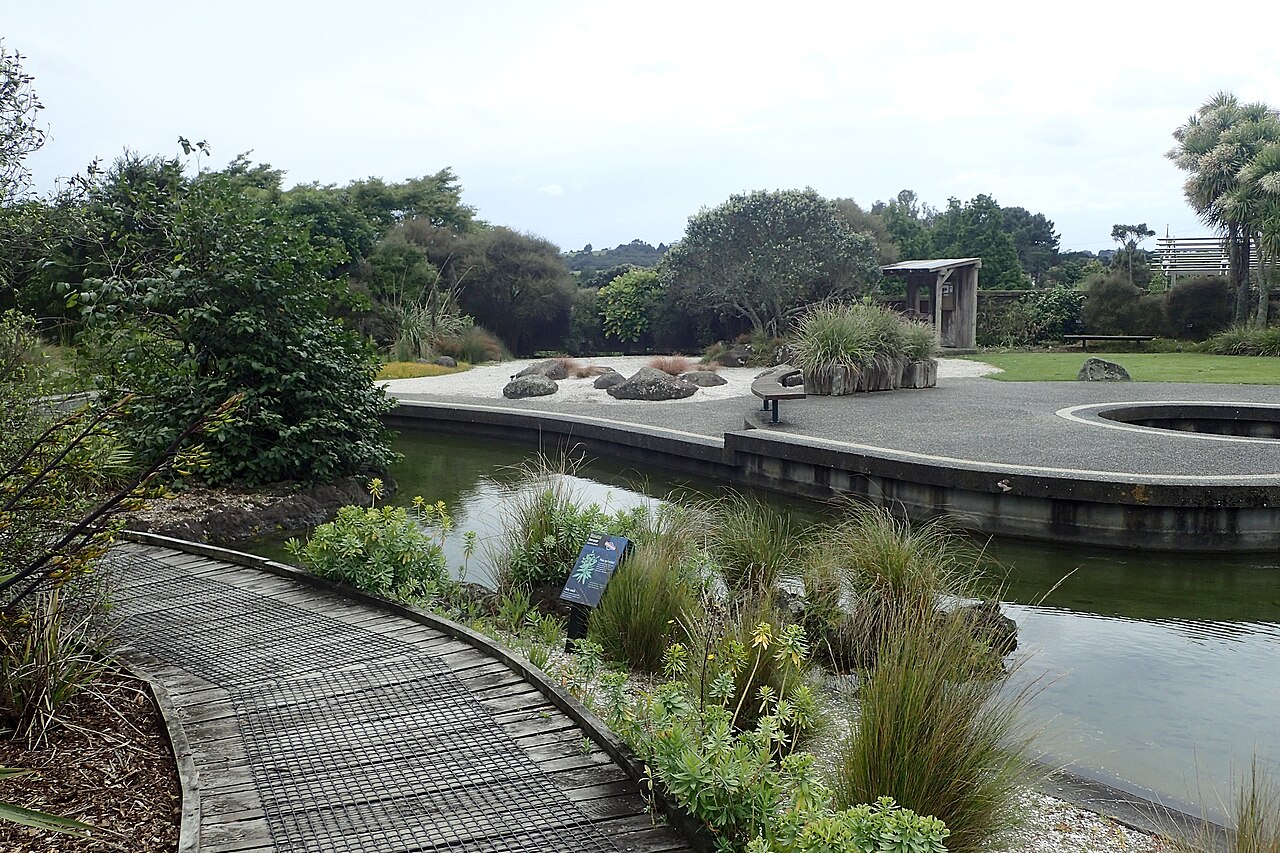
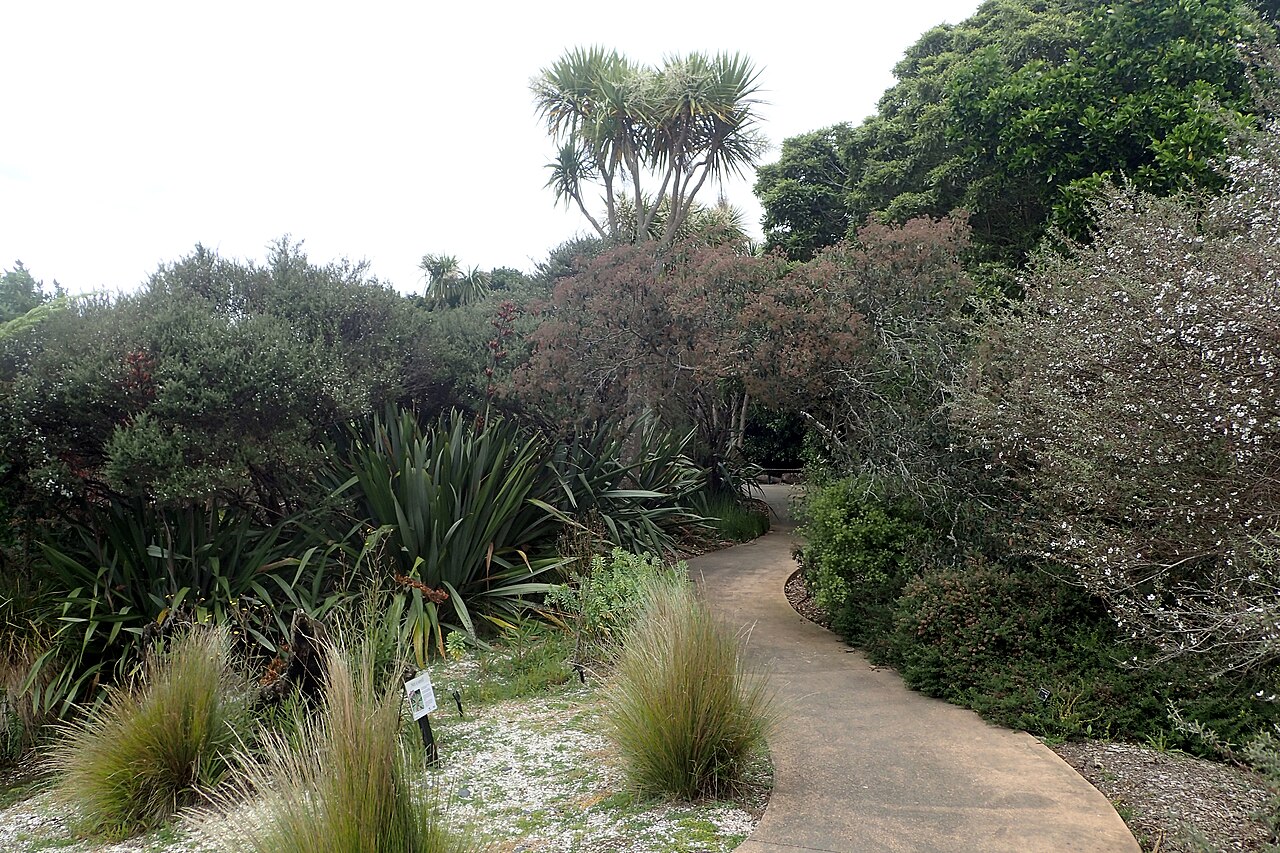
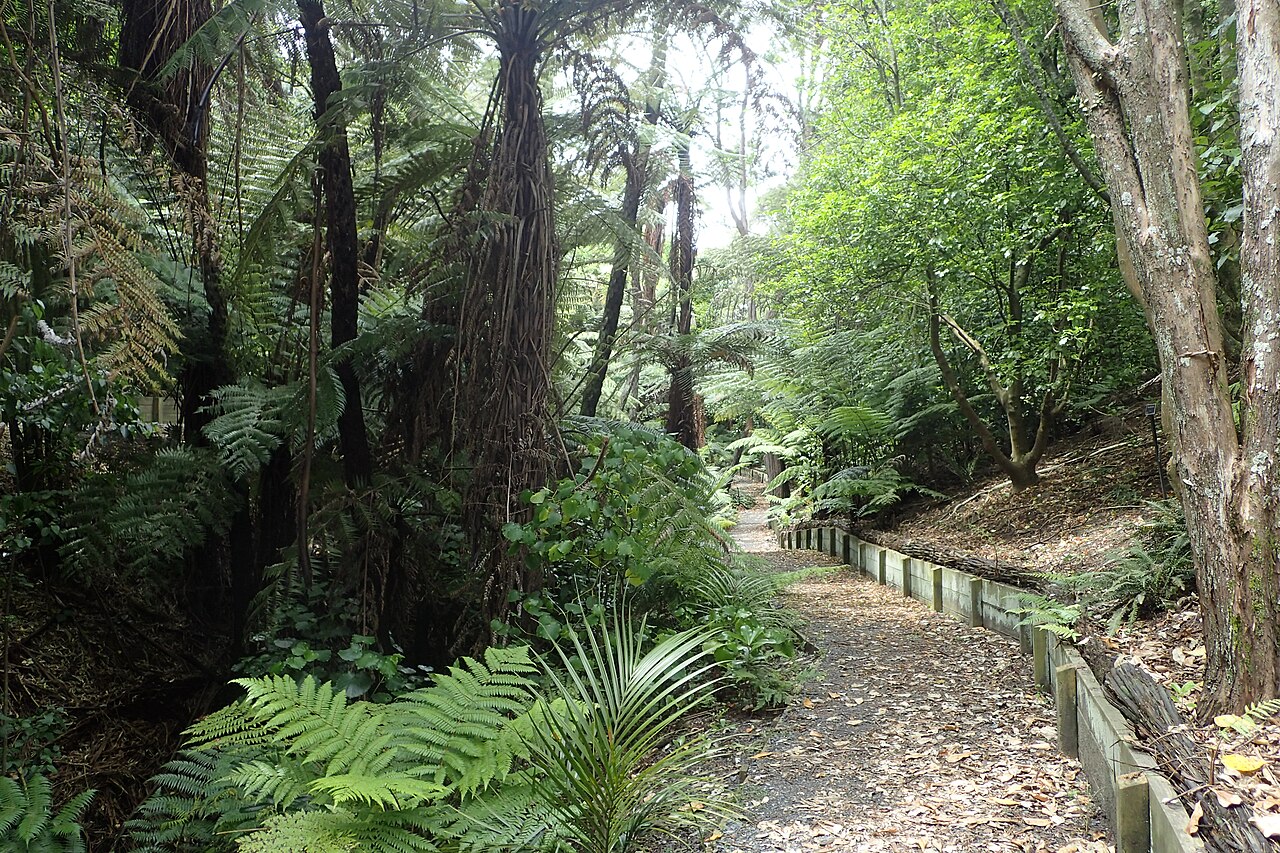
The collection gathers endangered shrubs, ferns, herbs and flowering plants from vulnerable wild populations across the country, arranged into miniature habitat zones so visitors can see rare species side by side. Interpretation panels label each plant's wild distribution, and the scenery shifts with the seasons — spring and early summer bring the best flowering, while autumn and winter reveal seed pods and evergreen structure. It suits plant lovers, students, gardeners and families wanting gentle nature education, with about an hour needed to read the displays properly.
History & culture
New Zealand's native plants evolved in long isolation, producing species found nowhere else, yet habitat loss, introduced animal pests and weed competition have made many rare. The garden therefore serves as both a living refuge — ex-situ conservation storing seed sources as insurance against extinction — and an educational site explaining why species are threatened, while supporting scientific research and wild restoration work.
Booking & rules
Spring to early summer is the best time to visit, when flowering peaks and the garden is at its liveliest. Paths can be slippery after rain, so wear shoes with good grip; stay on the trails and pick nothing. Entry details and hours are not specified in public sources — check locally before you go.
Source: https://www.openstreetmap.org/node/7870835873