Te Herenga Tangata Sculpture
Where: Te Herenga Tangata Sculpture, Maps
Getting there
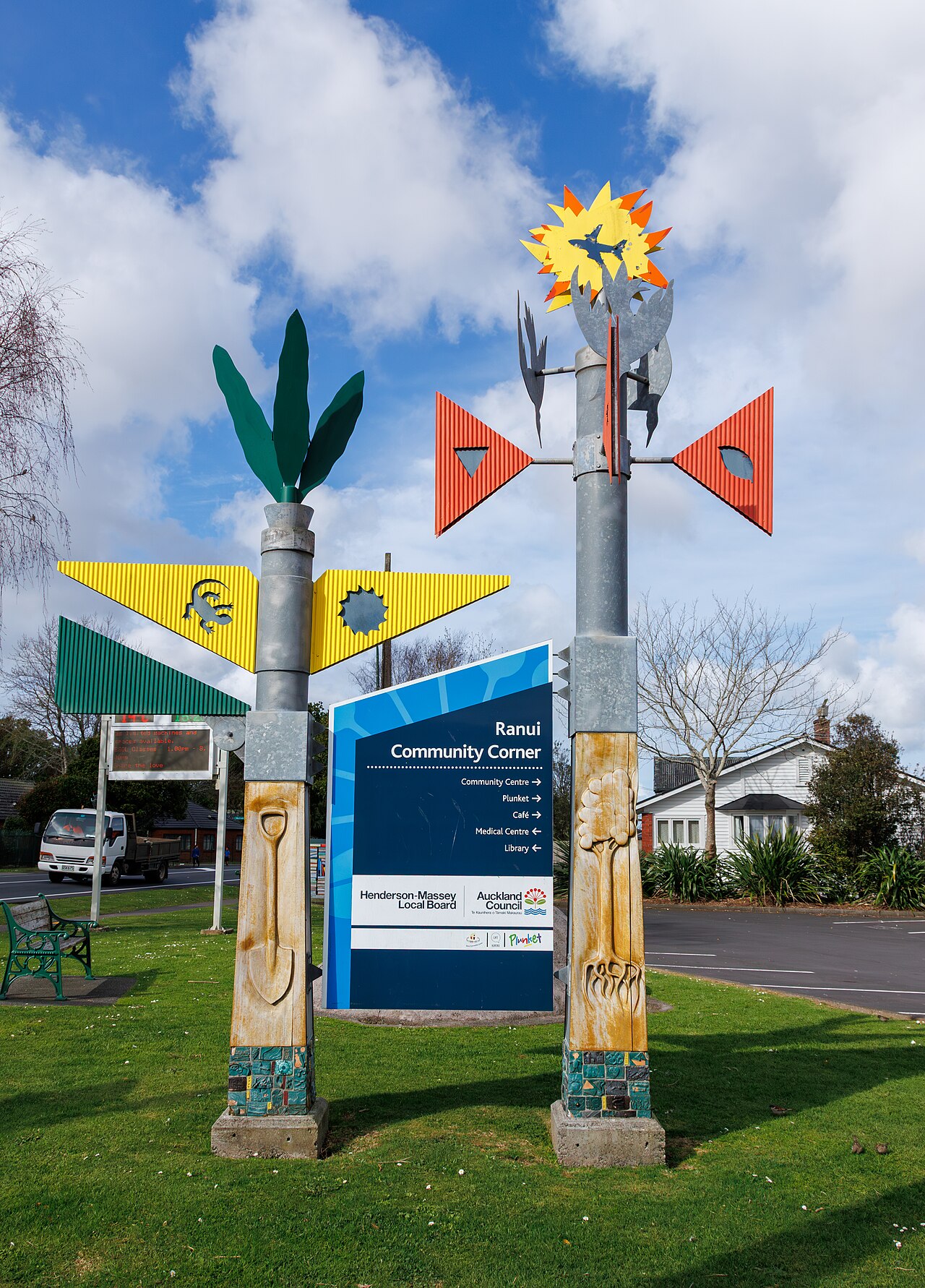
Set in Ranui, a residential suburb in West Auckland, this public sculpture sits in an openly accessible community space rather than a formal gallery precinct. The wider West Auckland area is known for its strong local identity and its embrace of public art as part of everyday streetscapes. Visitors can reach Ranui by car along Auckland's western arterial routes or by public transport serving the western suburbs, then continue on foot through the surrounding neighbourhood streets.
Things to do nearby
The sculpture works best as a stopping point on a walk through Ranui itself: streets, parks and everyday neighbourhood life form its setting. Combining a visit with a broader exploration of West Auckland's community areas gives a fuller sense of how local public art is woven into the district, though detailed listings of adjacent attractions are not widely published.
Highlights
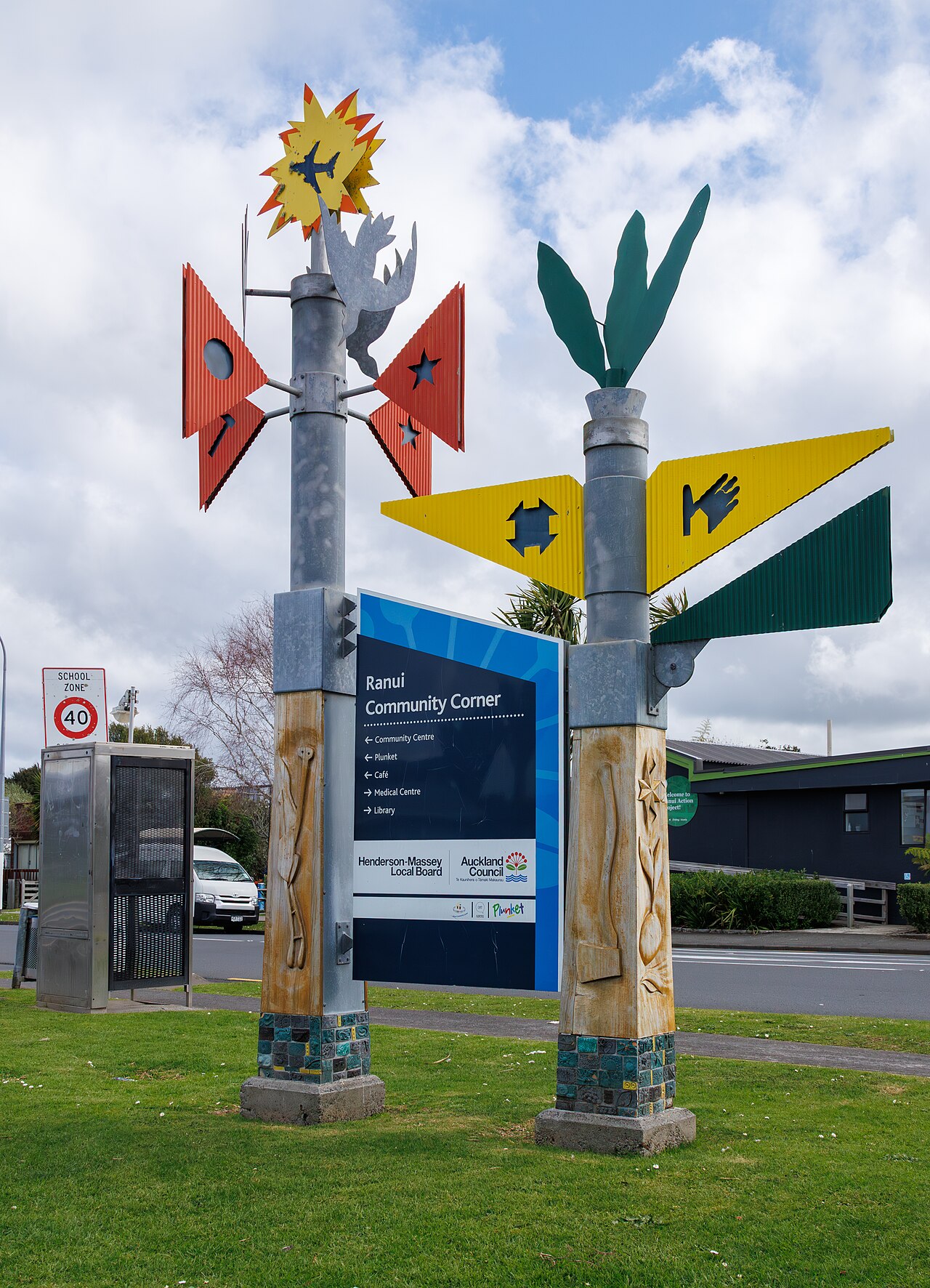
The work's Māori name, Te Herenga Tangata, roughly means "a gathering place for people", and that spirit of assembly is its defining idea — a marker of shared community space. As an outdoor sculpture, its form, material and scale shift with the light: soft morning and evening light flatter it for viewing and photography, while overcast skies bring out its silhouette and texture. Seasonal greenery and changing street backdrops add further layers, making it rewarding to revisit. It suits all ages, from families with children to wanderers who enjoy art encountered in daily life.
History & culture
The sculpture belongs to an ongoing programme of public art development in West Auckland, intended to reflect community identity and local spirit. It continues a wider New Zealand tradition in which public art carries Māori cultural narratives and local historical memory, reminding viewers that urban art is not only for appreciation but also a symbol of community belonging.
Booking & rules
Access is open and free at all times — no ticket or booking is required. Morning and late afternoon offer the most flattering light for photographs; overcast days emphasise the sculpture's form. It is outdoors, so check the weather, dress for Auckland's changeable conditions, treat the artwork and its surroundings with care, and leave the space tidy.
Source: https://www.openstreetmap.org/node/3362745356