St. Marcellin Champagnat
Where: St. Marcellin Champagnat, Maps
Getting there
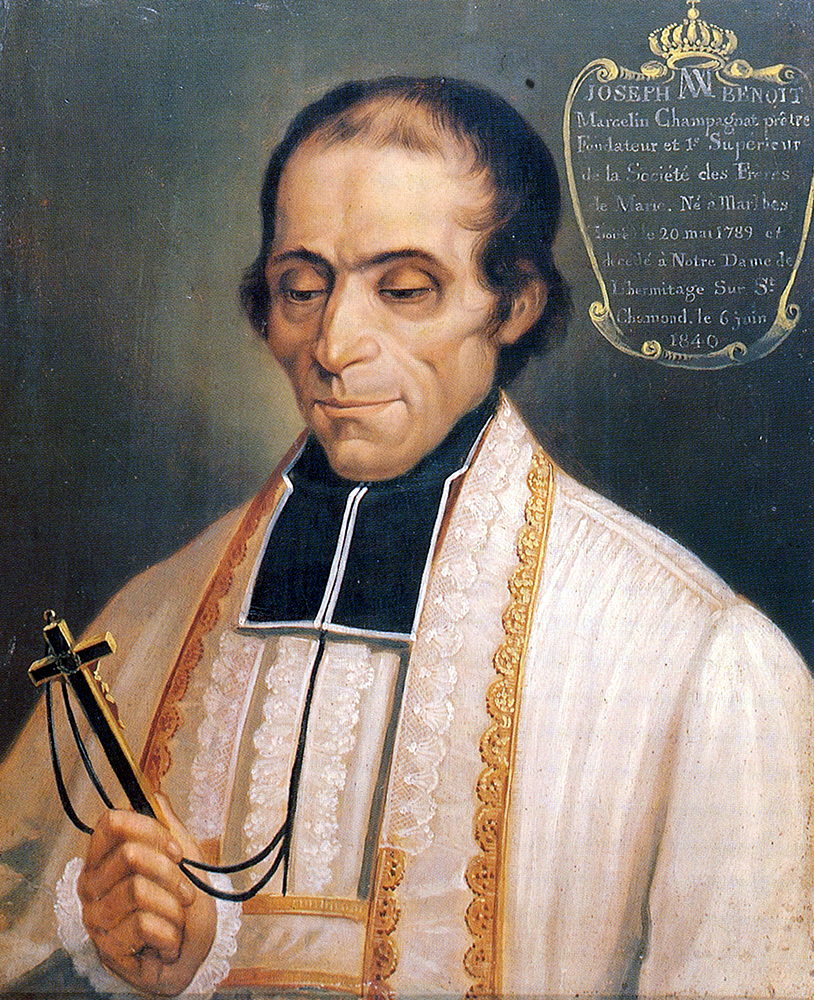
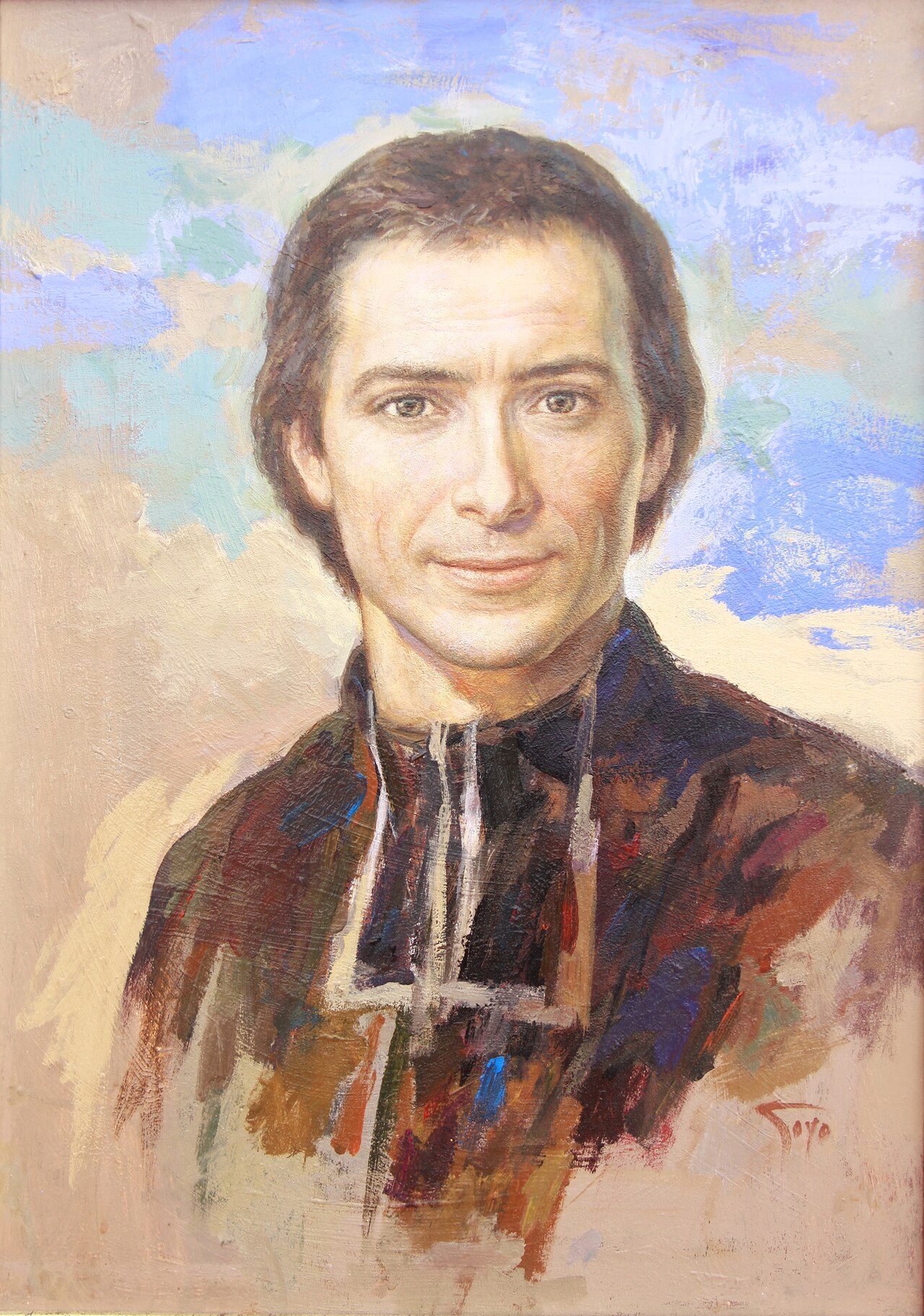
A realistic stone statue of Saint Marcellin Champagnat, the nineteenth-century French priest who founded the Marist Brothers, stands in a leafy, tranquil corner of East Auckland. The setting is typically tied to a Marist-linked school or parish, where church grounds and quiet residential streets share a calm, unhurried character. Reaching it is easiest by car or local bus services through the eastern suburbs; it lies well away from the city centre's bustle.
Things to do nearby
The statue makes a natural short stop combined with other East Auckland destinations — nearby suburban parks and walking routes suit a stretch of the legs, and the surrounding church precinct rewards a slow wander. Public sources do not record specific shops or attractions immediately adjacent, so planning around the wider eastern suburbs works best.
Highlights
Carved in a realist style, the figure is gentle and approachable, often shown with a book or among children, echoing Champagnat's lifelong devotion to youth education. Though modest in scale, the work is finely detailed, with careful modelling of the face and drapery in the solemn European tradition of religious sculpture. It shows best in daylight, when sun traces its outline; Auckland's mild climate keeps the grounds green even in autumn and winter, adding to the serene, devotional air. It suits visitors who enjoy a brief pause for reflection and anyone curious about East Auckland's low-key, community-minded atmosphere.
History & culture
Marcellin Champagnat was a French priest of the early nineteenth century who founded the Marist Brothers so that poor rural children could gain both faith and learning. His educational vision reached New Zealand with Catholic missionaries, and the order gradually took root, becoming closely tied to the traditions of many church schools. The statue is a tangible witness to that history in Auckland and carries particular meaning for those studying the country's church and educational history, connecting local residents to a heritage spanning two hemispheres.
Booking & rules
The site is freely accessible at all times, with no tickets or bookings required. It appeals most to visitors interested in church history, religious art or local educational development, and is equally worthwhile for students and families tracing Marist school origins. On-site facilities are limited, so pair the visit with other East Auckland sights or a nearby park walk. Keep noise low, respect the daily life of the school or parish, and avoid disturbing staff and pupils during school hours.
Source: https://www.openstreetmap.org/way/1197957535