Second Tāmaki Bridge
Where: Second Tāmaki Bridge, Maps
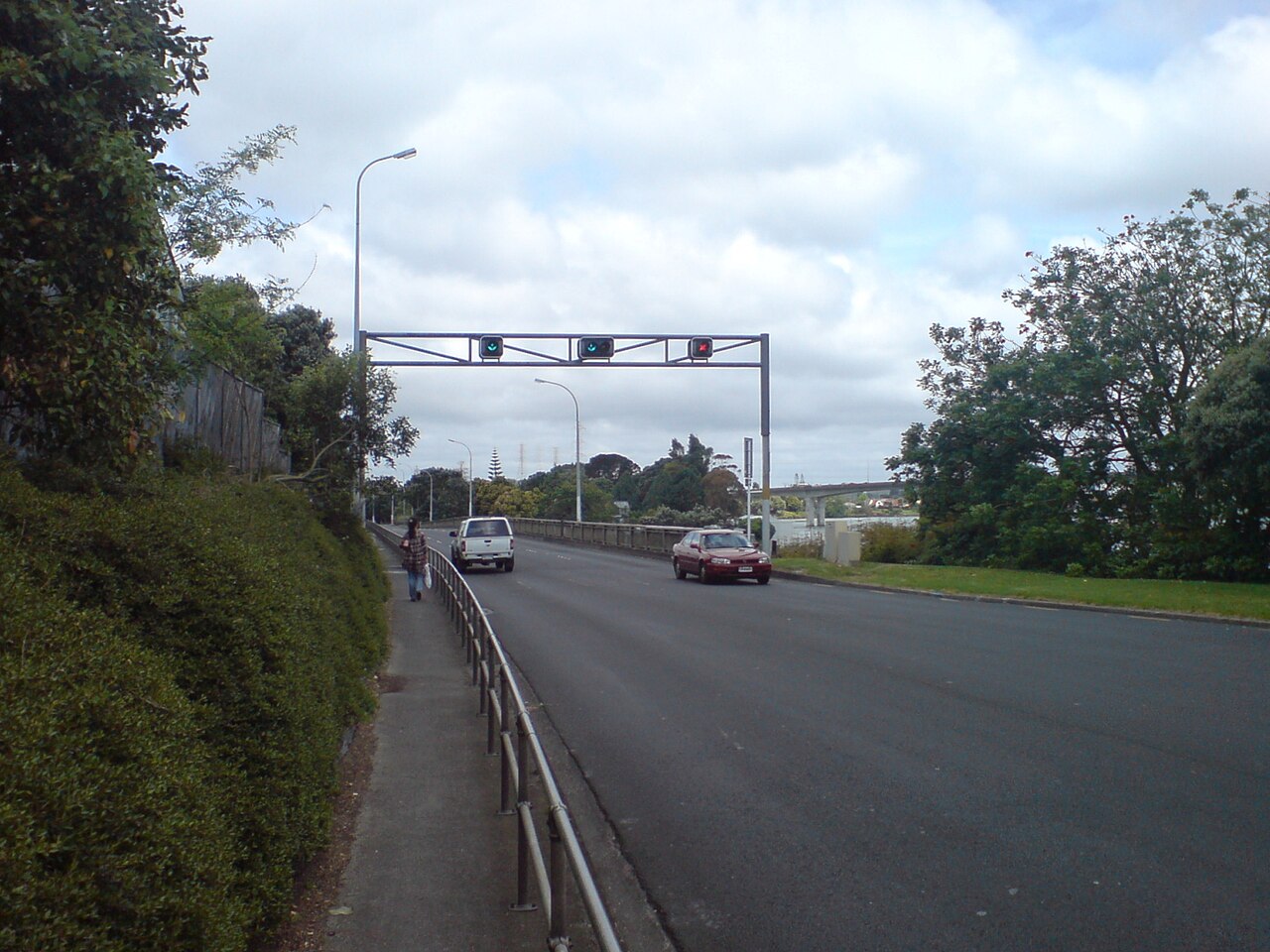
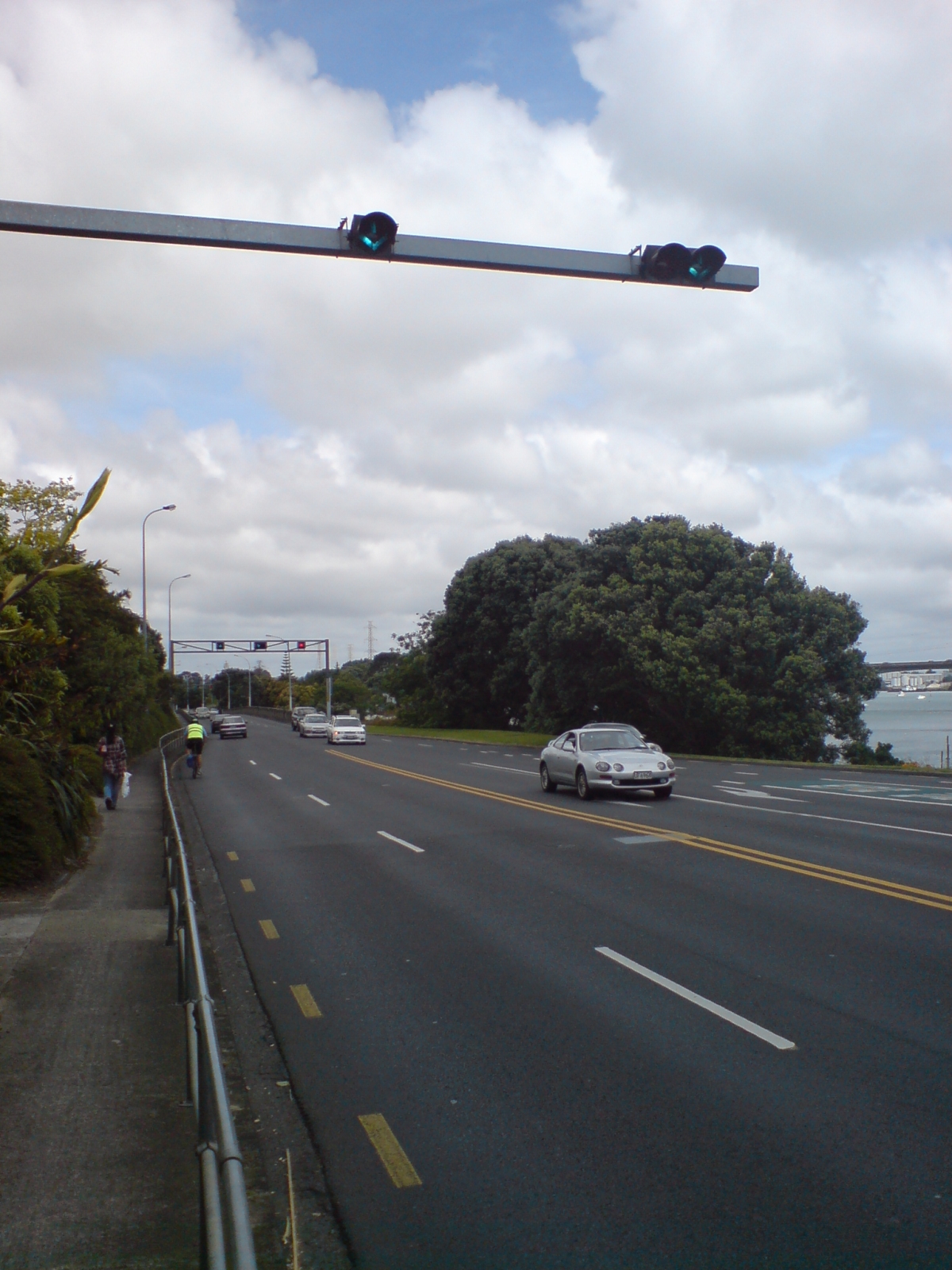
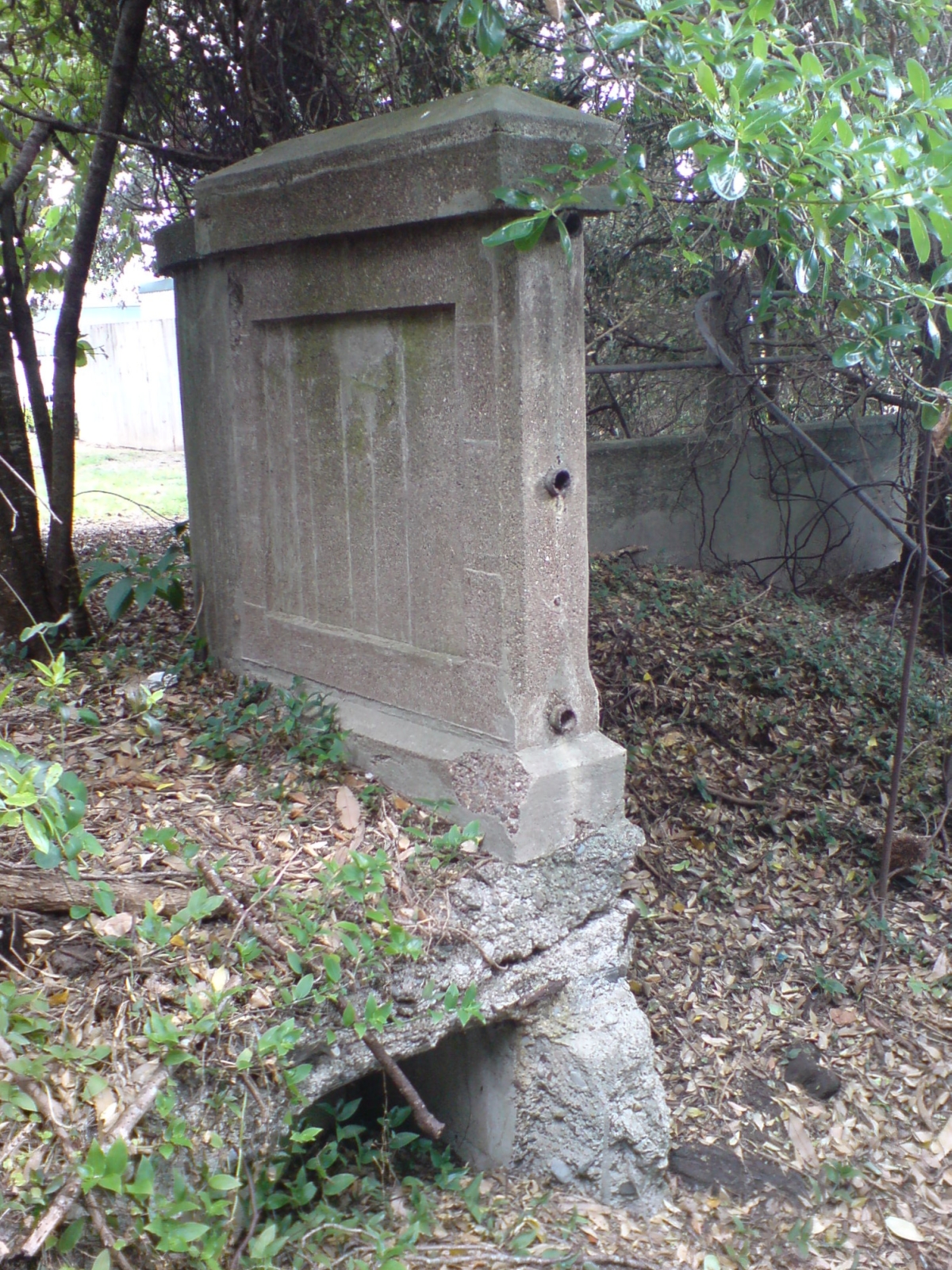
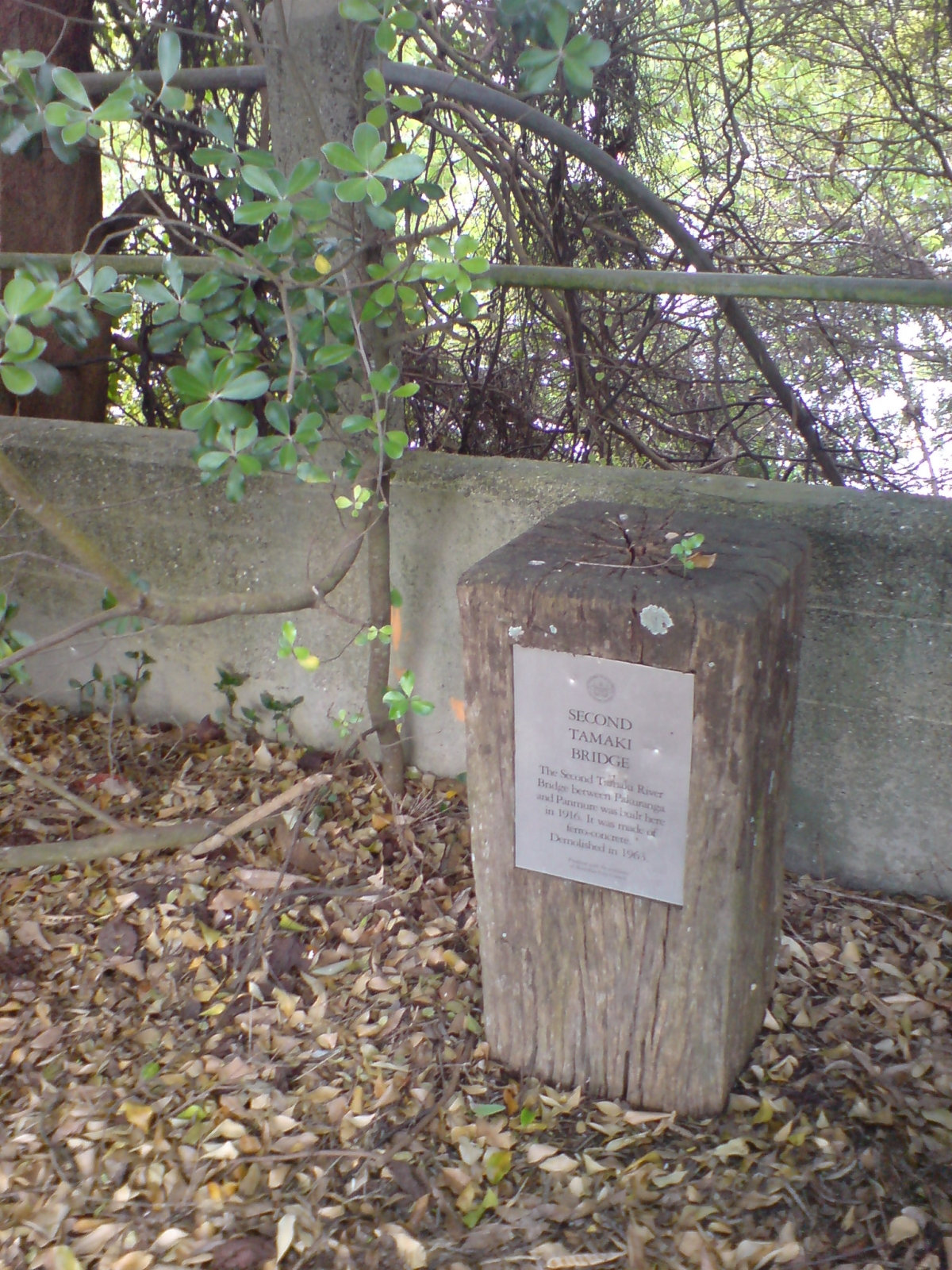
The remnants of the Second Tāmaki Bridge lie quietly on the banks of the Tāmaki River in Auckland's east, near the narrow channel where the river flows into the Waitematā Harbour and on to the Hauraki Gulf. Far from the busy city centre, the site is framed by tidal mudflats, mangroves and open estuary water, and only weathered concrete and timber stumps of the old bridge remain, standing in the water and along the shore. What was once a working crossing has become a quiet, little-known corner where industrial heritage and coastal nature coexist, with waterbirds, reeds and a distant city skyline completing the scene. As the name suggests, this was the second of several bridges built across the Tāmaki River, a strategic crossing point between the Auckland isthmus and the eastern districts since Māori times. After early settler communities formed, a bridge was built here so that people and goods could move easily between the city and the eastern suburbs. As newer river crossings were completed, the old bridge fell out of use and was eventually abandoned and dismantled, leaving these worn remains as silent witnesses to the city's changing transport history — a low-key but intriguing site for anyone interested in urban archaeology and engineering relics. The visual contrast is striking: rust-toned, sun-bleached stumps against a calm estuary. At low tide wide mudflats are exposed and wading birds feed among them; mangroves and pōhutukawa line the banks, and the sky over the eastern waterways shifts constantly with the weather. Sunset is especially beautiful, when orange light floods the estuary and the stumps stand out as dark silhouettes; morning mist brings its own poetry. The place suits walkers, photographers and lovers of urban history, and works well as a peaceful stop on an east Auckland coastal route. Come at low tide to see the stumps fully exposed, or in the soft afternoon light for photographs, and combine the visit with a stroll along the riverside path and nearby estuary parks. Check tide times, wear non-slip shoes, and bring binoculars if you enjoy birdwatching.
Source: https://www.openstreetmap.org/node/10749932775